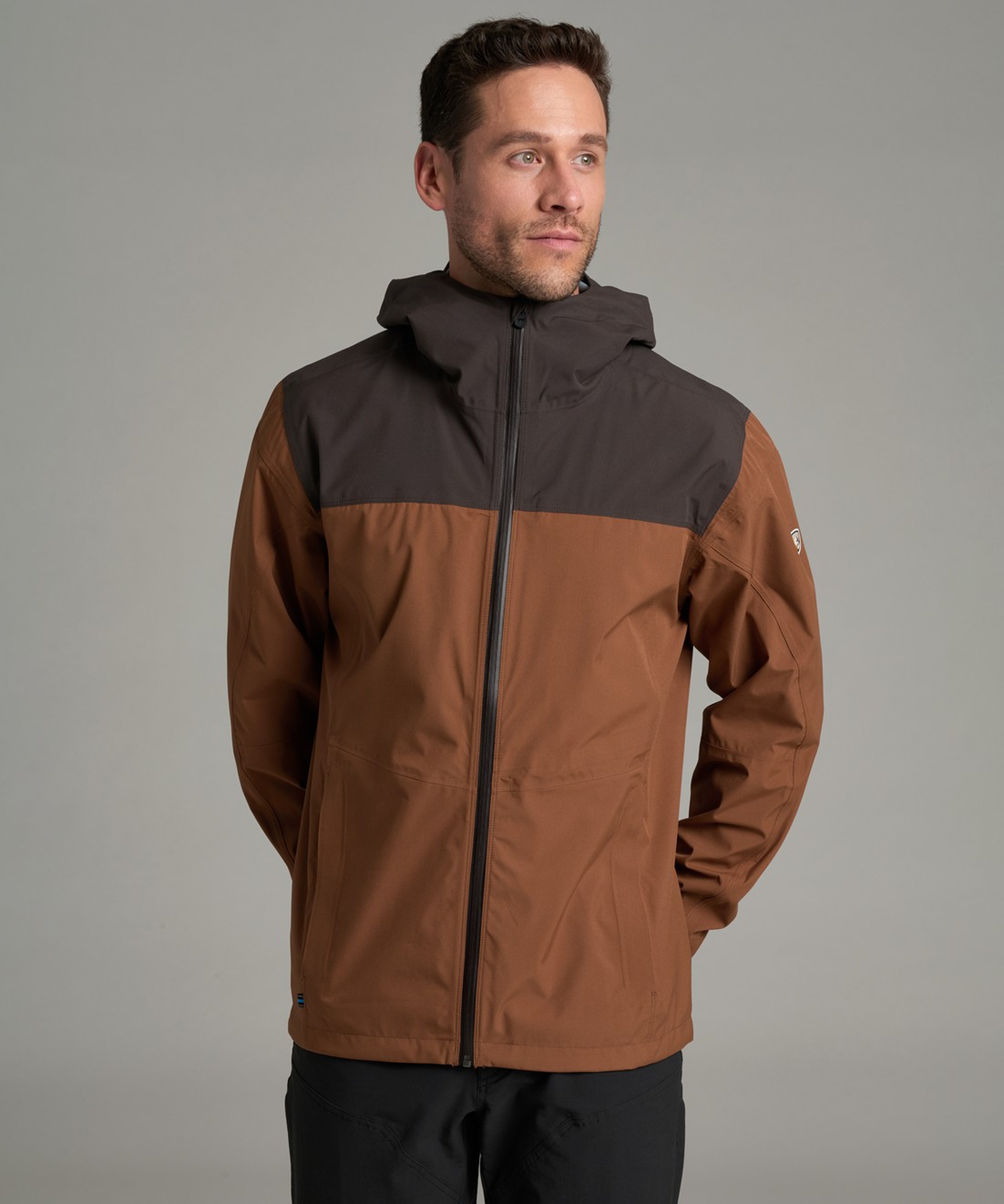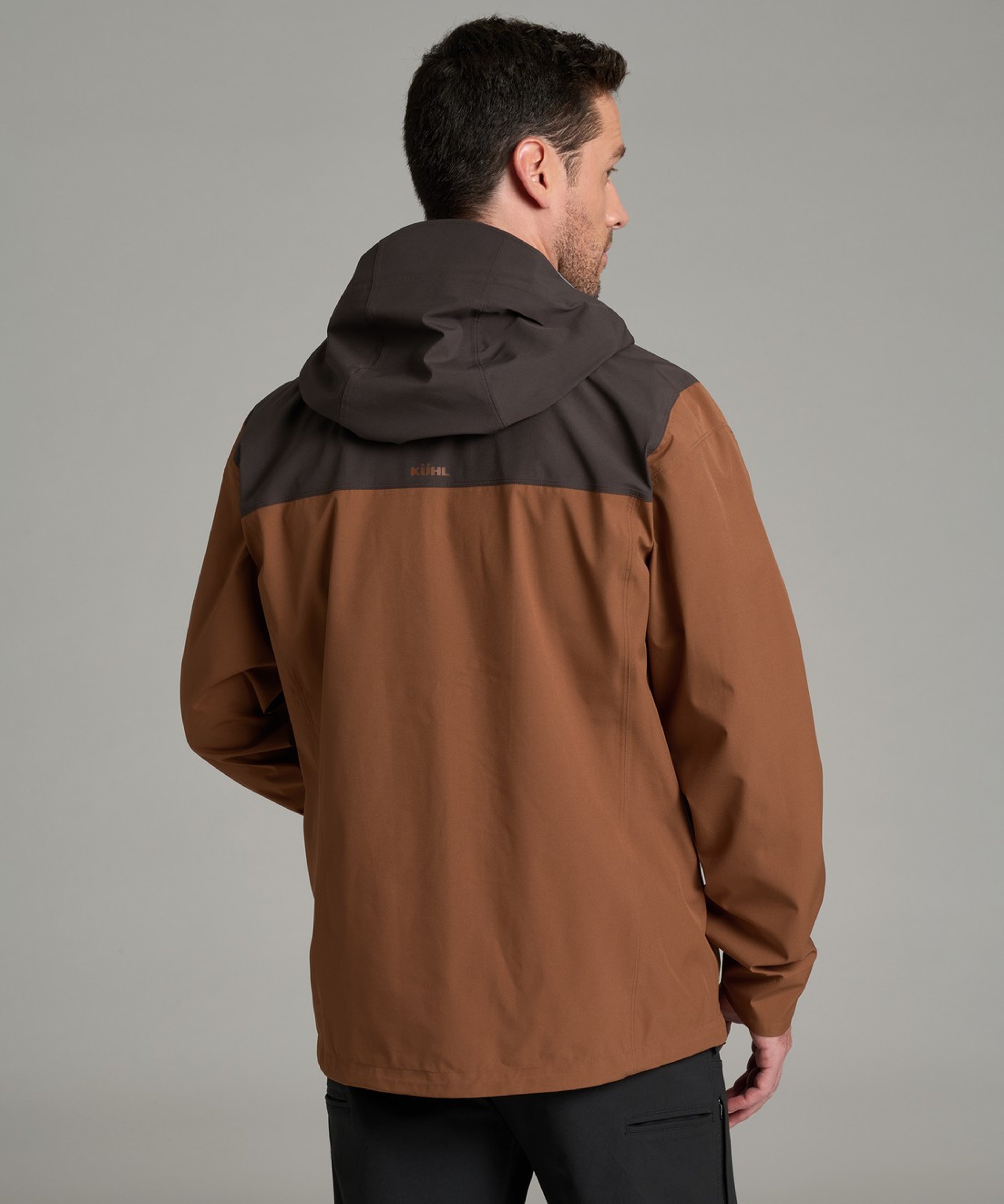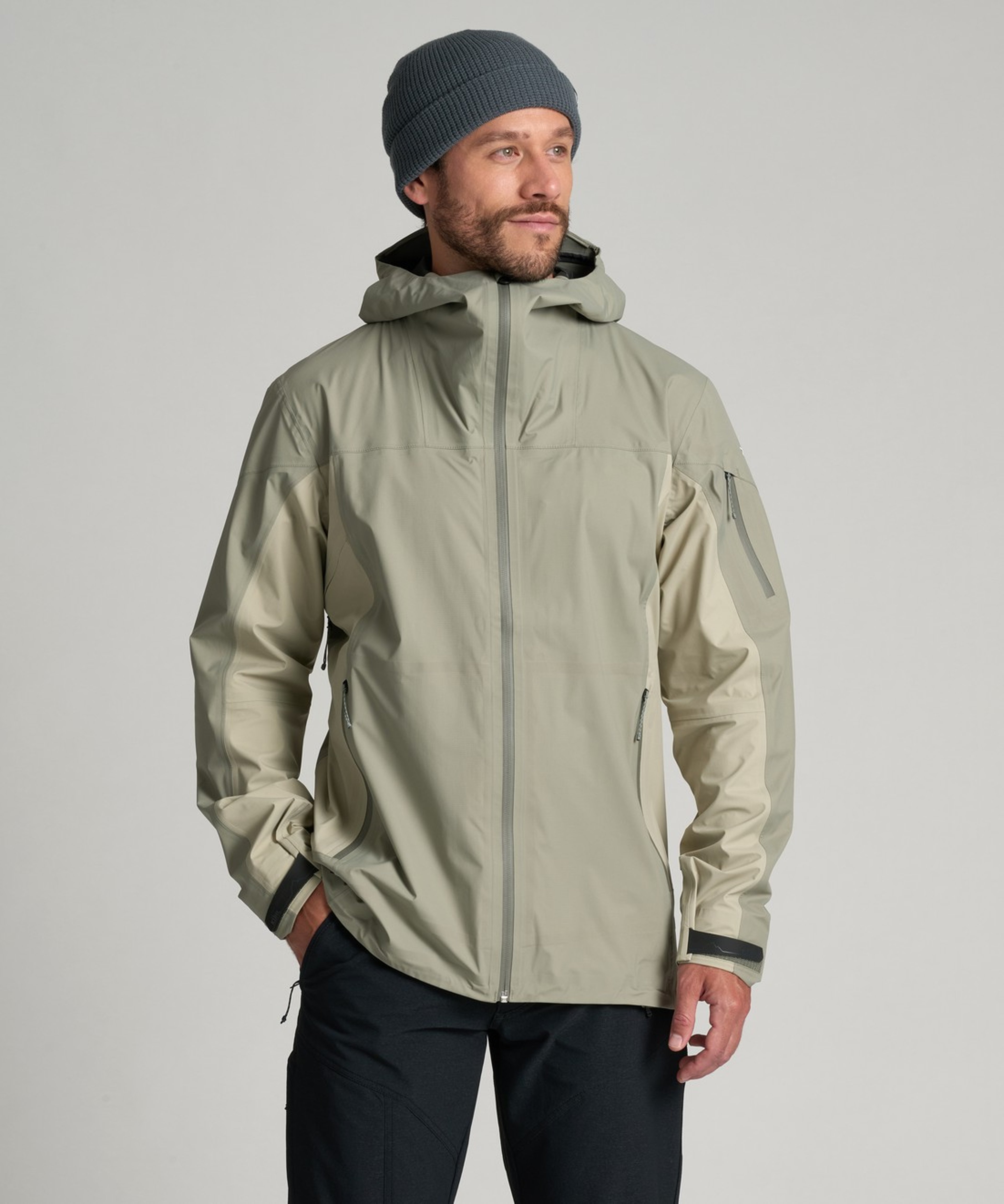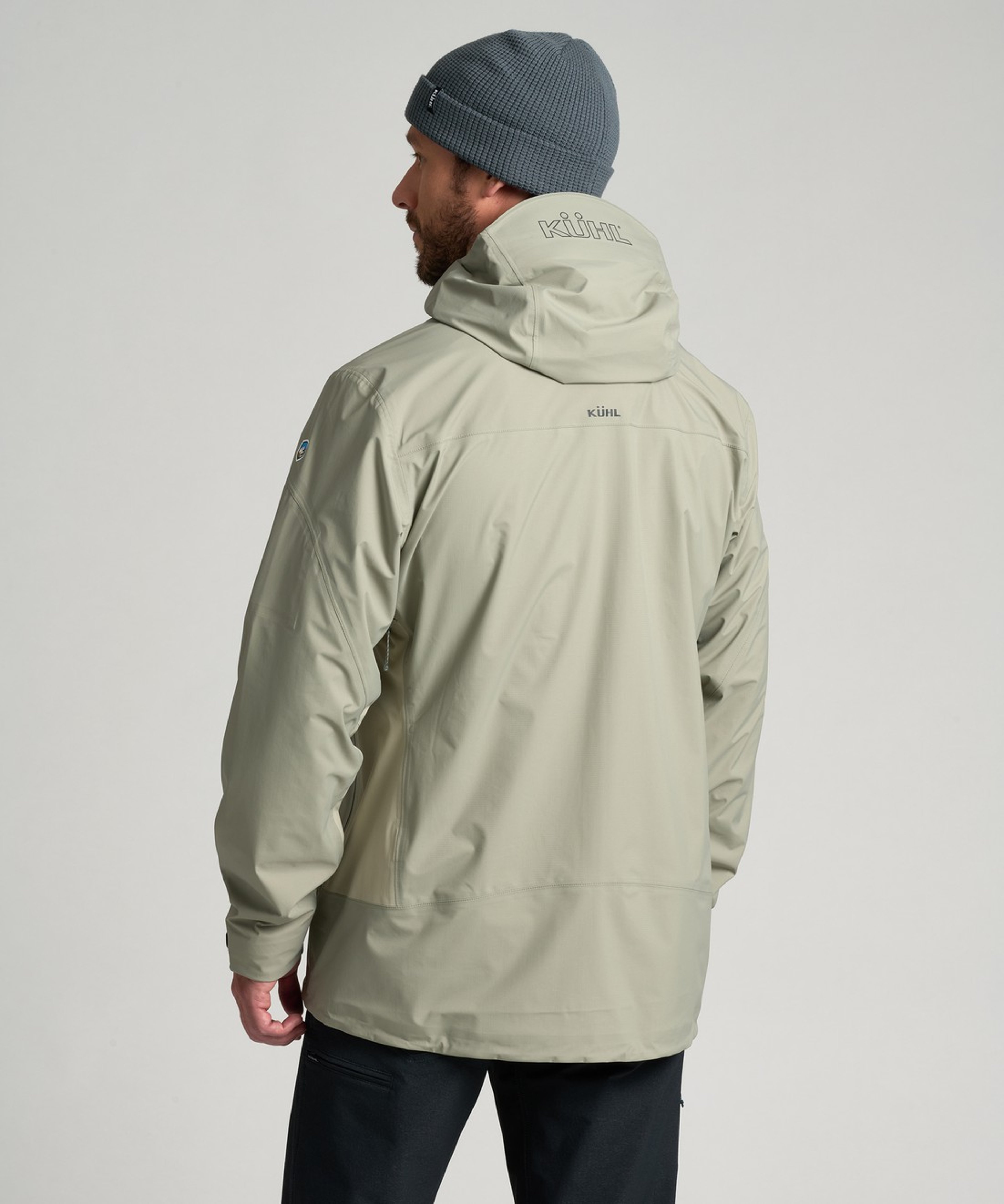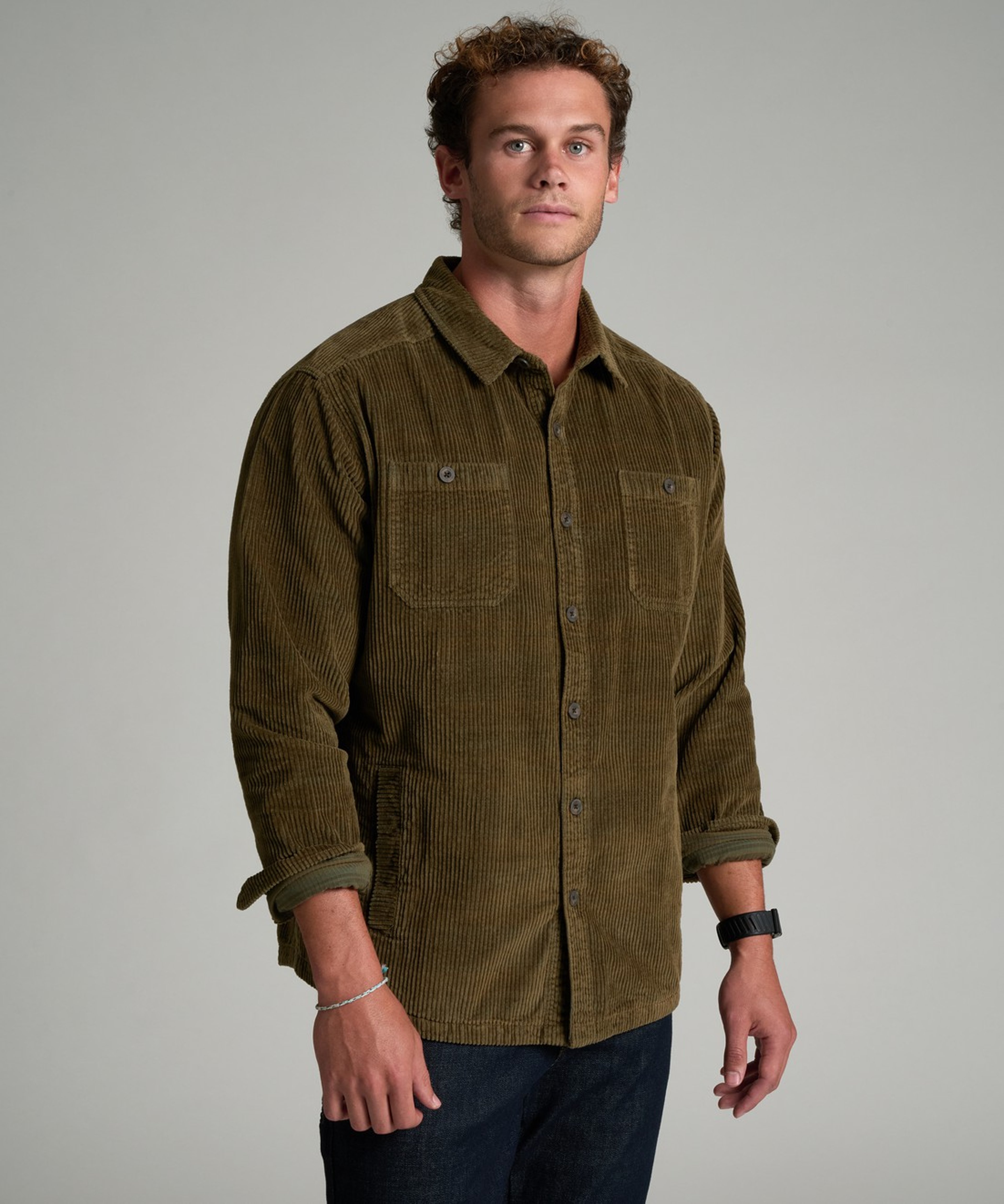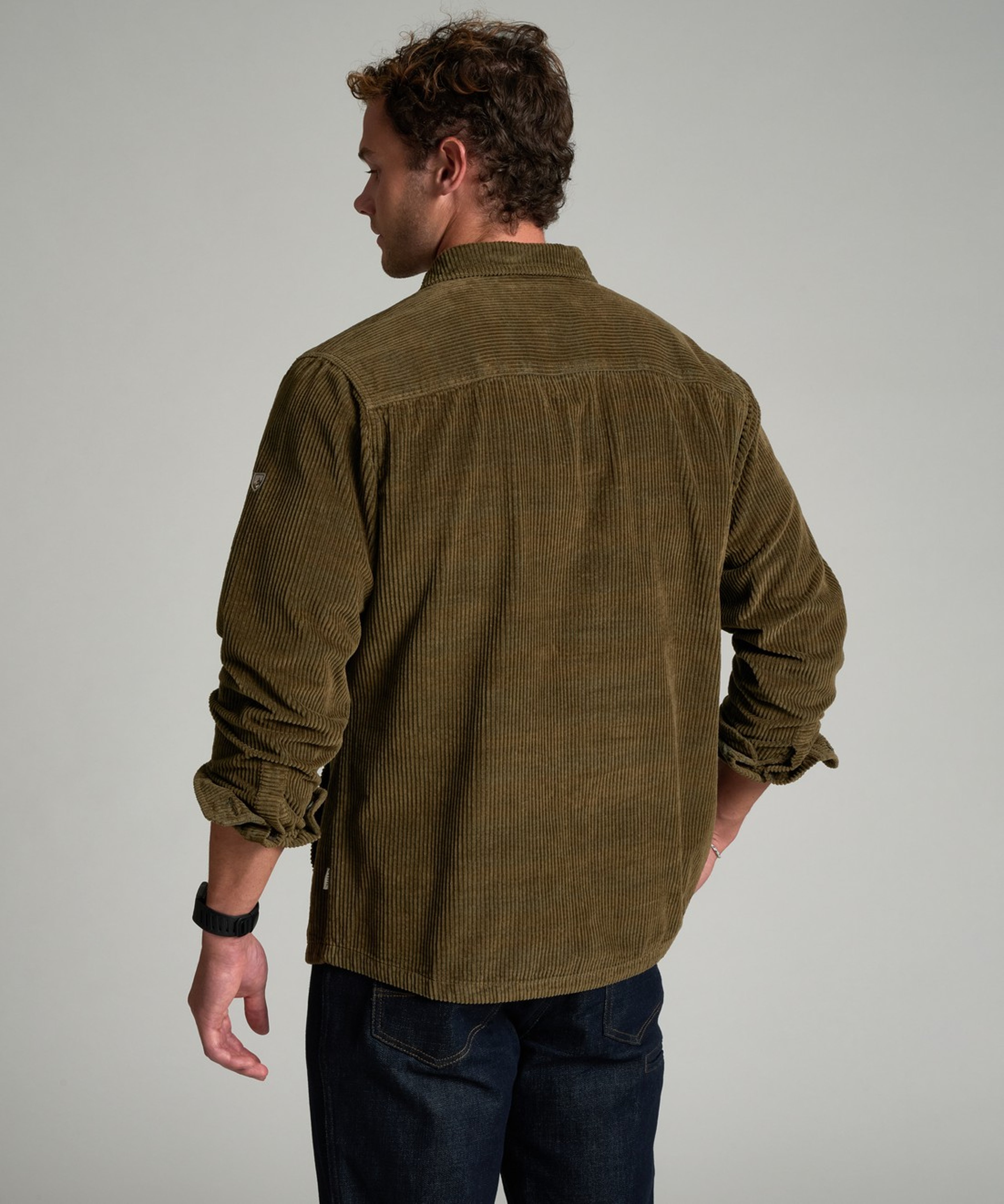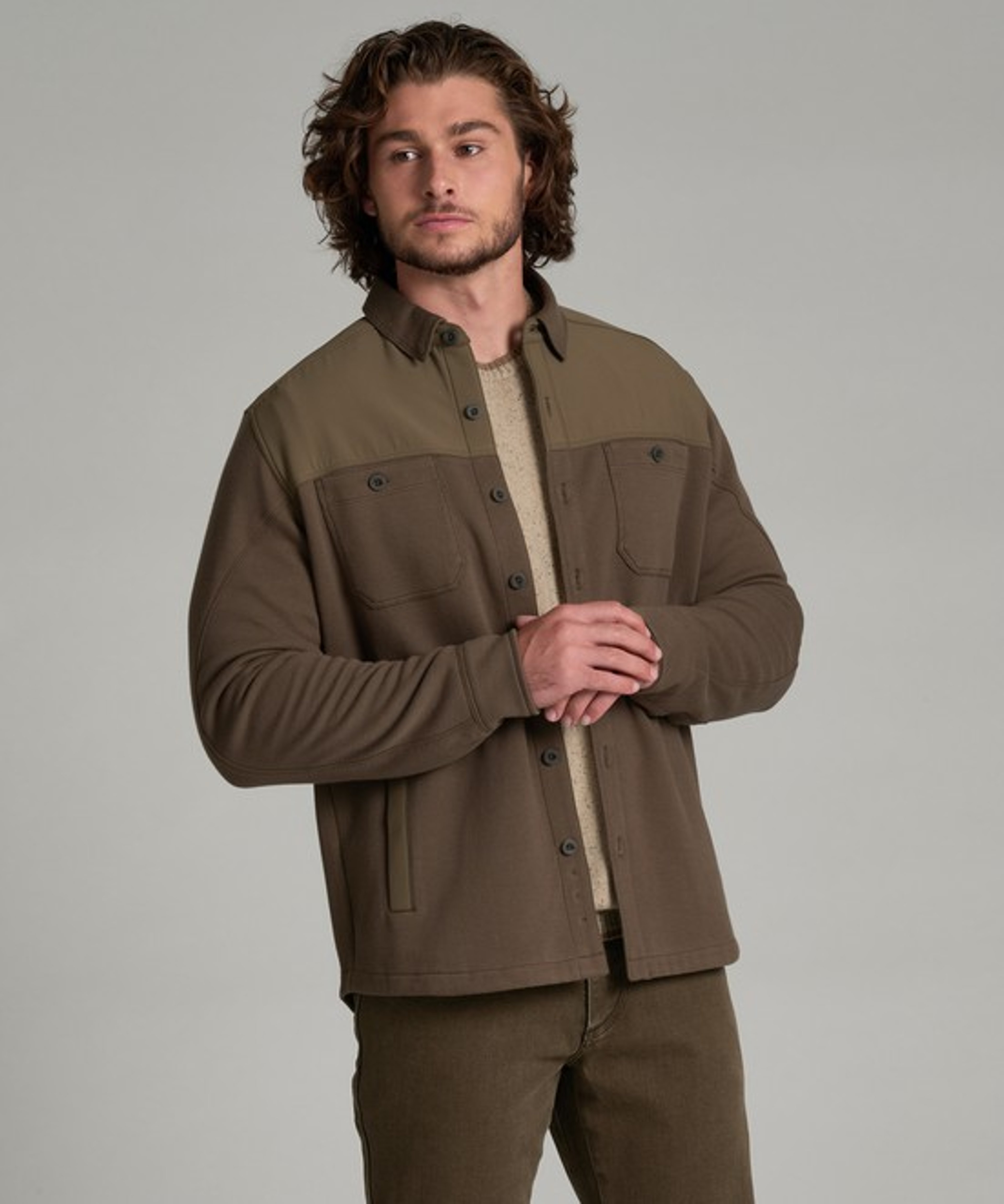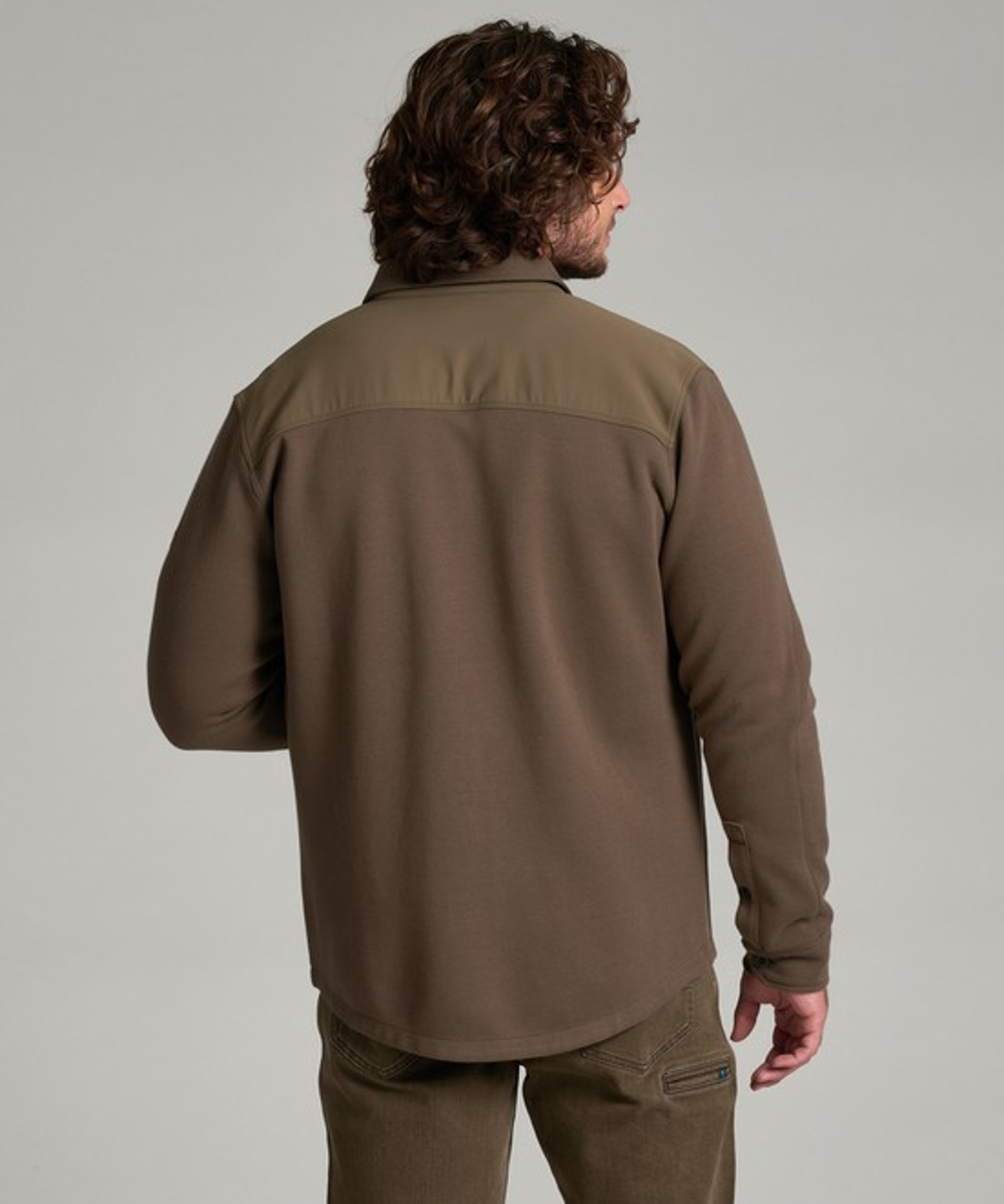




STYLE
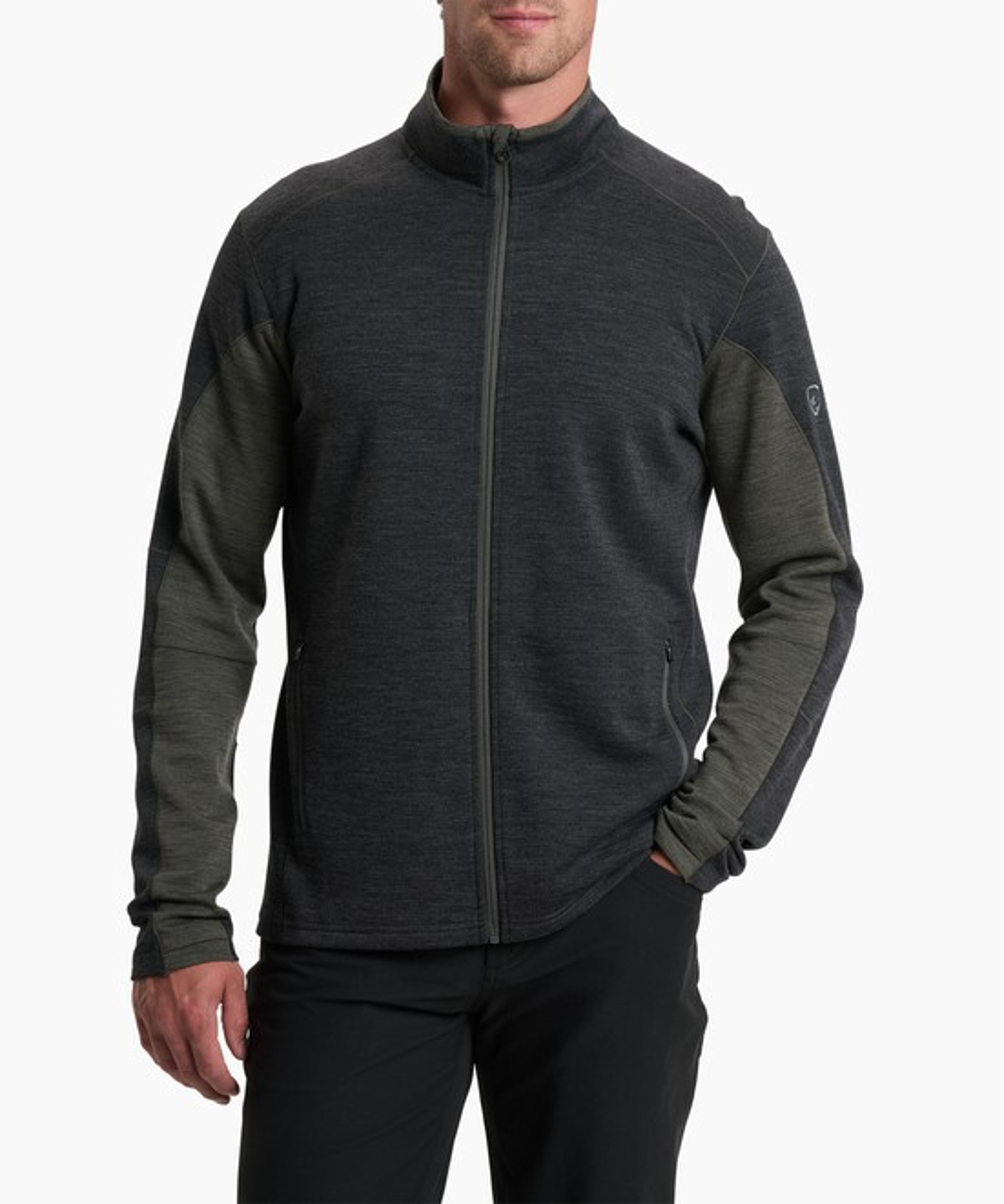
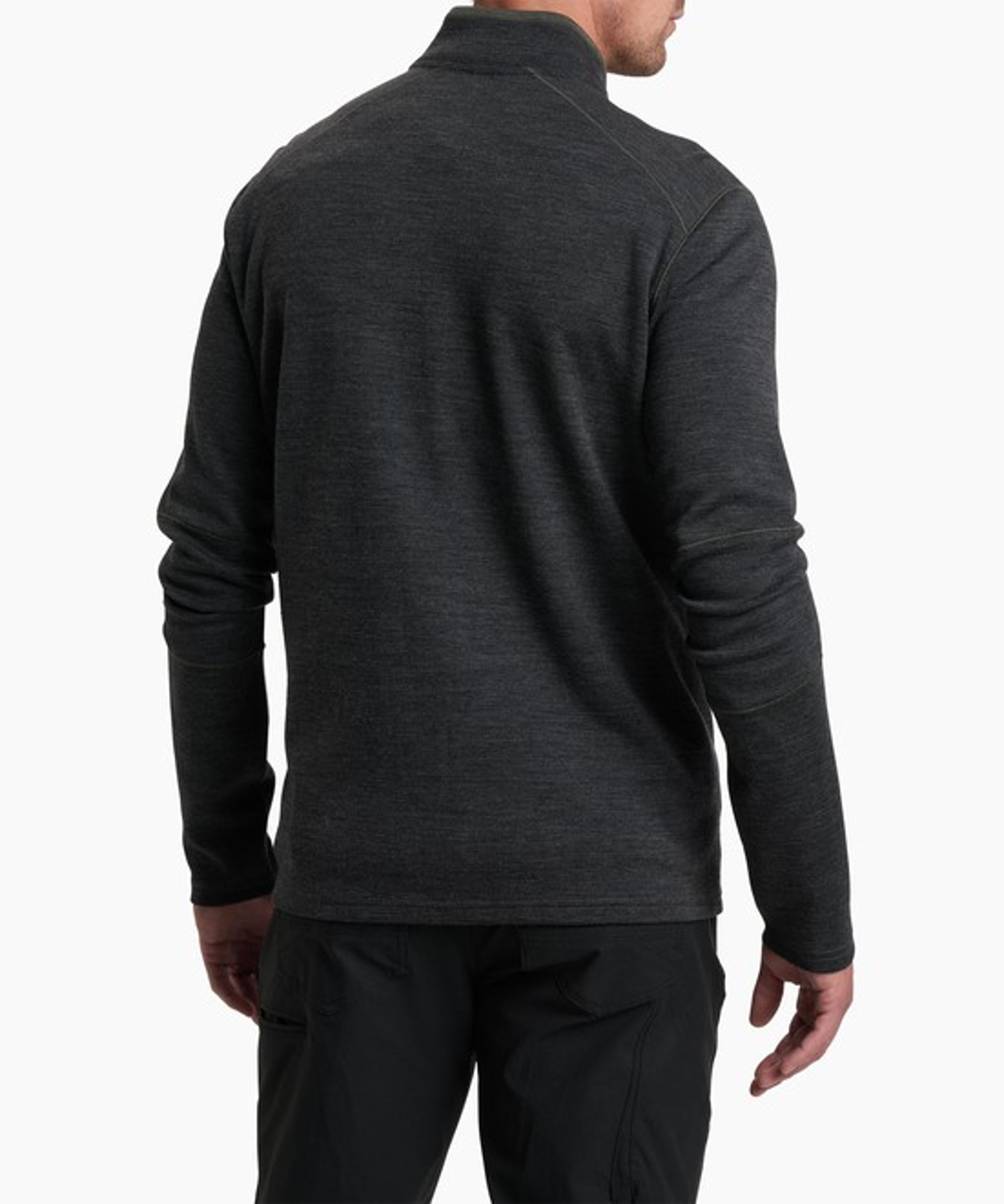
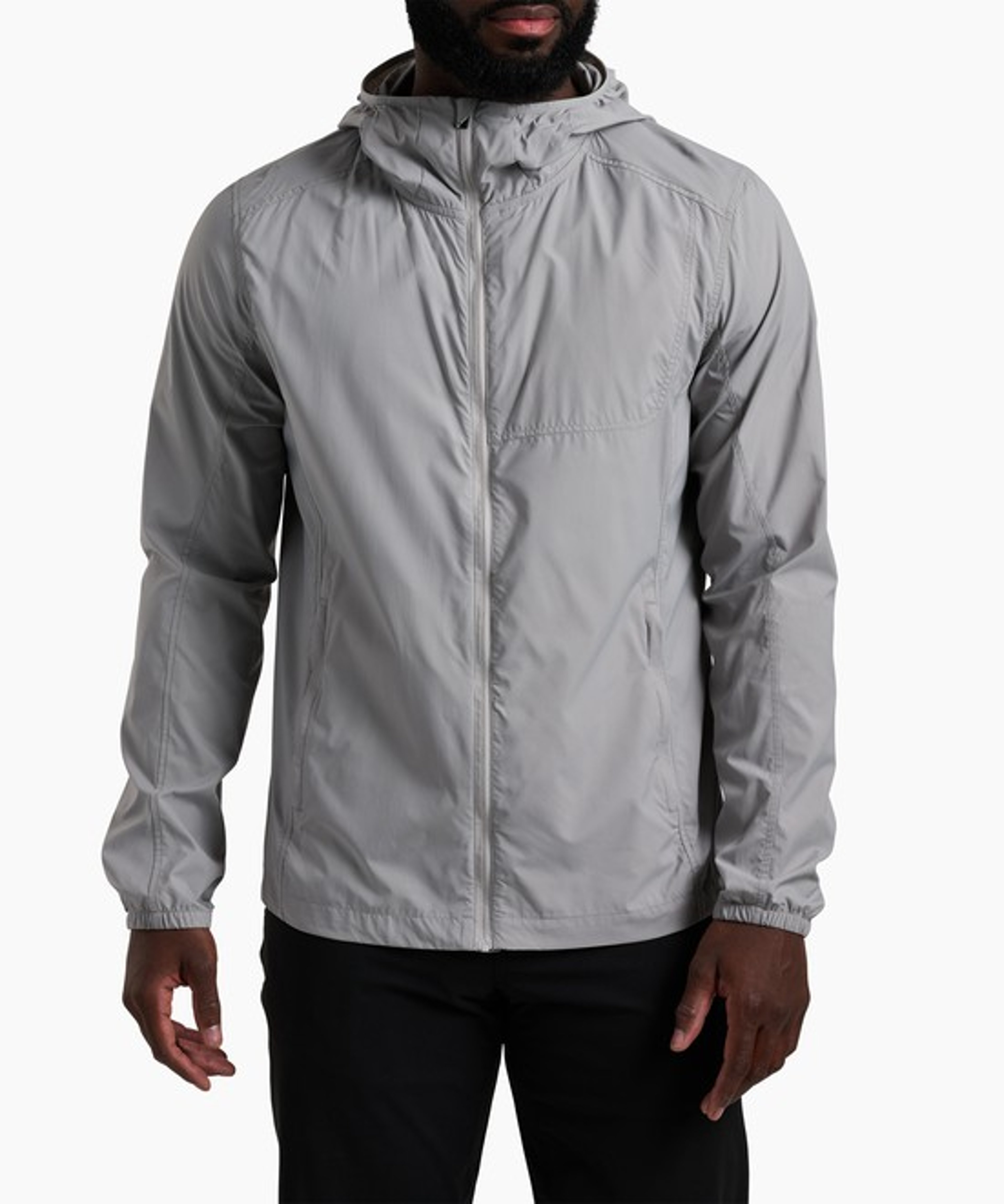
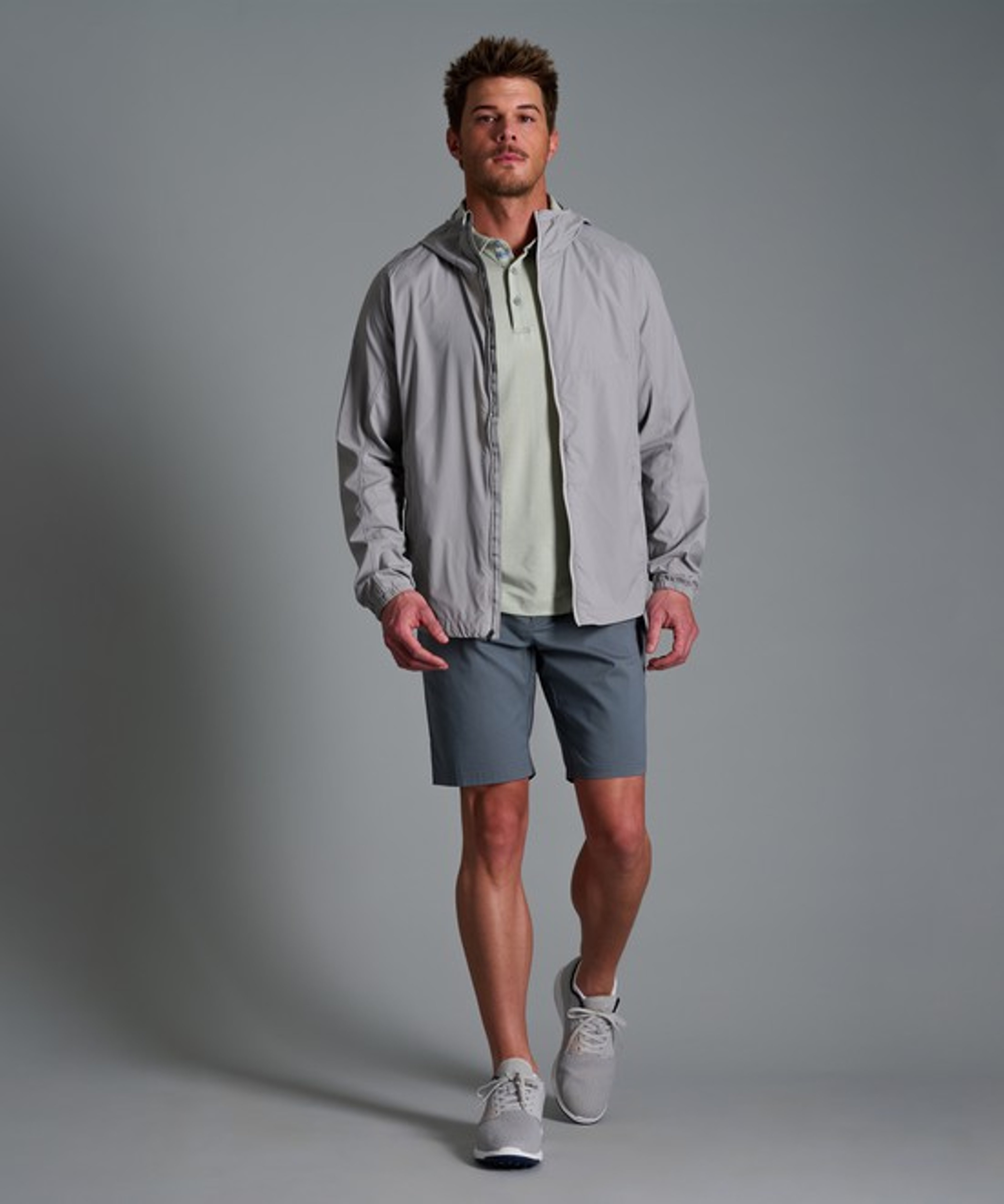
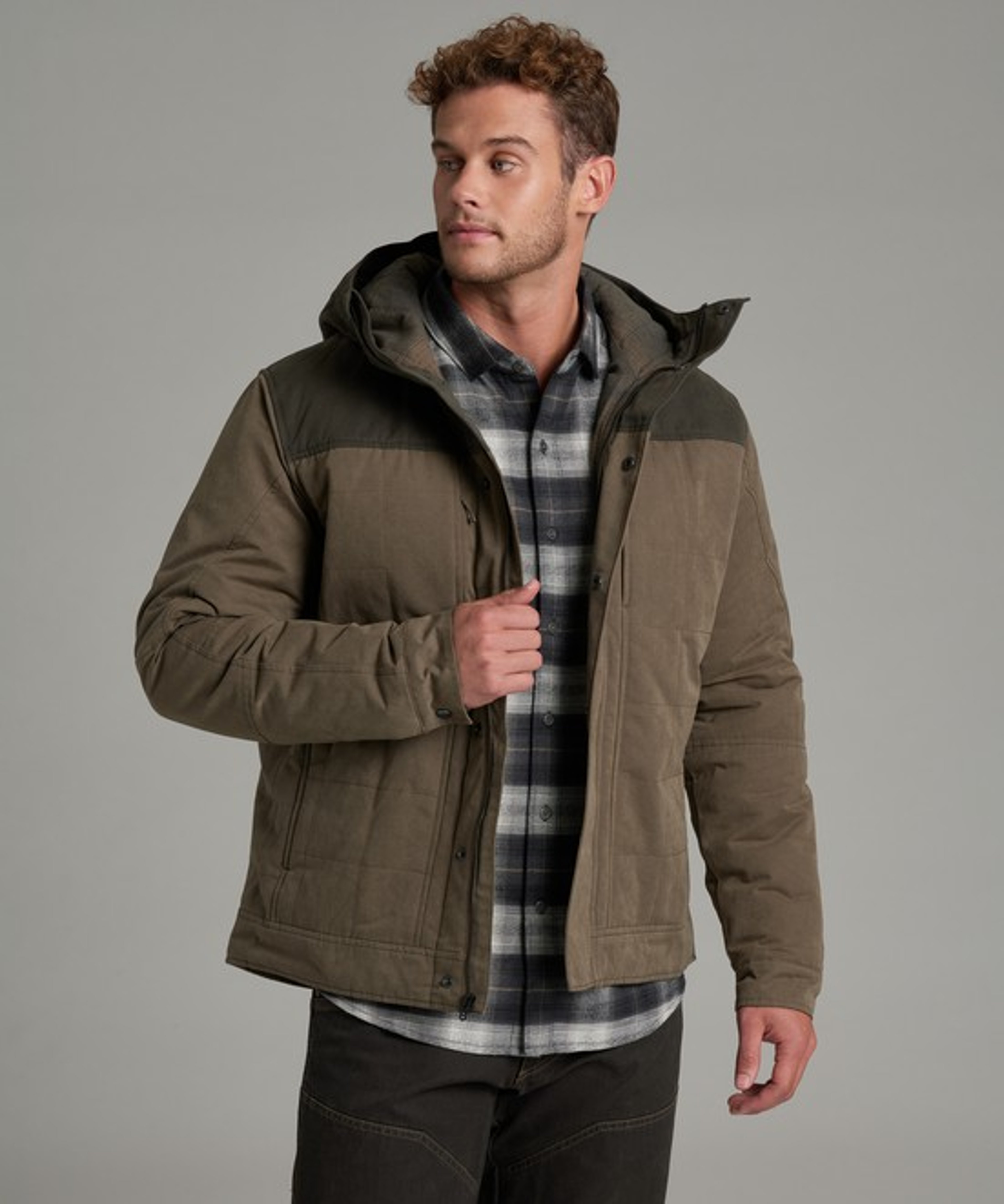
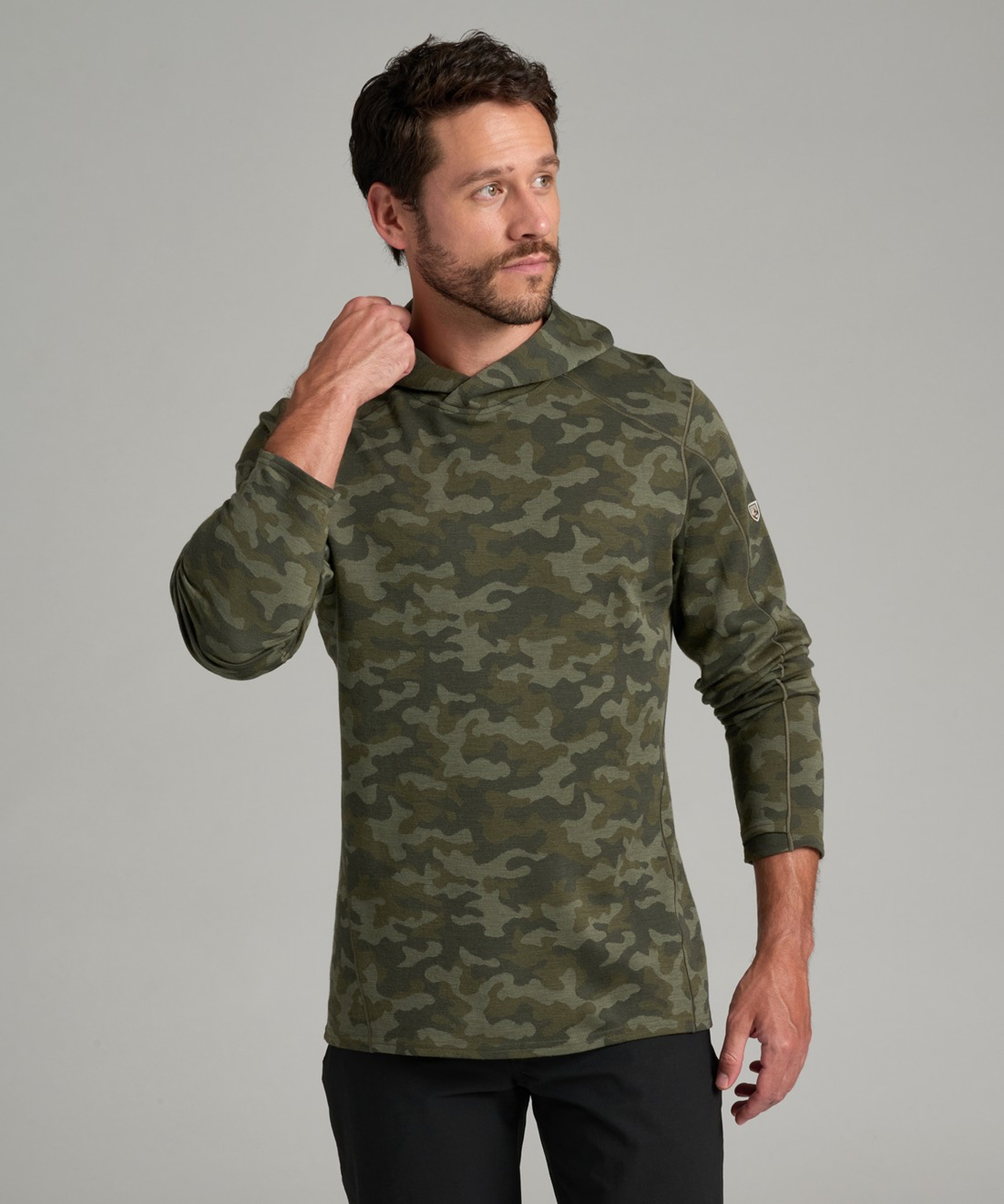
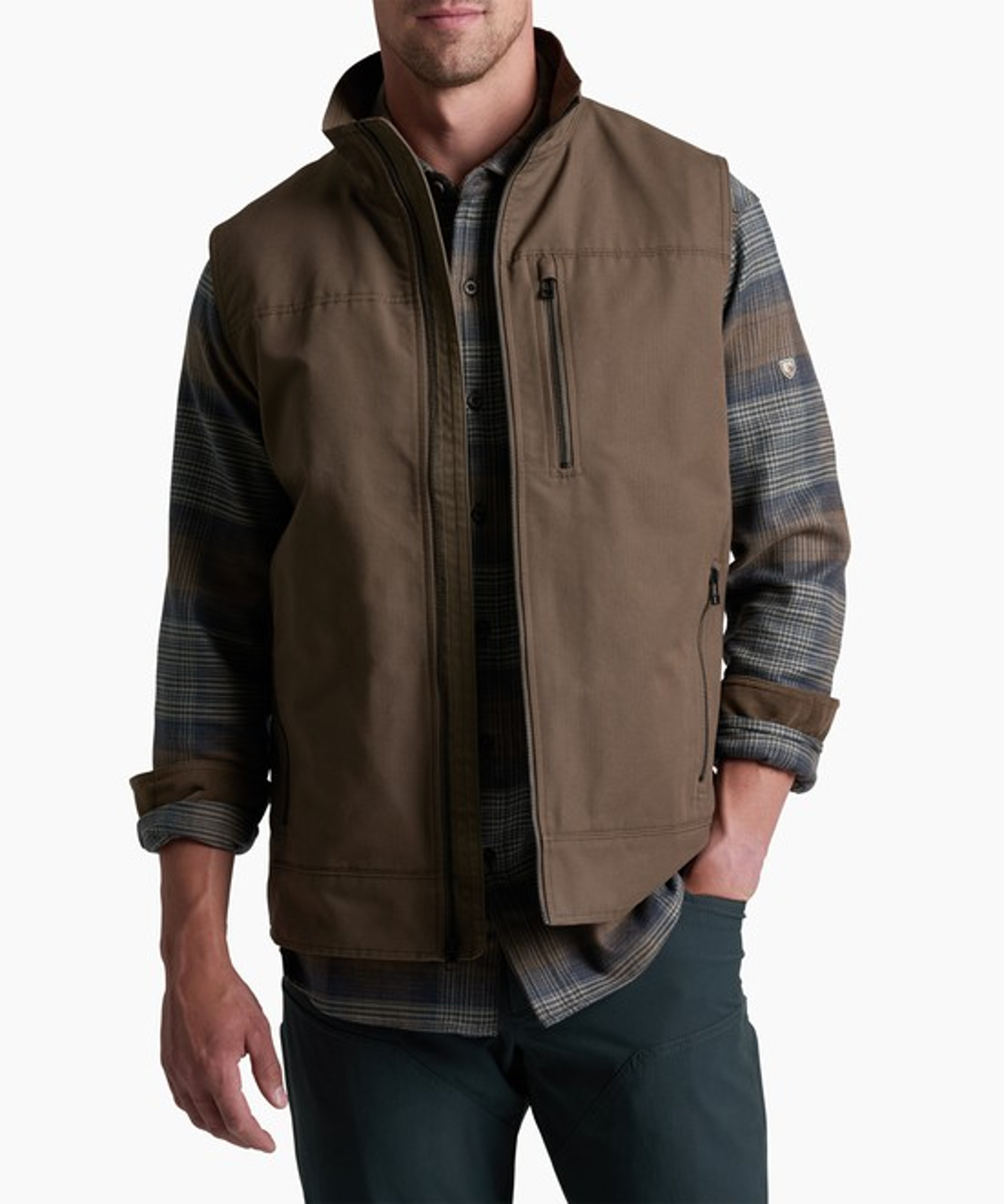
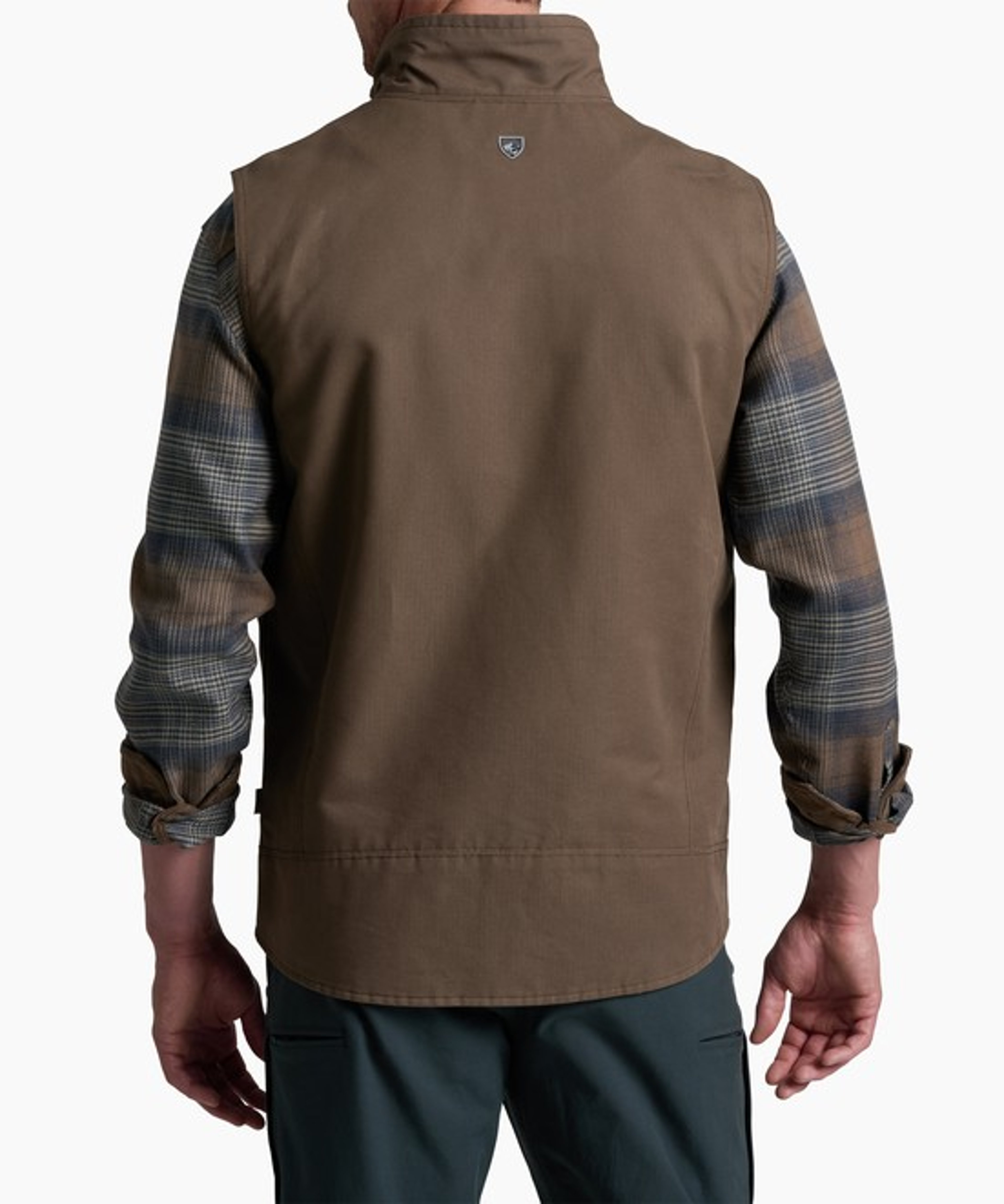
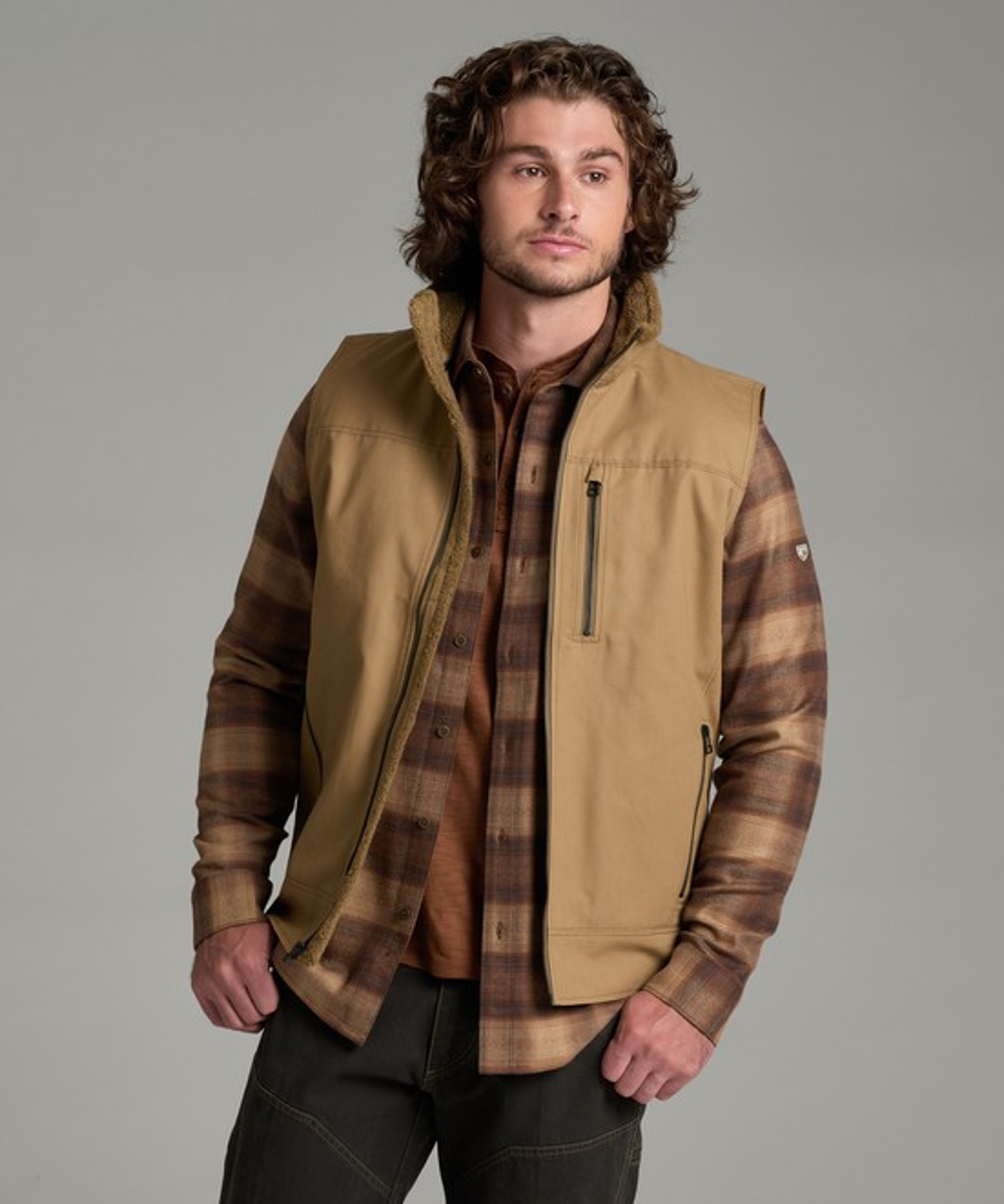
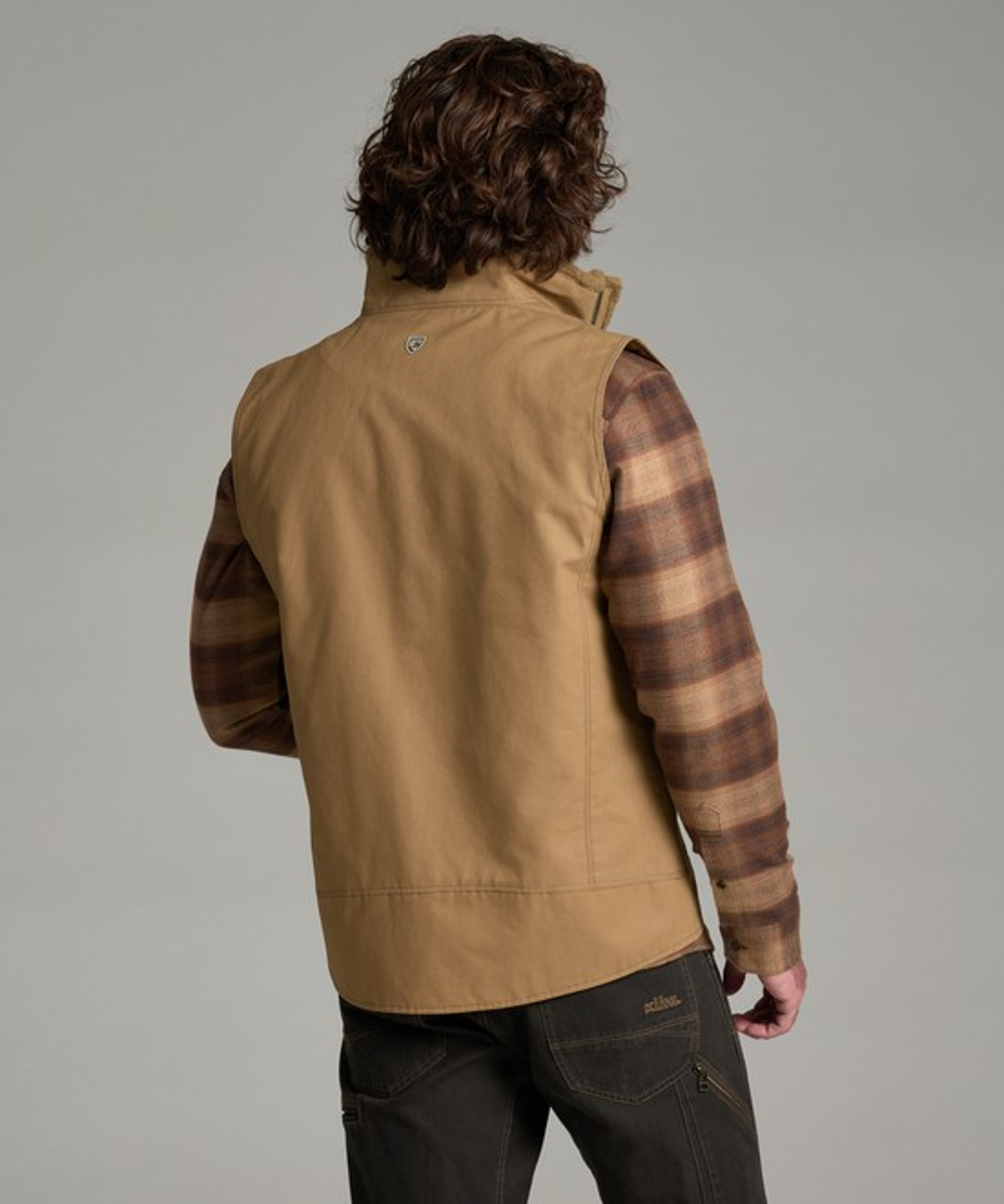
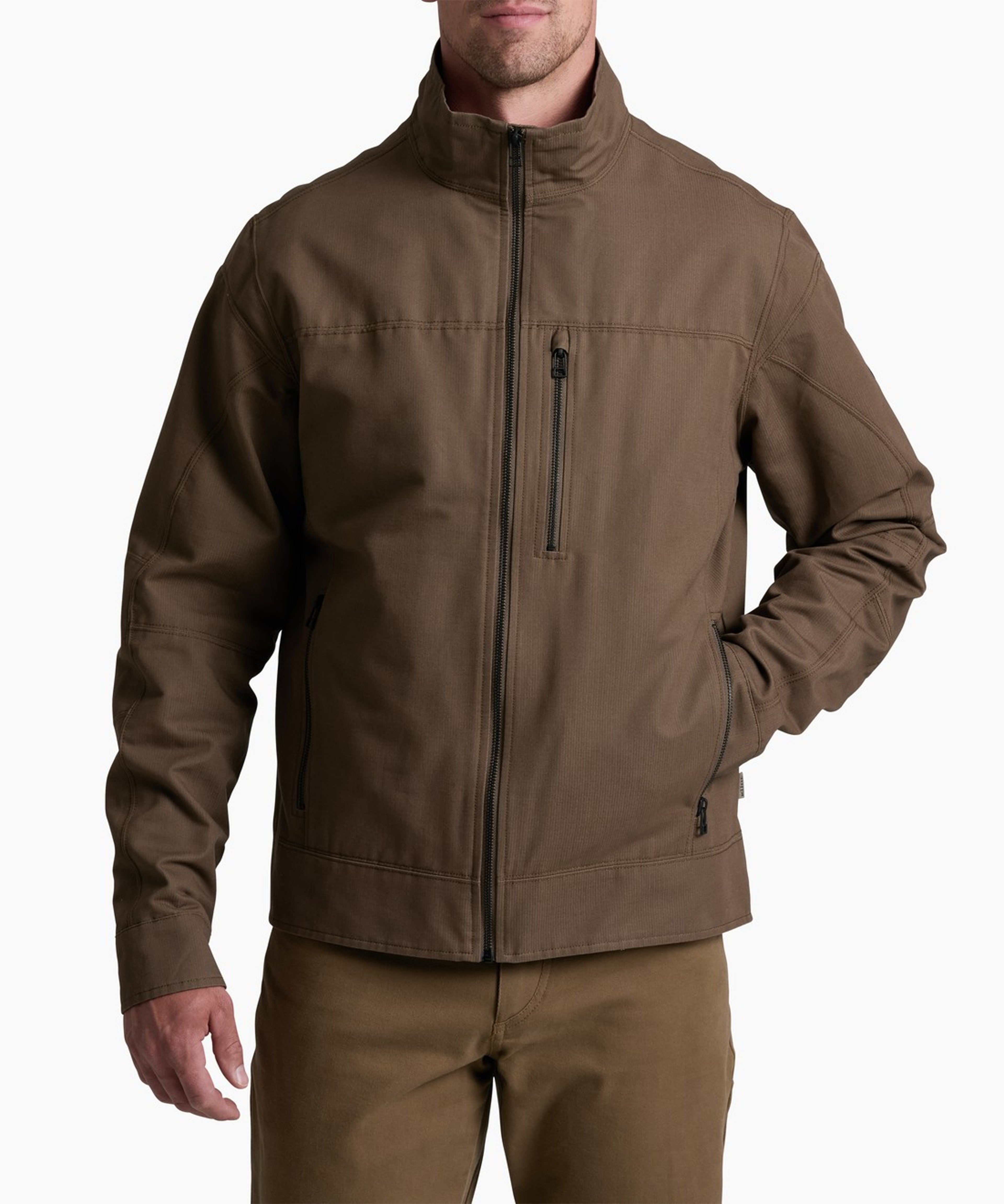
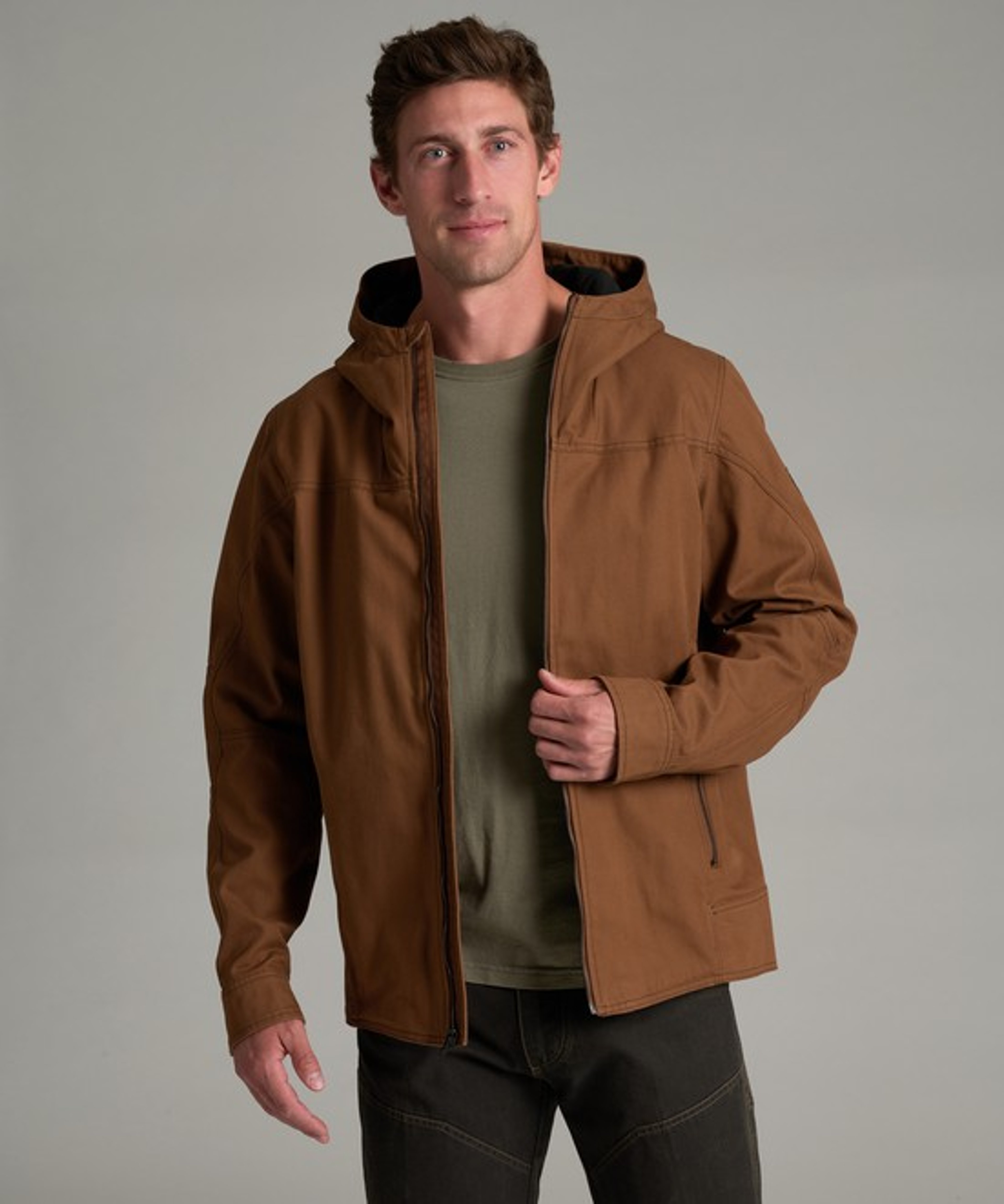
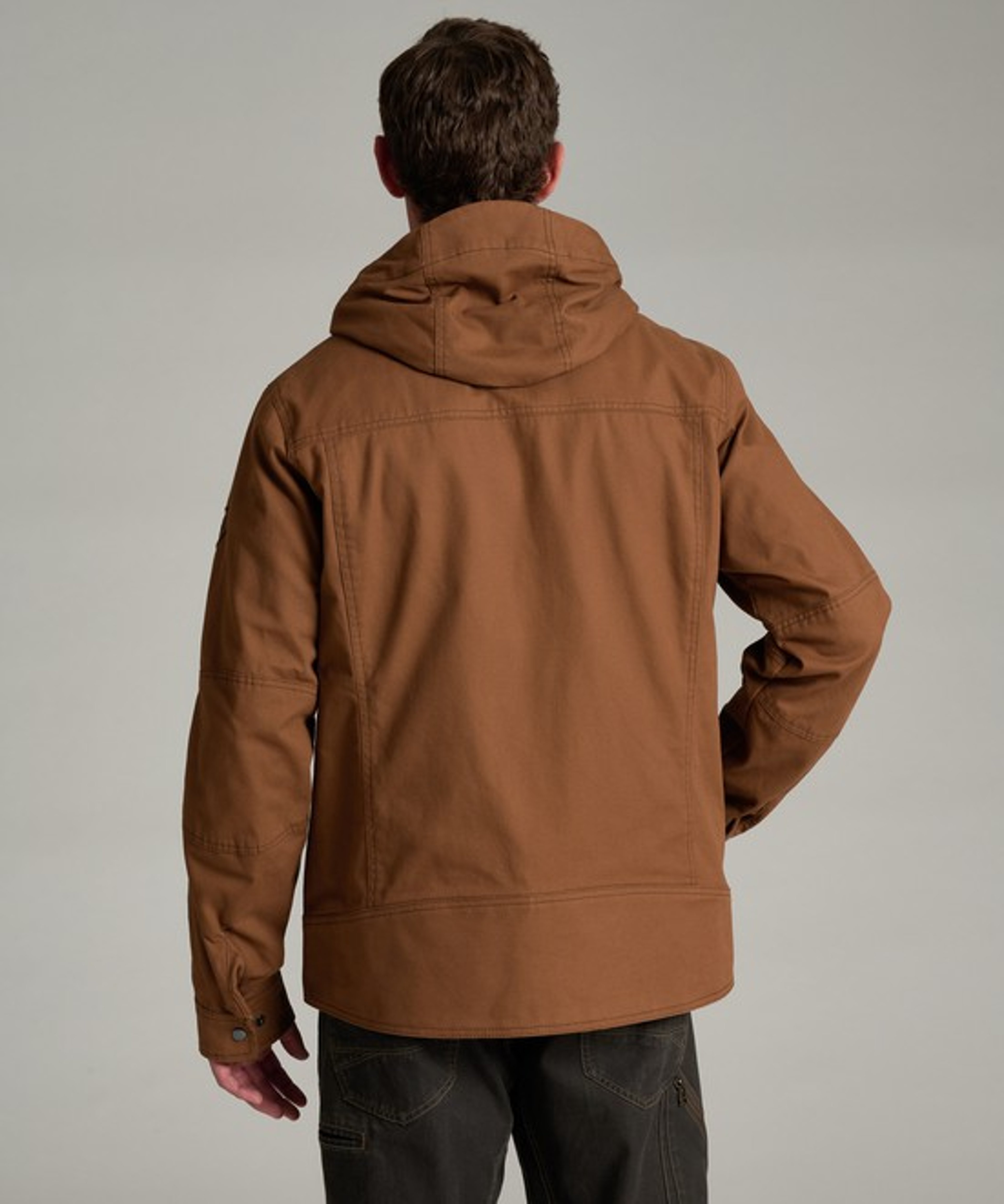
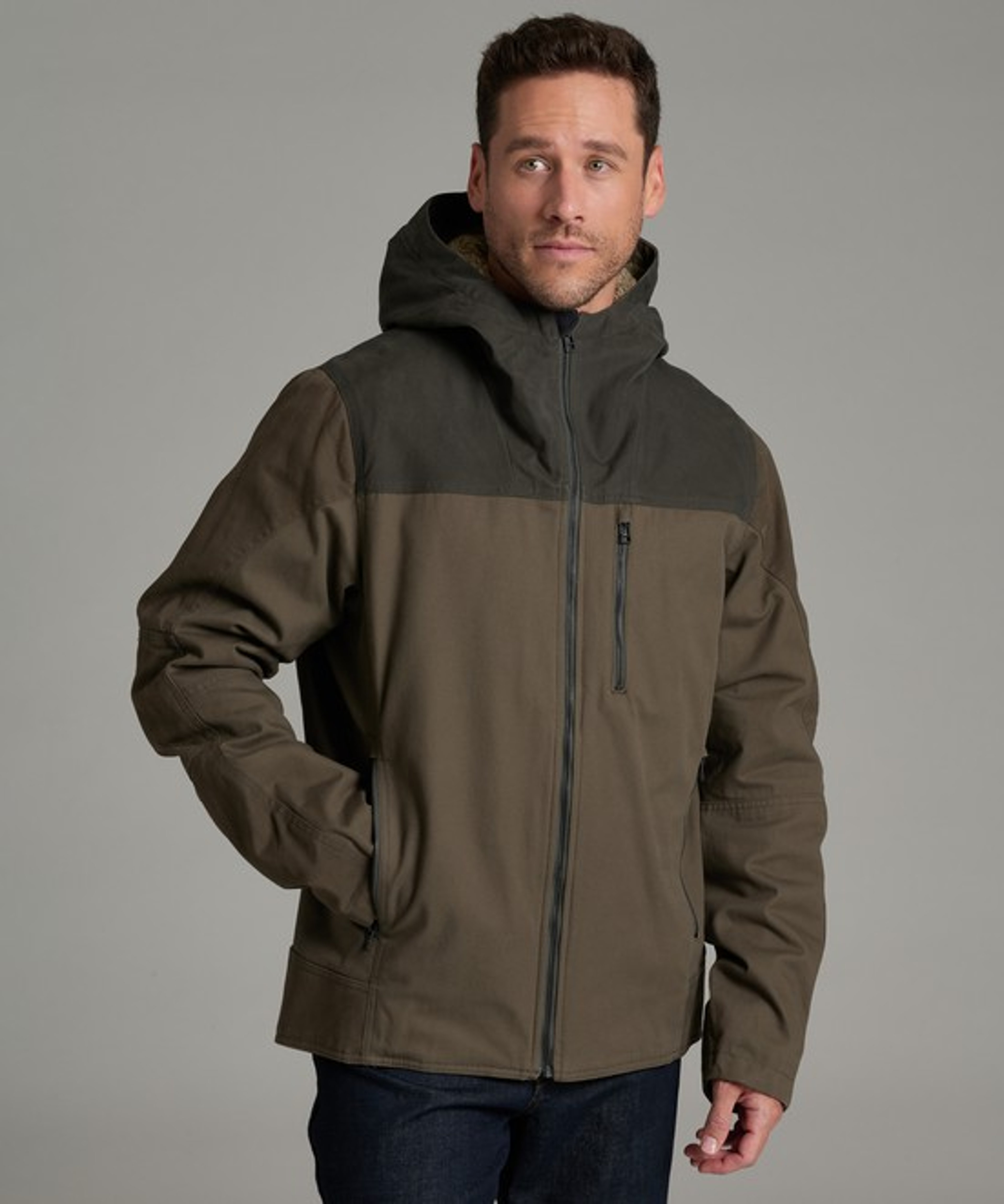
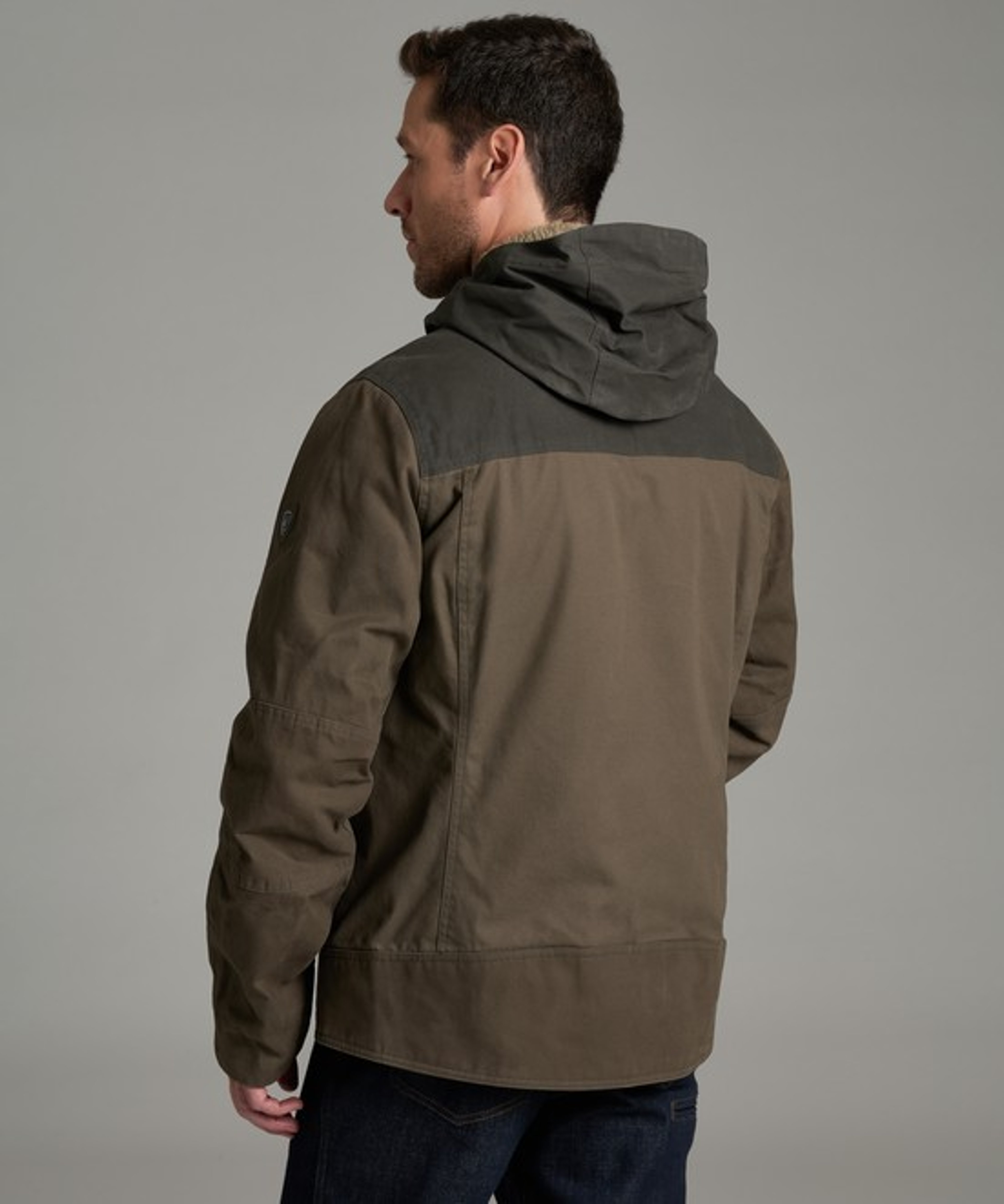
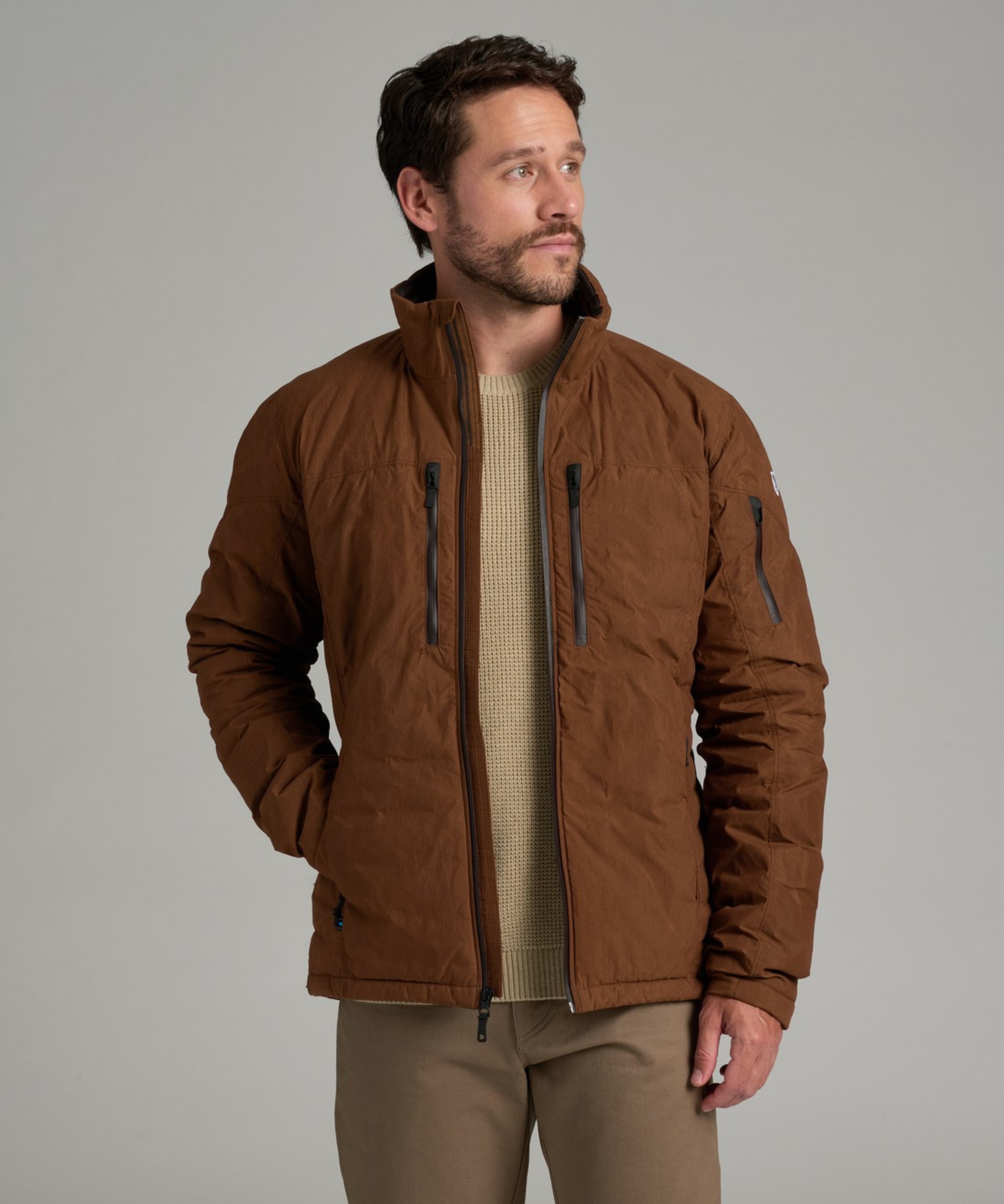
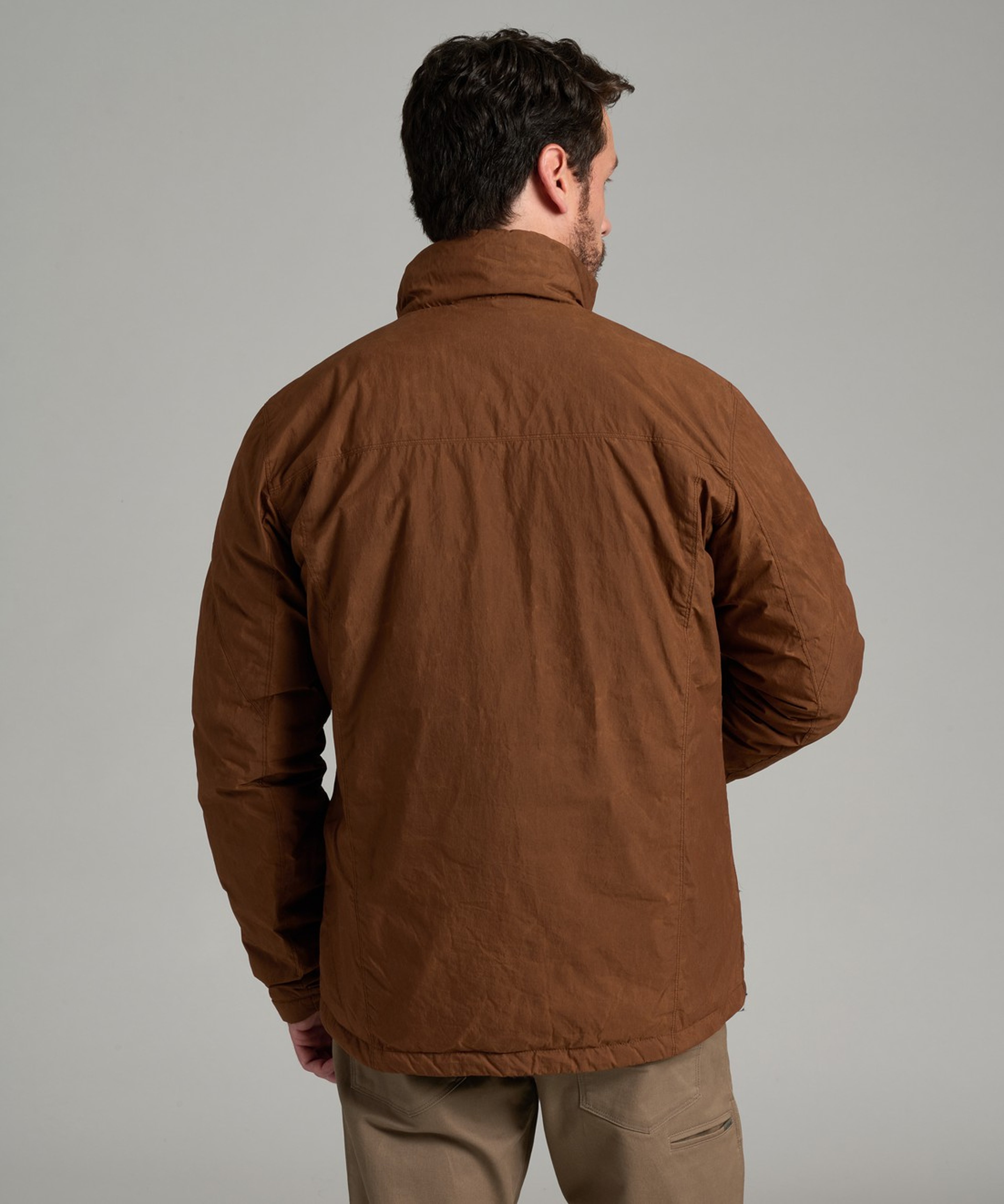
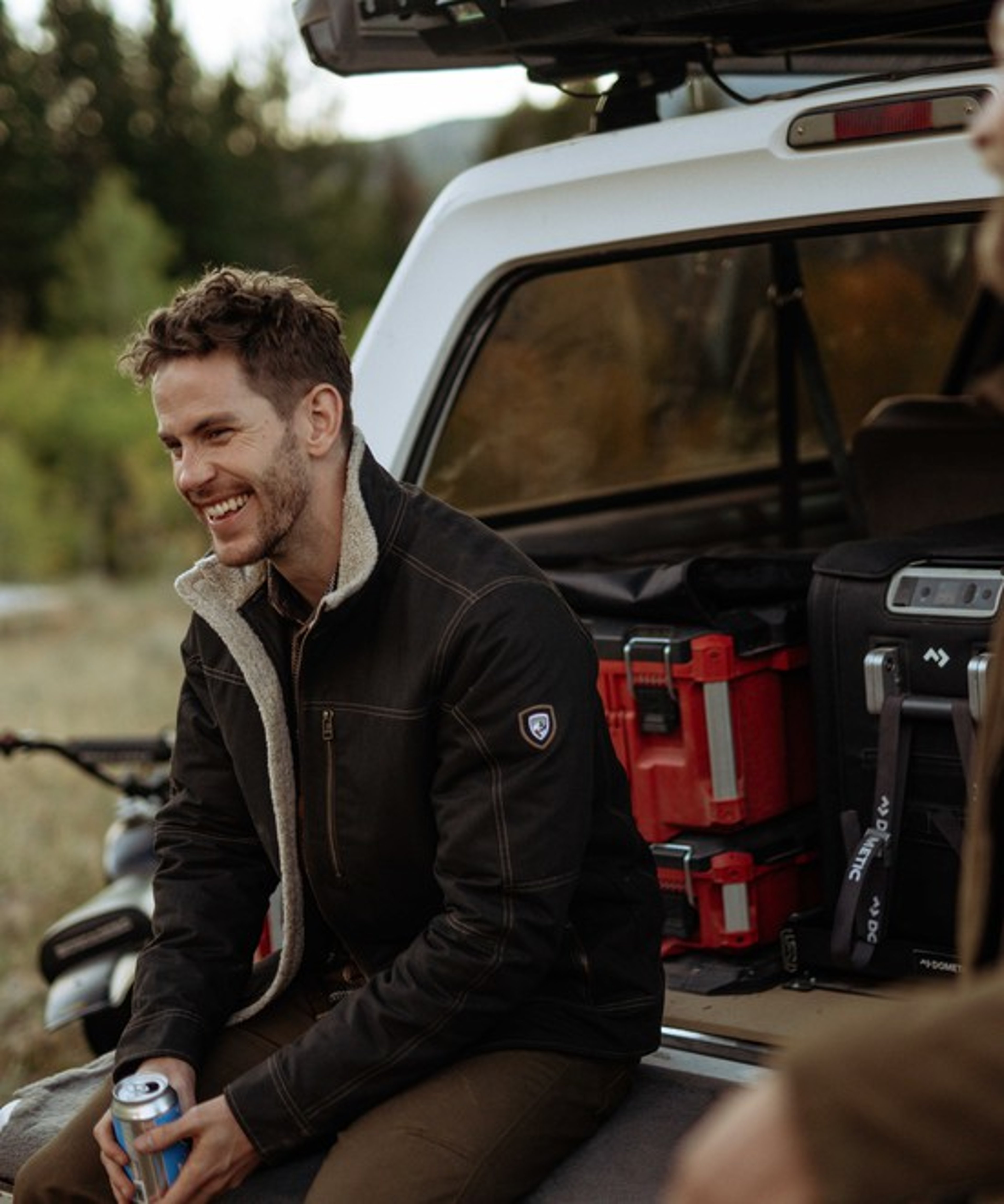
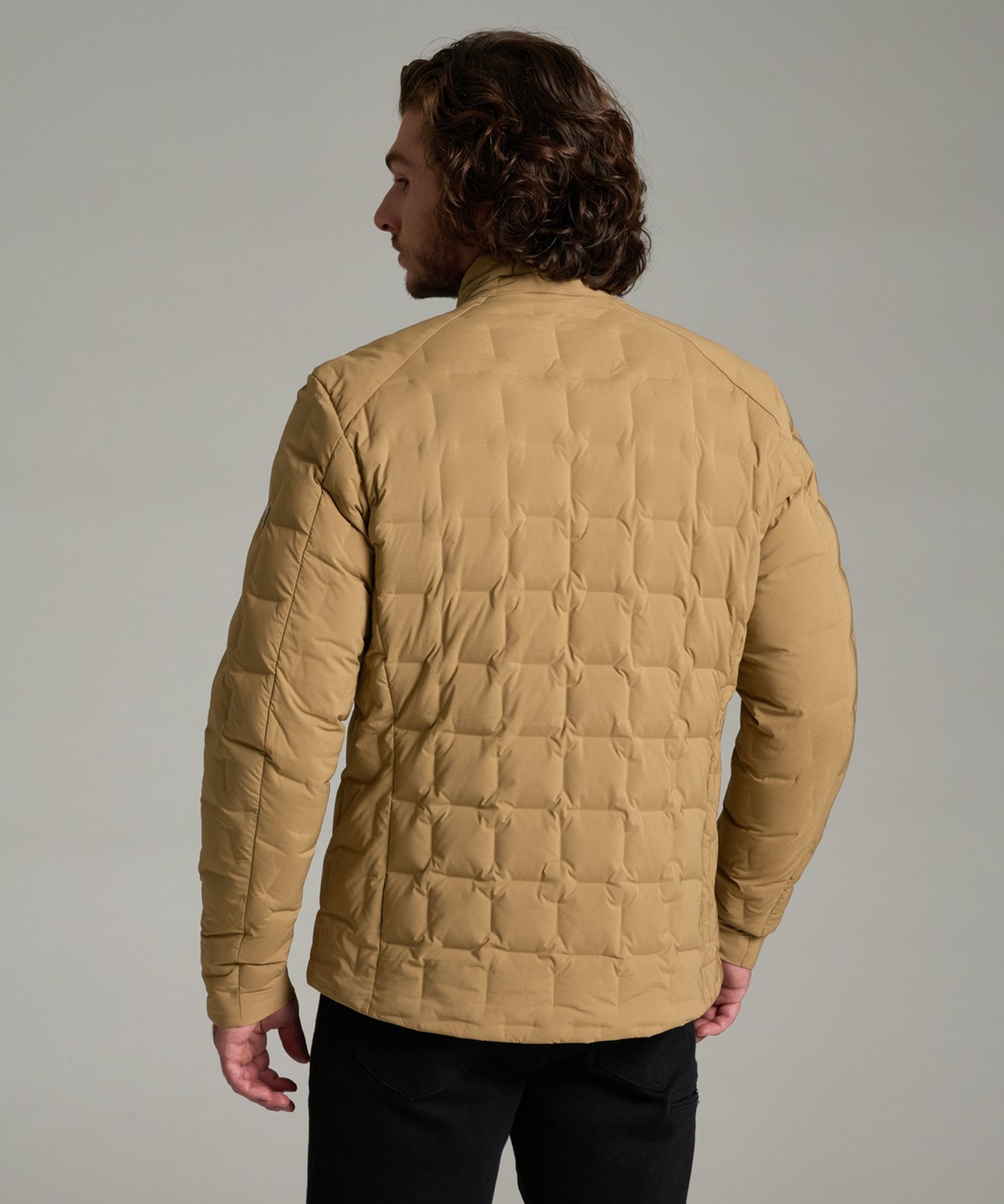
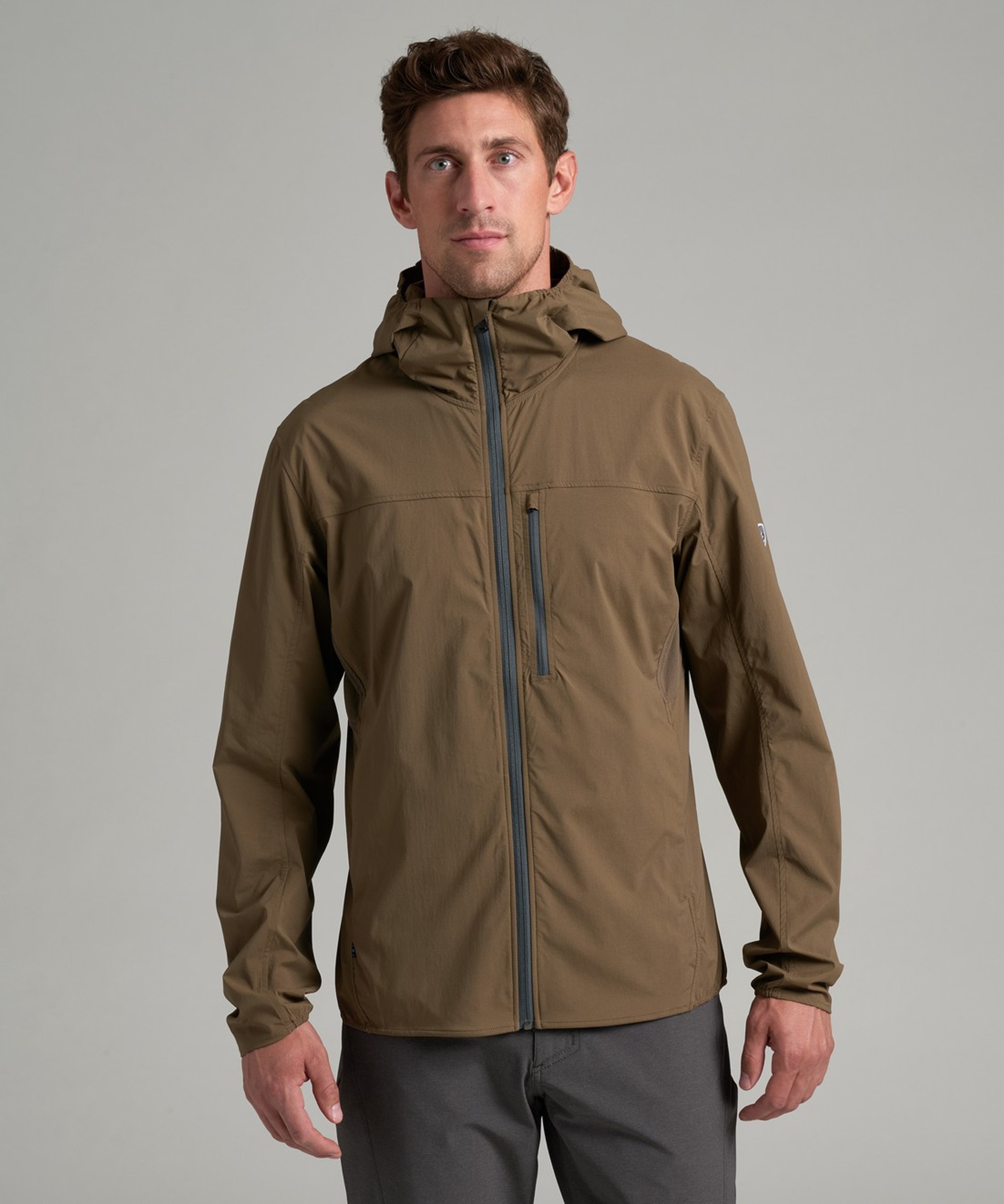
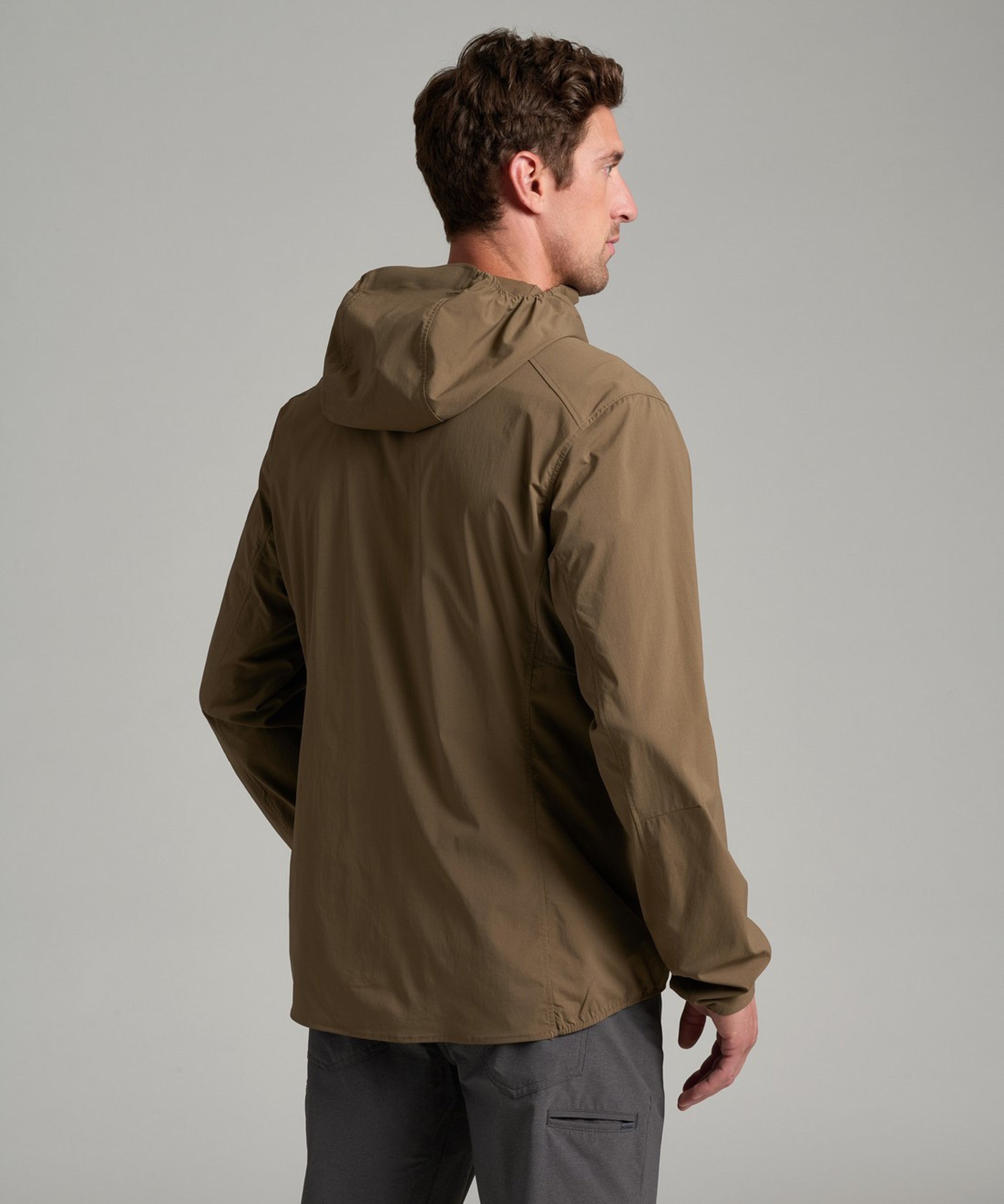
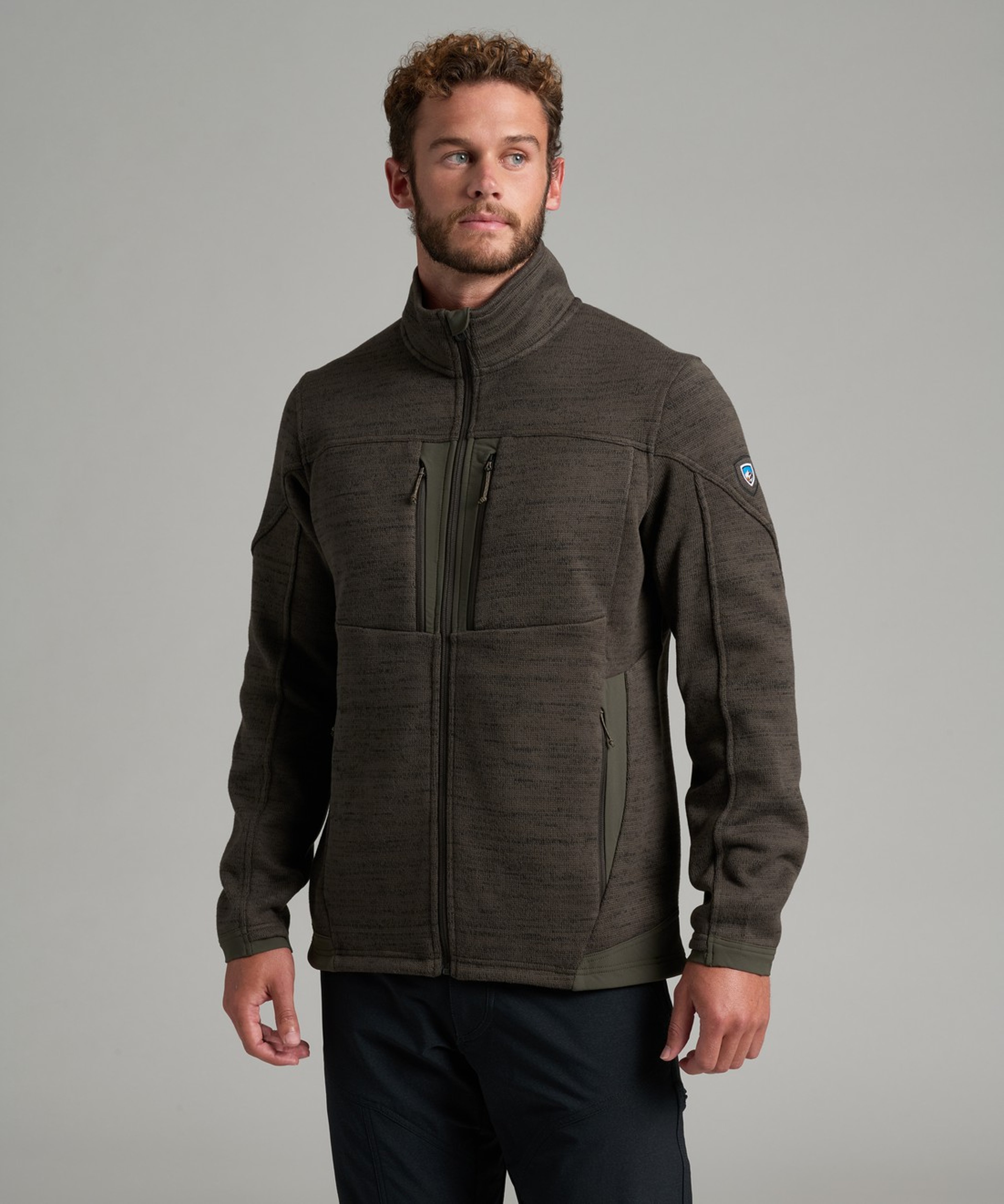
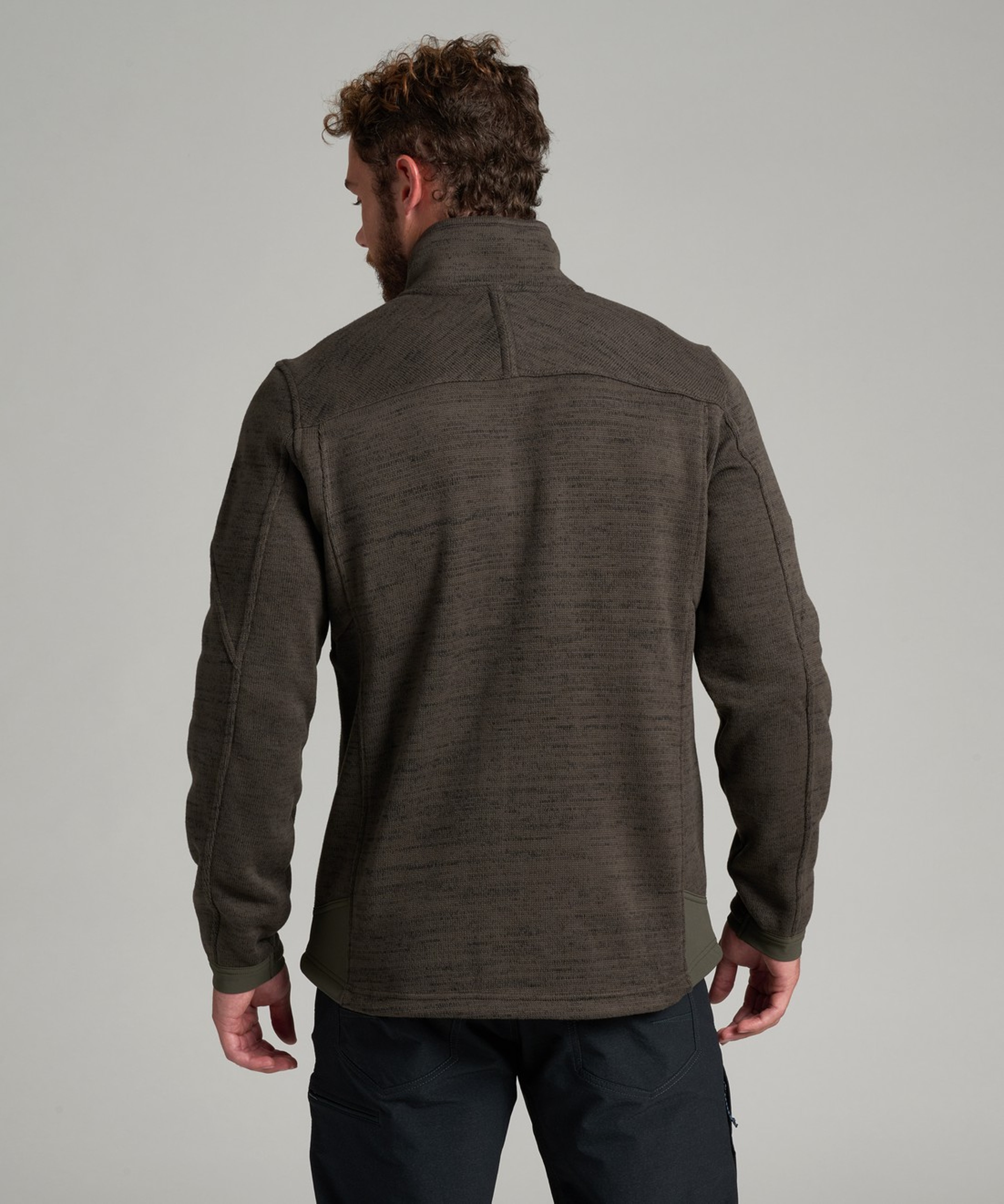
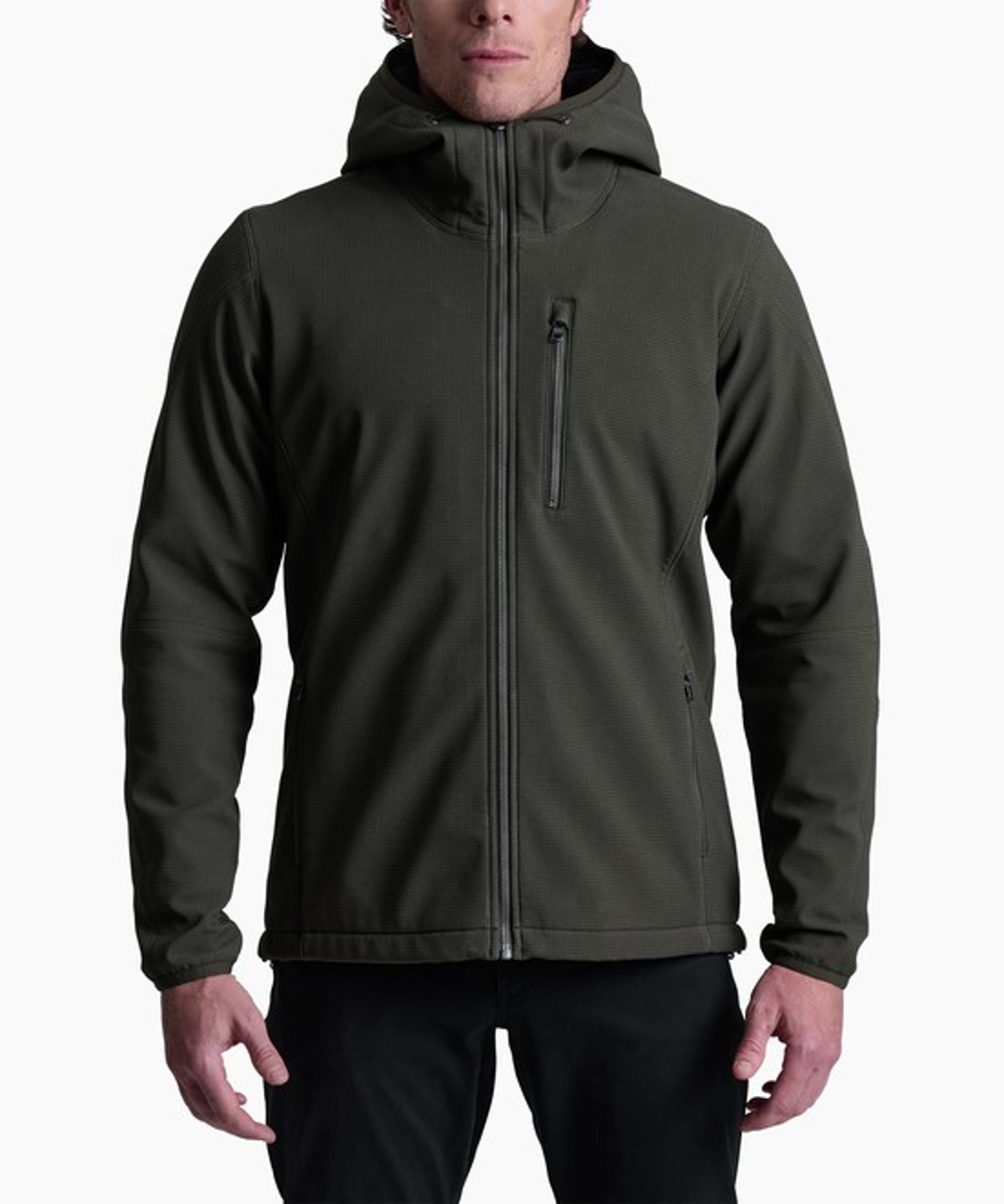
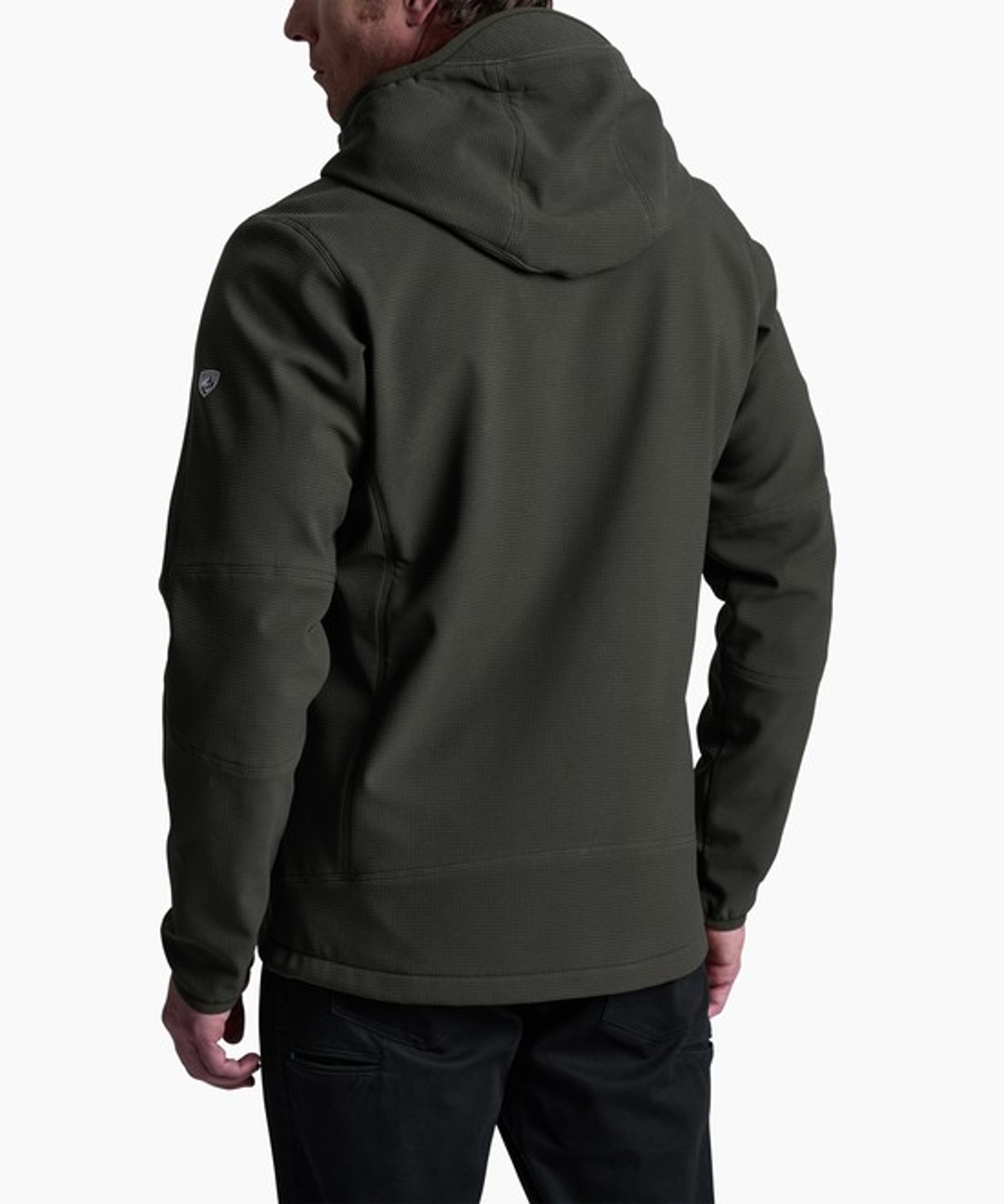
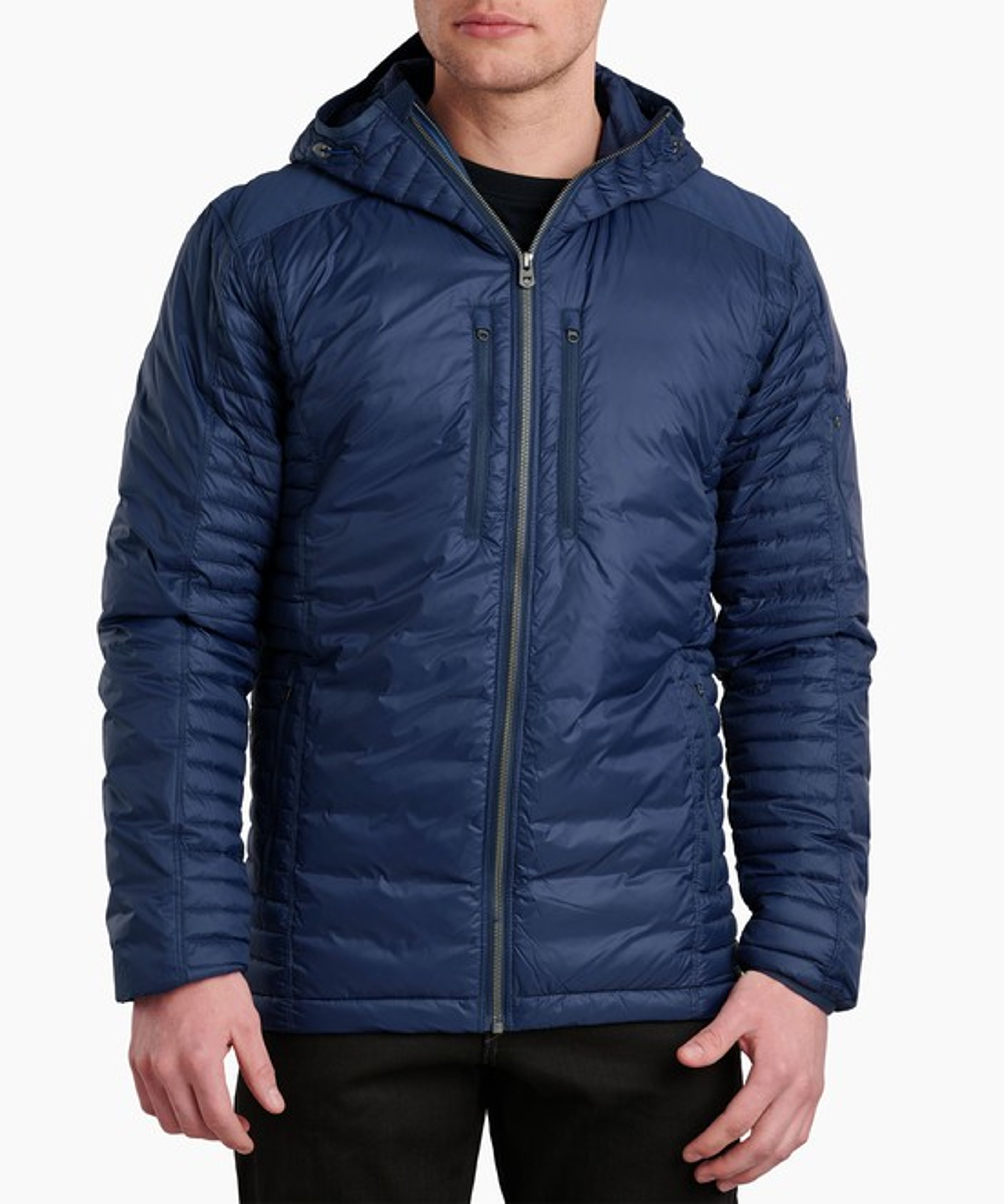
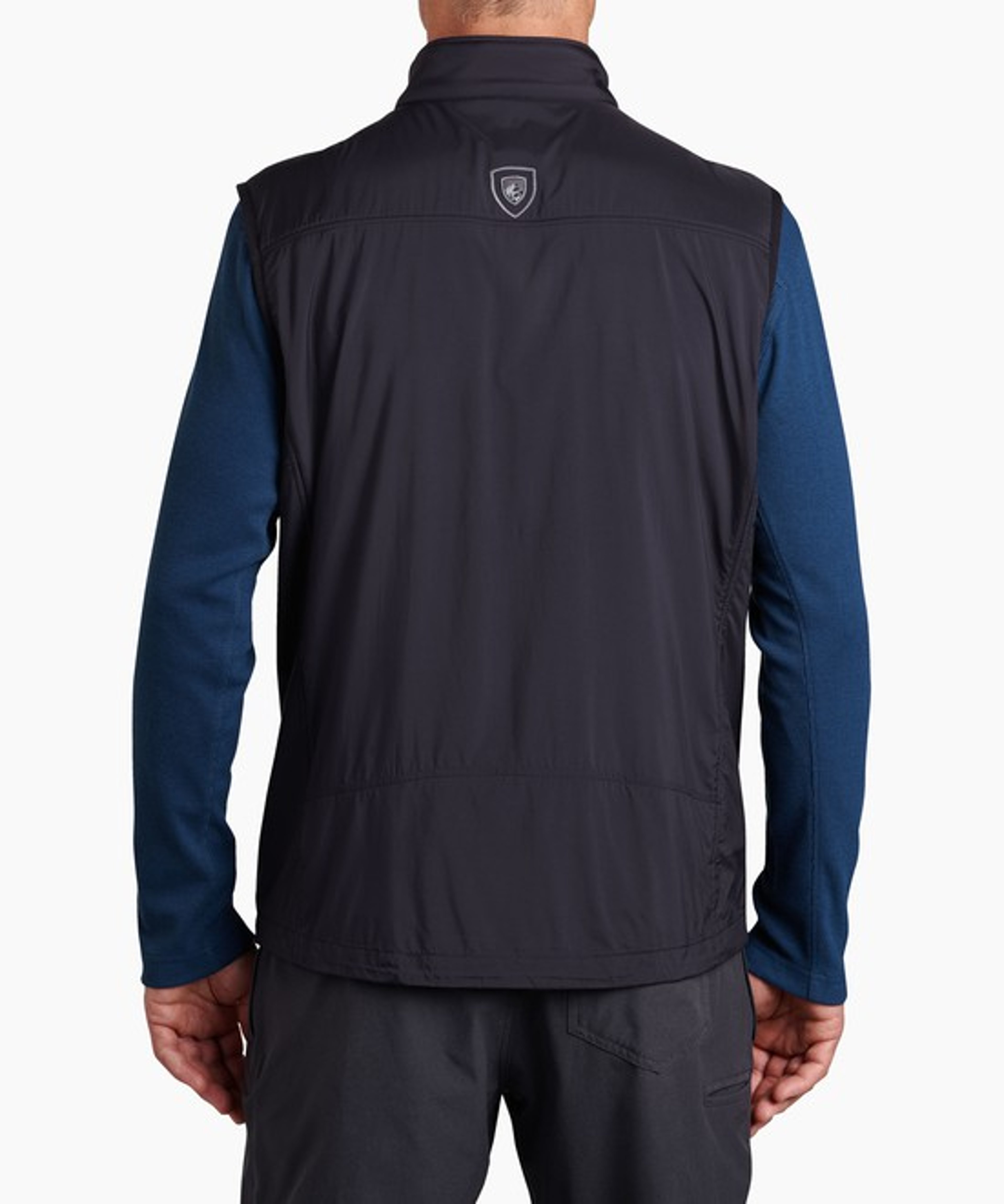
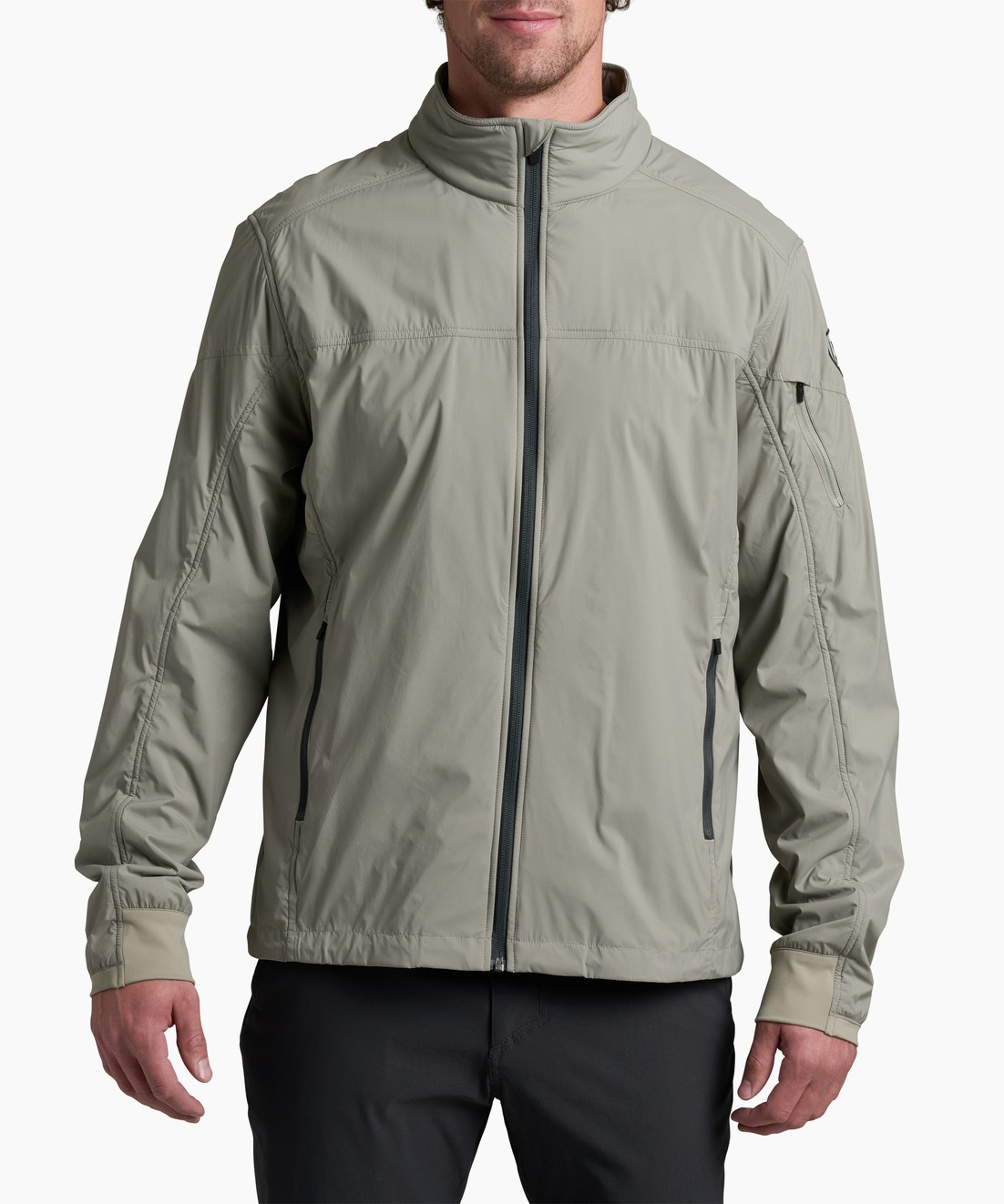
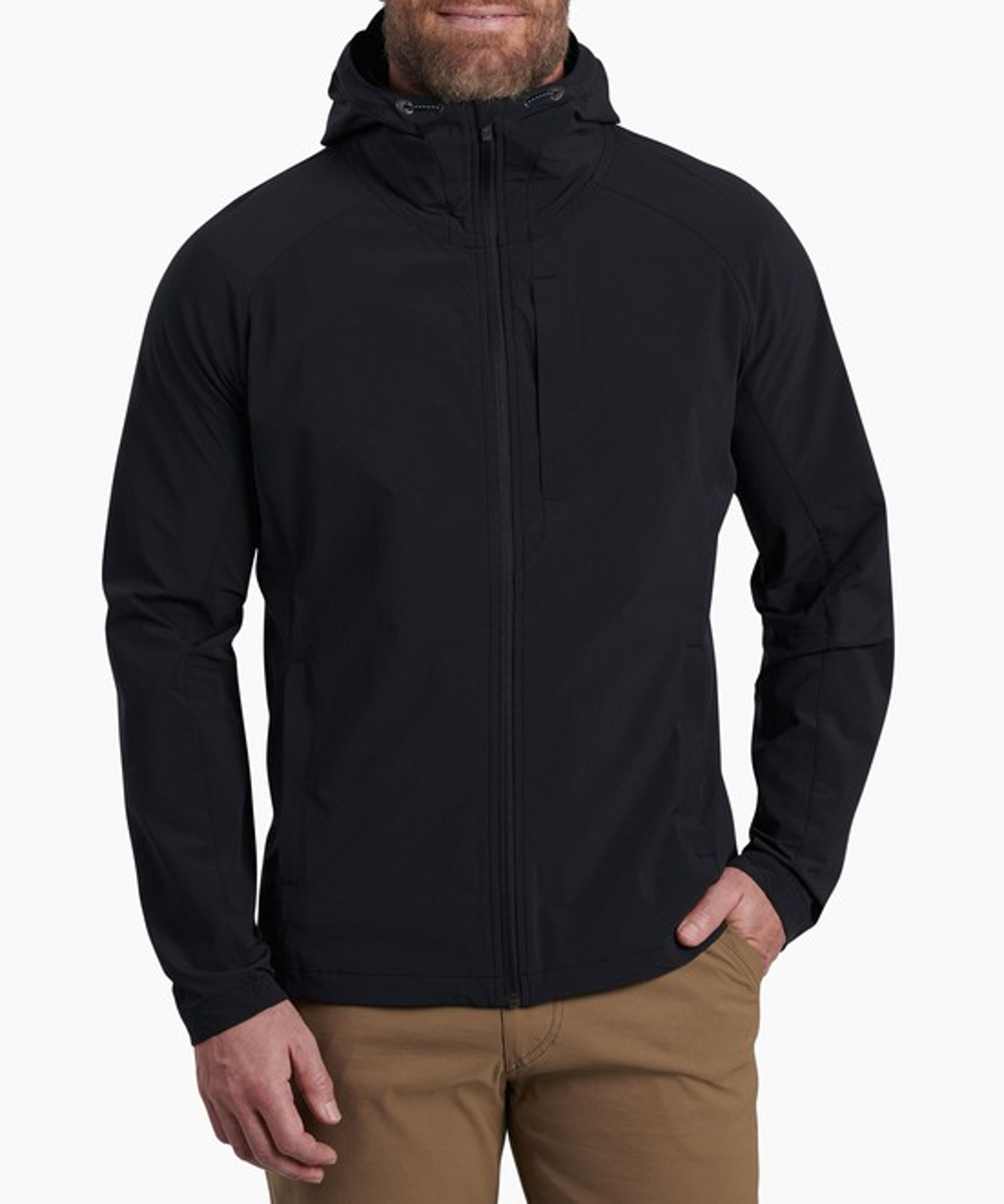
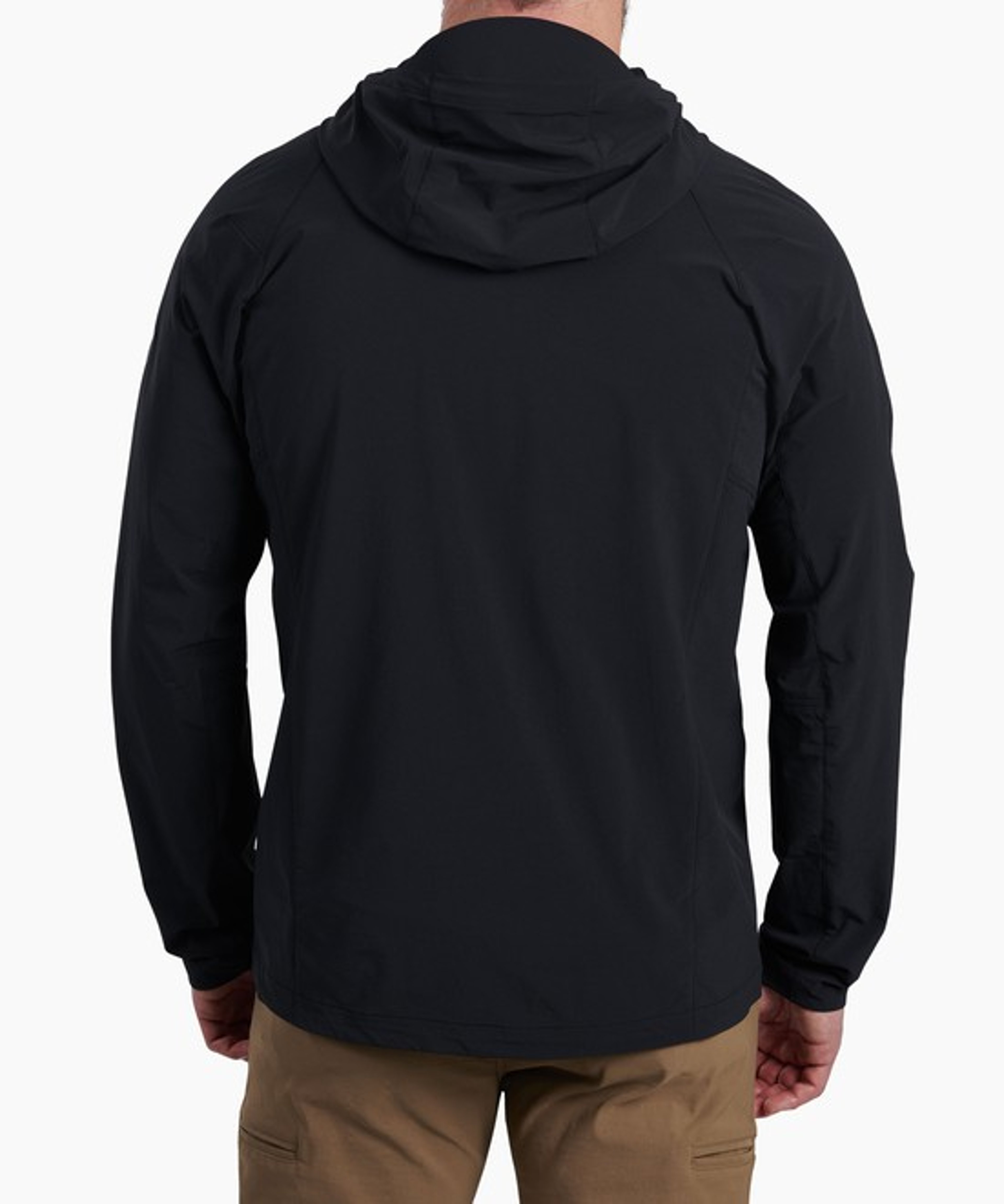
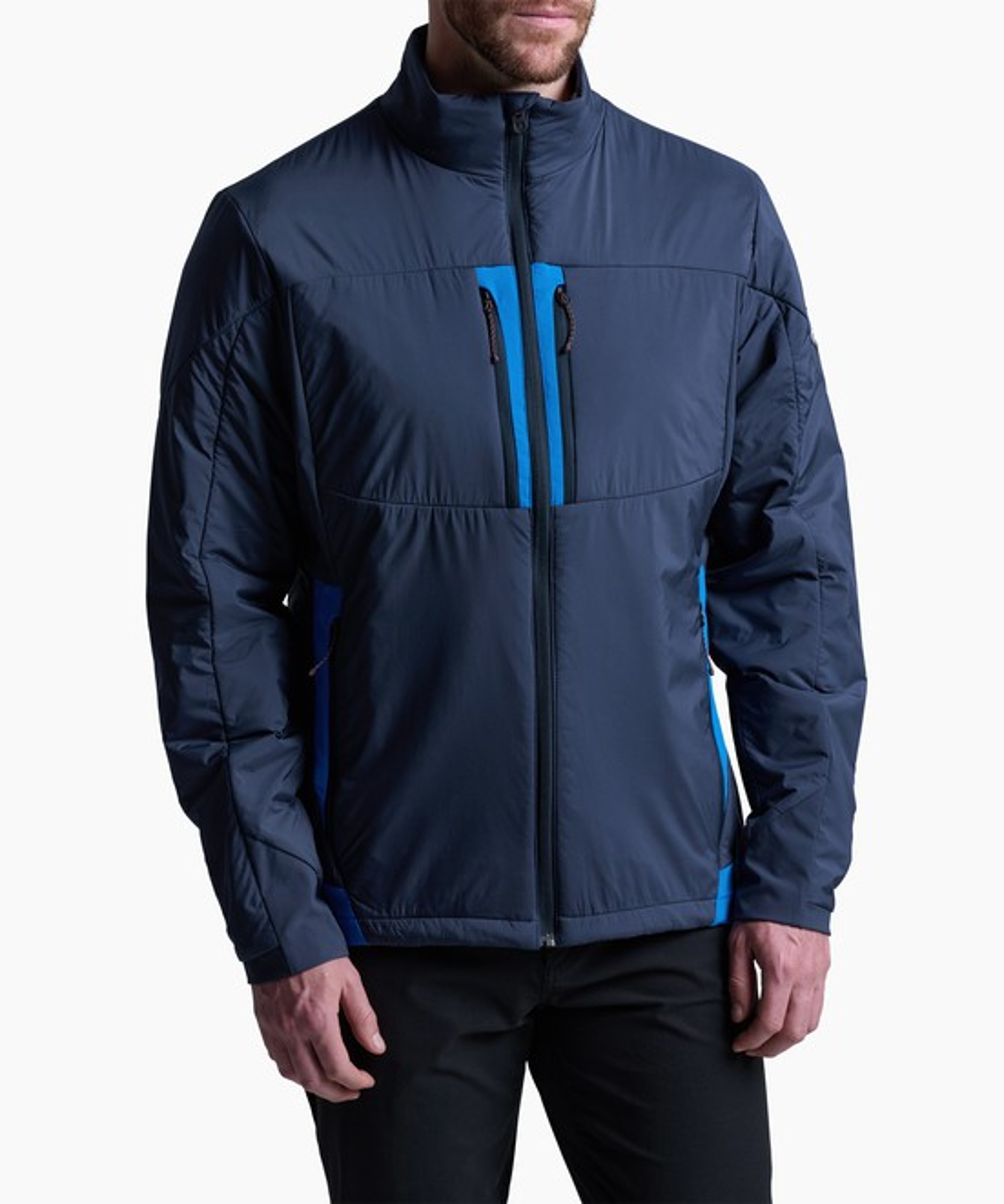
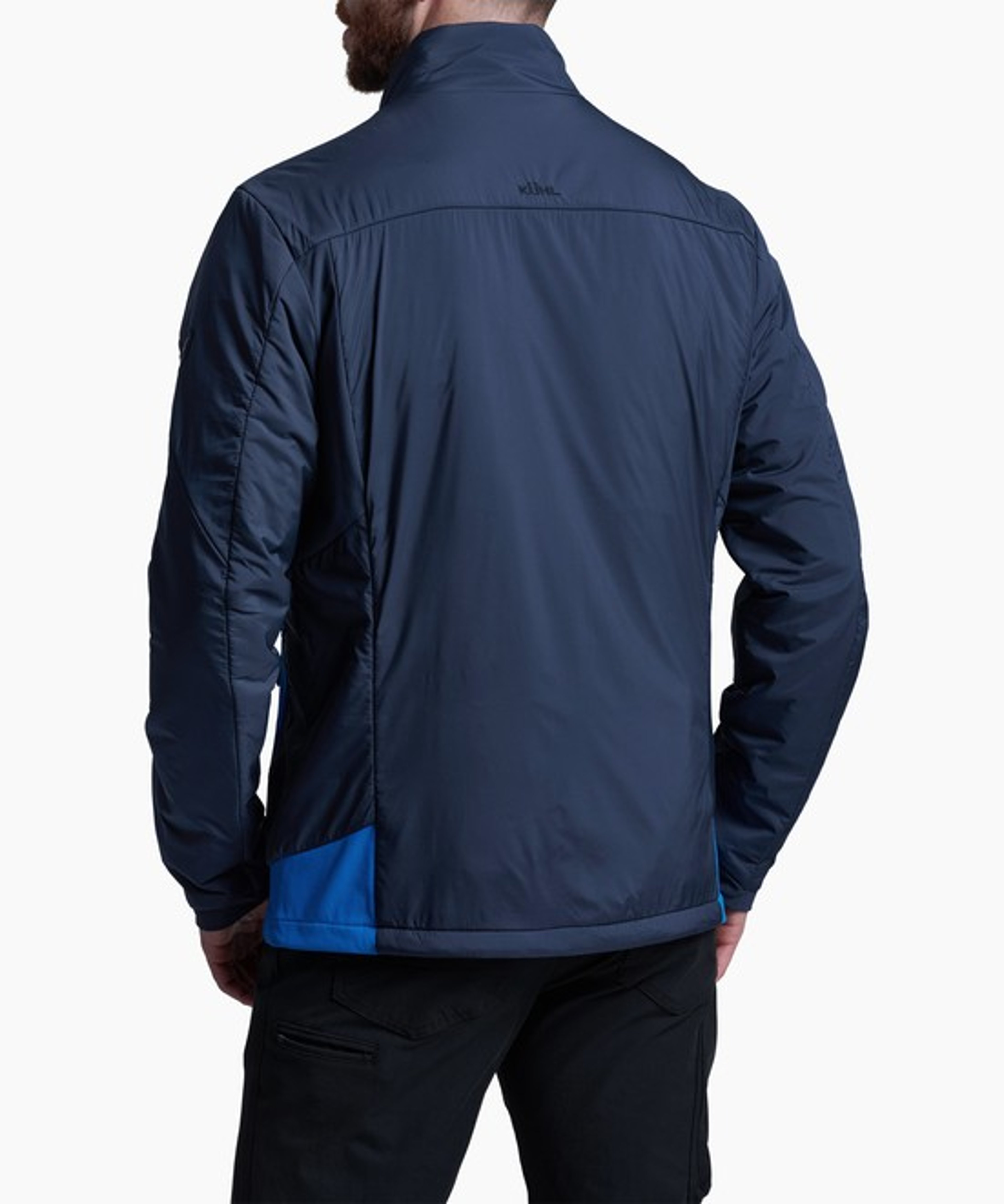
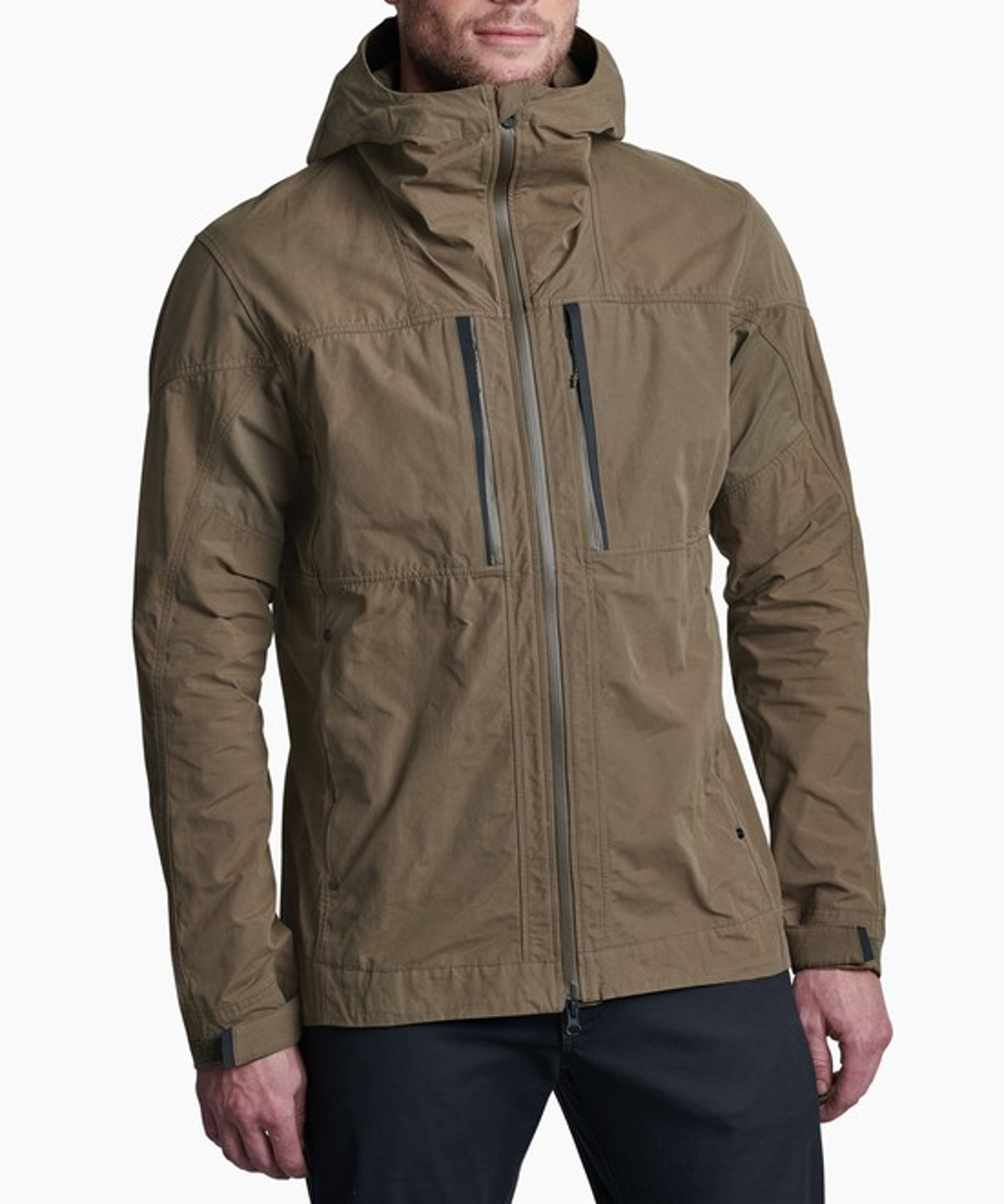
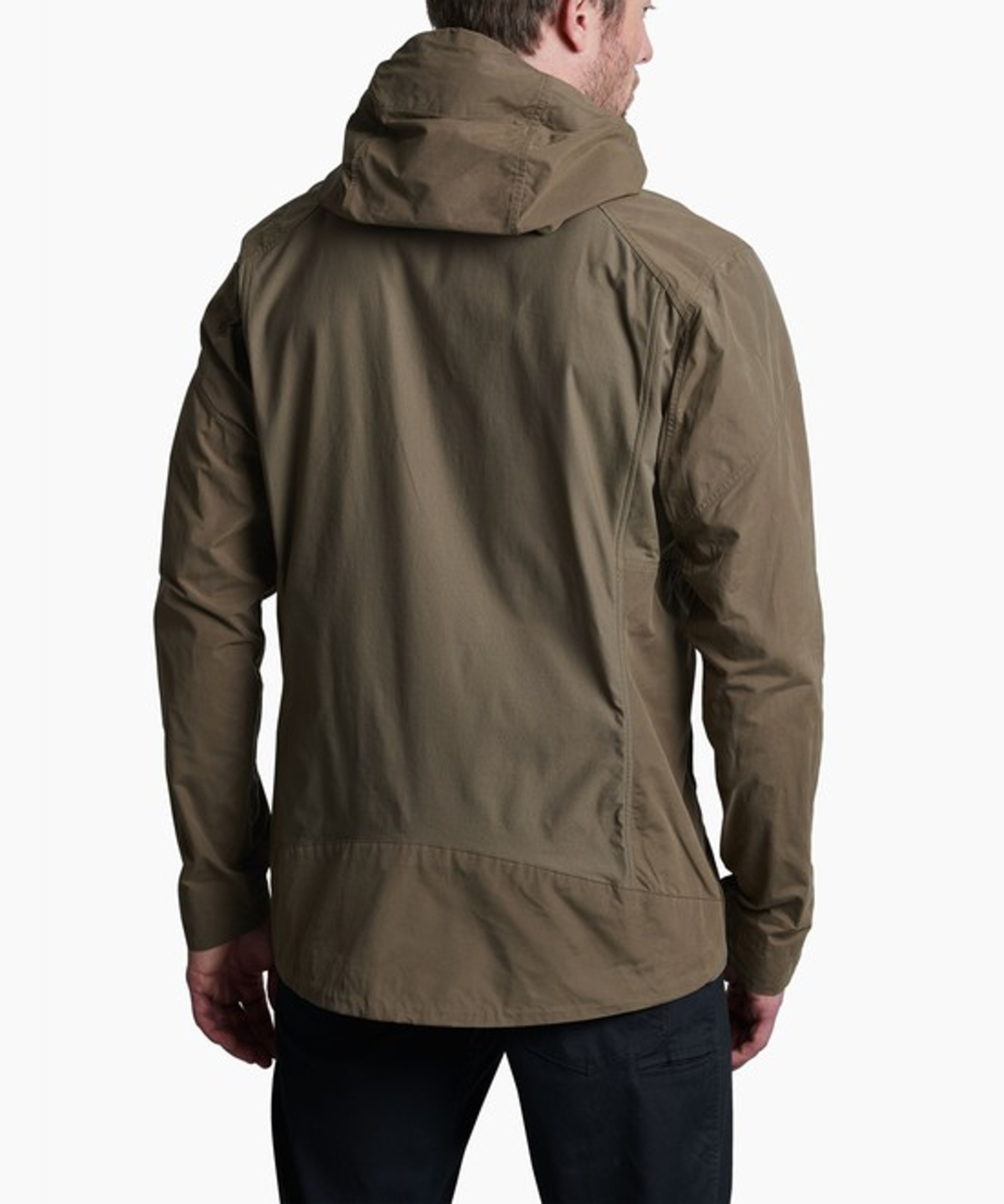
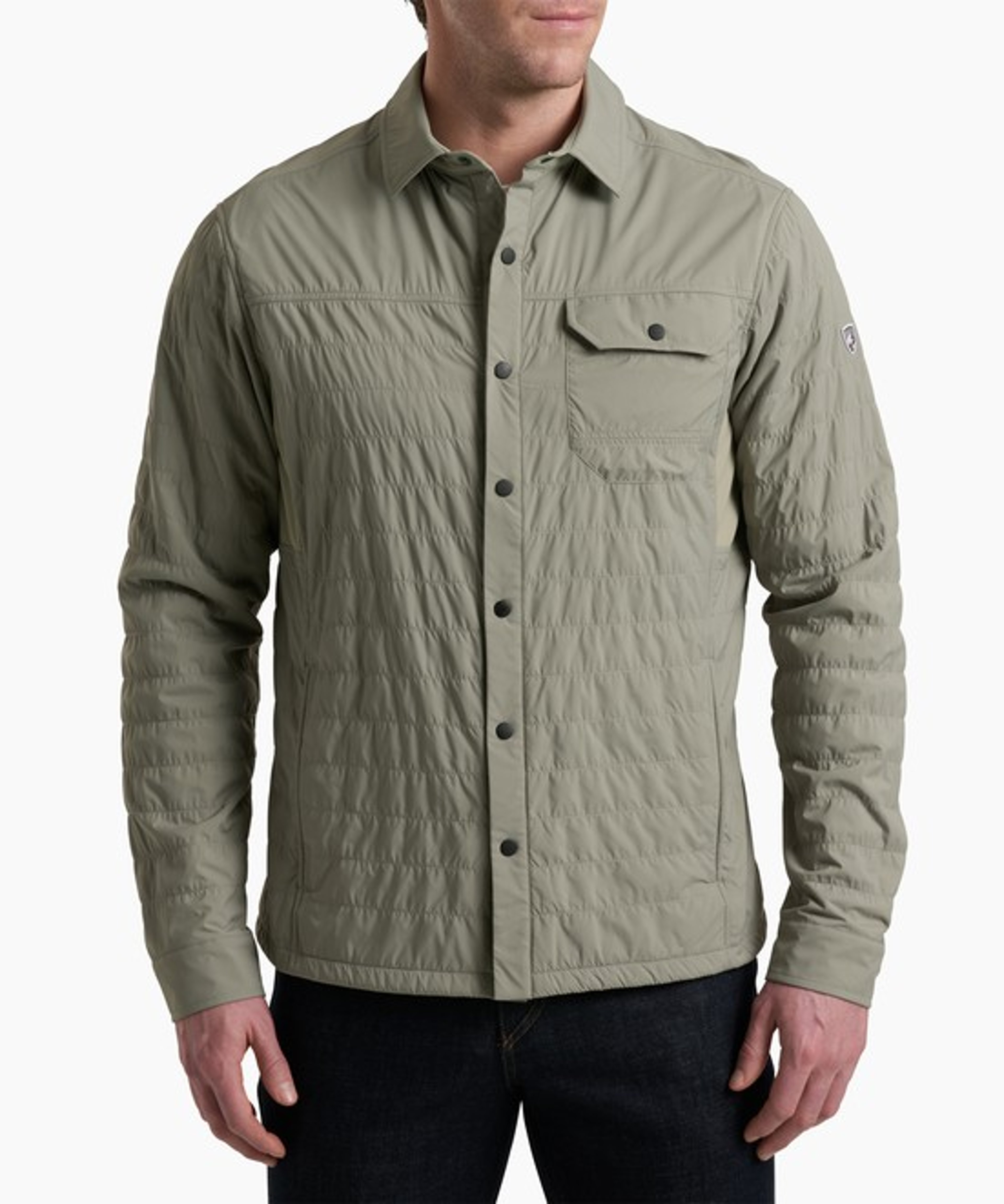
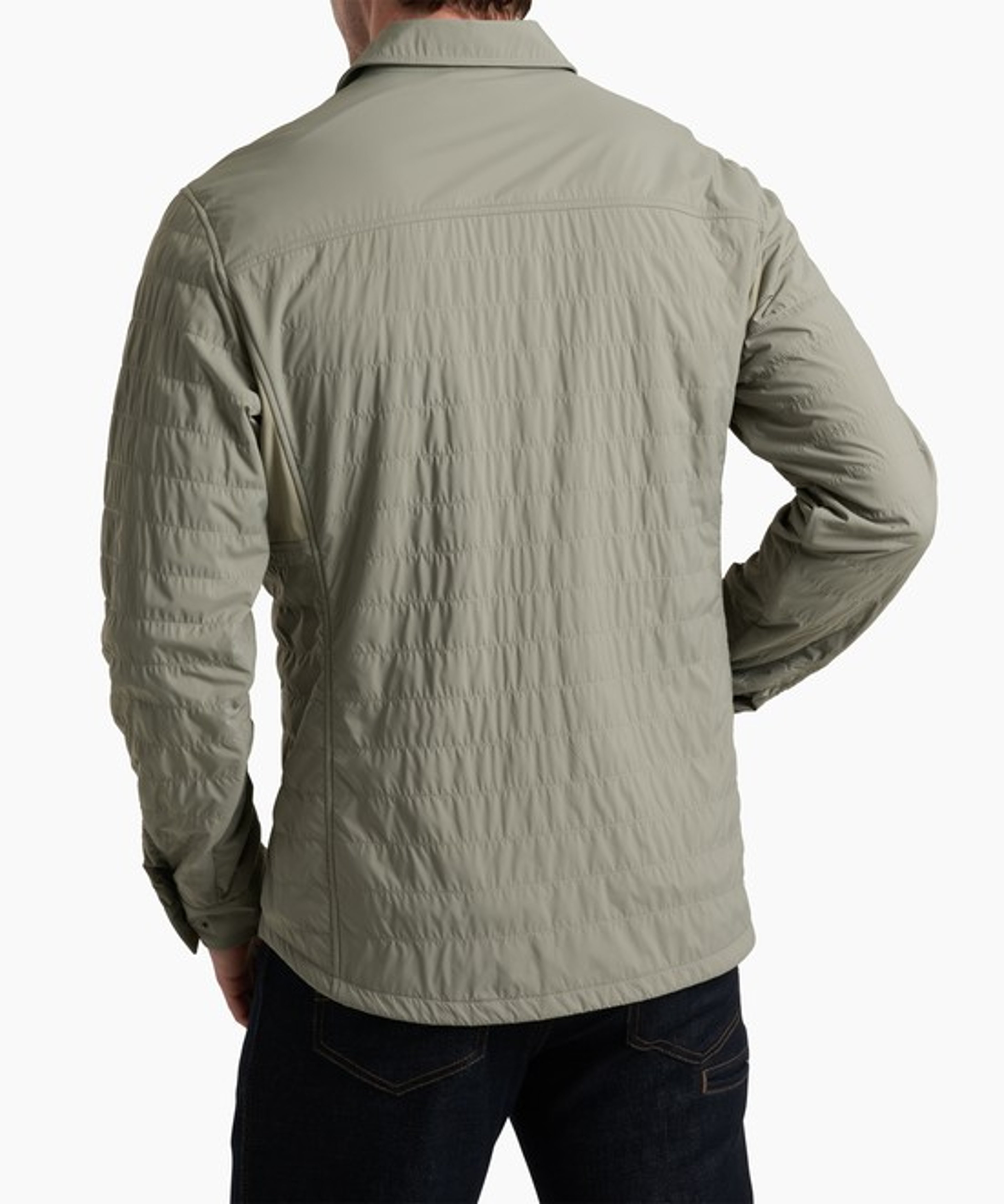
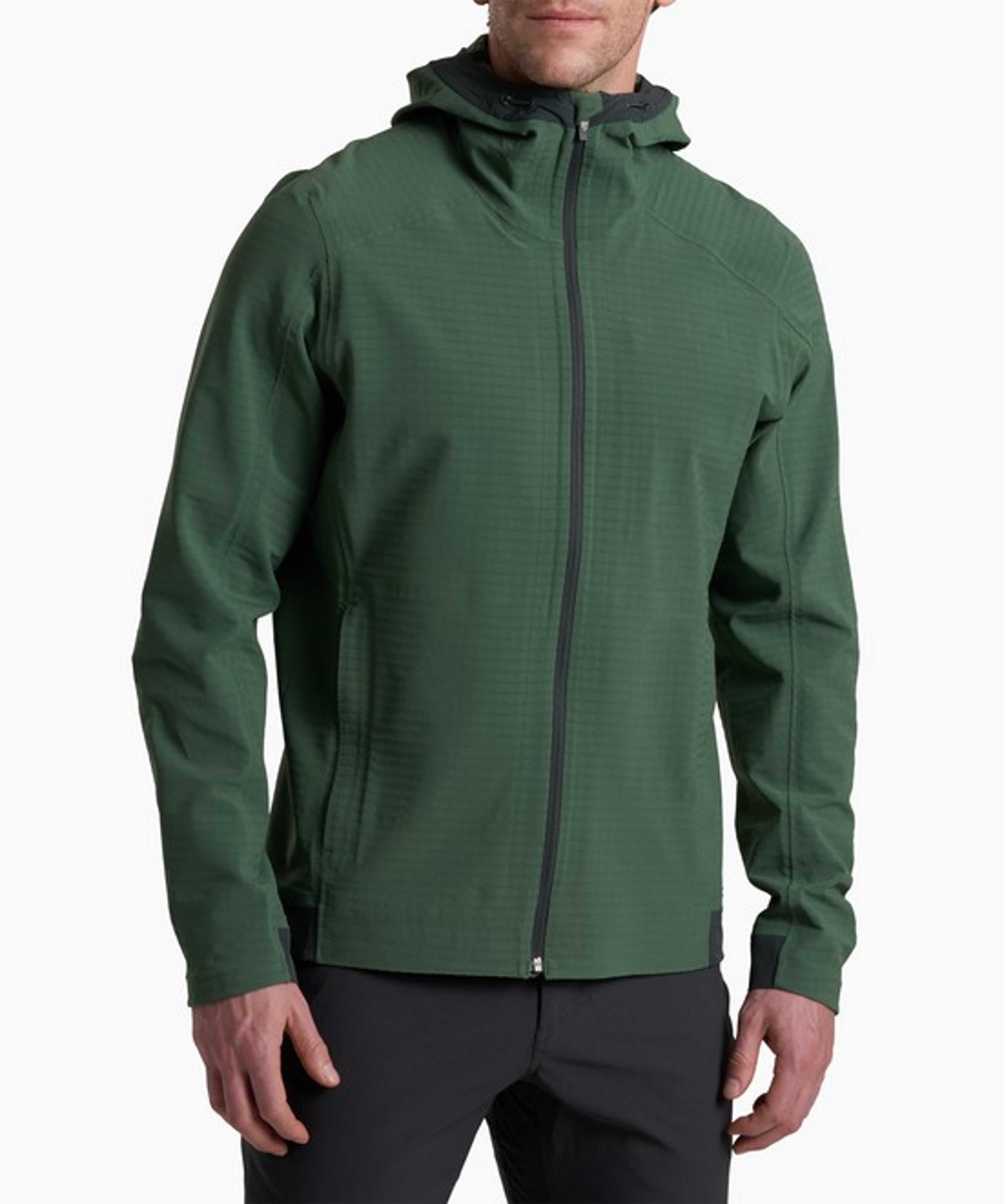
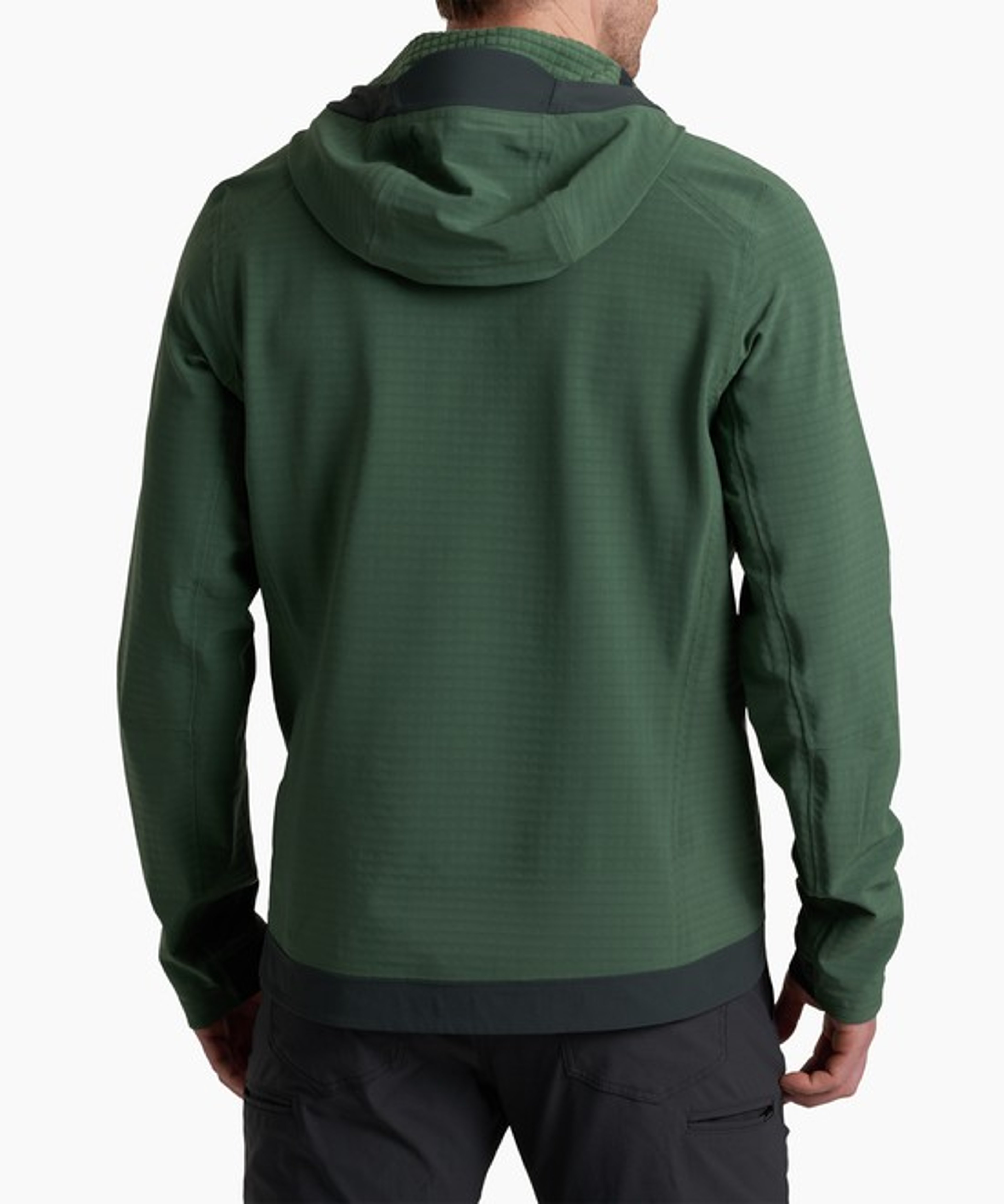
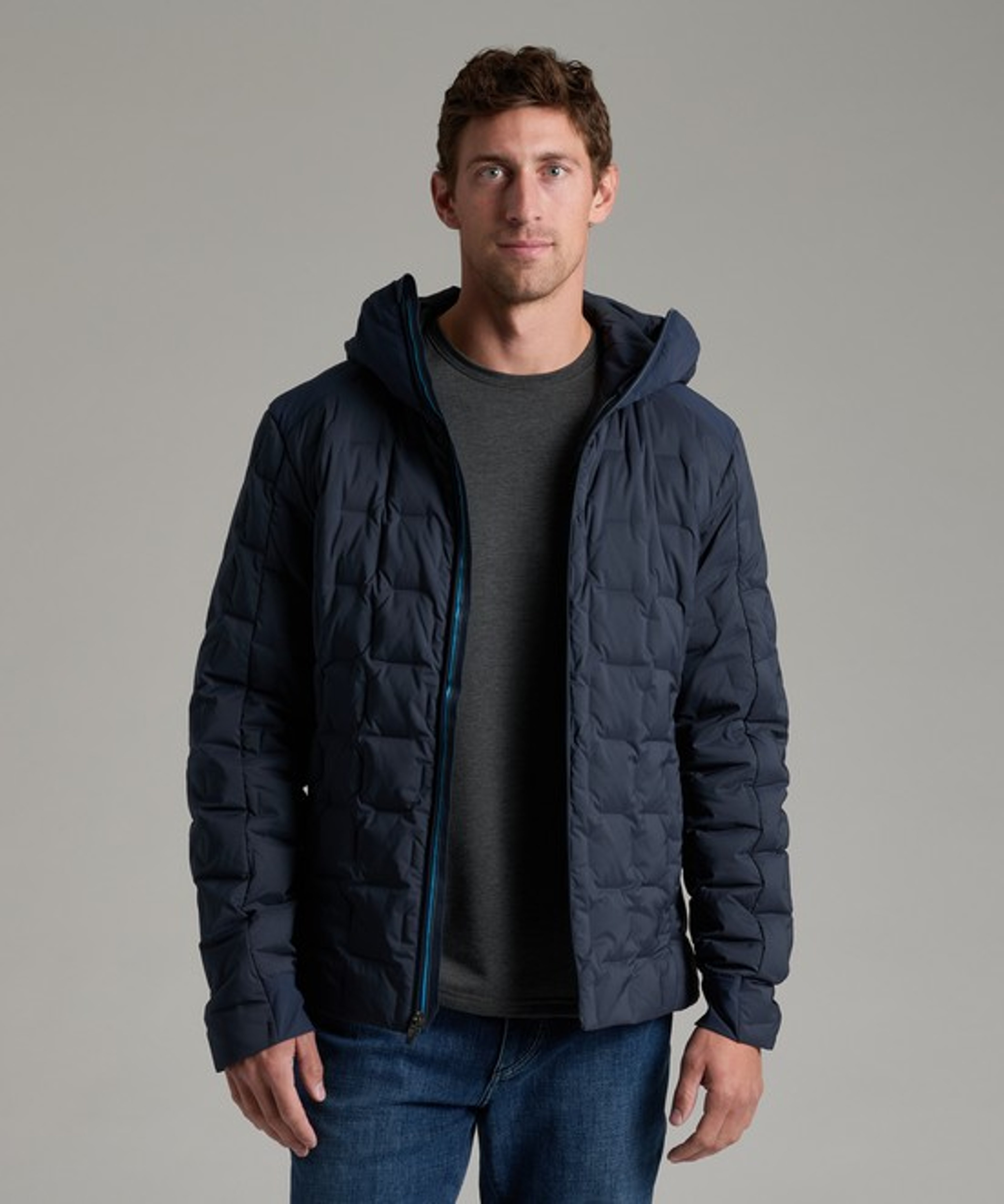
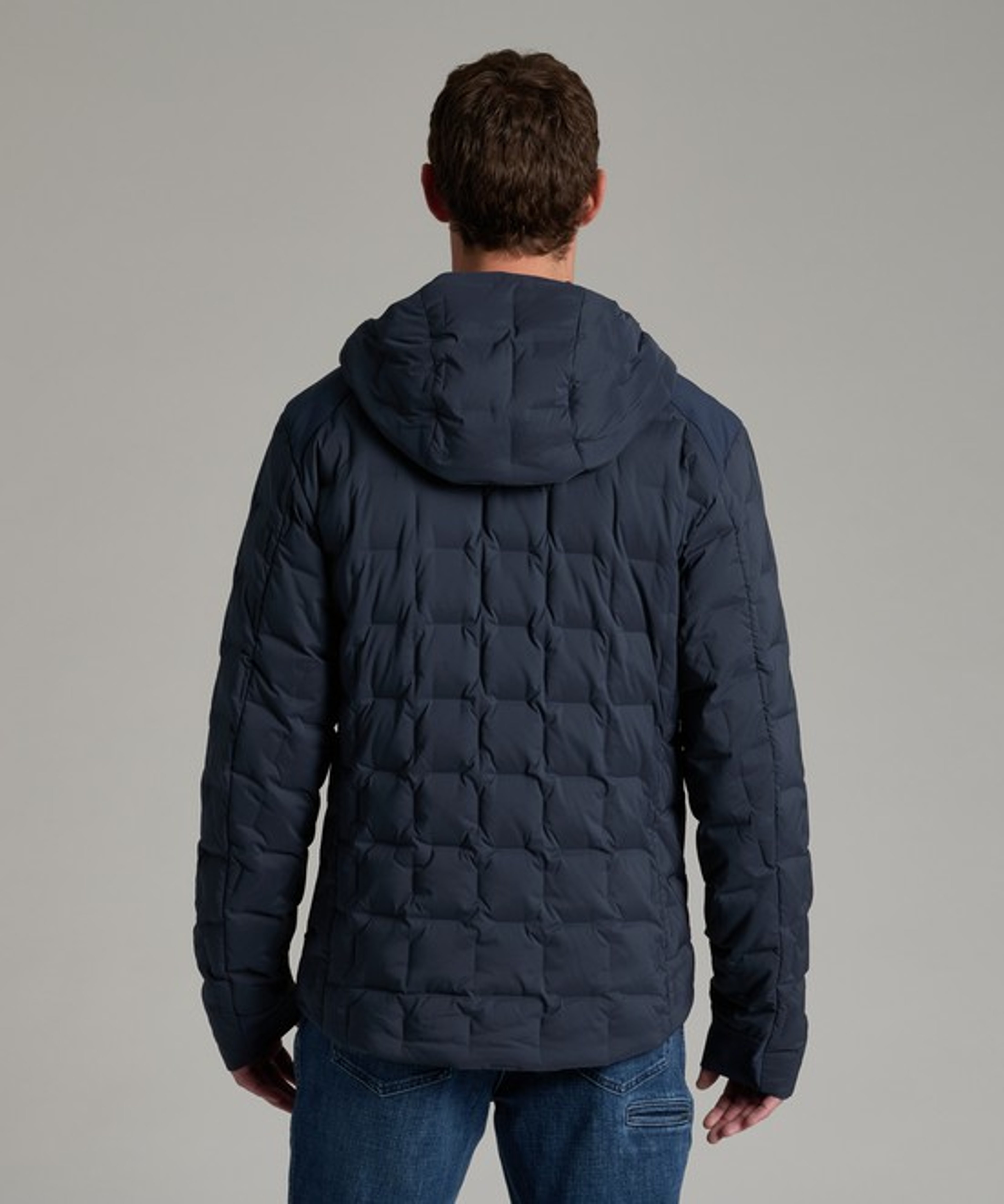
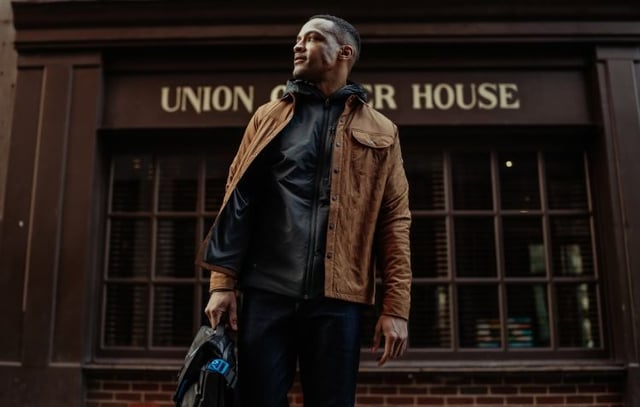
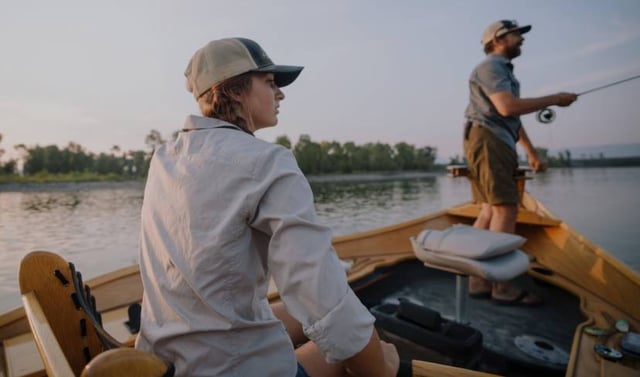
Shop our selection from vests to hooded styles. We have what you're looking for.
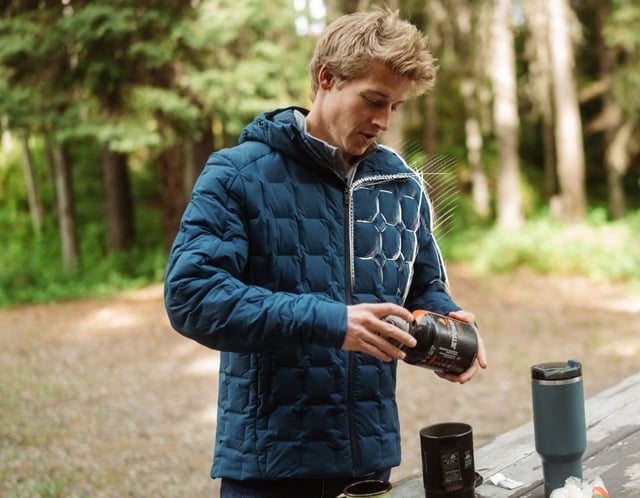
WARMTH
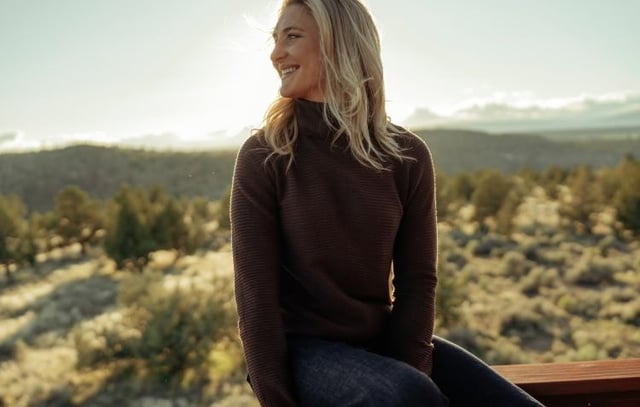
Select from three levels of warmth to find the right style for your lifestyle and activity level.
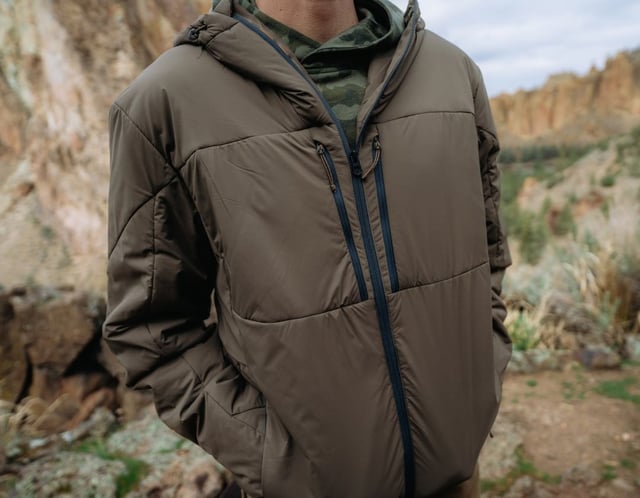
SERIES
Check out our most popular series to find others similar to what you know and love.
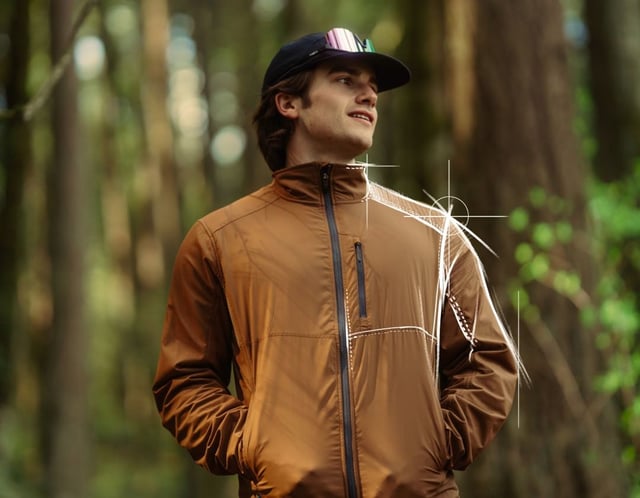
PERFORMANCE
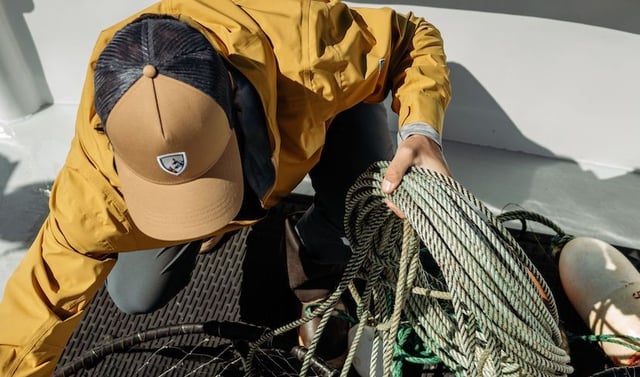
When you demand performance from your outerwear, choose from features like water resistance and stretch.
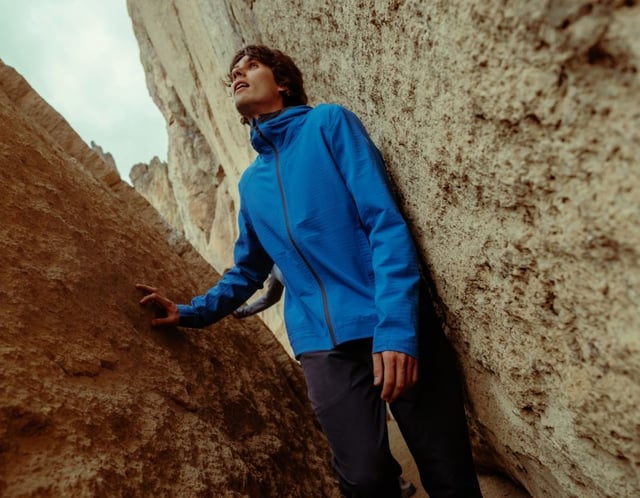
ACTIVITY
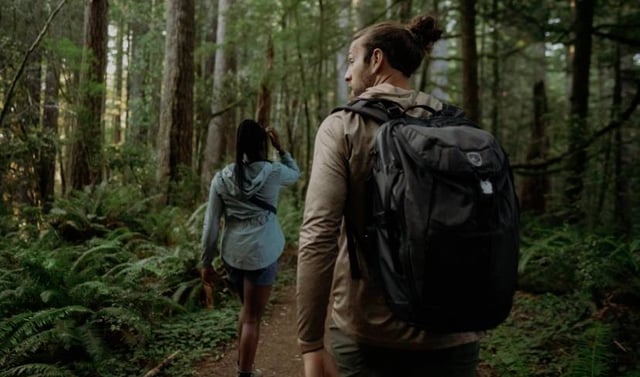
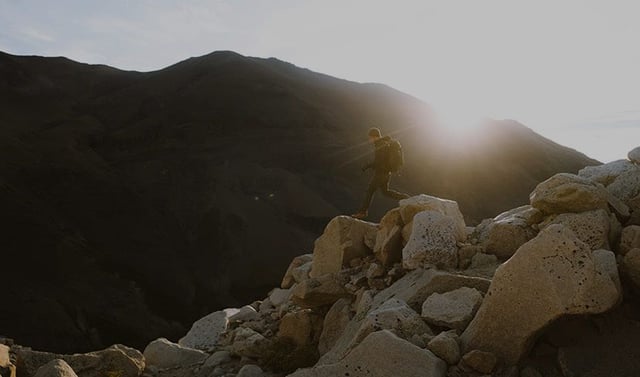
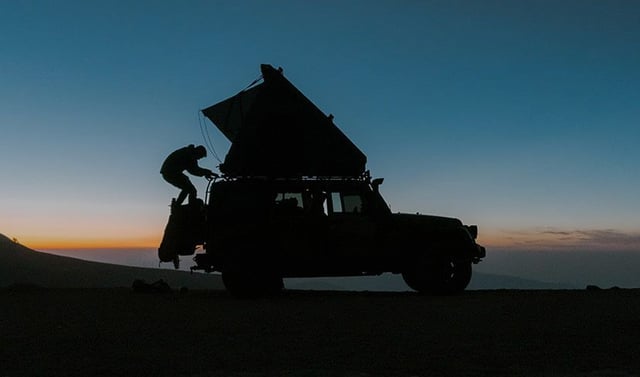
Shop by what you'll wear your outerwear for - to get outdoors, to commute to work, or for travel.
Men's Outerwear
KÜHL Men's Outerwear Delivers Weather Protection Without Compromising Mobility
Choose from a variety of fabrics, styles, and features for the men's outerwear that's right for you:
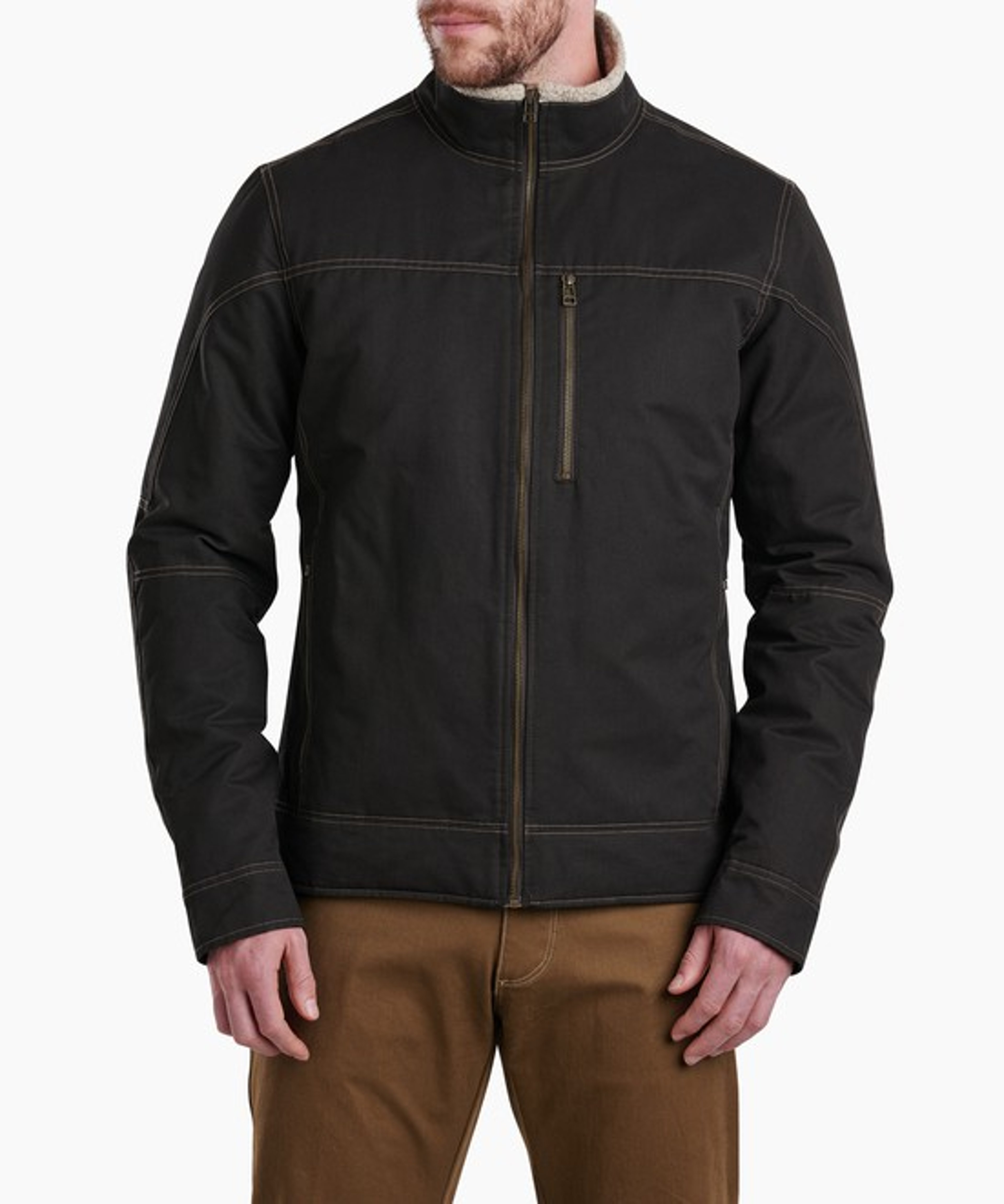
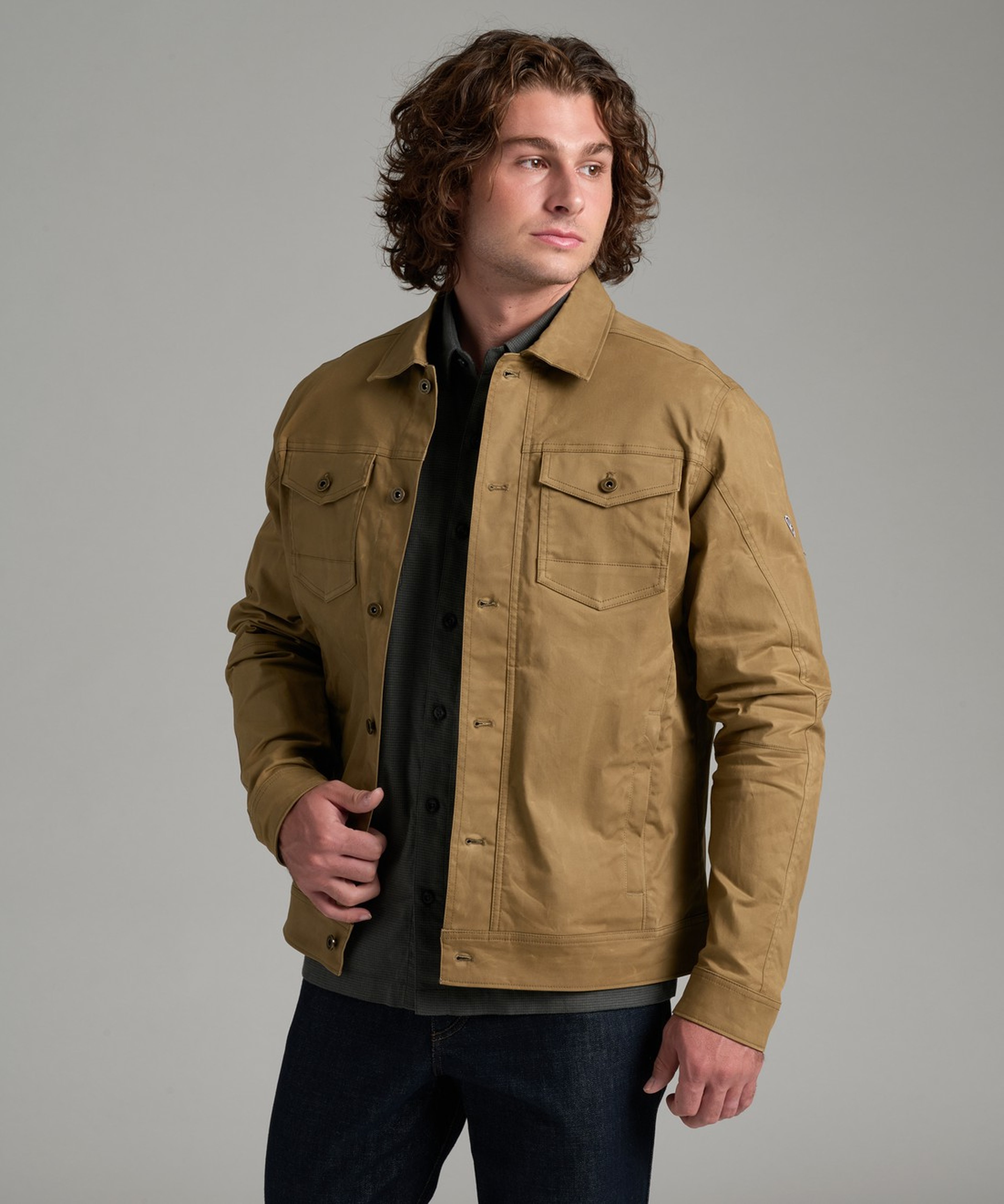
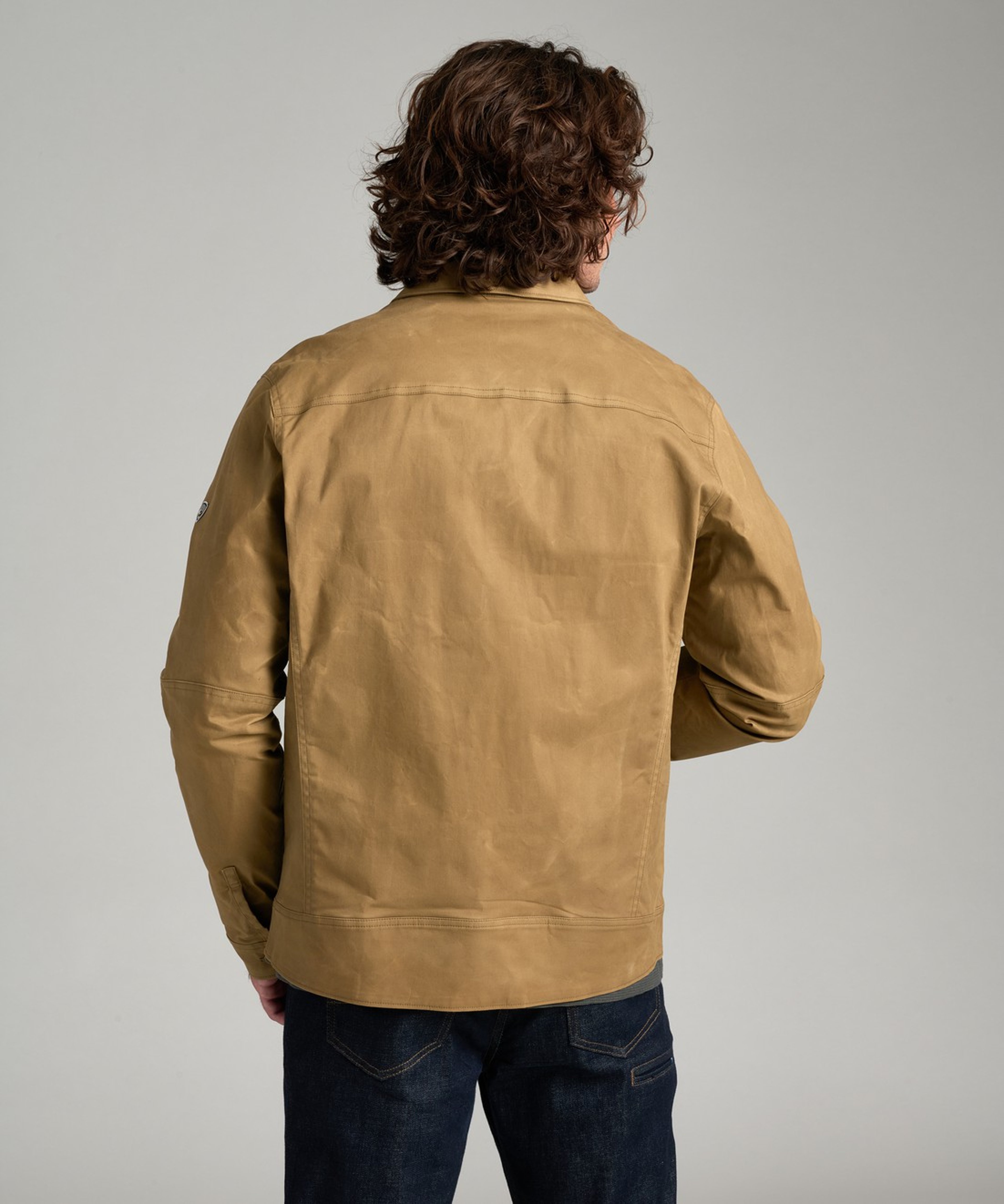
Rugged Canvas Reliability. Cotton-canvas jackets and lined options bridge workwear durability and weekend wear, with combed weaves, quilted or smooth interior linings, and zippered pockets that keep essentials secure when the temperature drops. These layers shrug off scrapes and brush without feeling stiff on the body.
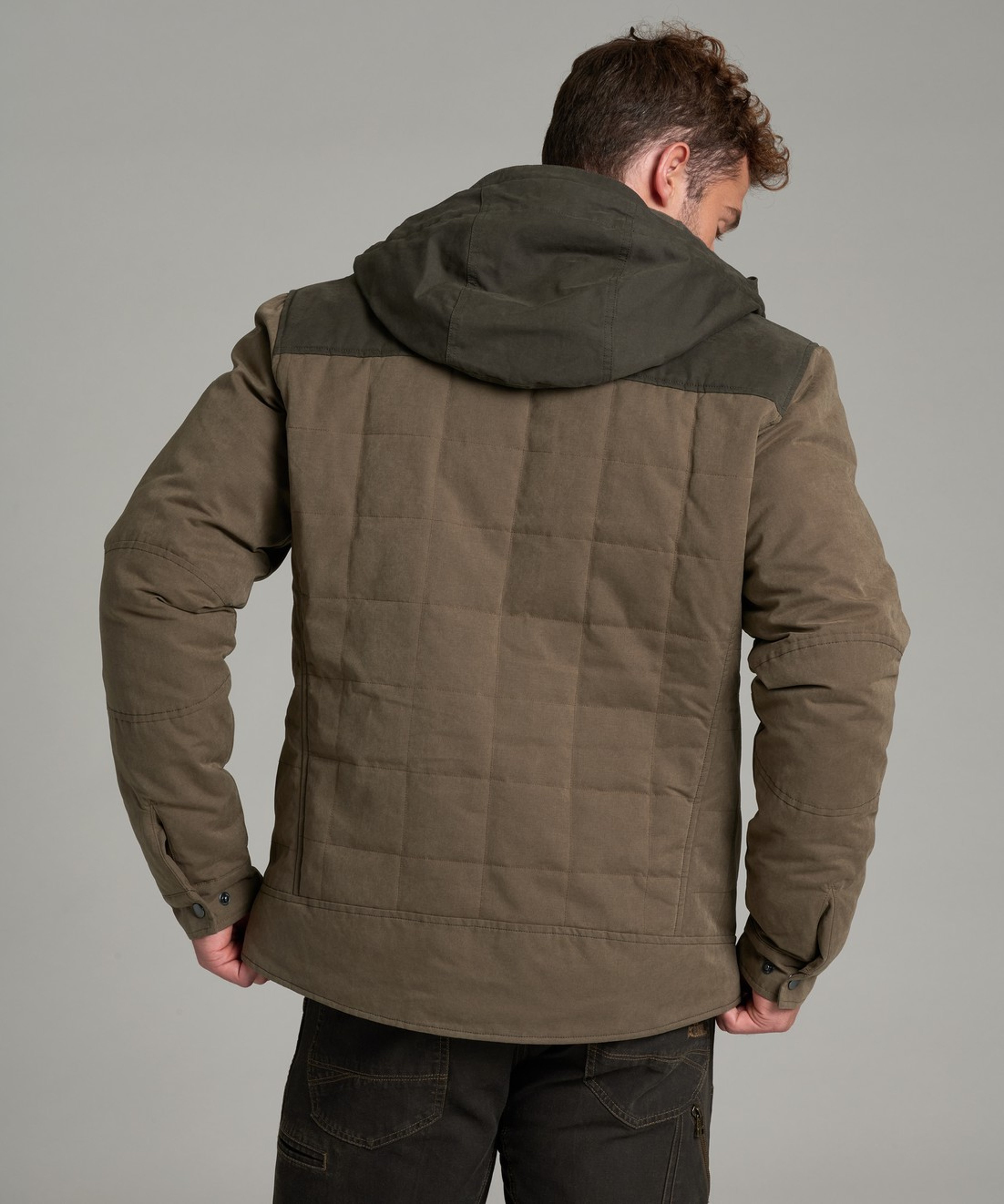
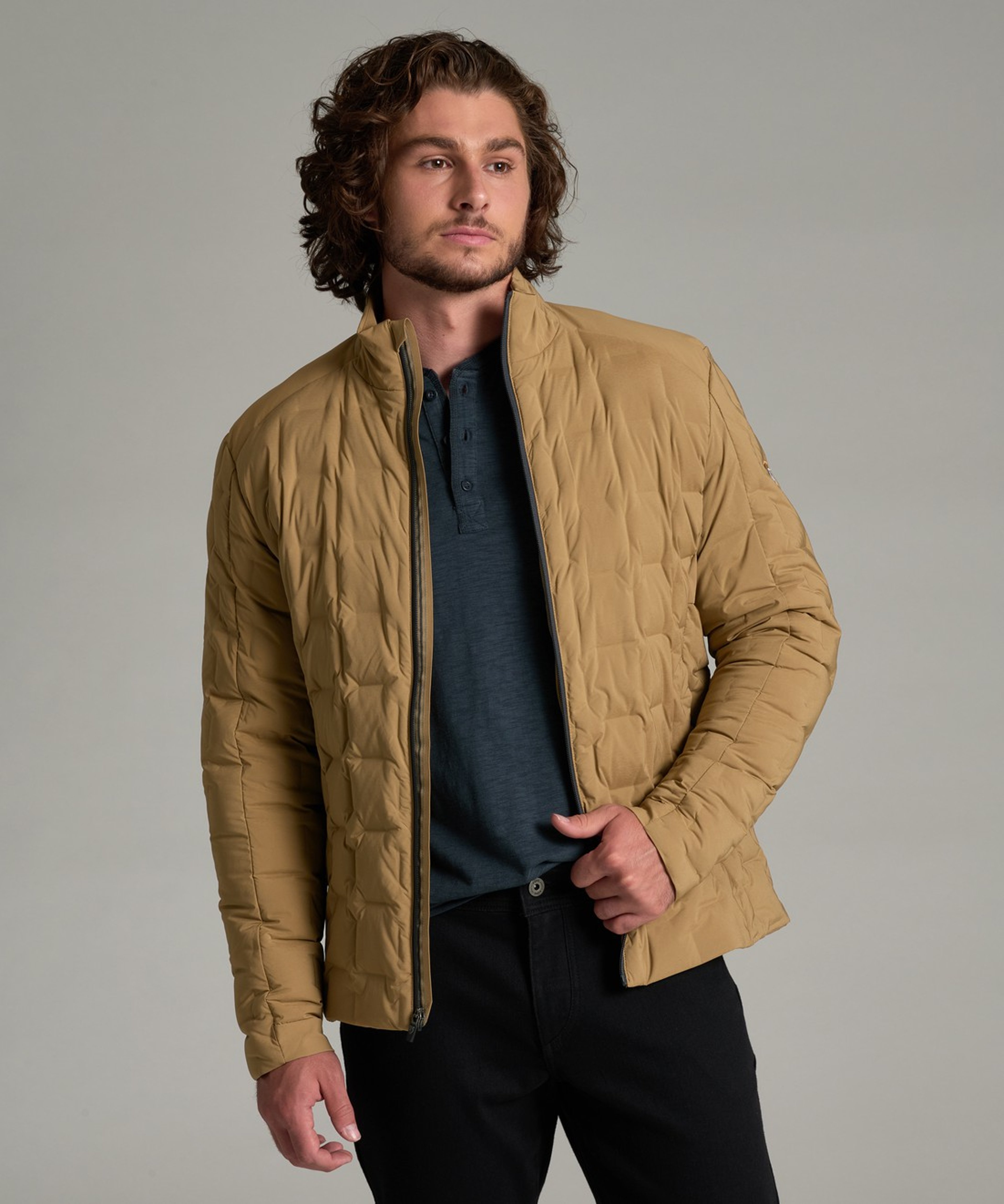
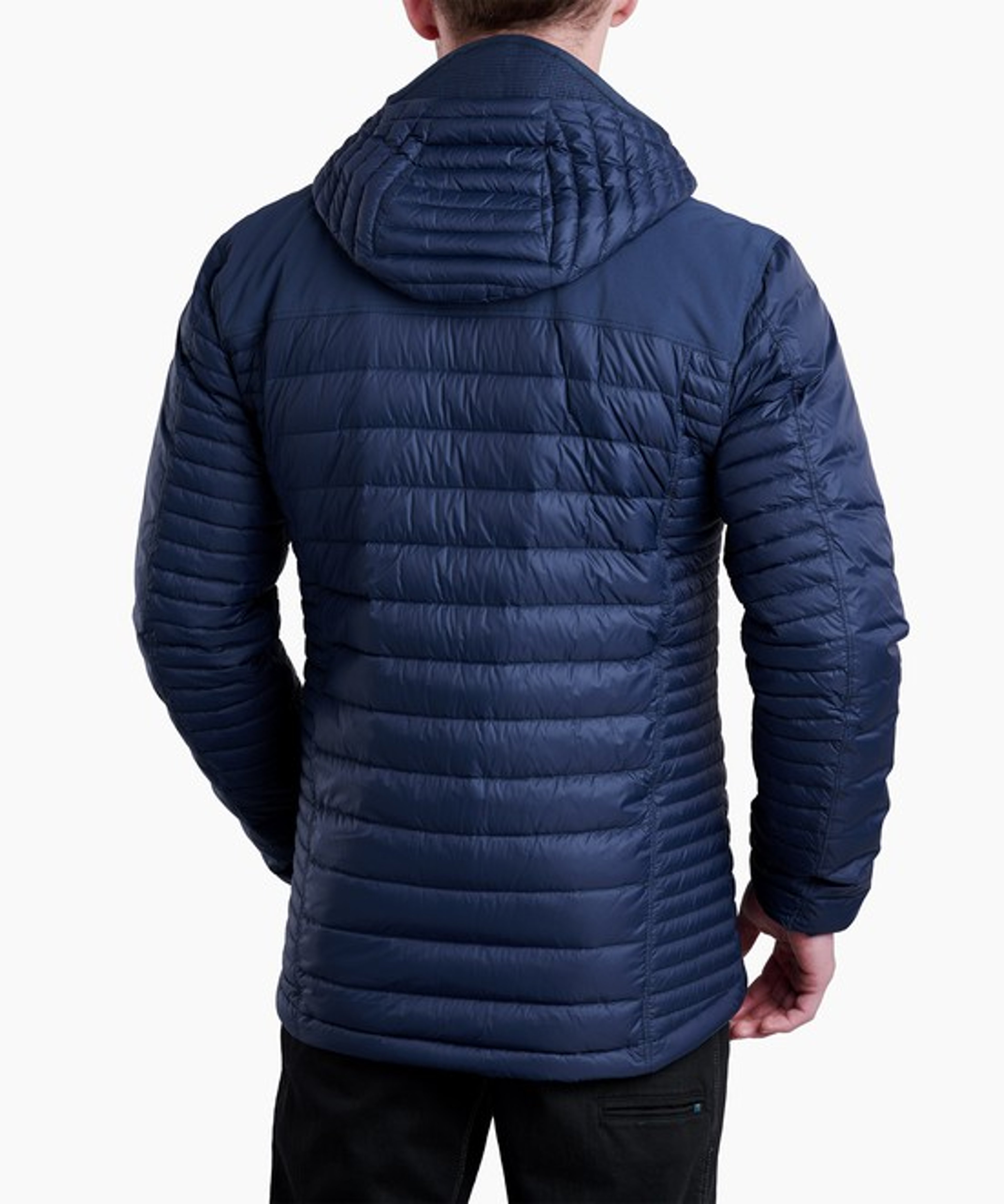
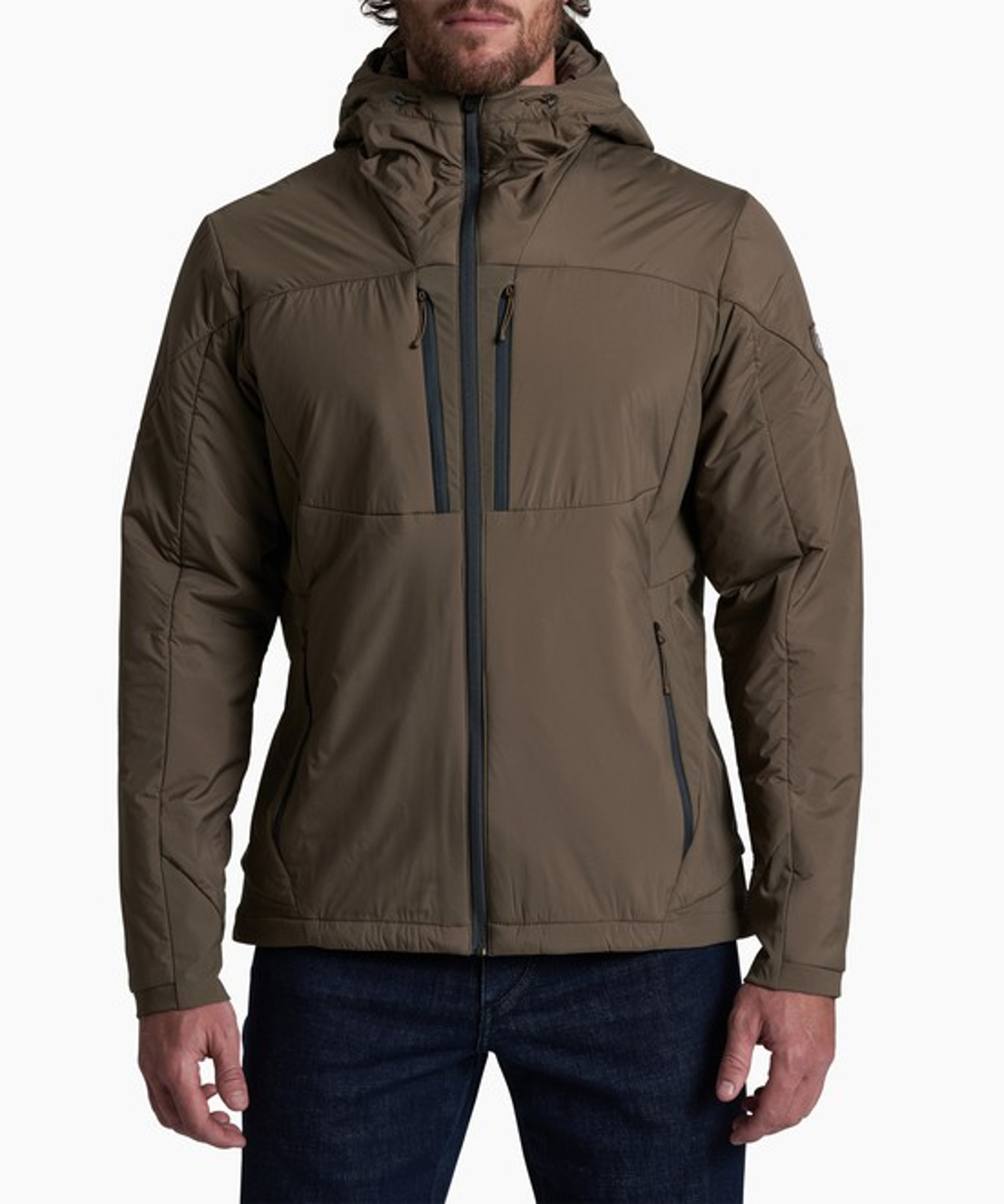
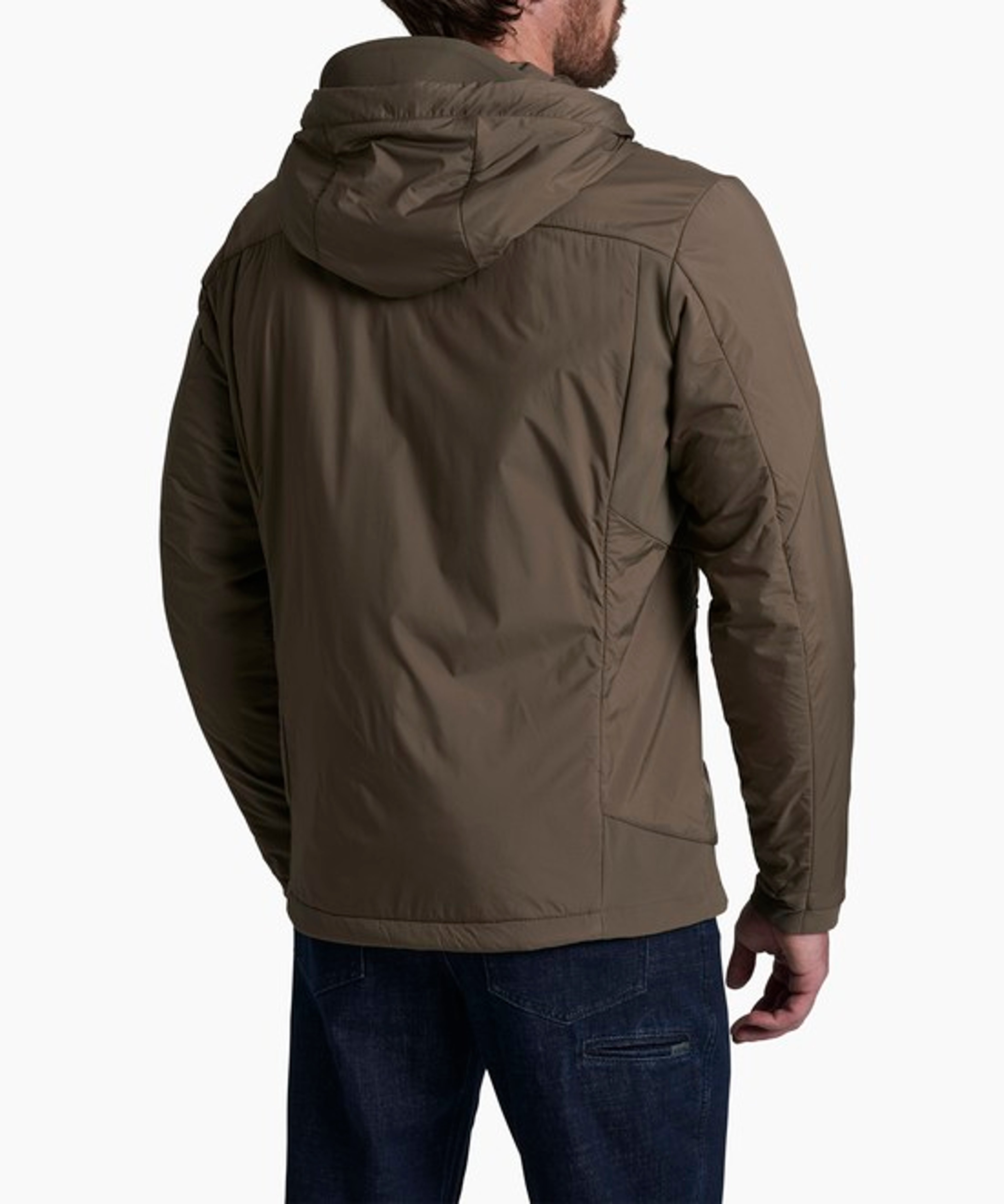
Down Warmth Where You Need It. Insulated jackets, hoodies, and vests use thermal body mapping to put more down at the core and less in heat-producing zones, so you stay warm without overheating on the climb. Water-resistant ripstop face fabrics with a DWR finish shed light moisture, and reinforced shoulders take the abuse of pack straps and gear hauls.
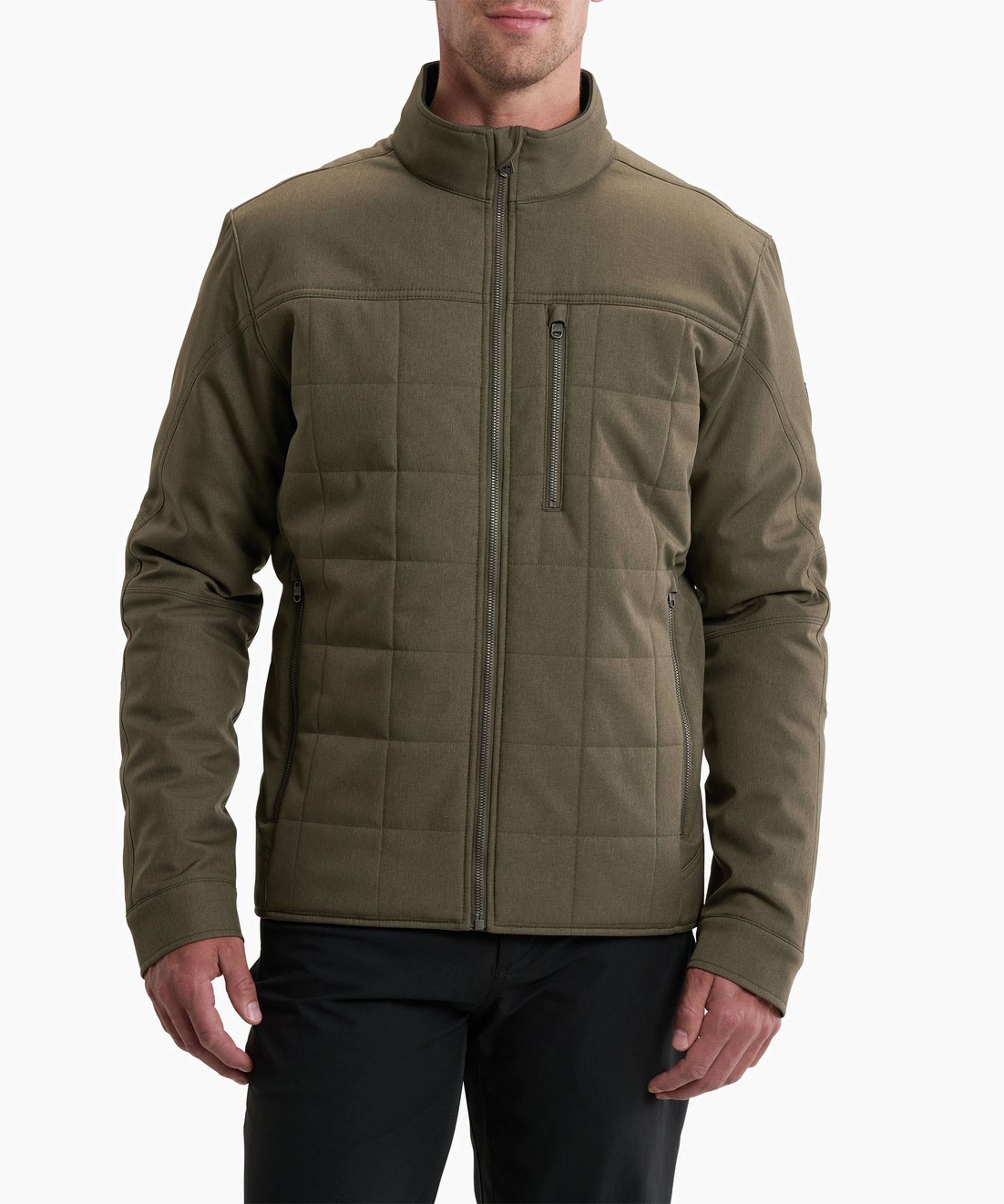
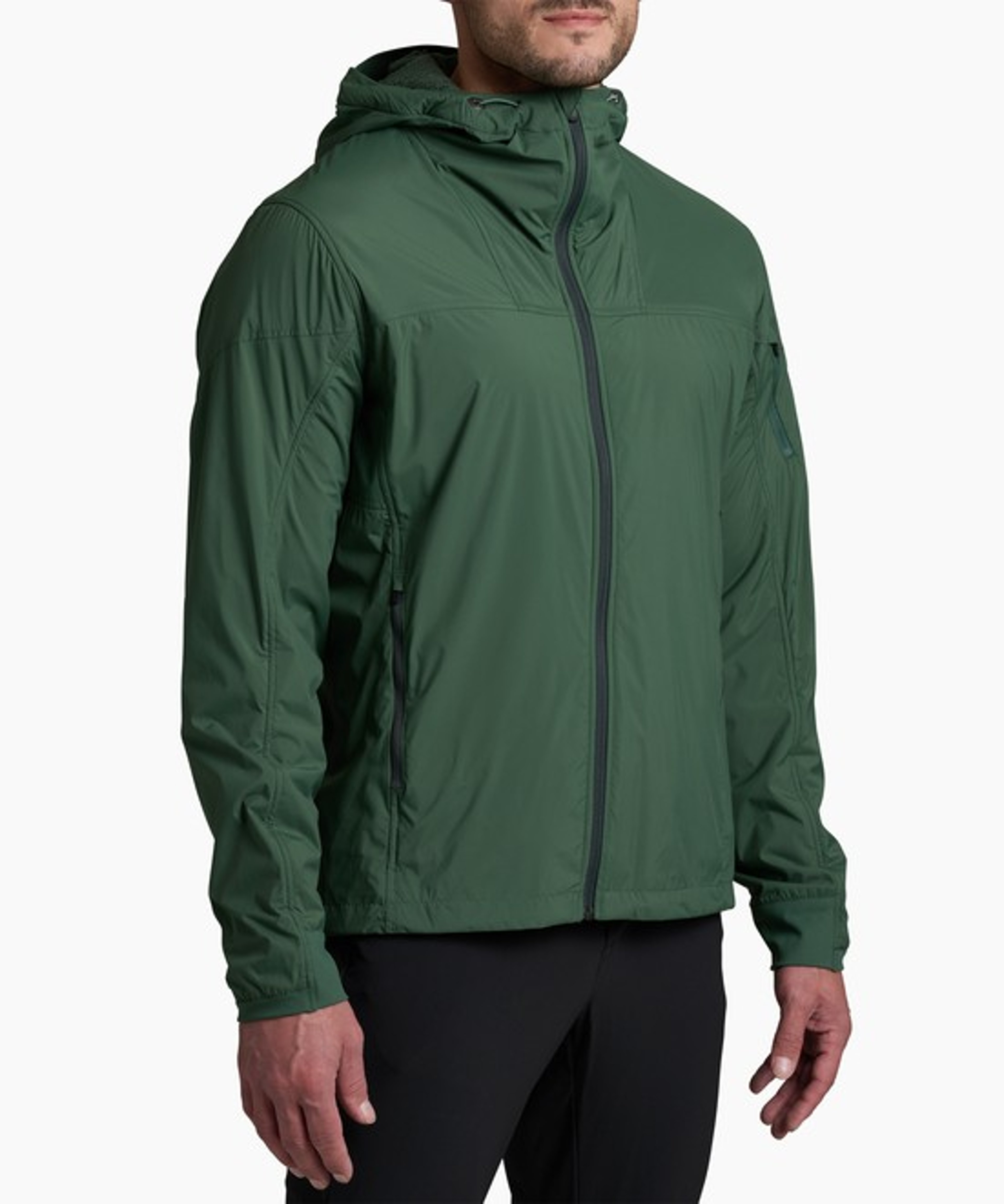
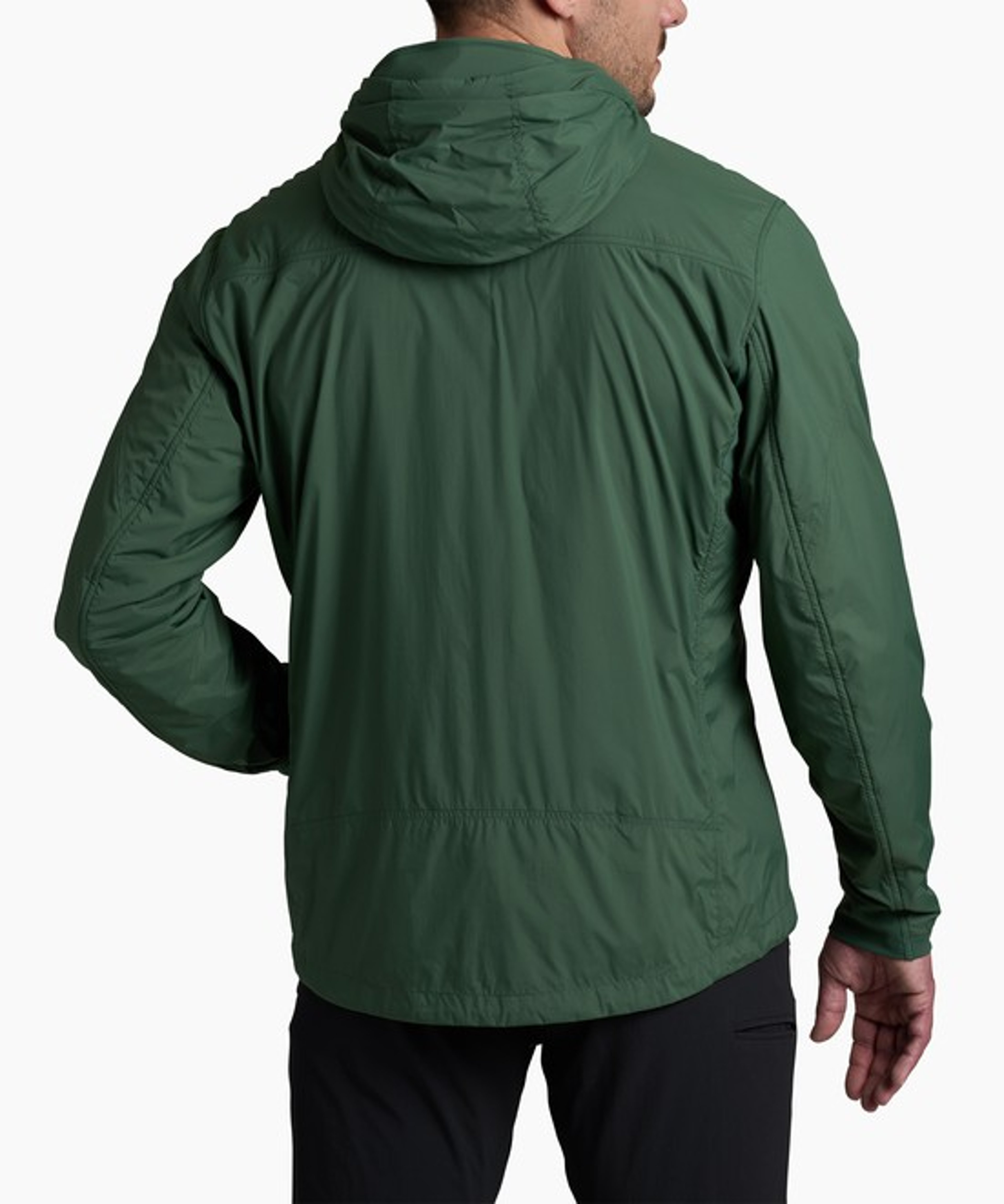
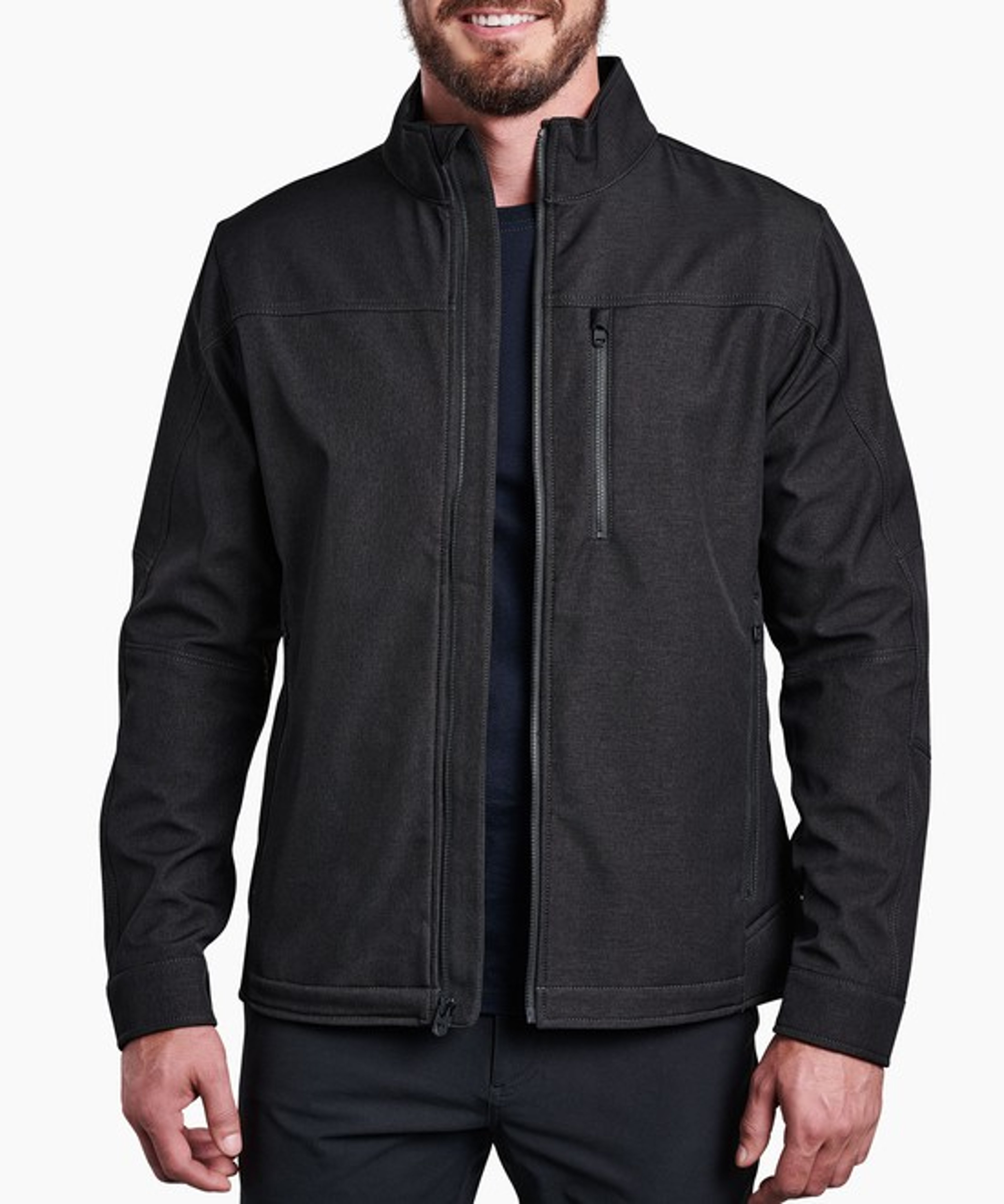
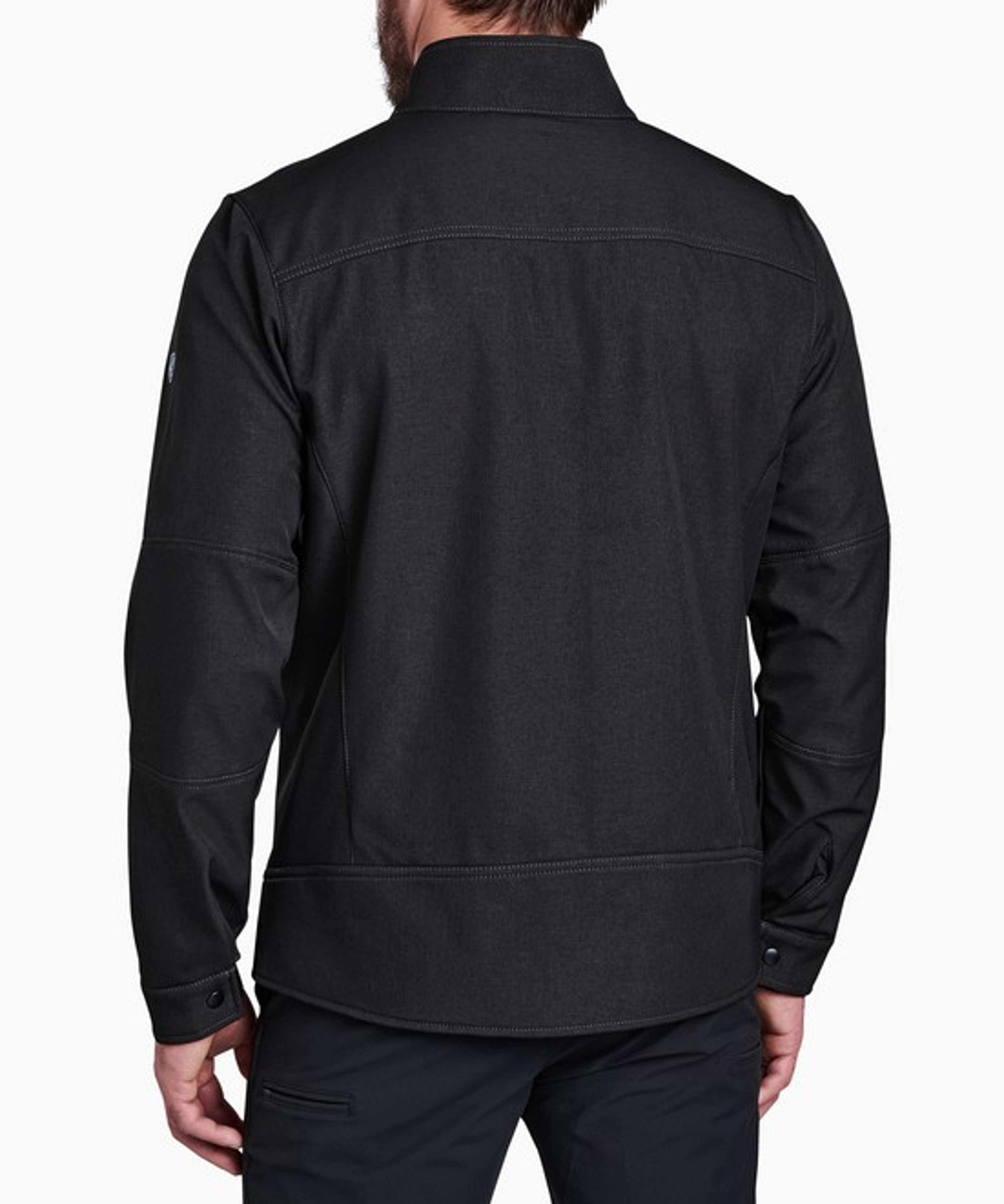
Softshell Versatility. For high-output days when a hardshell is overkill, softshell construction with 4-way stretch and a brushed interior delivers wind resistance, light water repellency, and the breathability you need on the move. Articulated patterning and underarm stretch panels keep range of motion uncompromised when scrambling or reaching overhead.
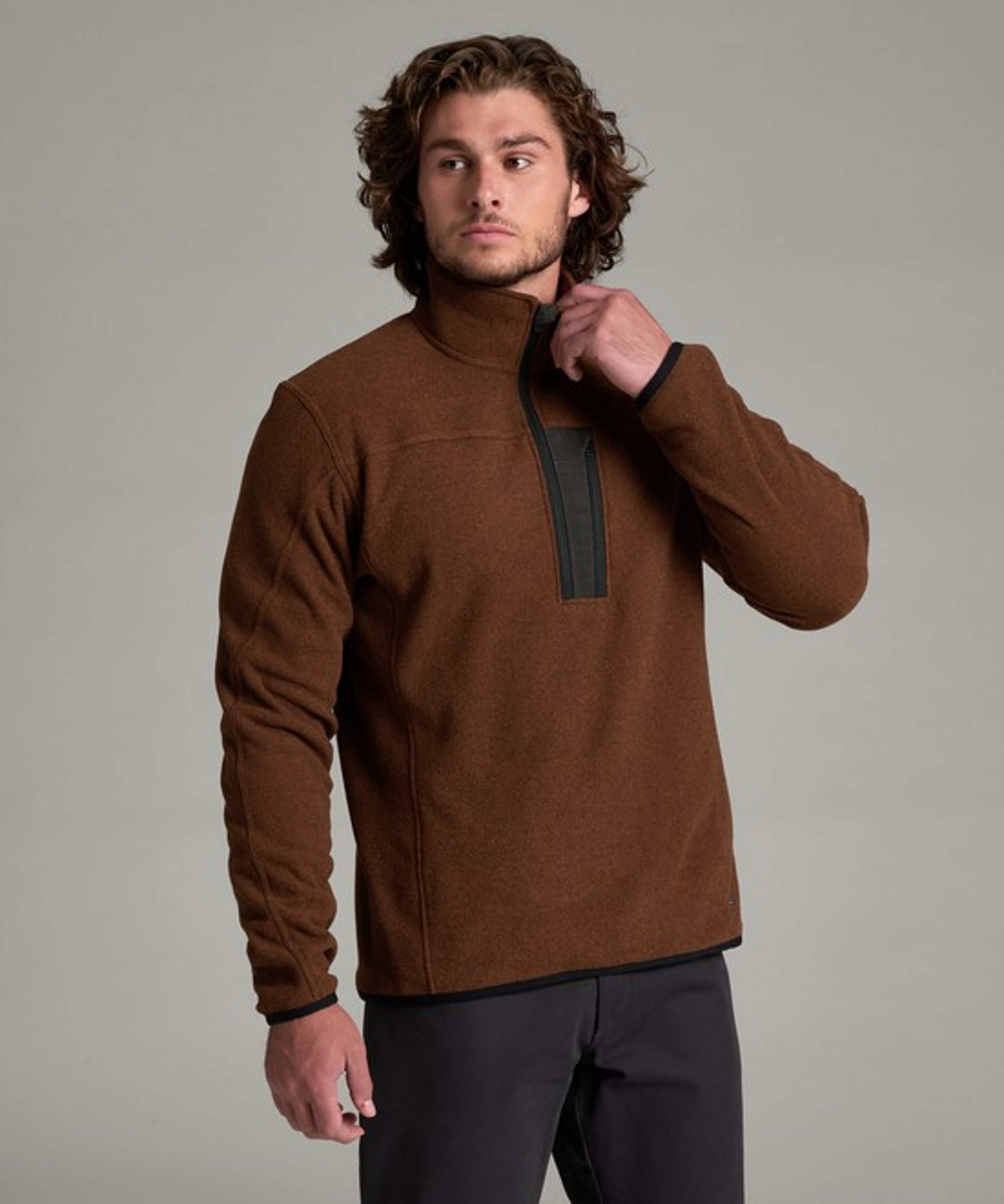
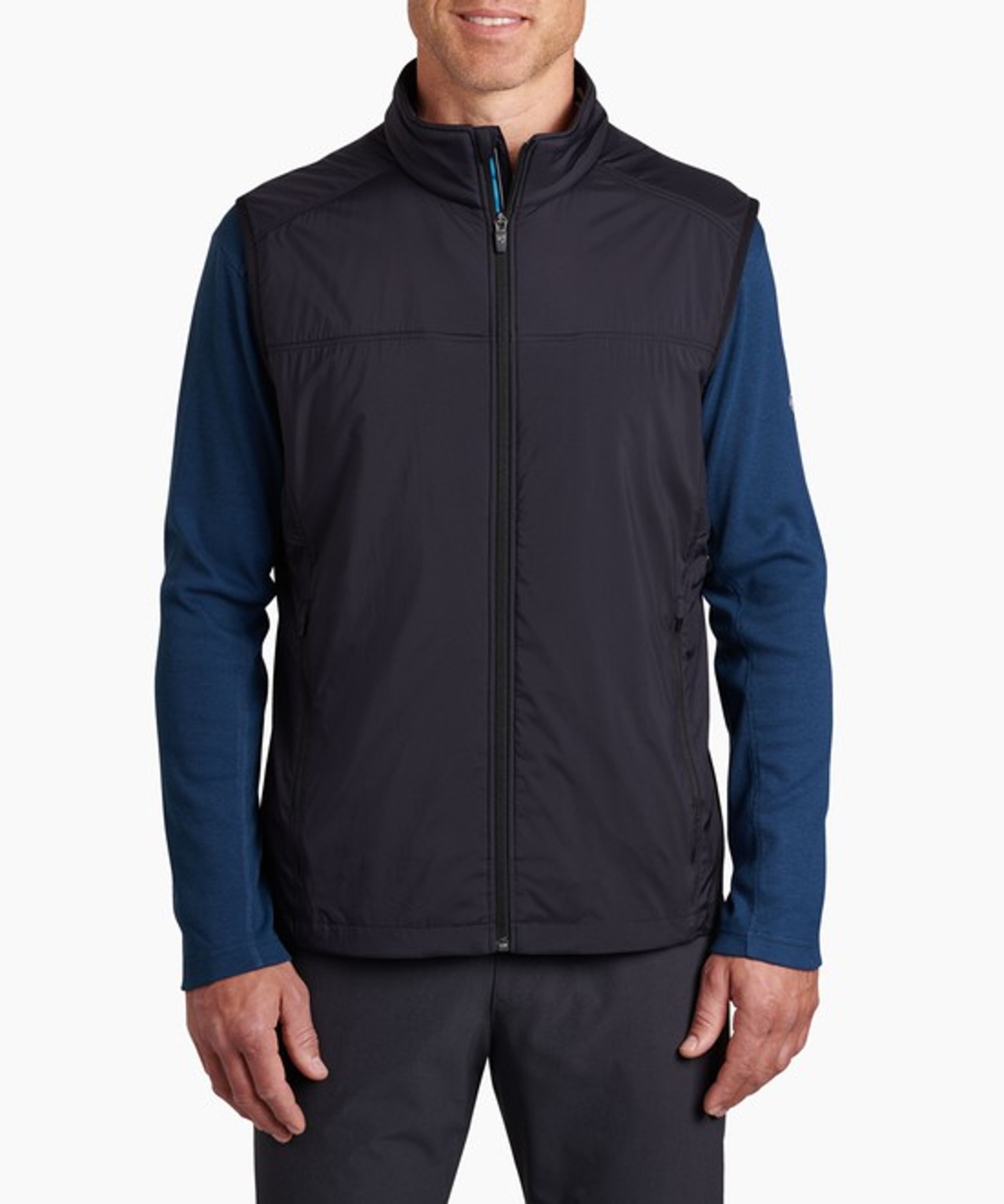
Layer-Ready Mid Weights. Lighter men's fleece pieces anchor a three-piece system underneath these shells, while a packable insulated vest adds core warmth without bulk in the arms. Mix-and-match construction means a single jacket can carry you across seasons depending on what you stack underneath.
Weather-Specific Shells. When the forecast turns wet, our men's rain jackets and dedicated softshell outerwear collections handle sustained precipitation and gusts that a casual jacket can't. For dry, cold mornings, a down-insulated layer gives you the warmth-to-weight that synthetic alternatives still can't match.
Look for signature touches like adjustable cuffs and hems that seal out drafts, thumb loops on sleeve gaiters, reinforced shoulder overlays, temperature-regulating underarm gussets, and interior security pockets sized for a phone and passport.
Choose from a variety of fabrics, styles, and features for the men's outerwear that's right for you:
Rugged Canvas Reliability. Cotton-canvas jackets and lined options bridge workwear durability and weekend wear, with combed weaves, quilted or smooth interior linings, and zippered pockets that keep essentials secure when the temperature drops. These layers shrug off scrapes and brush without feeling stiff on the body.
Down Warmth Where You Need It. Insulated jackets, hoodies, and vests use thermal body mapping to put more down at the core and less in heat-producing zones, so you stay warm without overheating on the climb. Water-resistant ripstop face fabrics with a DWR finish shed light moisture, and reinforced shoulders take the abuse of pack straps and gear hauls.
Softshell Versatility. For high-output days when a hardshell is overkill, softshell construction with 4-way stretch and a brushed interior delivers wind resistance, light water repellency, and the breathability you need on the move. Articulated patterning and underarm stretch panels keep range of motion uncompromised when scrambling or reaching overhead.
Layer-Ready Mid Weights. Lighter men's fleece pieces anchor a three-piece system underneath these shells, while a packable insulated vest adds core warmth without bulk in the arms. Mix-and-match construction means a single jacket can carry you across seasons depending on what you stack underneath.
Weather-Specific Shells. When the forecast turns wet, our men's rain jackets and dedicated softshell outerwear collections handle sustained precipitation and gusts that a casual jacket can't. For dry, cold mornings, a down-insulated layer gives you the warmth-to-weight that synthetic alternatives still can't match.
Look for signature touches like adjustable cuffs and hems that seal out drafts, thumb loops on sleeve gaiters, reinforced shoulder overlays, temperature-regulating underarm gussets, and interior security pockets sized for a phone and passport.
Buyer guidance for KÜHL men's outerwear: shell types, insulation choices, waterproofing, fit for layering, and the features that matter on the trail.
What should you look for in men's outerwear?
The right jacket matches the weather you actually face and the layers you already own. Prioritize weather protection that fits your climate, breathability that matches your output level, room to layer a base and mid underneath, and an articulated cut that doesn't bind when you reach overhead. Concrete details to check: a DWR finish on the face fabric, sealed or taped seams if you'll see real rain, pit zips or mesh ventilation for high-output days, an adjustable hood, and pocket placement that stays accessible while wearing a pack. Pieces that nail those four pillars carry you across seasons.
What's the difference between a hardshell, softshell, and insulated jacket?
A hardshell is a fully waterproof, windproof outer layer built for sustained rain and snow: usually a membrane-backed face fabric with taped seams and water-repellent zippers, with no insulation of its own. A softshell sits one tier down: it blocks wind, sheds light moisture, and stretches with you, which makes it the better pick for high-output activity in dry-to-damp conditions. An insulated jacket is the warmth layer, down or synthetic fill trapped between a face fabric and a liner, worn on its own in cold dry air, or under a shell when it's actively raining. Most kits use two of the three rather than one do-it-all piece. For pure wet-weather coverage, see our men's rain jackets.
How do you choose between down and synthetic insulation?
Down wins on warmth-to-weight and packability. Synthetic wins when wet weather is in the forecast. Goose or duck down compresses smaller and warms harder per ounce than any synthetic on the market, which is why it dominates cold-and-dry alpine kits. The catch: wet down clumps and loses loft, so it underperforms in rain or heavy sweat unless the face fabric stays dry. Synthetic fills hold most of their warmth when soaked and dry faster, making them the safer pick for damp climates, shoulder-season trips, or anyone who runs hot and sweats through a layer. Many KÜHL insulated pieces pair a water-resistant ripstop exterior with mapped down placement to keep the warmth-to-weight edge while pushing back against the moisture concern.
Are outerwear waterproof or just water-resistant?
It depends on the construction, and the distinction matters more than the marketing makes it sound. A DWR finish alone is water-resistant: it beads off light rain and morning mist but soaks through under sustained precipitation. True waterproofing requires a membrane bonded to the face fabric plus taped seams and water-repellent zippers, the kind of build you'll find in dedicated rain shells. Softshells and insulated jackets generally fall in the water-resistant camp, which is plenty for snow flurries and short showers but not for a daylong downpour. Match the piece to the worst weather you actually plan to be out in, not the average.
How should a outerwear fit for layering?
Outerwear should be cut with enough room for a baselayer and a mid-layer underneath without restricting your shoulders, arms, or breathing. Try the jacket on over the layers you actually wear. A thin tee won't tell you anything useful. Look for articulated or gusseted sleeves that move with your arms when you reach overhead, a hem that drops below the waist of your pants so it doesn't ride up under a pack, and a hood sized to fit over a beanie or, on technical shells, a helmet. The shell should be the loosest piece in the system. Baselayers stay snug, mid-layers split the difference, and the outer layer accommodates everything beneath it.
What features matter most when hiking or backpacking?
For trail use, prioritize ventilation, hood adjustability, pocket access under a pack, and weight you'll actually carry. Pit zips or mesh-vented underarms are non-negotiable on a climb. They let heat escape without forcing you to stop and shed the layer. Hand pockets sized and placed to clear a hip belt keep snacks and a phone reachable. A chest pocket does the same on a sternum strap. An adjustable hood with a stiffened brim sheds rain off your face instead of into it. For packability, look for jackets that stuff into their own pocket or a stuff sack. Underneath, a men's fleece handles mid-layer duty without adding bulk.
All
Full Zip
Jacket
Hoody
Button Up
more