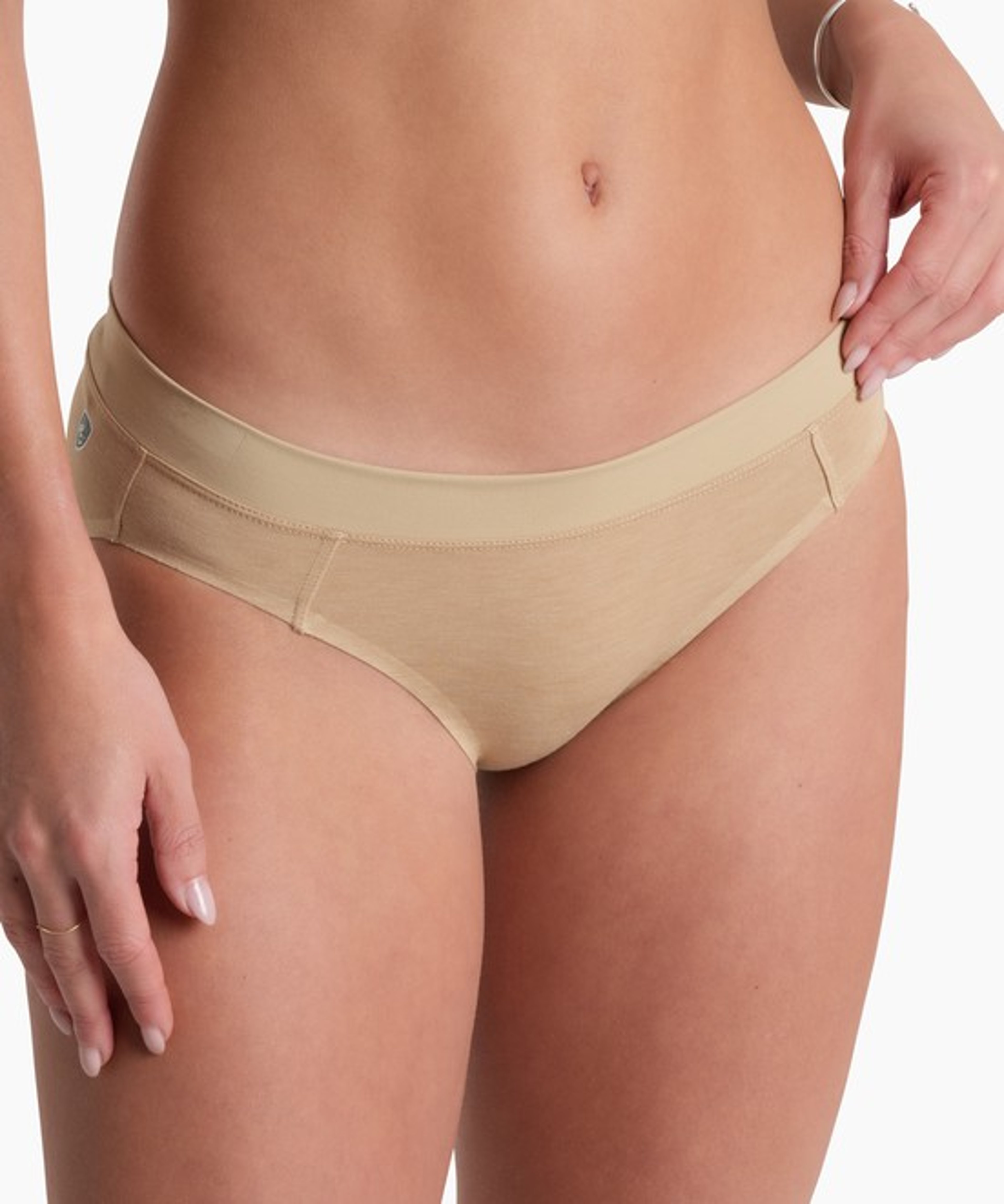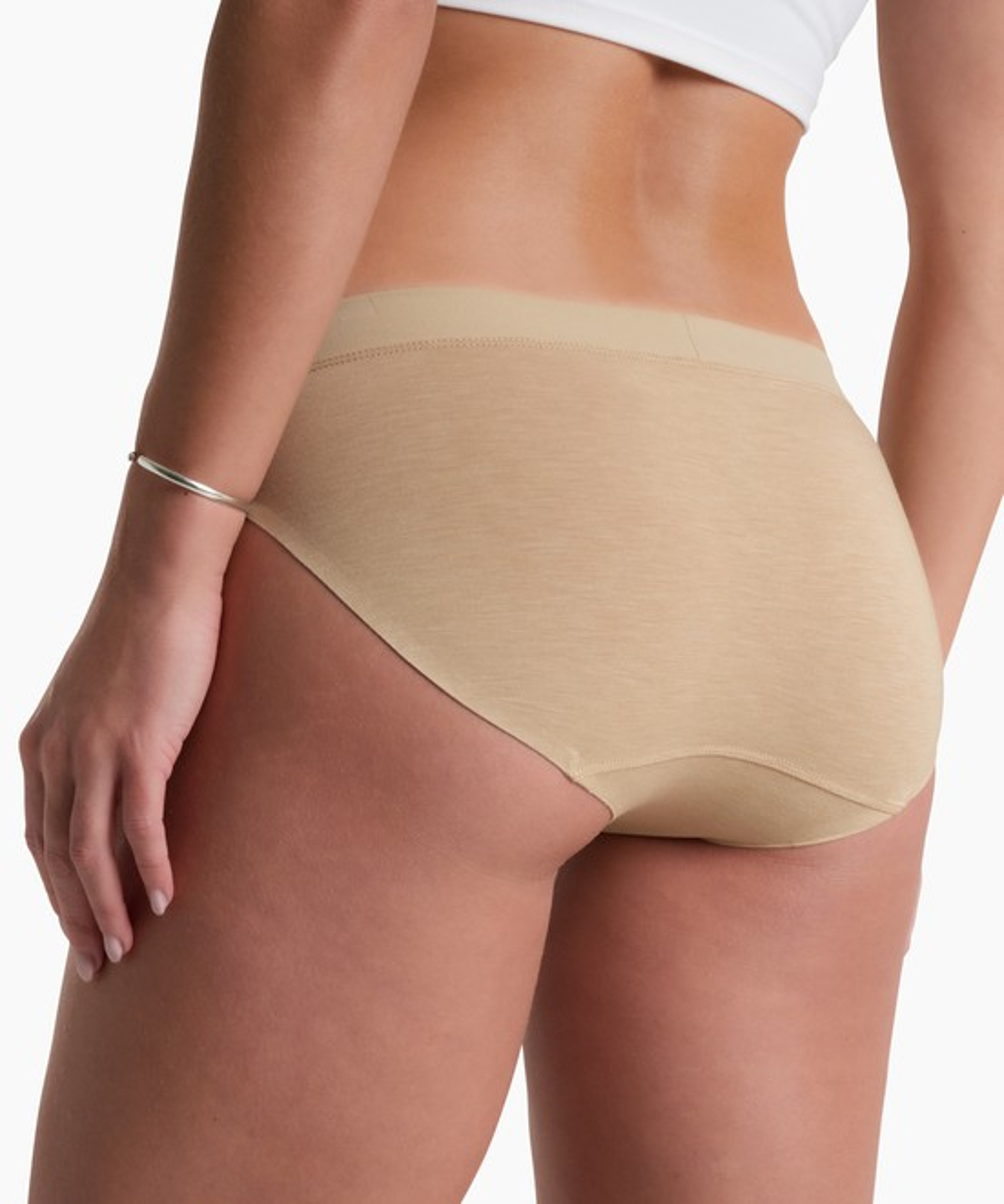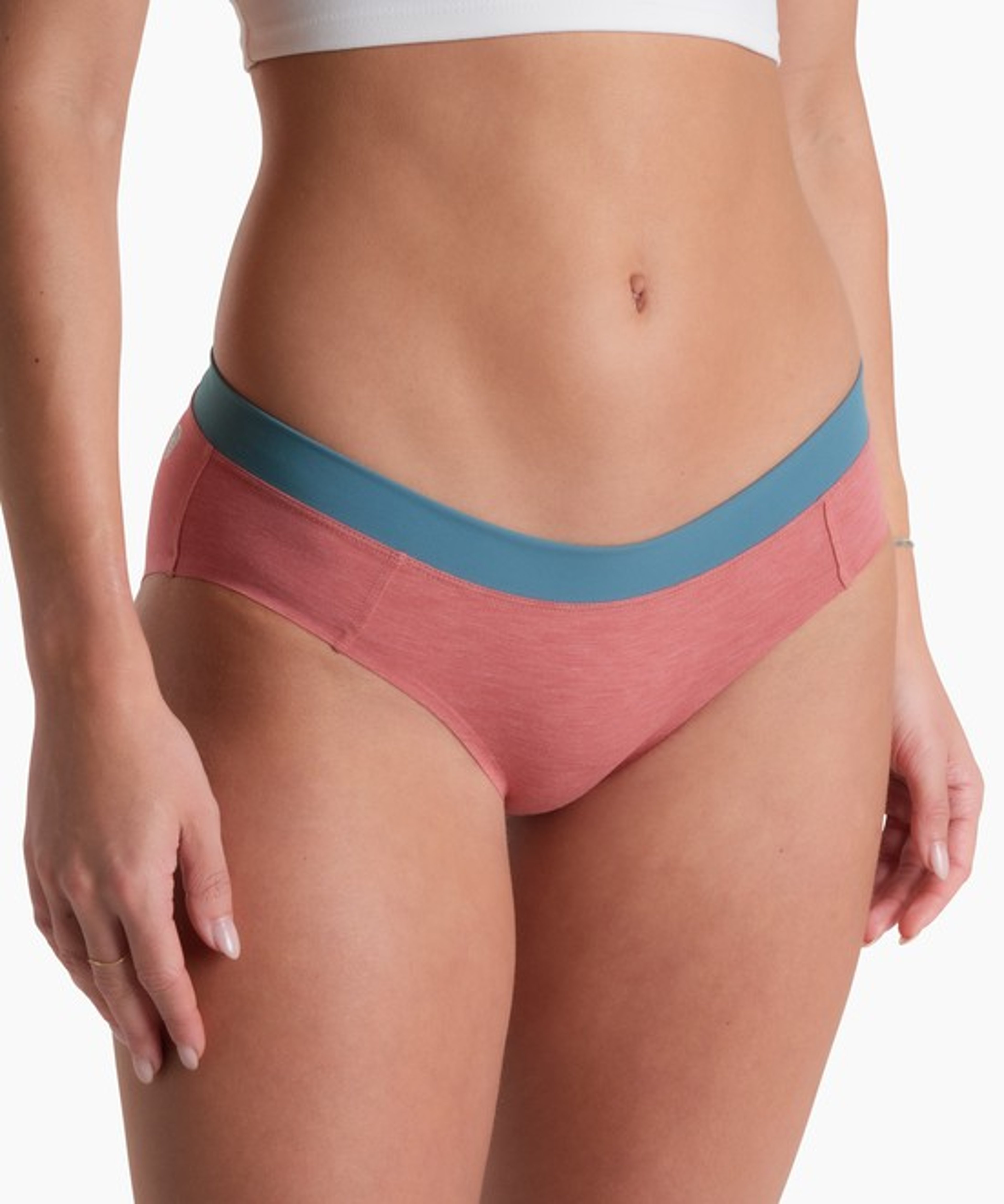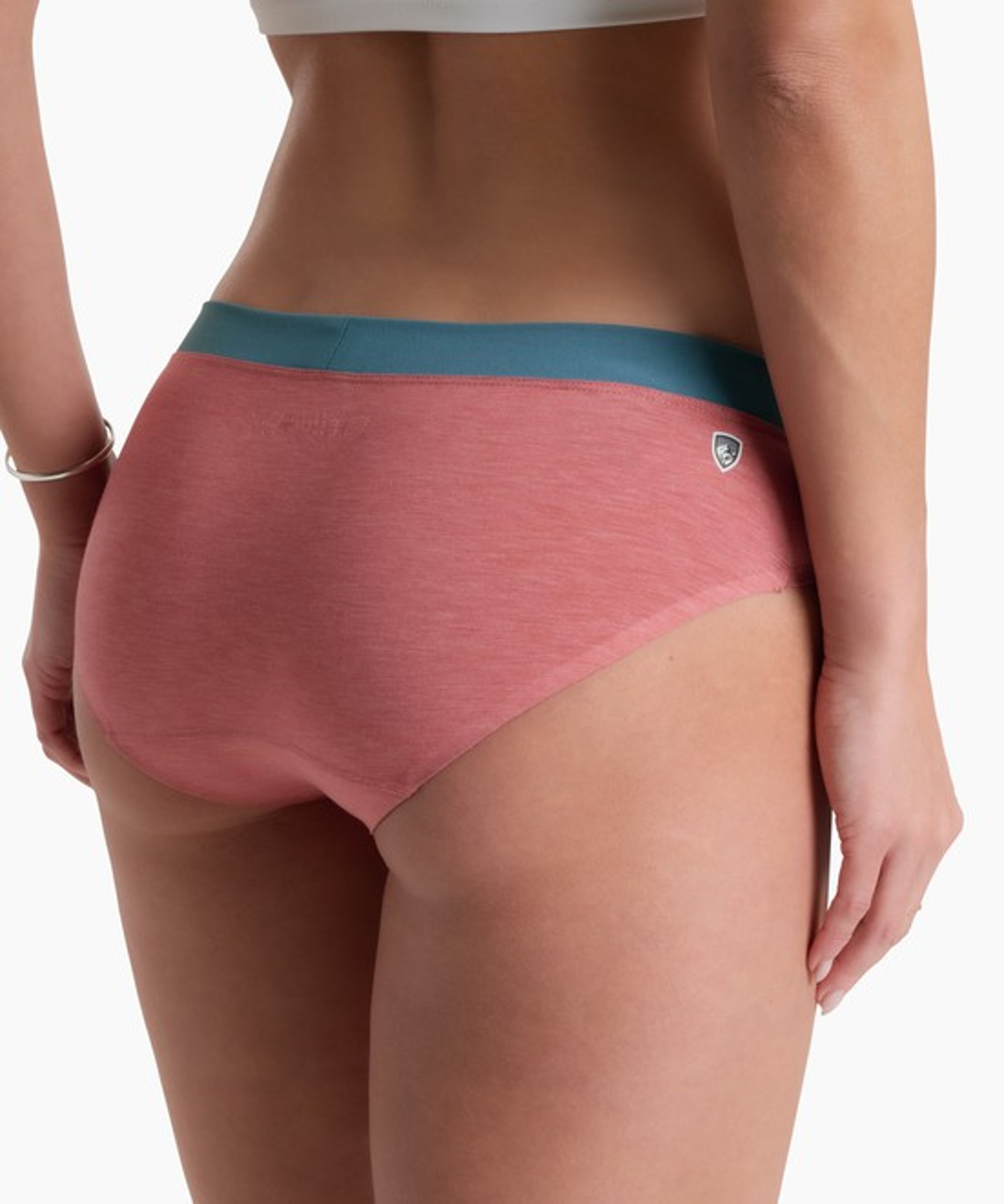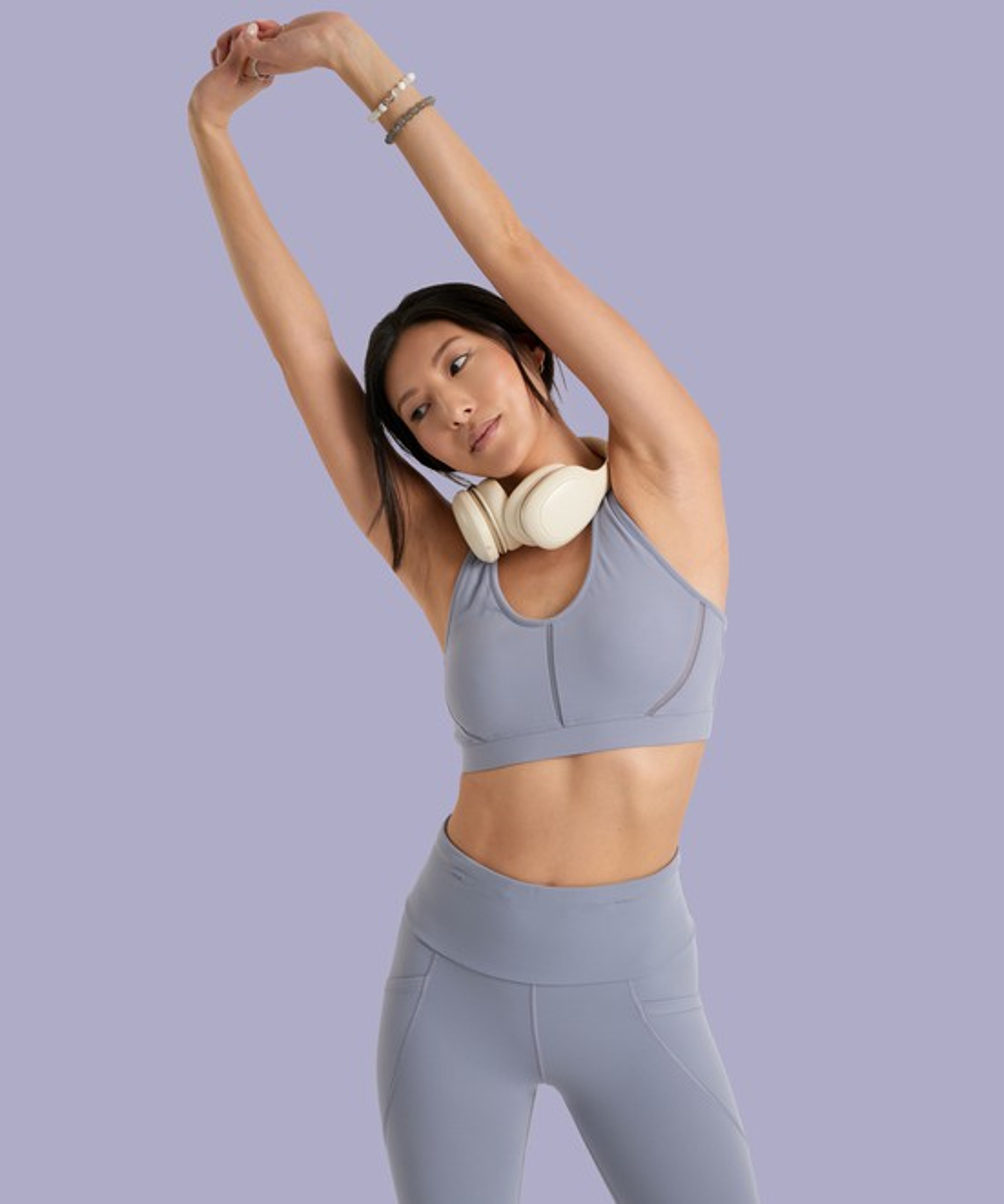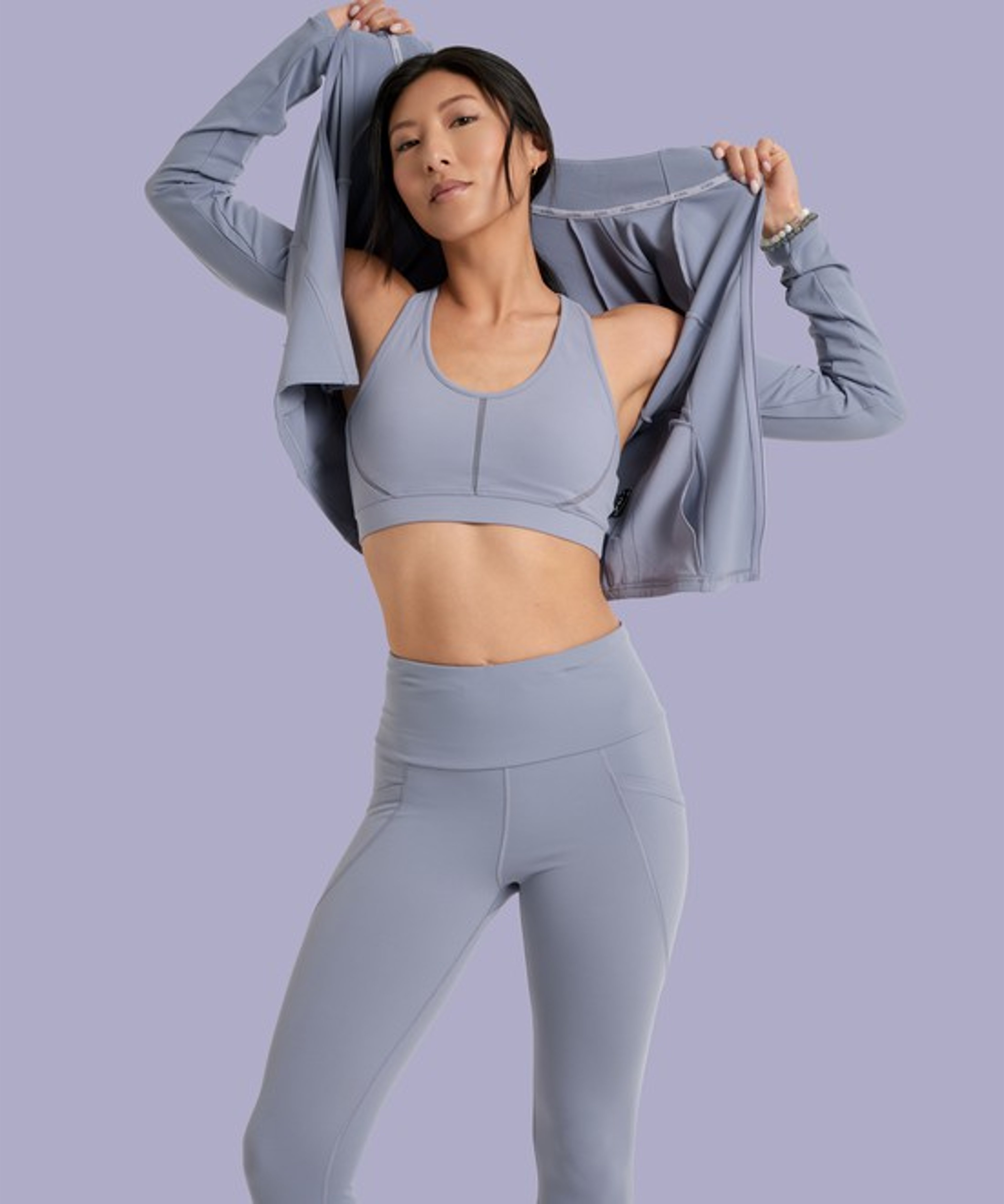





Women's Underwear & Baselayer
Lock in Warmth and Wick Out Sweat with KÜHL Women's Baselayer
The right next-to-skin layer is the difference between a great day in the cold and a miserable one. Your baselayer and performance underwear sit at the foundation of the layering system, moving sweat off the skin, regulating body temperature, and staying comfortable hour after hour.
Choose from a variety of fabrics, weights, and constructions for the women's baselayer and underwear that's right for you:
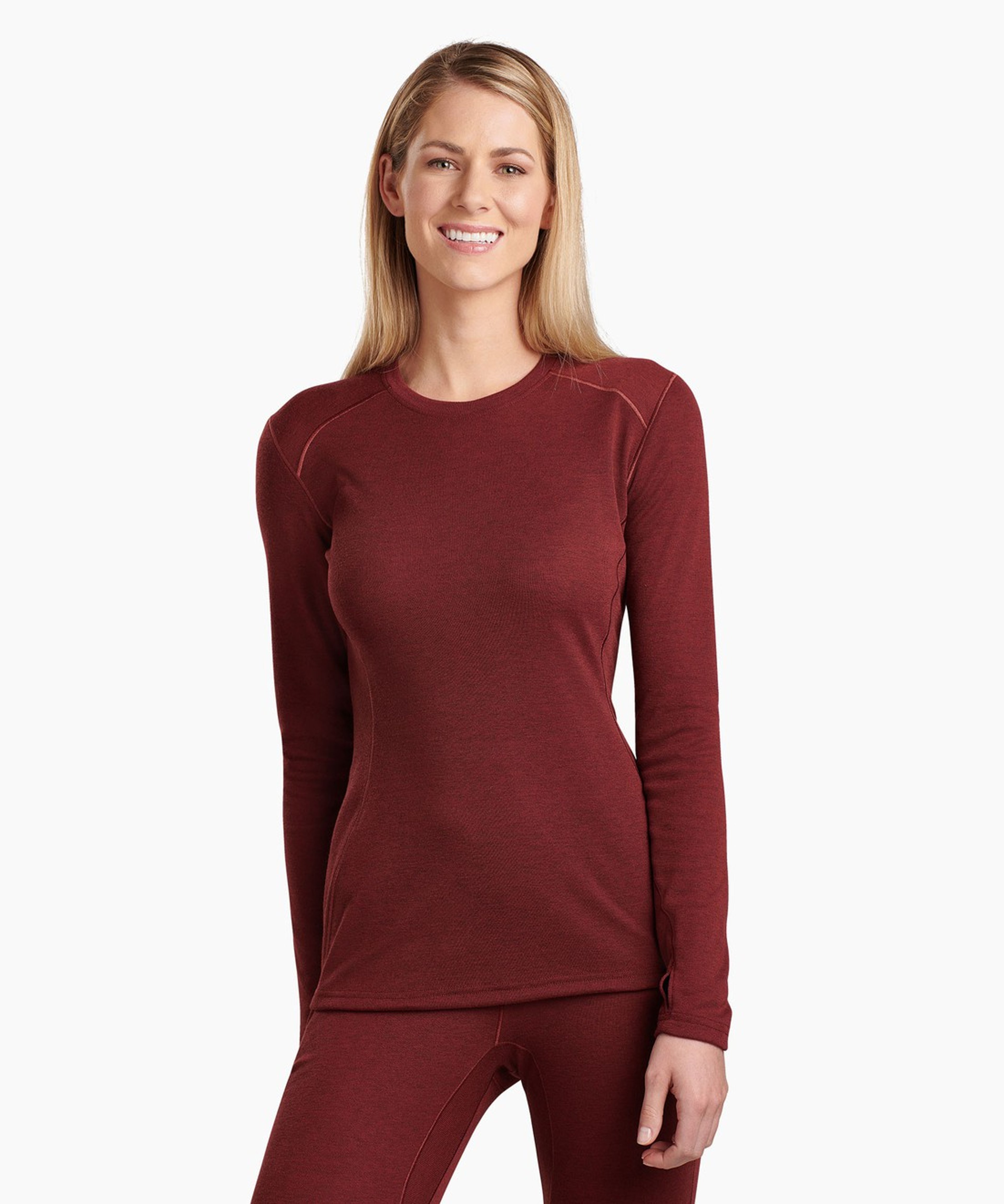
Merino Baselayer. Naturally odor-resistant, temperature-regulating, and remarkably soft against the skin, merino-blend tops and bottoms shine on multi-day trips where washing between wears isn't an option. Premium merino wears warmer in the cold, cooler in mild weather, and resists funk far longer than synthetics. For the full merino picture across tops and mid-layers, see our women's merino wool collection.
Synthetic Performance. Fast-drying synthetic baselayer with 4-way stretch is the right call for high-output days. Moisture-wicking pulls sweat off the skin and disperses it across the fabric face for quicker evaporation, while a trim, articulated cut moves with you on the climb.
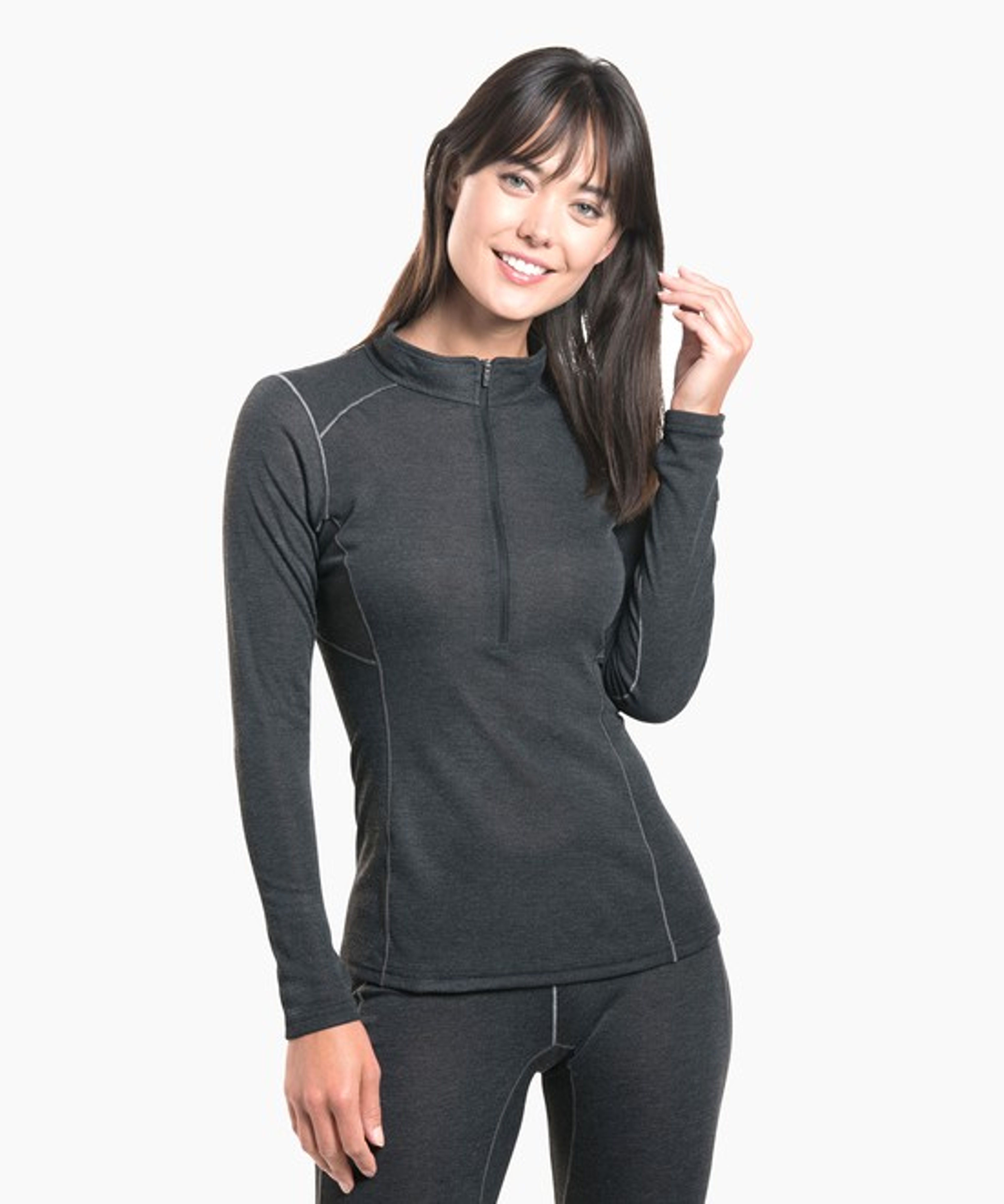
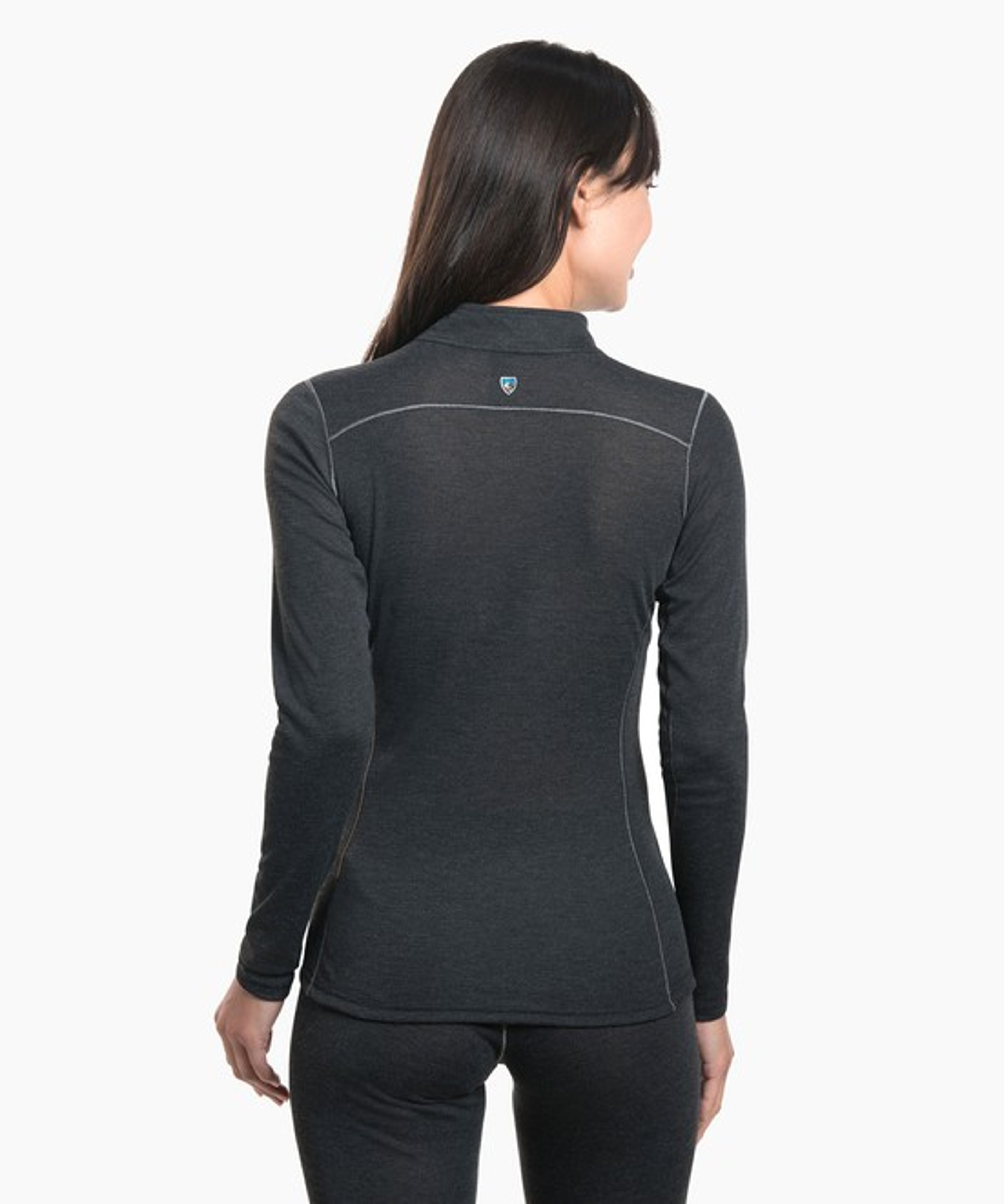
Zip-Neck Tops. A quarter-zip collar gives you on-the-fly venting when the pace picks up and seals back up at the ridge. Strategically placed mesh panels under the arms and across the back add airflow exactly where heat builds.
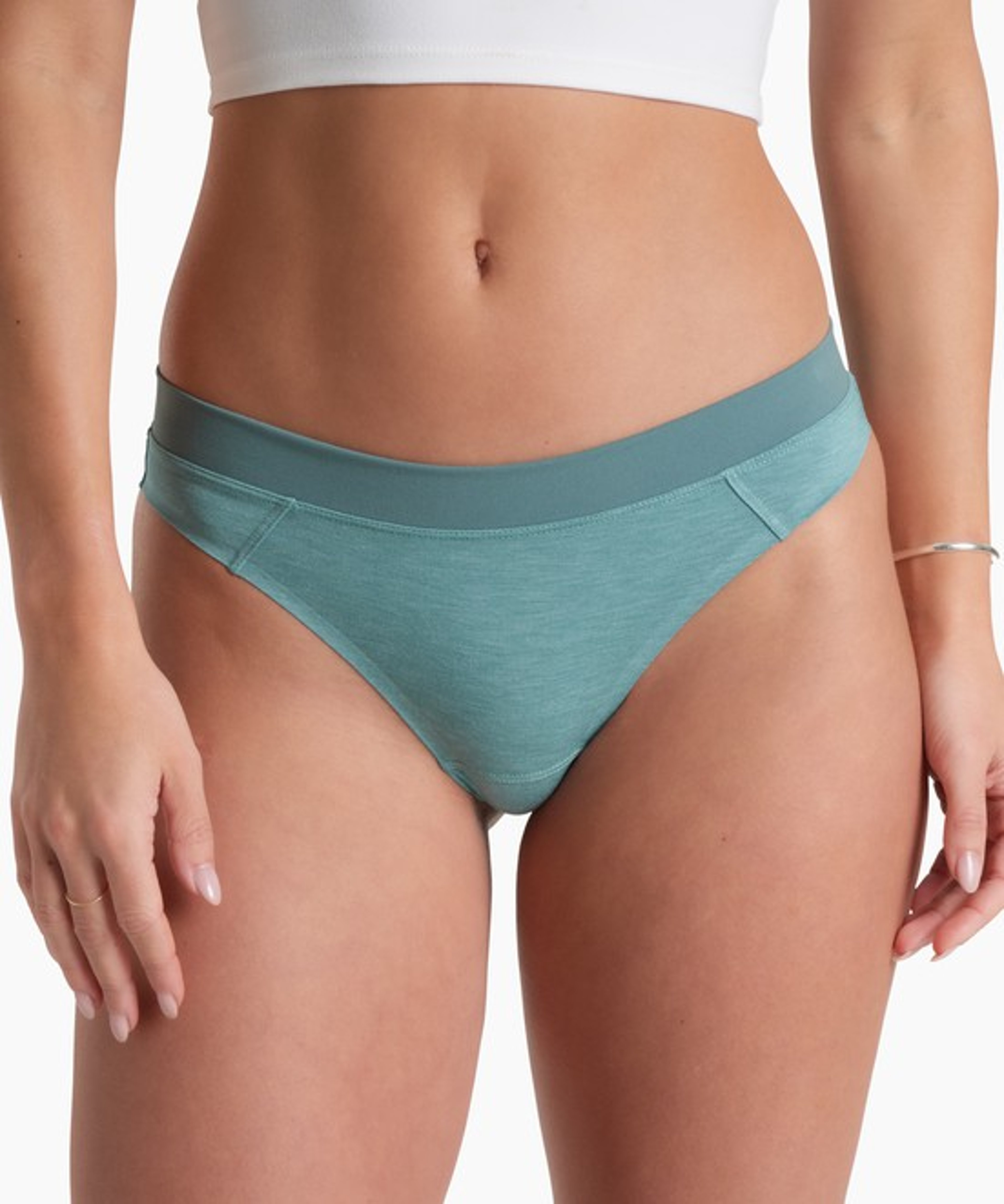
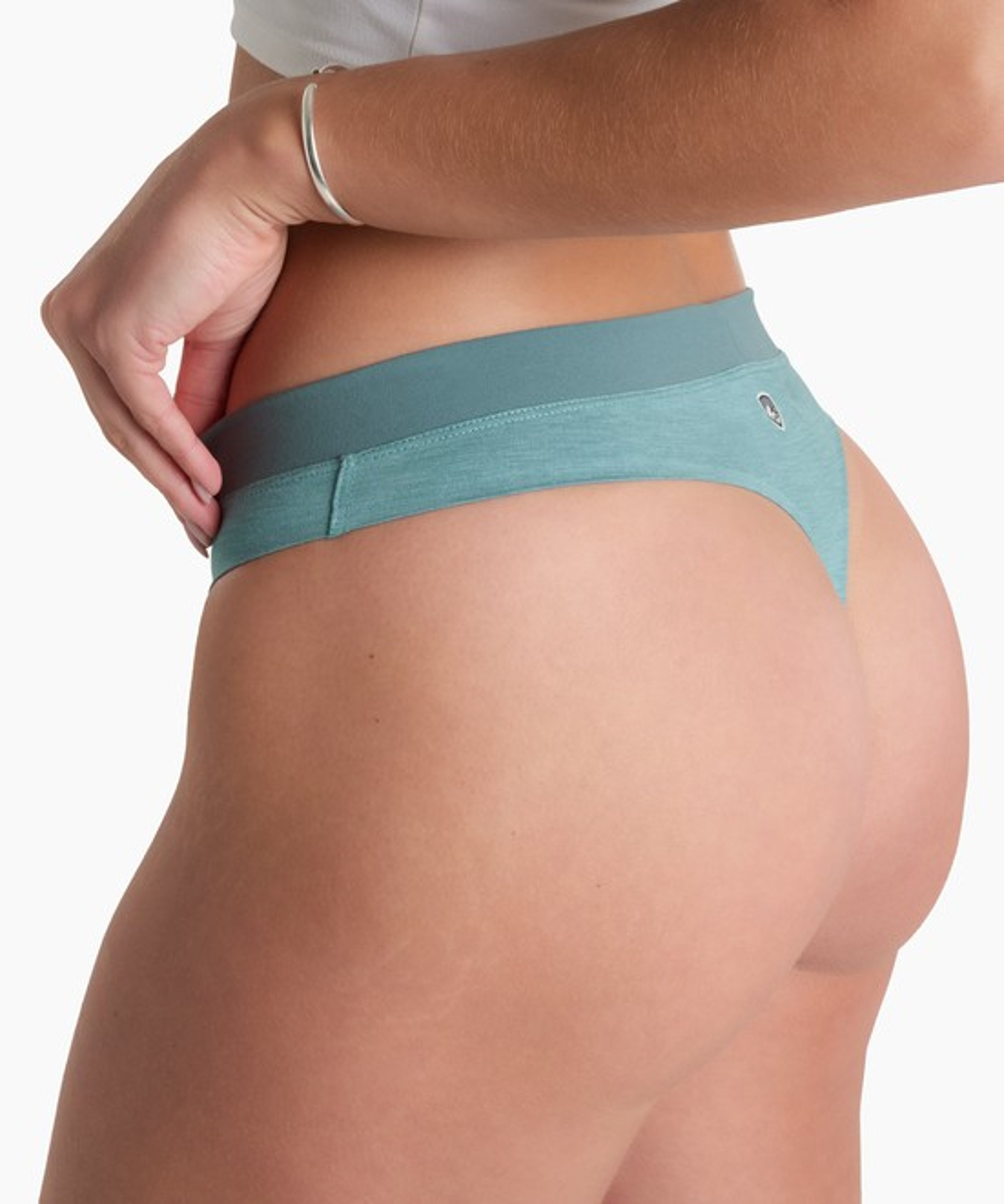
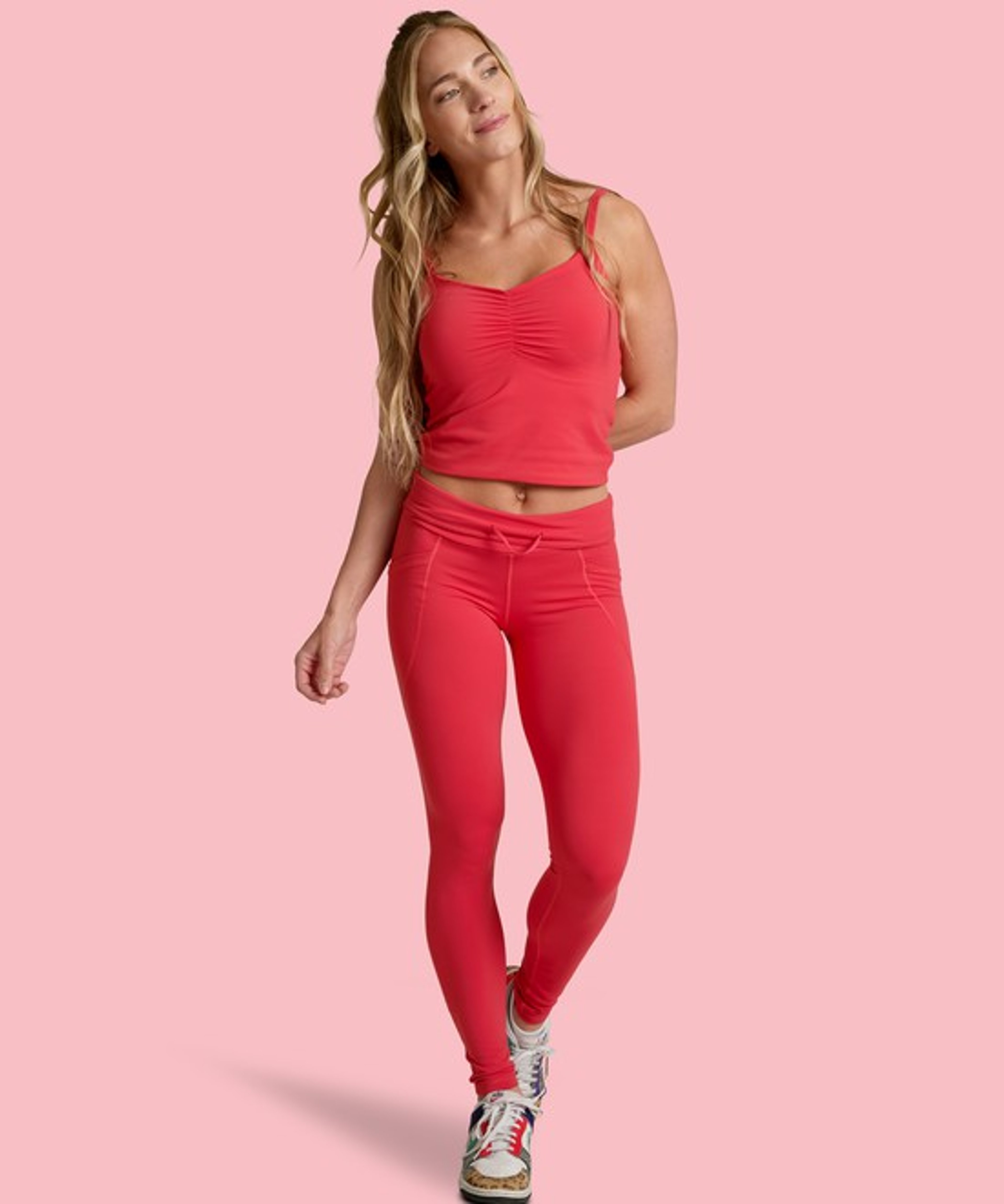
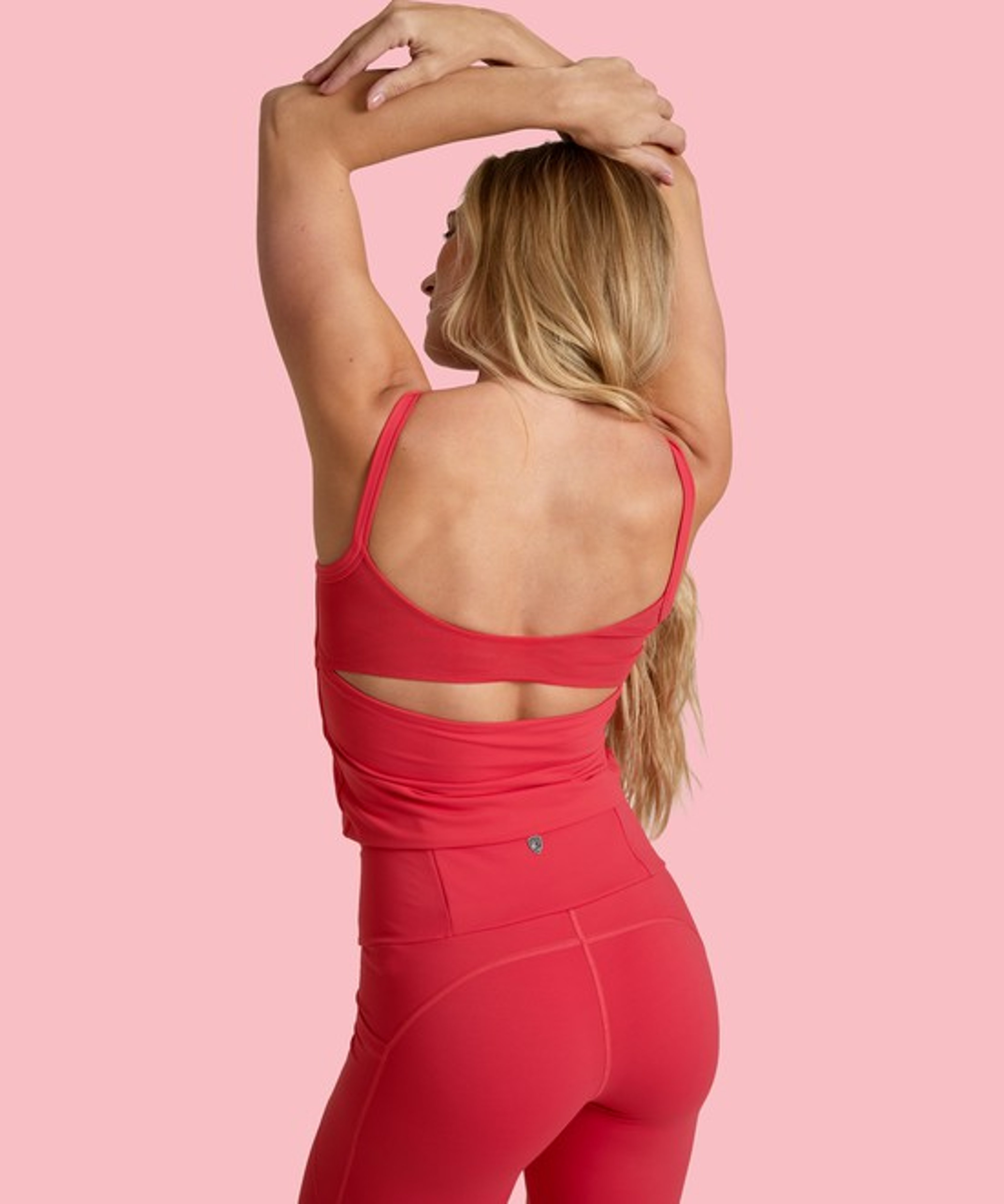
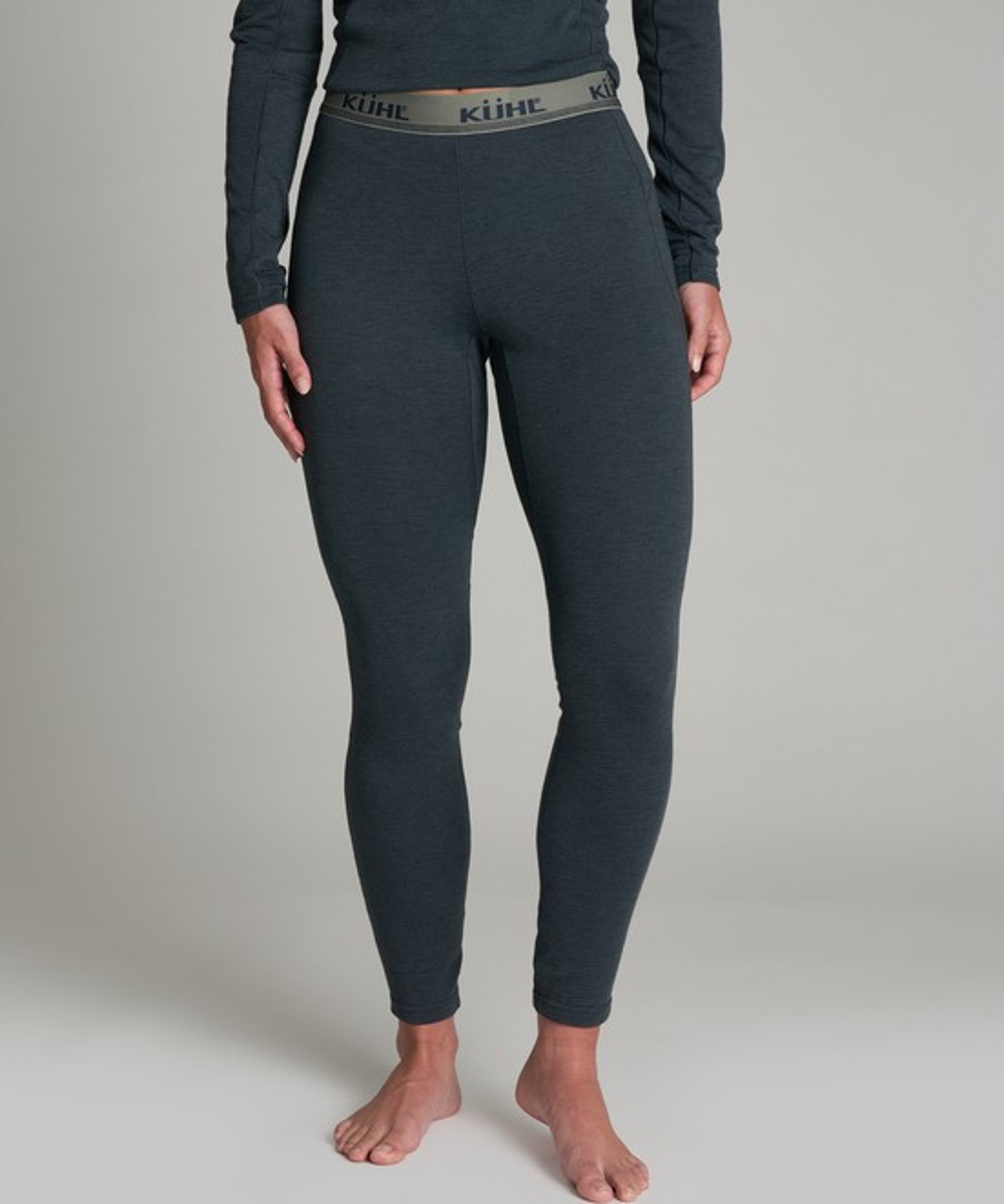
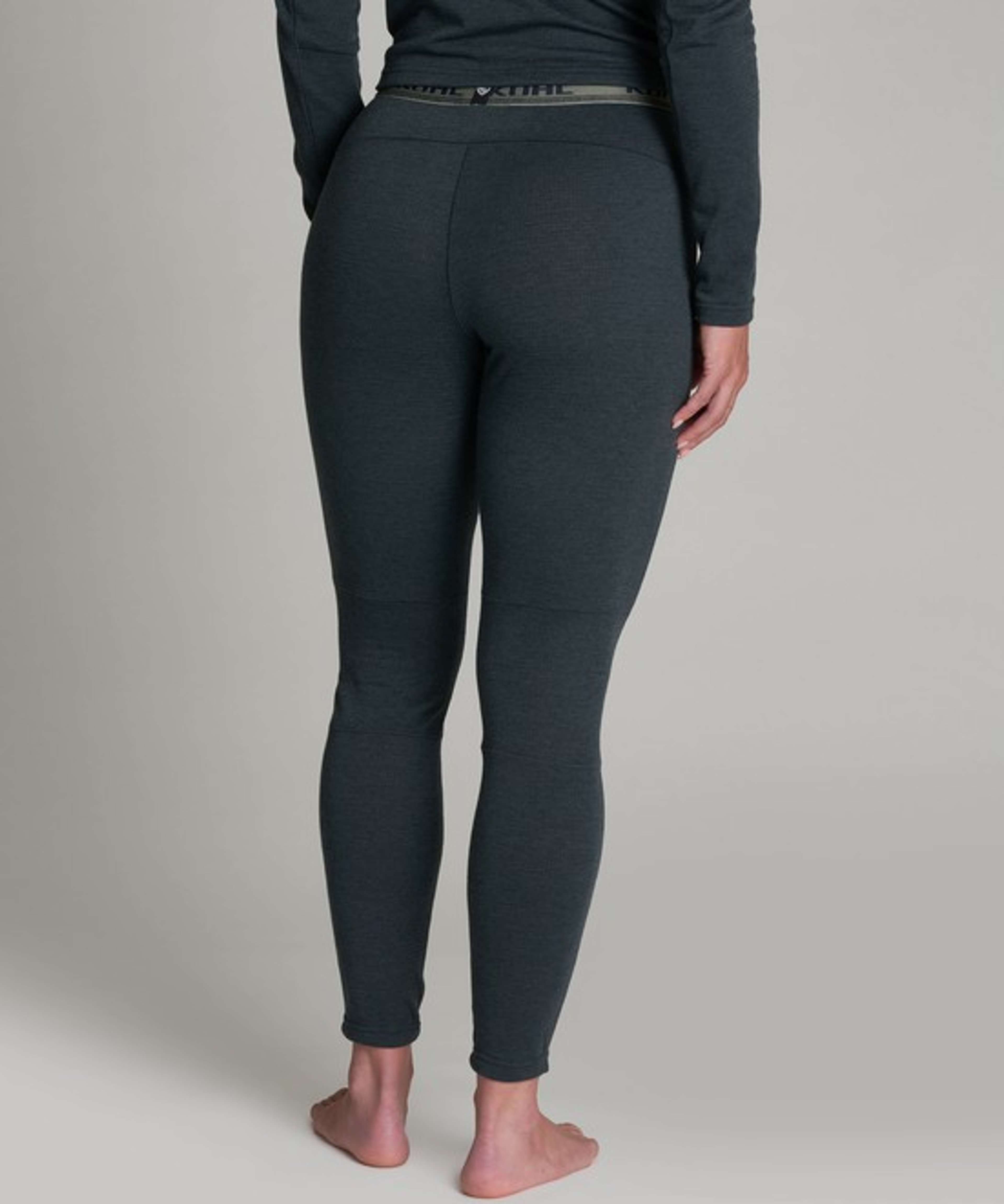
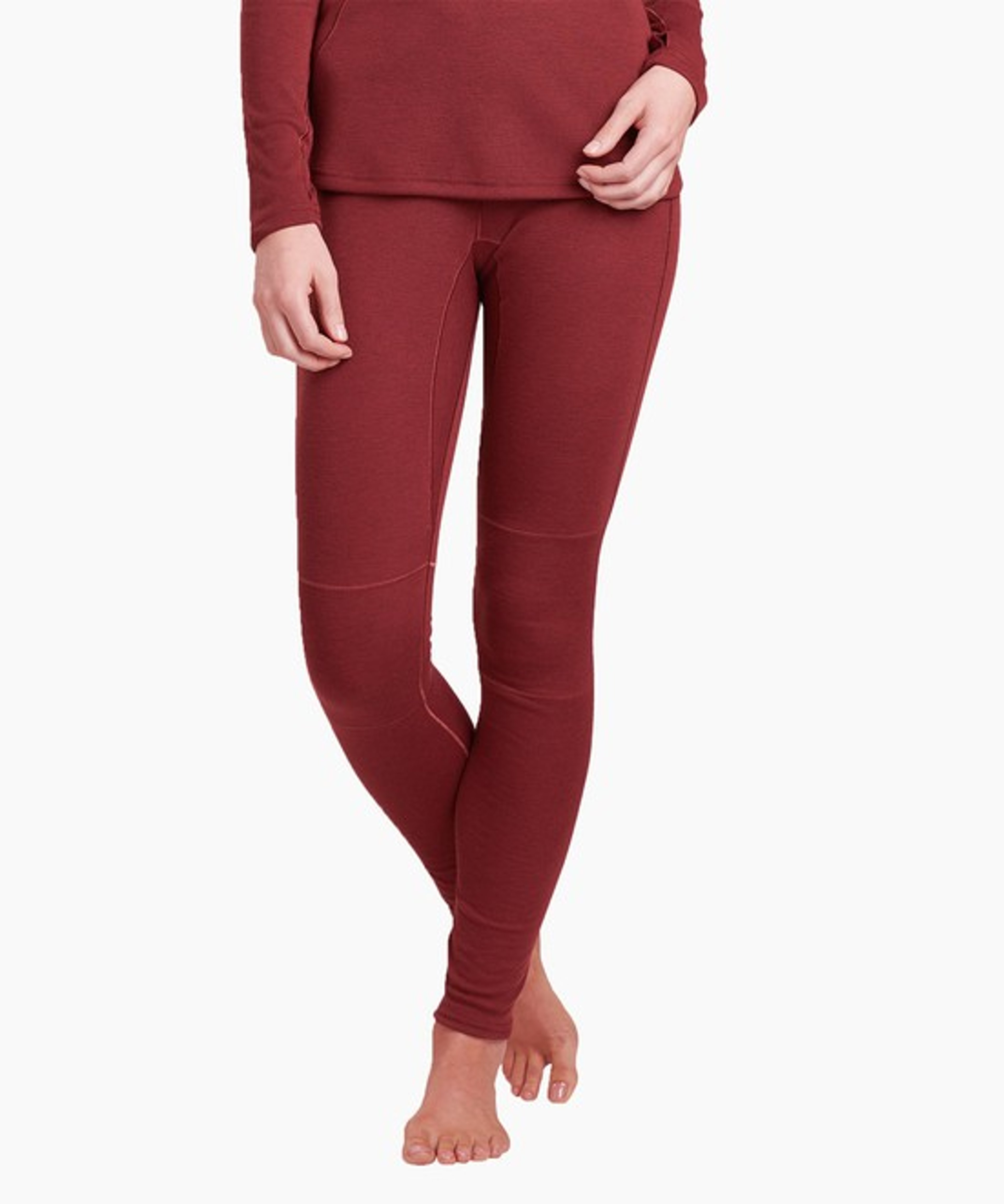
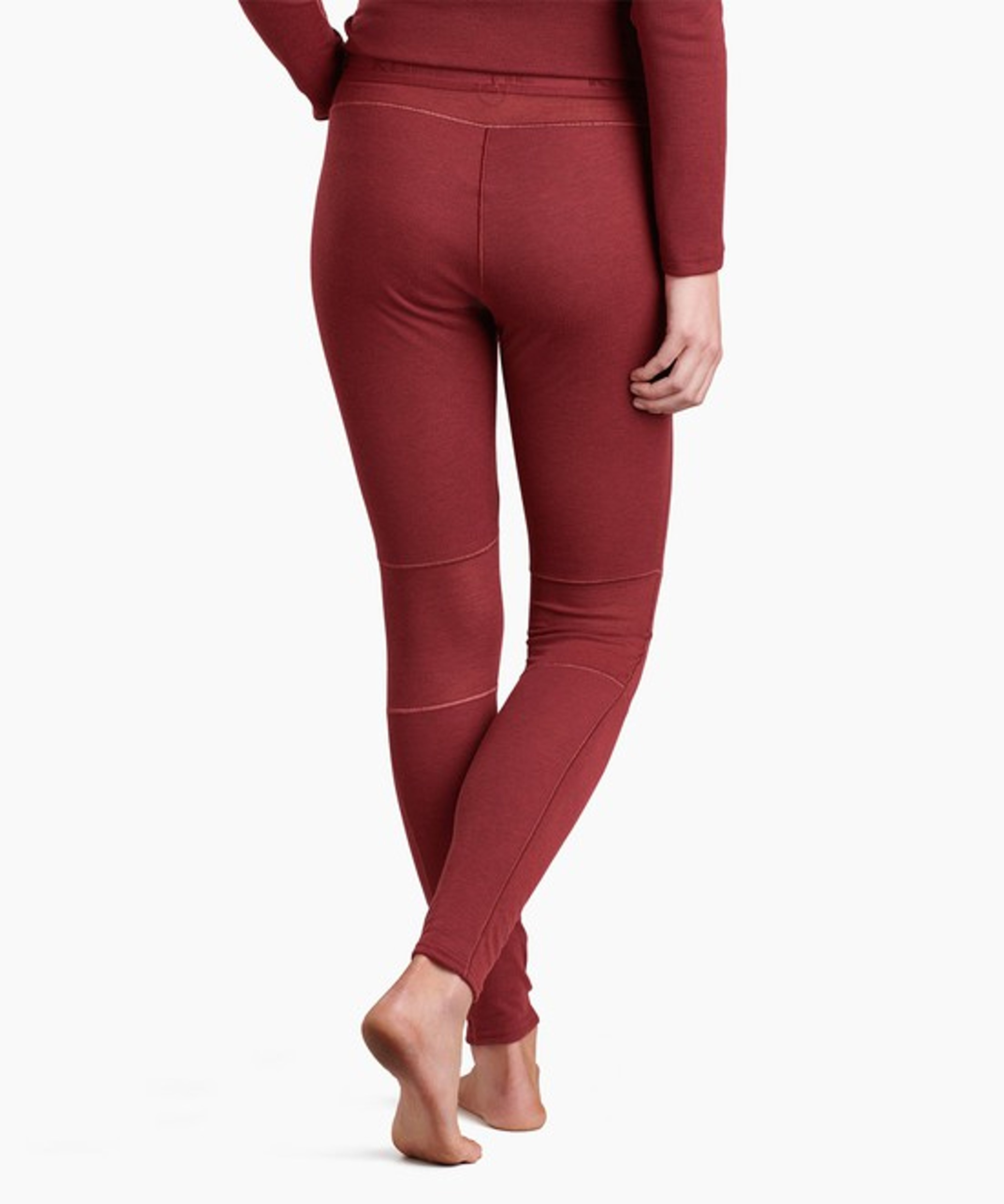
Bottoms and Tights. Body-mapped 3D patterning matches your shape for a no-bind fit under shells, ski pants, or hiking pants. A flat, low-bulk waistband sits cleanly under packs and hipbelts without digging.
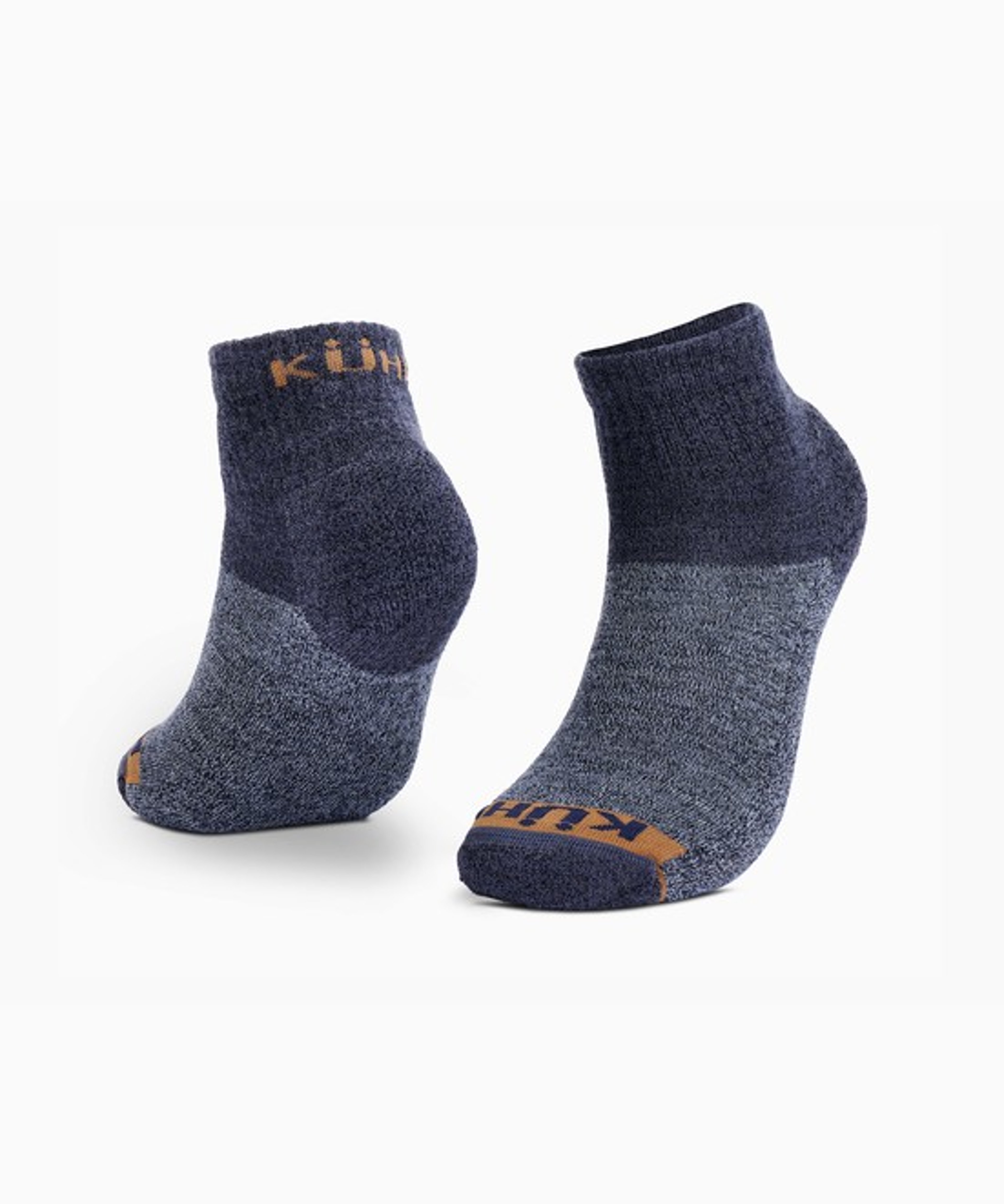
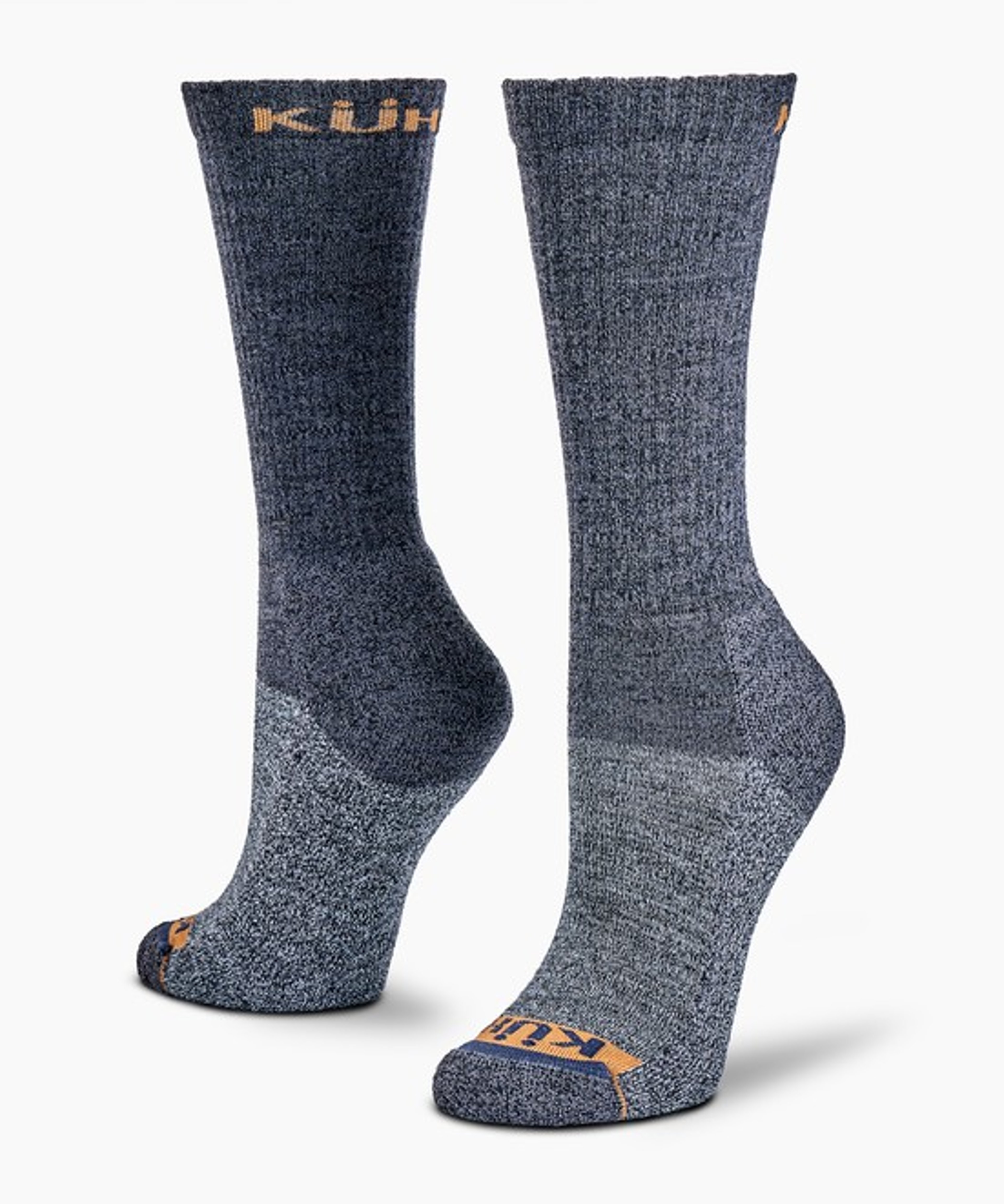
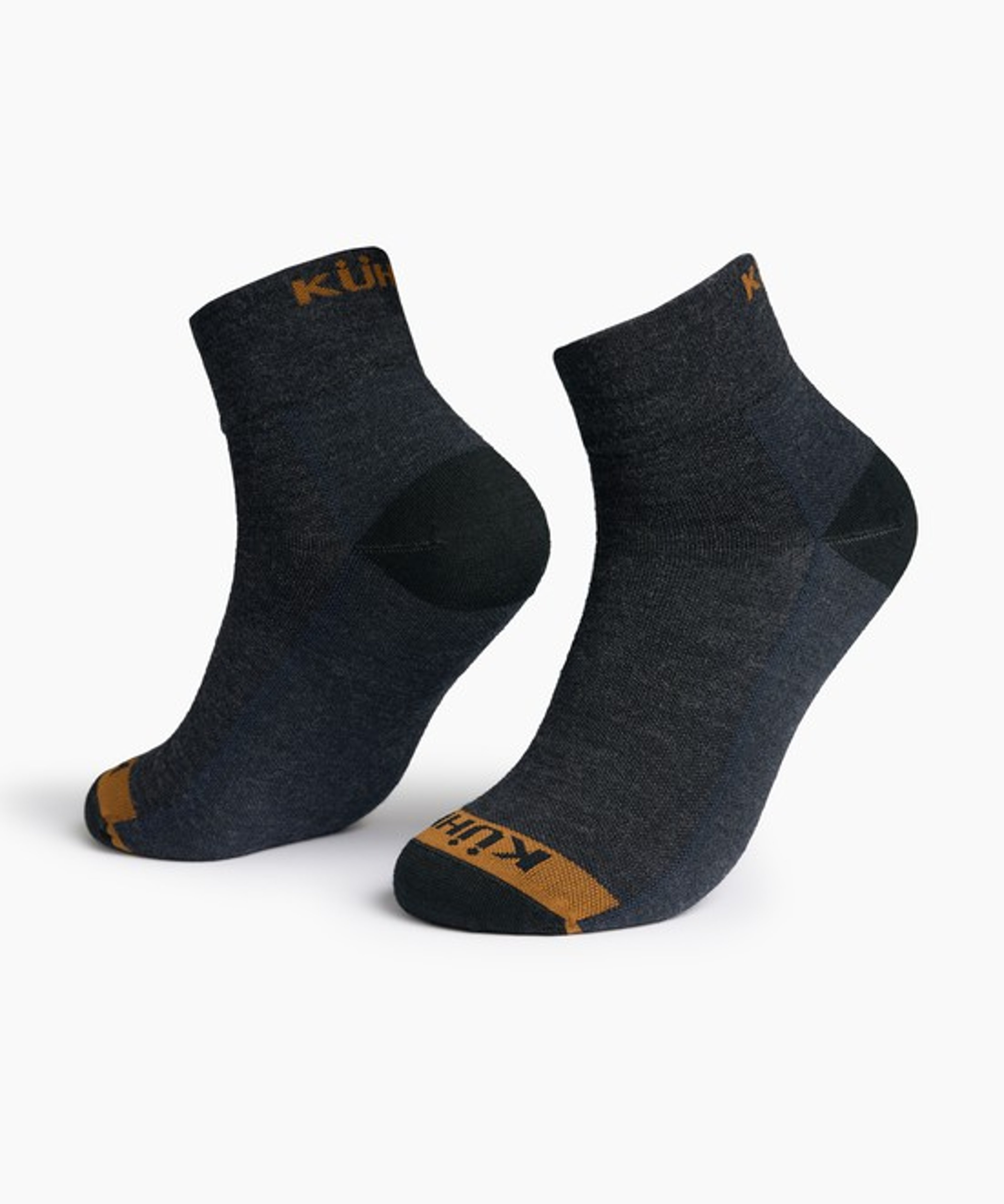
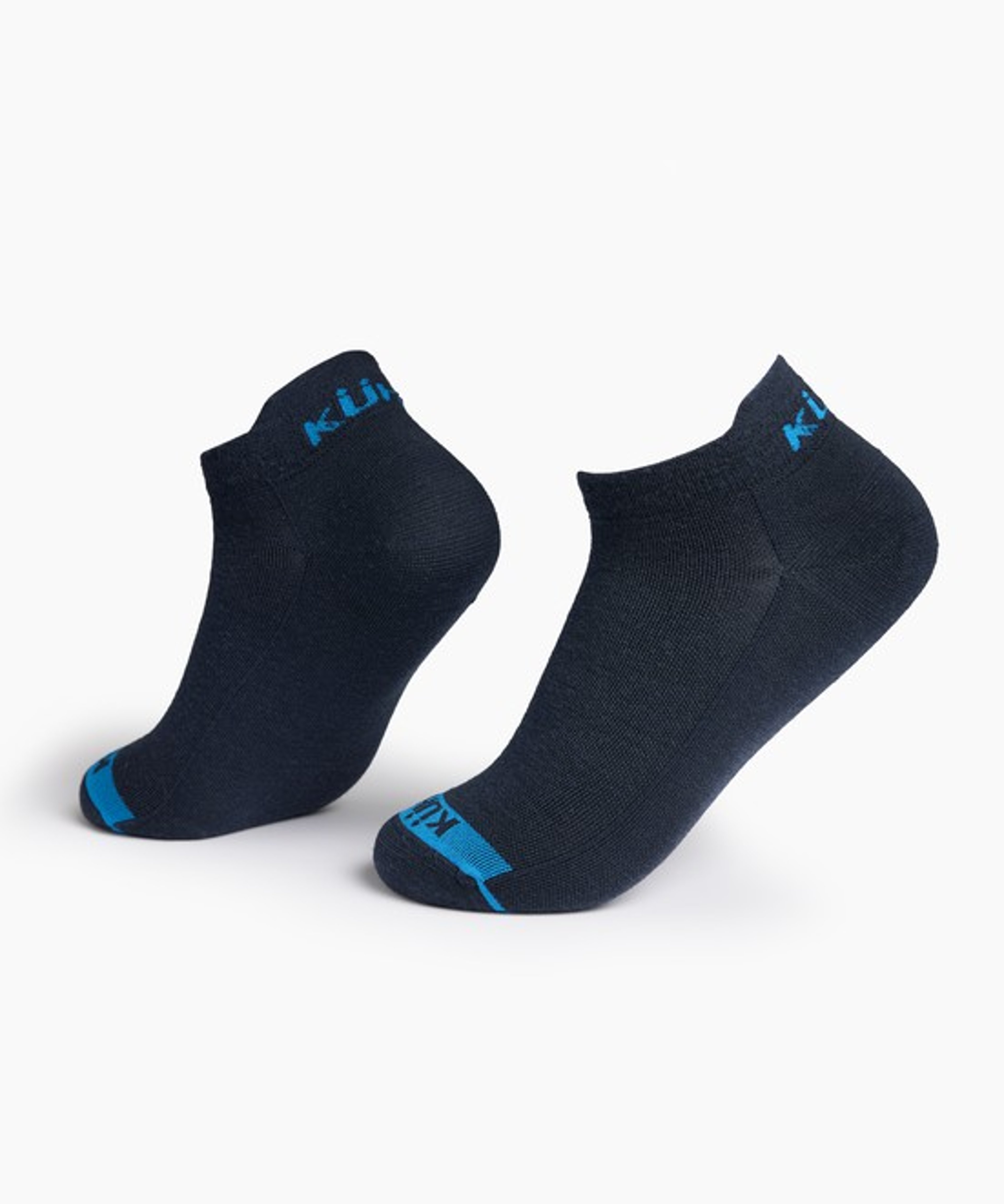
Performance Socks. Ultra-fine merino blended with durable nylon and a touch of Lycra delivers temperature regulation, no-slip fit, and the kind of longevity that earns its price. Choose quarter-height for trail runners or crew-height for hiking boots.
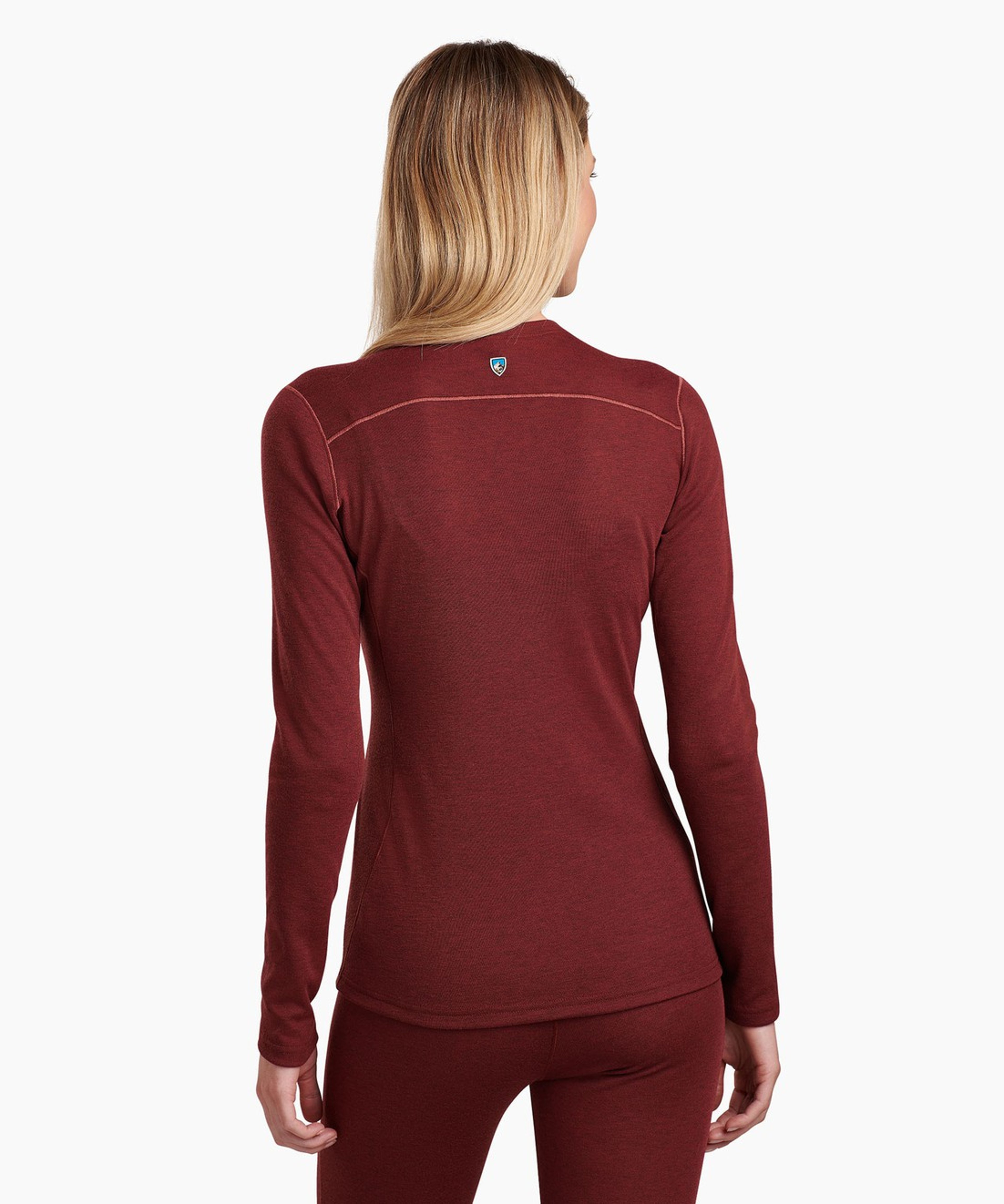
Look for signature touches like flatlock seams that prevent chafe under pack straps, articulated panels for unrestricted reach, and offset shoulder seams that stay out of the way when you layer a long-sleeve shirt or shell on top.
The right next-to-skin layer is the difference between a great day in the cold and a miserable one. Your baselayer and performance underwear sit at the foundation of the layering system, moving sweat off the skin, regulating body temperature, and staying comfortable hour after hour.
Choose from a variety of fabrics, weights, and constructions for the women's baselayer and underwear that's right for you:
Merino Baselayer. Naturally odor-resistant, temperature-regulating, and remarkably soft against the skin, merino-blend tops and bottoms shine on multi-day trips where washing between wears isn't an option. Premium merino wears warmer in the cold, cooler in mild weather, and resists funk far longer than synthetics. For the full merino picture across tops and mid-layers, see our women's merino wool collection.
Synthetic Performance. Fast-drying synthetic baselayer with 4-way stretch is the right call for high-output days. Moisture-wicking pulls sweat off the skin and disperses it across the fabric face for quicker evaporation, while a trim, articulated cut moves with you on the climb.
Zip-Neck Tops. A quarter-zip collar gives you on-the-fly venting when the pace picks up and seals back up at the ridge. Strategically placed mesh panels under the arms and across the back add airflow exactly where heat builds.
Bottoms and Tights. Body-mapped 3D patterning matches your shape for a no-bind fit under shells, ski pants, or hiking pants. A flat, low-bulk waistband sits cleanly under packs and hipbelts without digging.
Performance Socks. Ultra-fine merino blended with durable nylon and a touch of Lycra delivers temperature regulation, no-slip fit, and the kind of longevity that earns its price. Choose quarter-height for trail runners or crew-height for hiking boots.
Look for signature touches like flatlock seams that prevent chafe under pack straps, articulated panels for unrestricted reach, and offset shoulder seams that stay out of the way when you layer a long-sleeve shirt or shell on top.
Get the foundation of your layering system right: compare merino vs synthetic baselayers, fit for layering, and what actually works on hot-weather hikes.
What makes the best underwear & baselayer for you?
The best baselayer checks four boxes: a fabric matched to your conditions, a fit close enough to layer without bunching, moisture-wicking that keeps up with your output, and seams that stay invisible under packs and hipbelts.
Beyond that, think about the day. Cold-weather missions reward heavier-weight merino or merino blends for warmth and odor control. High-output cardio rewards lighter synthetics that dry fast. The right baselayer disappears under your shell. You only notice it when something's wrong.
Beyond that, think about the day. Cold-weather missions reward heavier-weight merino or merino blends for warmth and odor control. High-output cardio rewards lighter synthetics that dry fast. The right baselayer disappears under your shell. You only notice it when something's wrong.
What fabric is best for performance shirts: synthetic, merino, or blend?
Merino, synthetic, and merino-synthetic blends each win in different conditions. There is no single best.
Merino wool regulates temperature across a wider range, resists odor through multi-day wear, and feels soft against the skin. It's the right call for travel, ski touring, and any trip where you can't wash between wears. Synthetic fabrics wick and dry faster, hold up to abrasion under pack straps, and cost less. Choose them for high-sweat efforts and frequent washing. Blends thread the needle: merino on the inside for skin feel and odor control, synthetic on the outside for durability and faster drying. For most hikers, a blend is the most versatile starting point.
Merino wool regulates temperature across a wider range, resists odor through multi-day wear, and feels soft against the skin. It's the right call for travel, ski touring, and any trip where you can't wash between wears. Synthetic fabrics wick and dry faster, hold up to abrasion under pack straps, and cost less. Choose them for high-sweat efforts and frequent washing. Blends thread the needle: merino on the inside for skin feel and odor control, synthetic on the outside for durability and faster drying. For most hikers, a blend is the most versatile starting point.
Do you really need a technical shirt, or will a cotton tee do?
For anything past a flat walk, skip cotton. It absorbs sweat, stays wet against your skin, and stops insulating the moment you slow down.
Technical fabrics do the opposite. Synthetic and merino fibers move moisture off the skin and dry quickly, so you stay warm when it's cold and cool when it's hot. A simple performance crew with moisture-wicking, quick-dry behavior outperforms even premium cotton on the trail. Save the cotton for the porch.
Technical fabrics do the opposite. Synthetic and merino fibers move moisture off the skin and dry quickly, so you stay warm when it's cold and cool when it's hot. A simple performance crew with moisture-wicking, quick-dry behavior outperforms even premium cotton on the trail. Save the cotton for the porch.
Can you wear long-sleeve shirts in summer?
Yes, and on exposed alpine, desert, or shoulder-season days, a long-sleeve performance top usually beats short sleeves.
Long-sleeve fabrics with UPF 50+ block direct UV across your arms far better than sunscreen alone, and mesh panels and breathable knits keep airflow moving even when the sun is overhead. Light coverage also helps in the cooler hours and on shaded trails. When the canopy closes in and a breeze is what you want, swap to a women's short-sleeve shirt or a women's tank top.
Long-sleeve fabrics with UPF 50+ block direct UV across your arms far better than sunscreen alone, and mesh panels and breathable knits keep airflow moving even when the sun is overhead. Light coverage also helps in the cooler hours and on shaded trails. When the canopy closes in and a breeze is what you want, swap to a women's short-sleeve shirt or a women's tank top.
How should a baselayer fit for layering?
A baselayer should sit close to the skin without compressing, trim enough to wick moisture and layer cleanly, but never tight enough to restrict circulation or breathing.
Look for an articulated cut at the shoulder and elbow so you can reach overhead without the hem lifting. Bottoms should hit the ankle without bunching at the boot, with a flat, low-bulk waistband that stays put under hipbelts. If a baselayer binds at the shoulders, rides up at the waist, or twists during a stride, it's either the wrong size or the wrong cut, both fixable.
Look for an articulated cut at the shoulder and elbow so you can reach overhead without the hem lifting. Bottoms should hit the ankle without bunching at the boot, with a flat, low-bulk waistband that stays put under hipbelts. If a baselayer binds at the shoulders, rides up at the waist, or twists during a stride, it's either the wrong size or the wrong cut, both fixable.
What's the best baselayer for hot-weather hikes?
For hot-weather hiking, the best baselayer is the lightest, most breathable one you'll actually wear, typically a featherweight synthetic or lightweight merino blend with UPF 50+ sun protection and mesh ventilation panels.
Look for moisture-wicking, quick-dry fabrics with an open, breathable knit, offset shoulder seams that won't chafe under pack straps, and a slightly relaxed fit through the torso for airflow. Antimicrobial finishes earn their keep on summer multi-day trips. Pair with breathable hiking pants and a wide-brim hat, and the right baselayer becomes a sun-and-sweat shield rather than another layer to peel off.
Stay cool and covered when the heat builds.
Look for moisture-wicking, quick-dry fabrics with an open, breathable knit, offset shoulder seams that won't chafe under pack straps, and a slightly relaxed fit through the torso for airflow. Antimicrobial finishes earn their keep on summer multi-day trips. Pair with breathable hiking pants and a wide-brim hat, and the right baselayer becomes a sun-and-sweat shield rather than another layer to peel off.
Stay cool and covered when the heat builds.