

Men's Hiking Pants
KÜHL Men's Hiking Pants Deliver Freedom of Movement for Long Miles
Choose men's hiking pants by fabric, style, and features:How to Choose the Best Hiking Pants for Men
On-Trail Performance
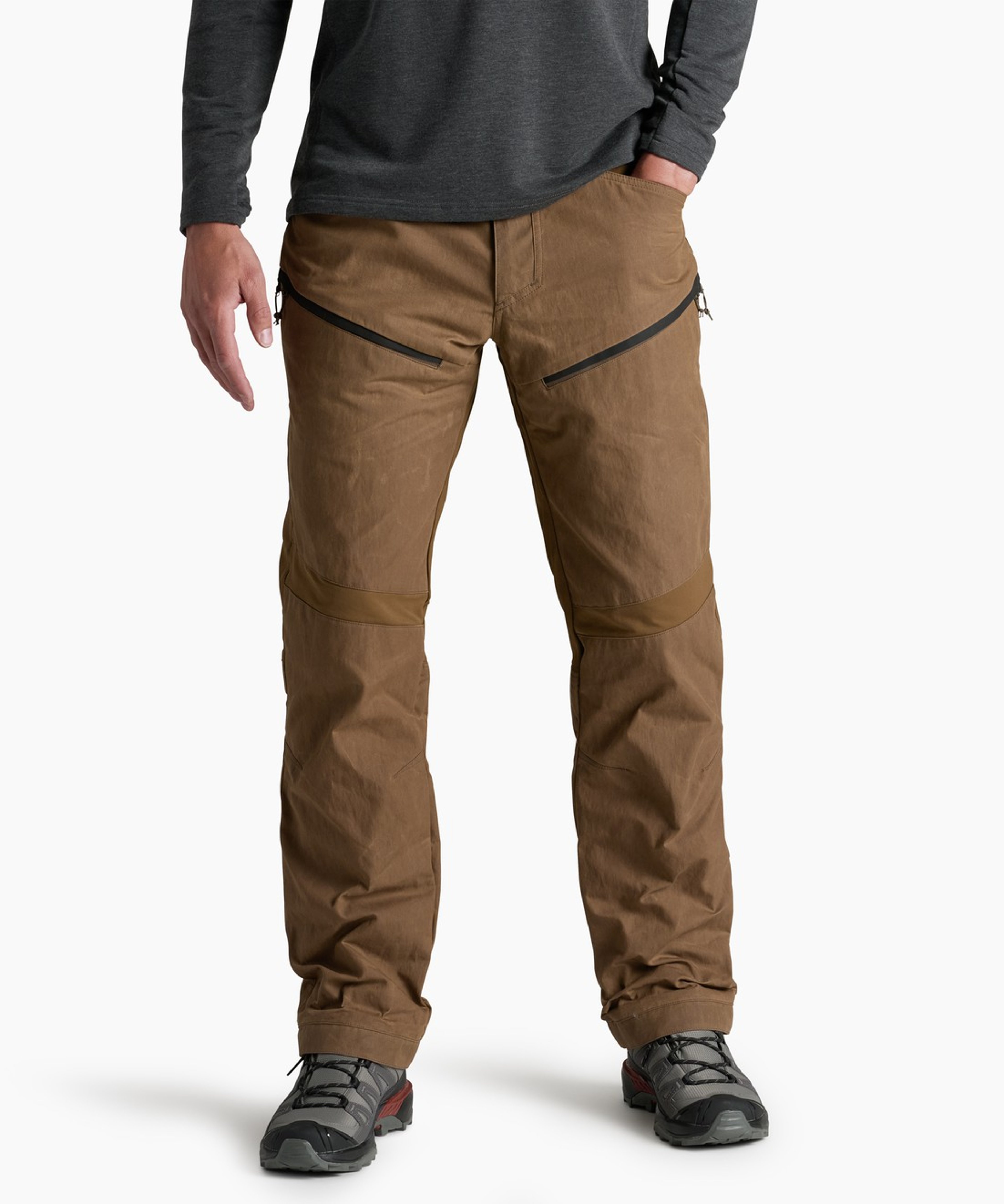
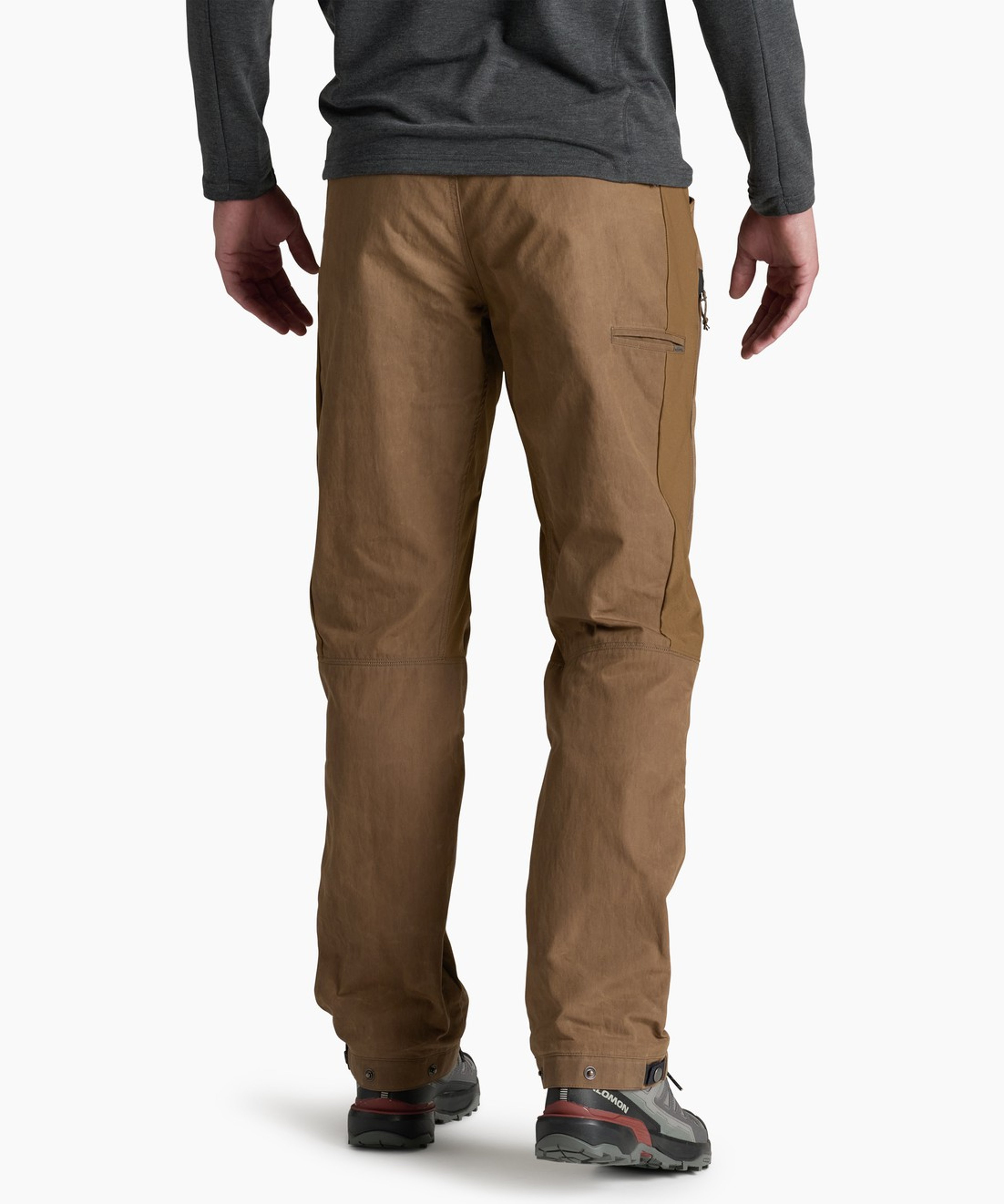
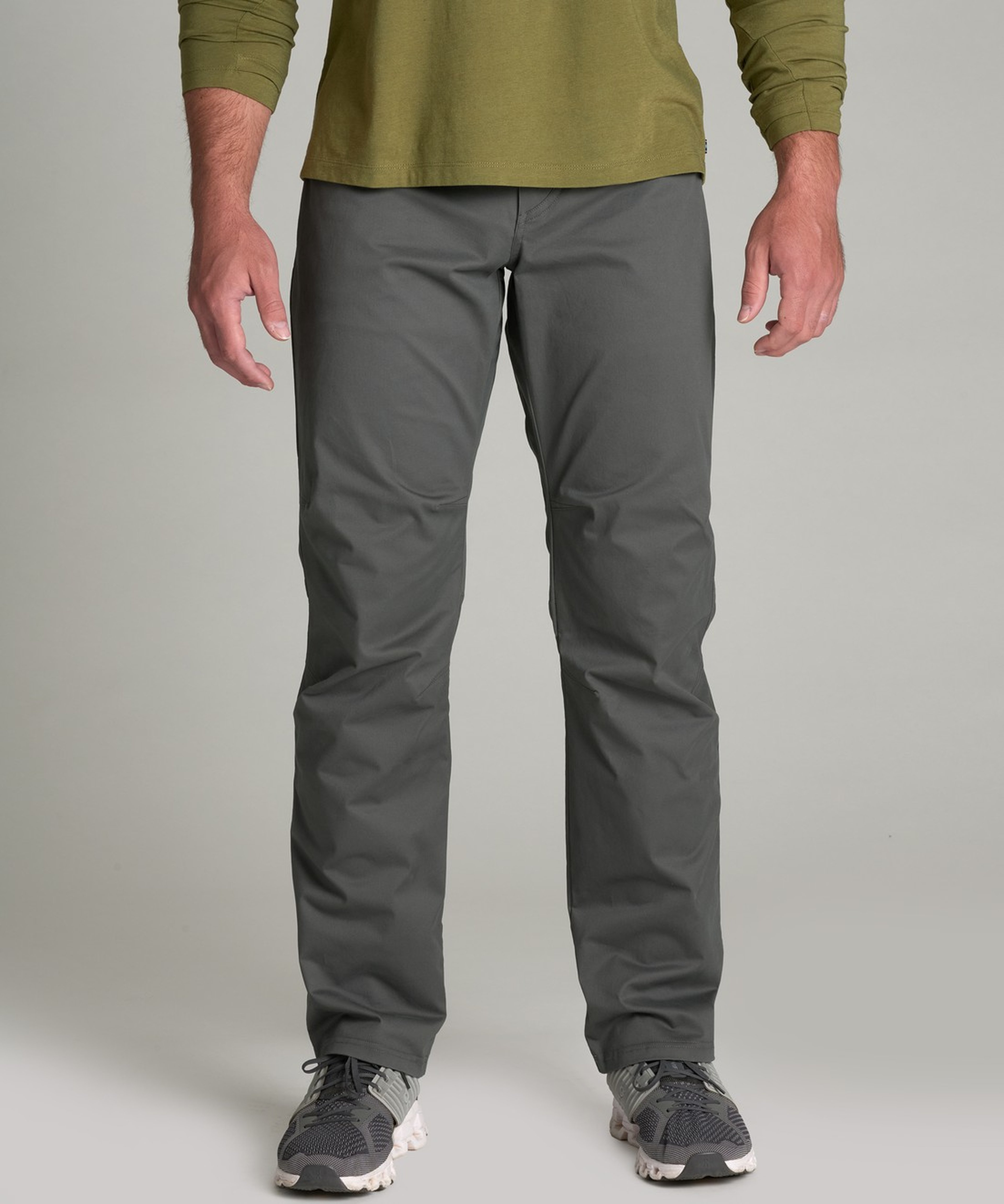
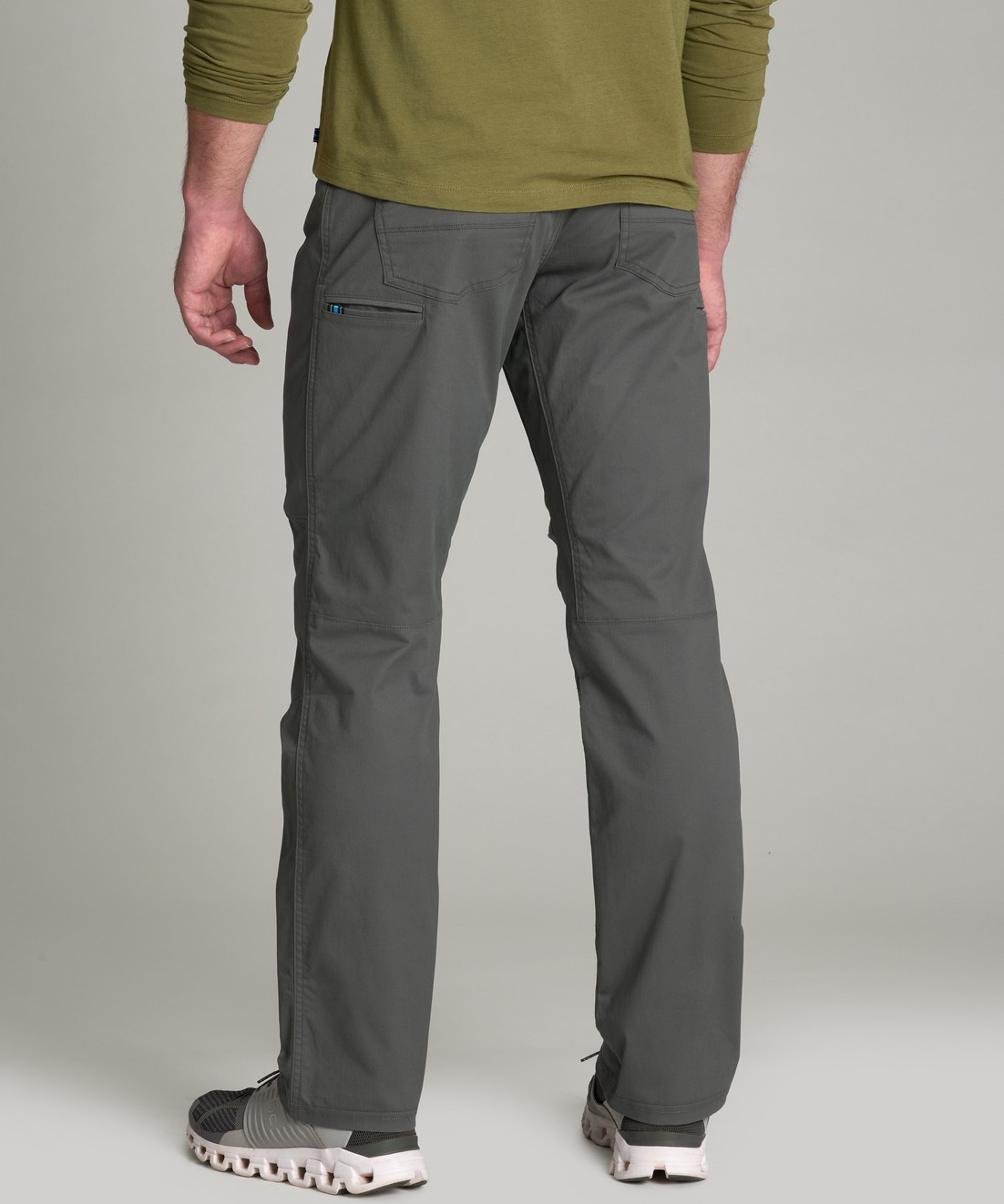
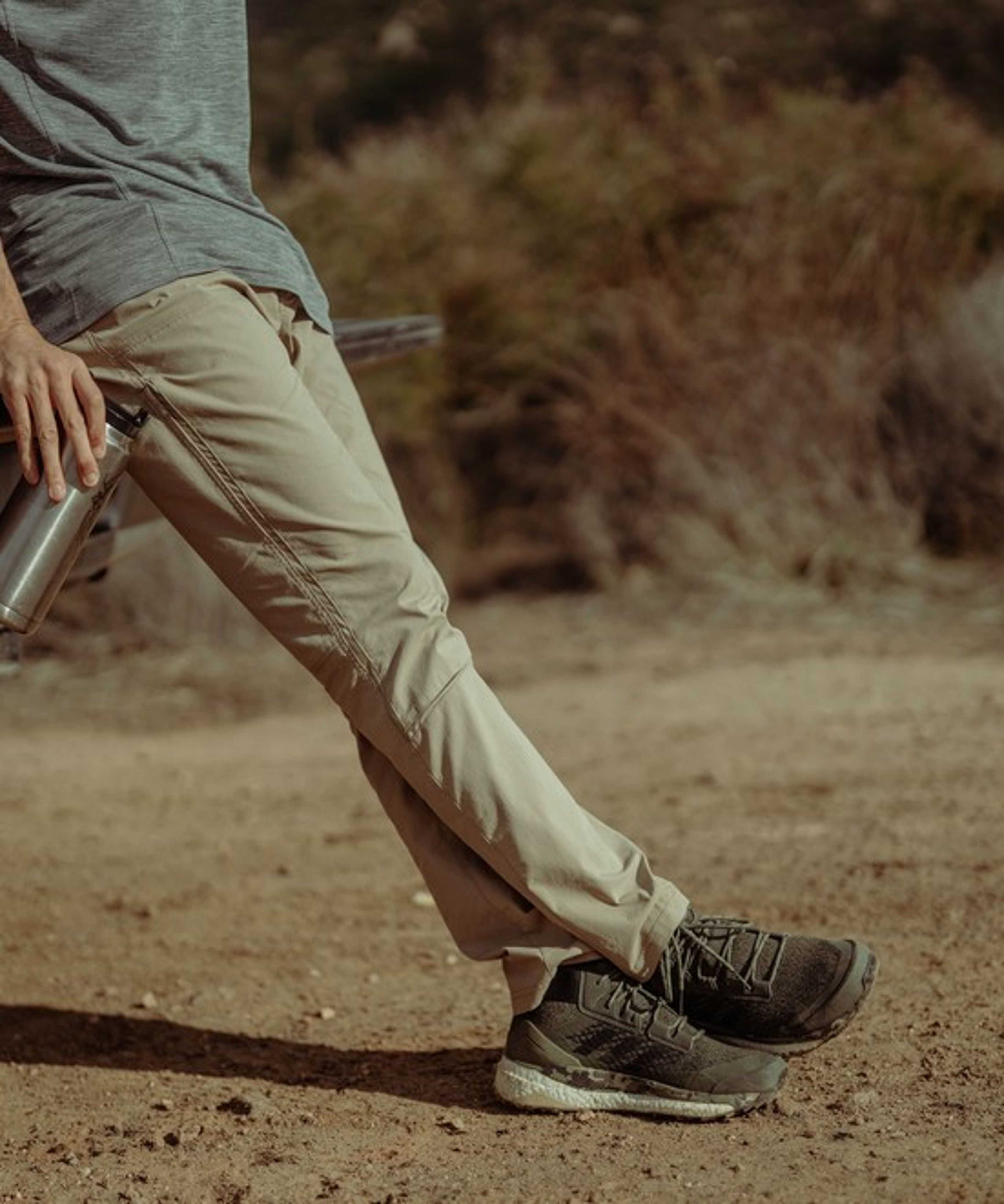
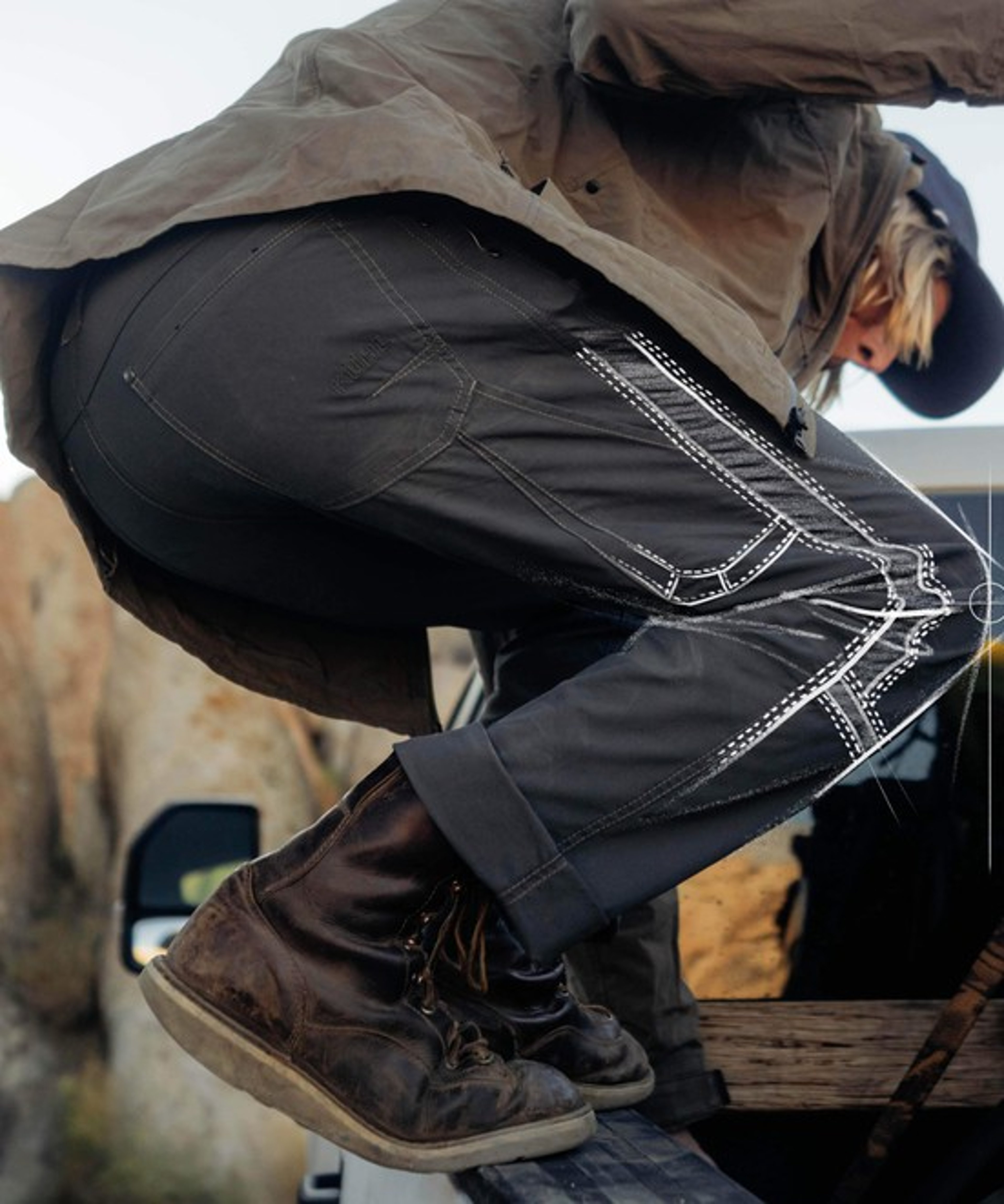
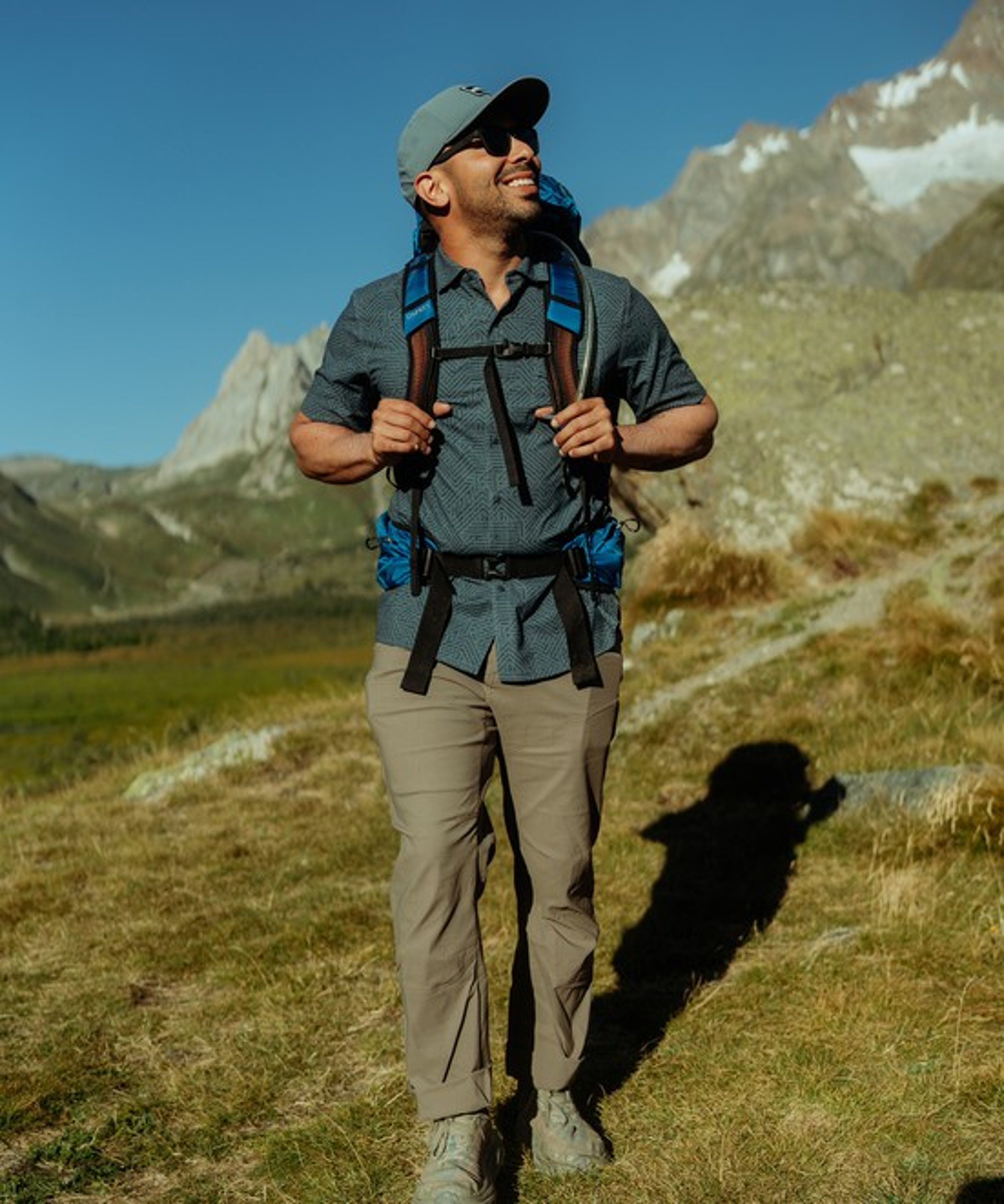
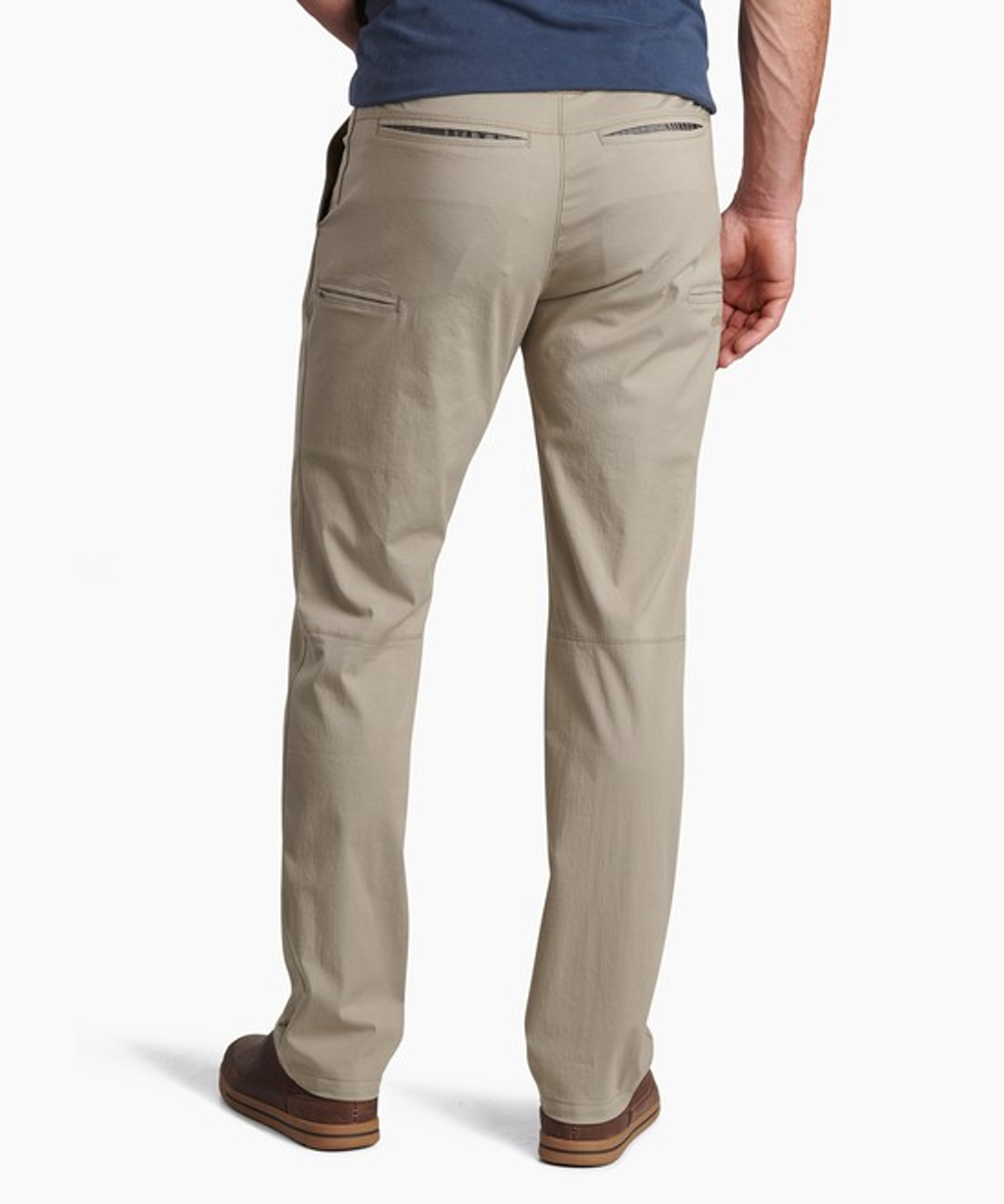
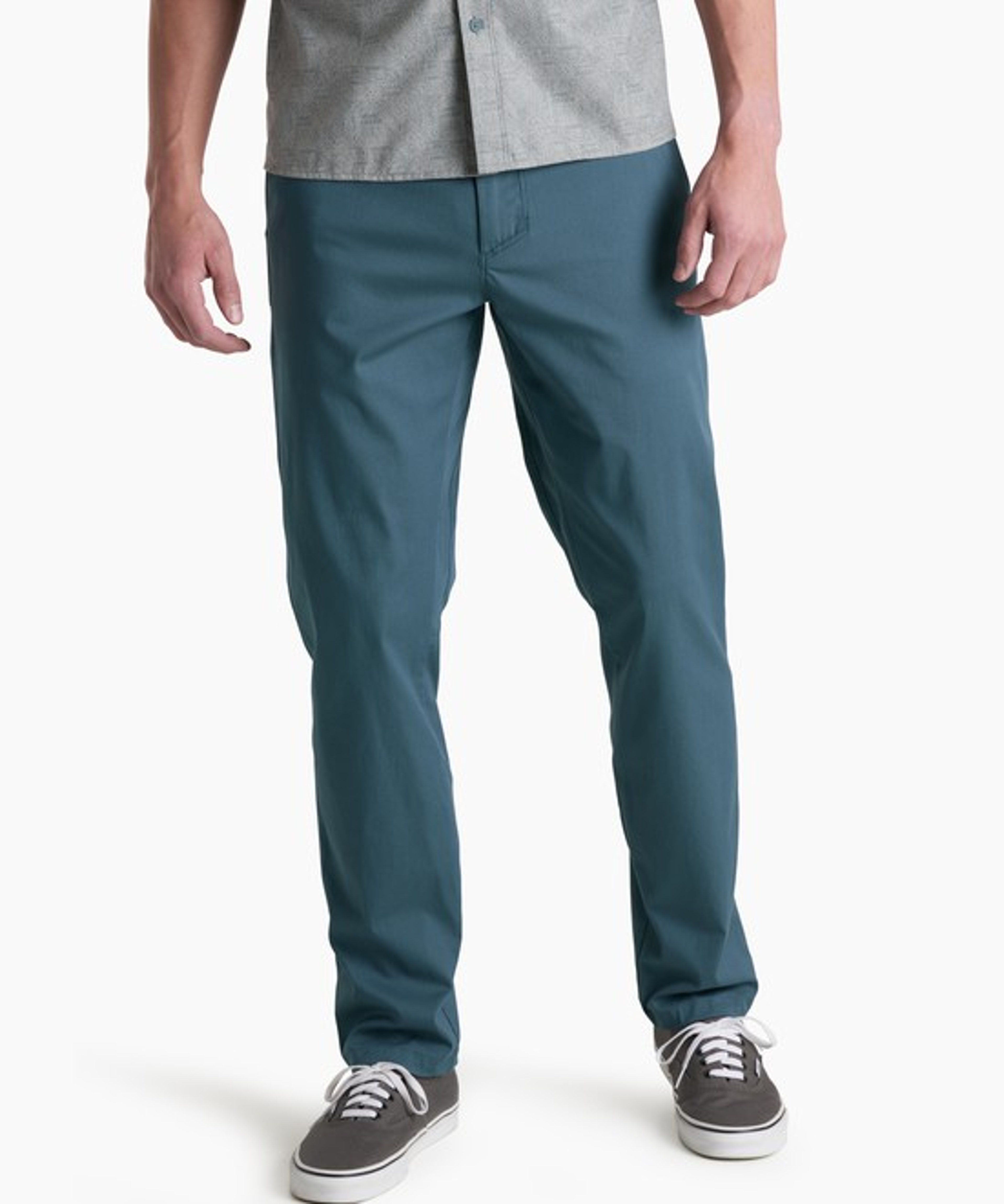
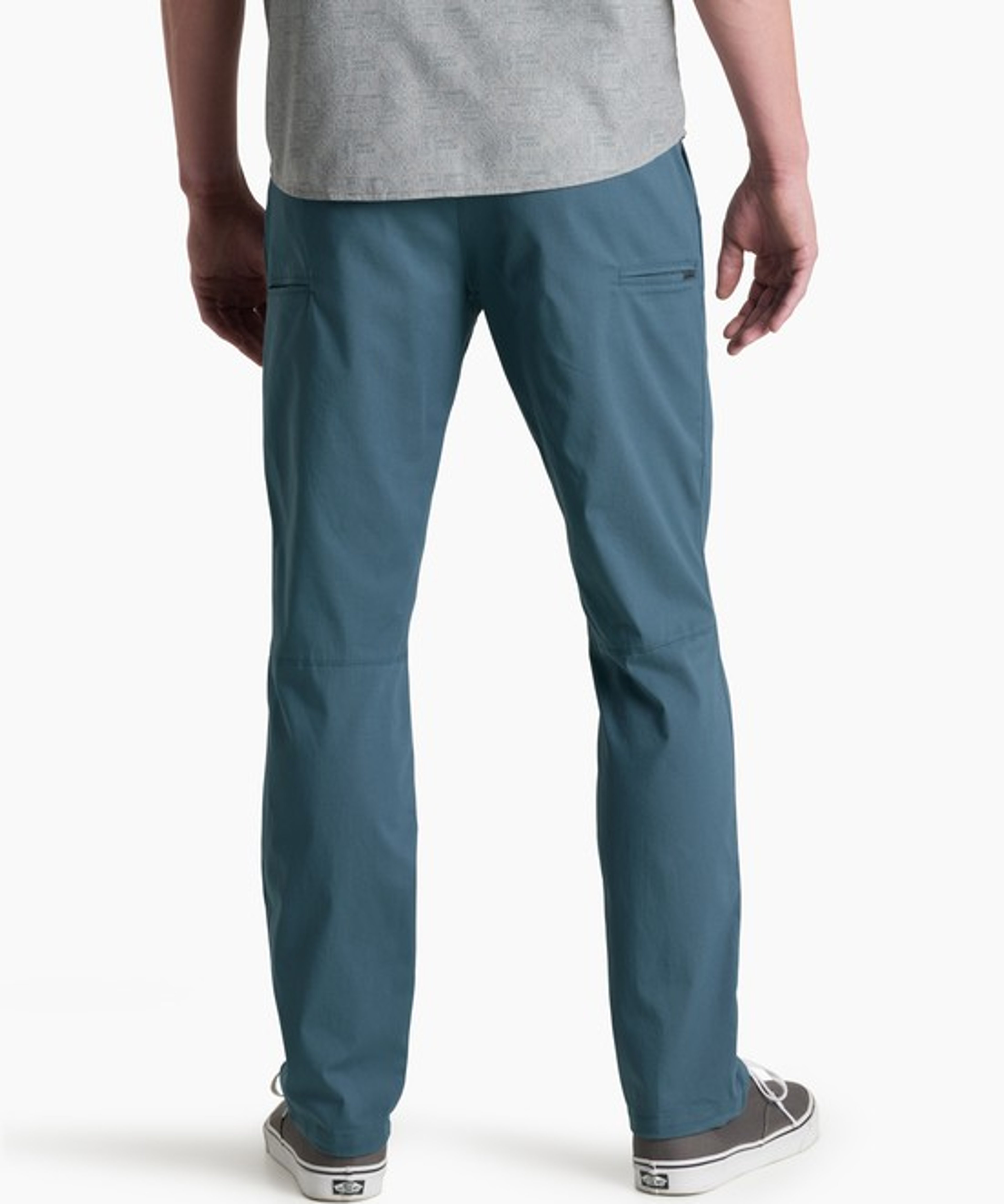
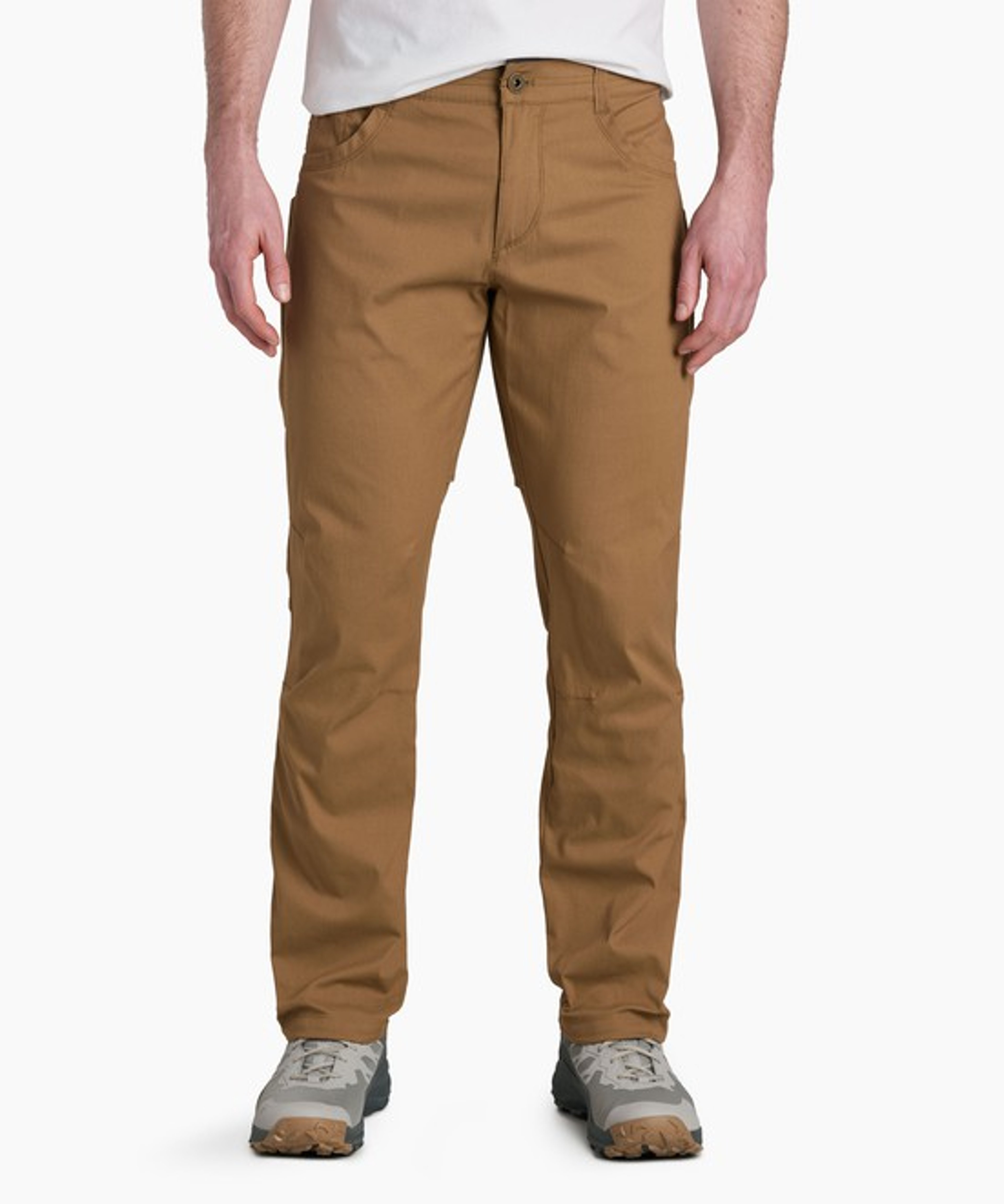
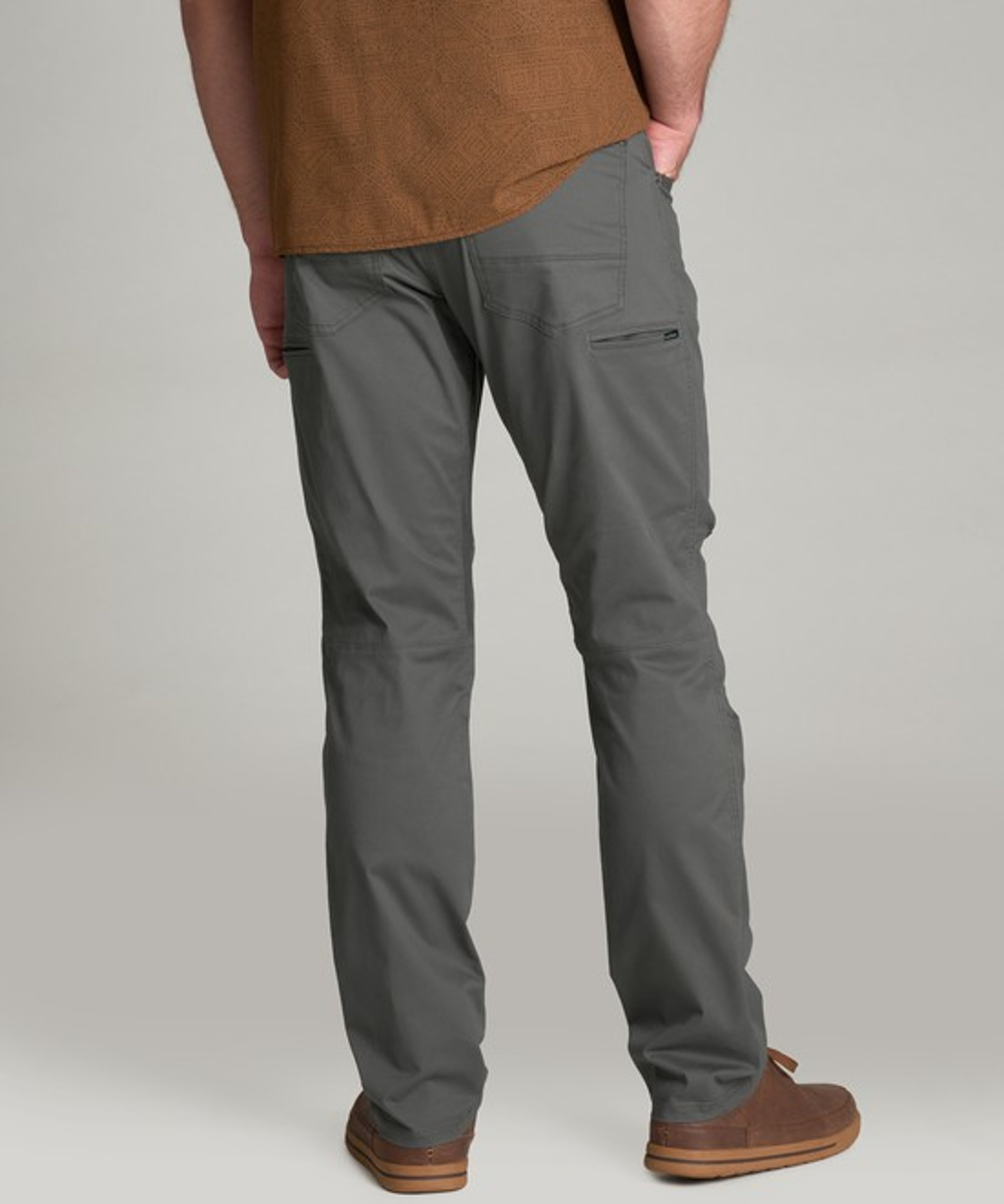
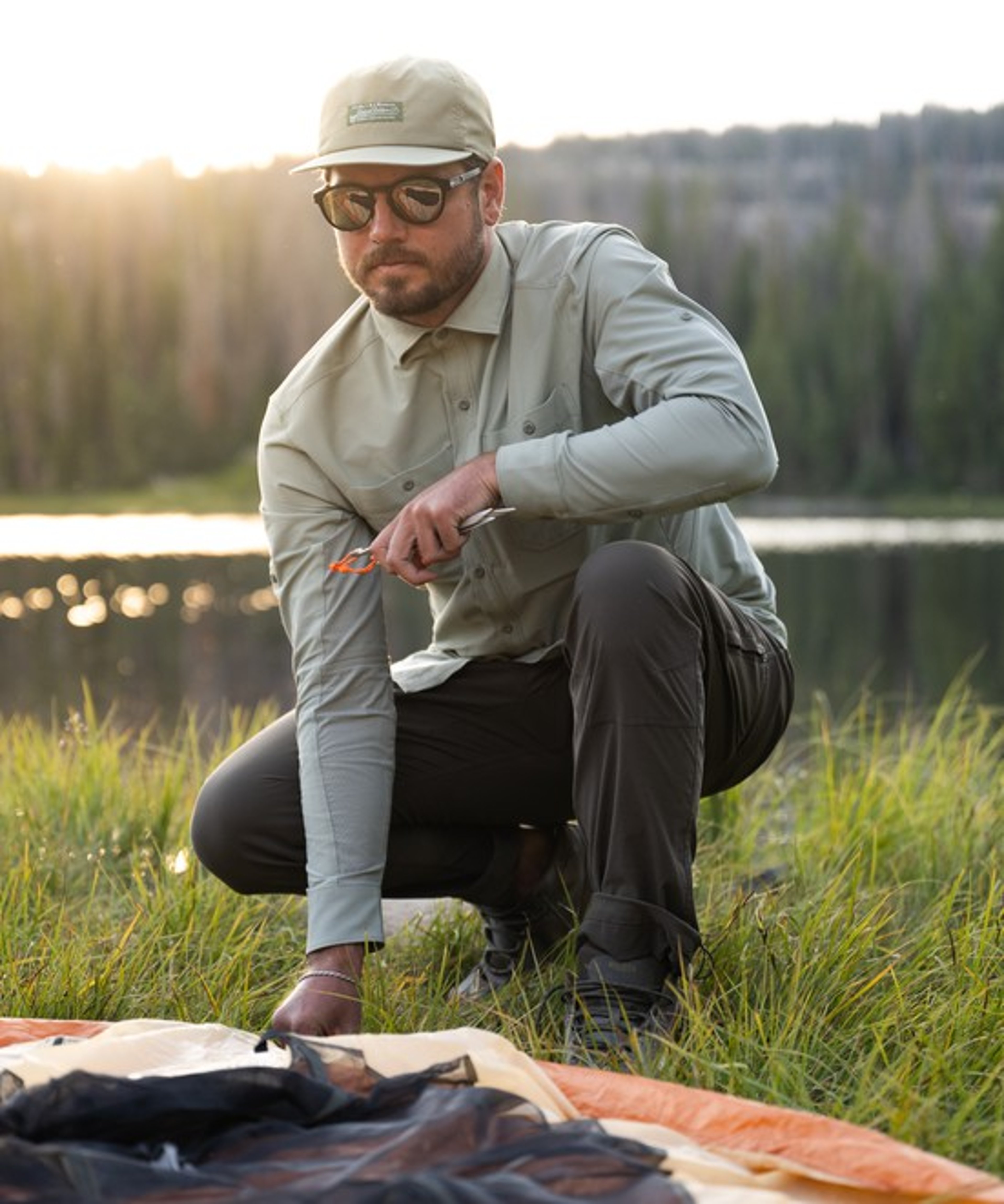
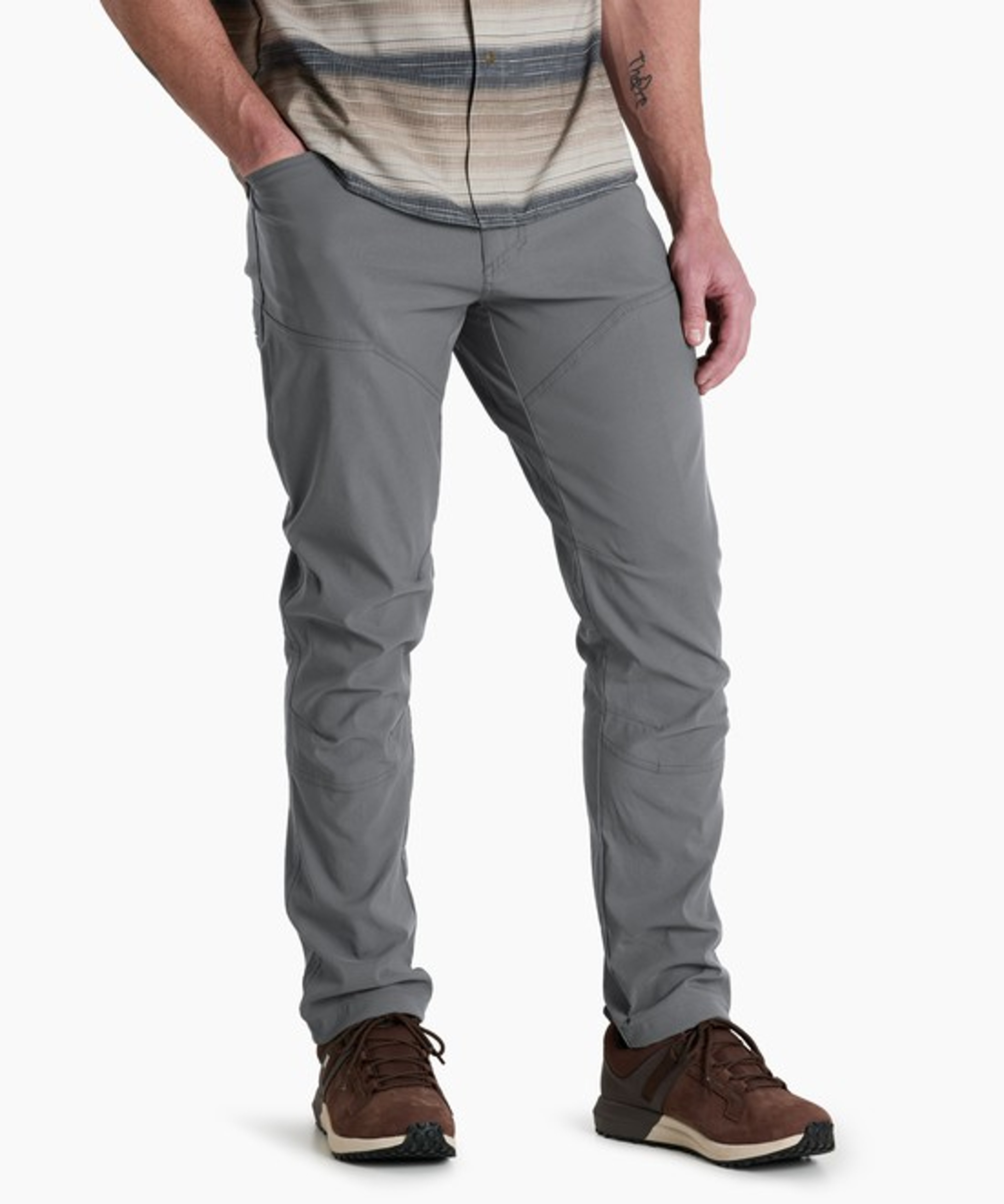
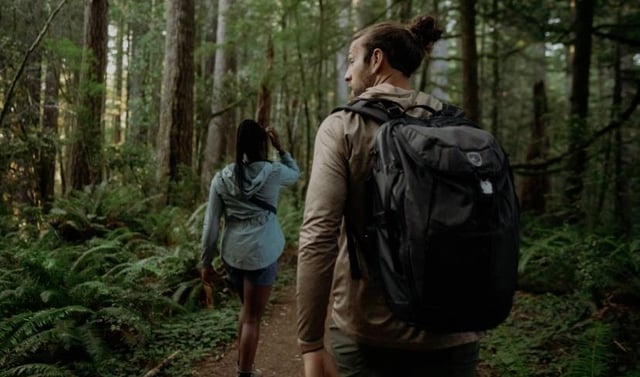
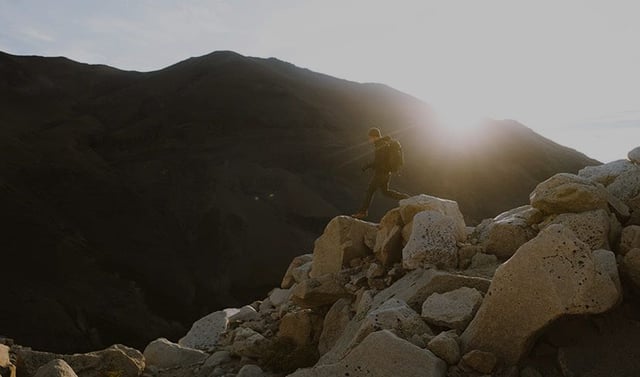
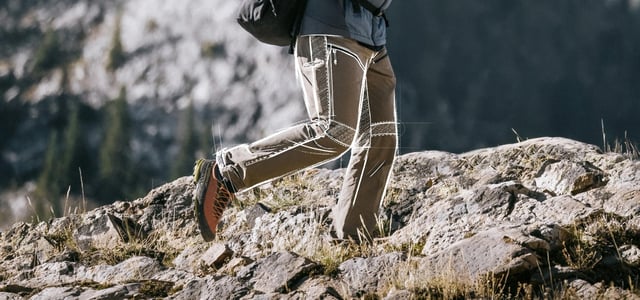
Men's hiking pants are made for the long miles between trailhead and summit. They give you freedom of movement where you need it and abrasion resistance where the rocks find you. Articulated knees and a gusseted crotch keep these trail pants out of the way on big step-ups and scrambles. A FreeRyde™ waistband sits flat under a pack hipbelt.Layering for the Shoulder Seasons
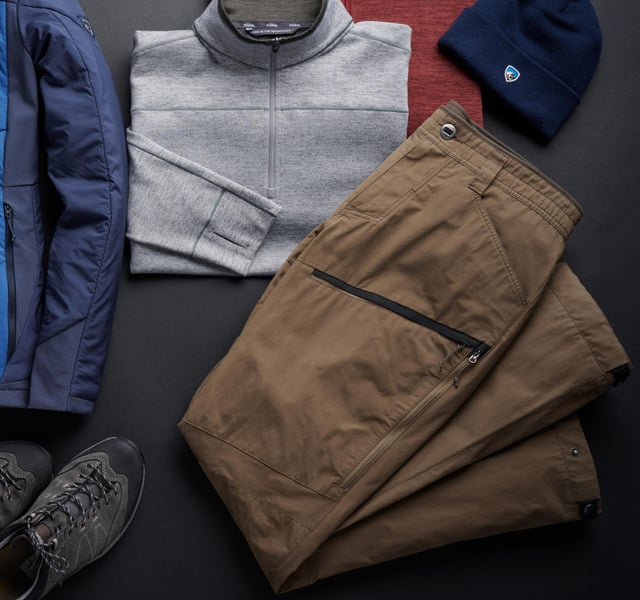
On cold mornings, wear the same hiking pant over a men's baselayer bottom and take it into late-season backpacking. That makes it the most versatile pair of outdoor pants you own. On hot-weather styles, mesh-lined ventilation panels dump heat on the climb.Hiking Pant Fabrics: REFLEX™, DURALUX™ and ENDURO™
REFLEX™ Softshell
Our exclusive softshell has true 4-way stretch with rebound, dries quickly, and has a DWR finish that sheds light rain. Choose it for three-season days when the forecast is uncertain and the route calls for big step-ups.DURALUX™ Lightweight Construction
When every ounce matters, choose DURALUX™. It pairs a soft nylon-spandex blend with UPF 50+ sun protection and a DWR finish. In lightweight hiking pants, it stays cool in summer heat and holds up to wear.ENDURO™ Ripstop
When the trail turns into talus, ENDURO™ adds tear resistance without the stiffness of heavier work fabrics. It stands between you and the brush, the rope bag, and the pack waist belt. It's abrasion-tested and still comfortable to wear.On the trail, stretch, breathability, and UPF protection come first. Our men's work pants use heavier, abrasion-resistant fabrics made for jobsite durability.
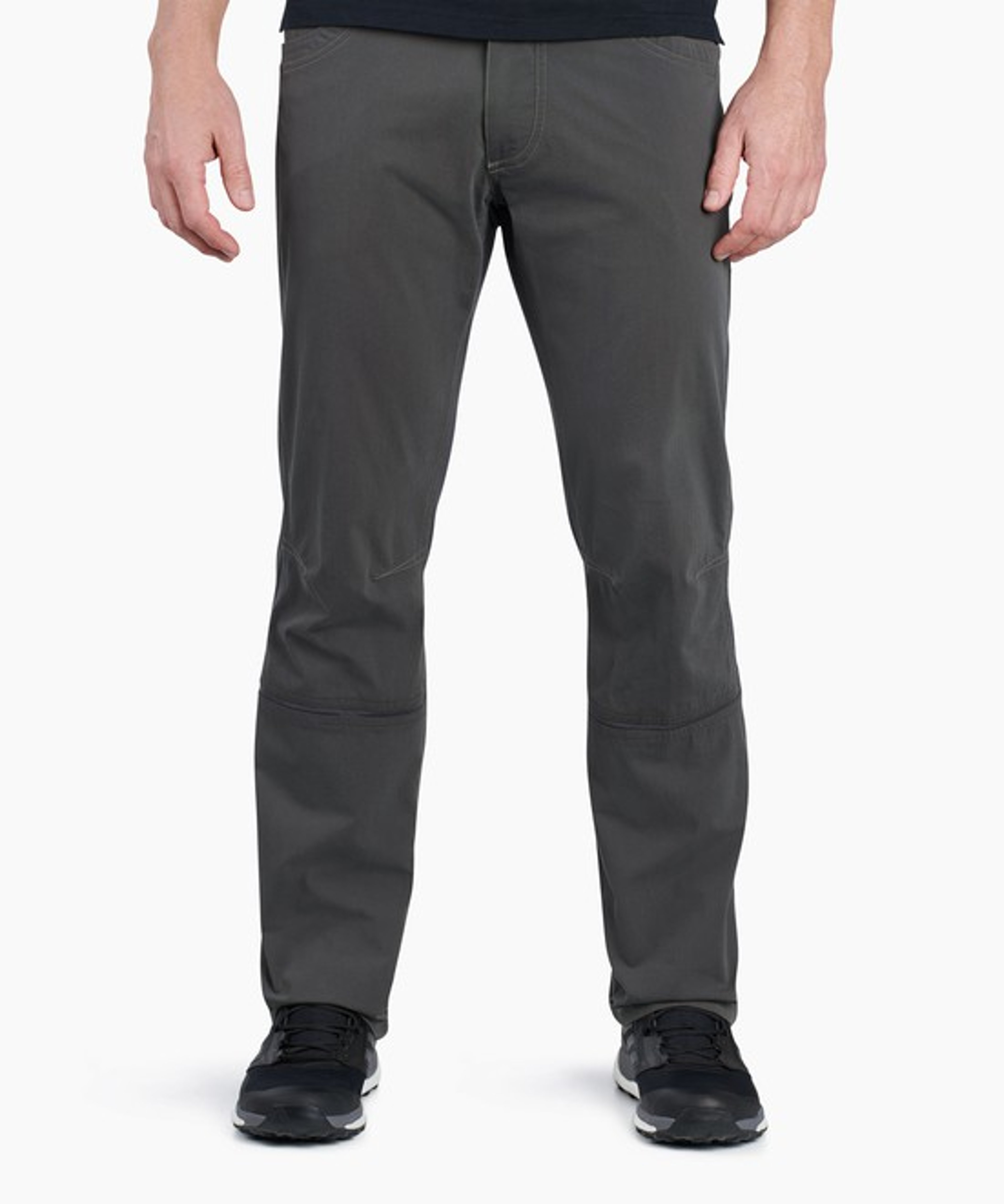
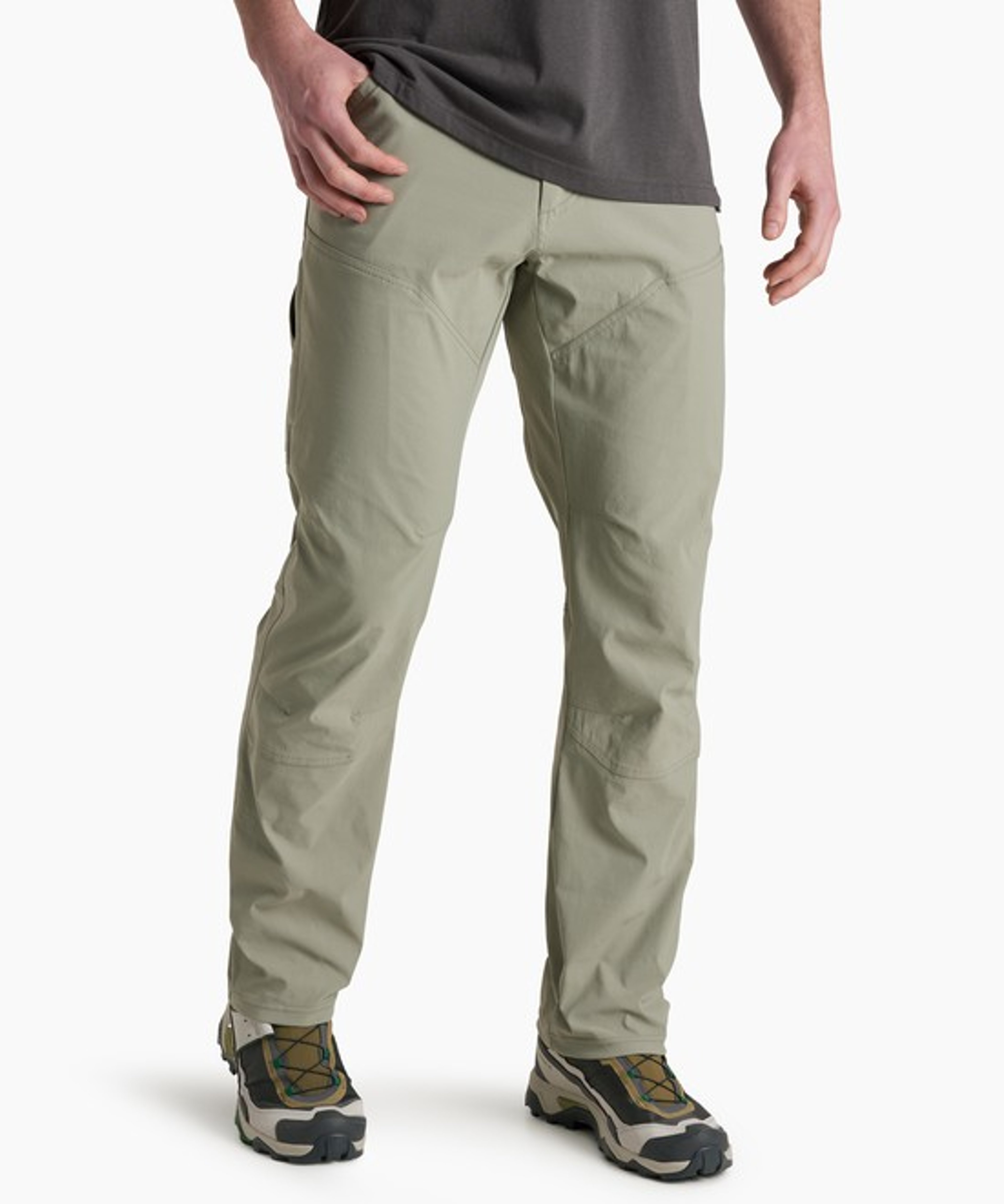
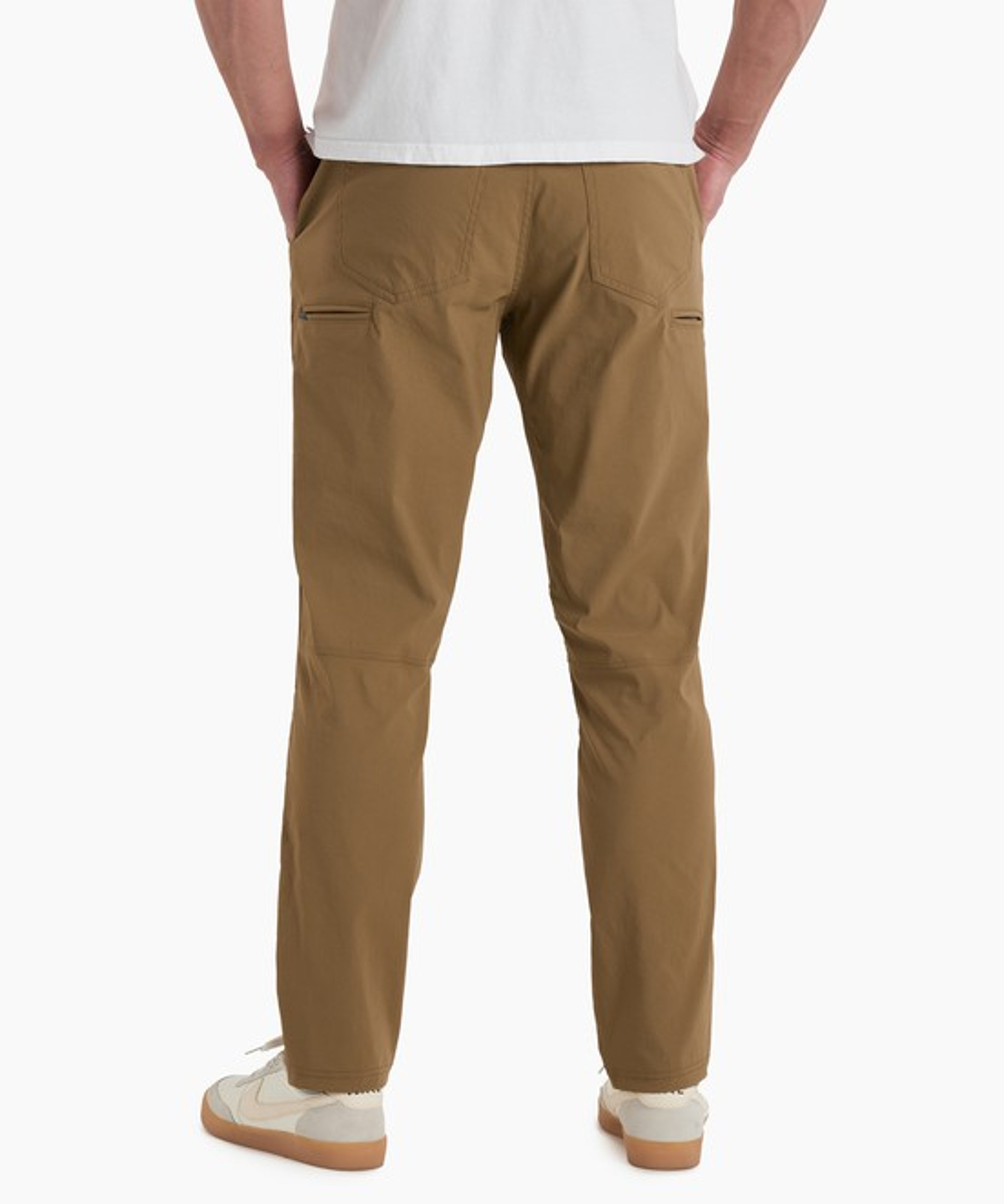
Look for these details: articulated knees, a gusseted crotch, secure cargo and zip pockets, and the FreeRyde™ waistband. They prove themselves in the third hour of a climb.
Summer day hikes and shoulder-season backpacking ask different things of men's hiking pants. The right fabric, fit, and details keep you comfortable in both. Here's how to choose.
What should you look for in men's hiking pants?
The best men's hiking pants combine these five things: stretch synthetic fabric, articulated knees, a gusseted crotch, a DWR finish, and UPF 50+ sun protection.
Each one solves a real trail problem. Stretch fabric, usually a nylon-spandex softshell like REFLEX™ or DURALUX™, lets you step over a downed log without the pant binding. Articulated knees are pre-shaped, so you don't fight the seam on every stride. A gusseted crotch removes the pinch point on long climbs. A DWR finish sheds light rain and morning dew. UPF 50+ protects your legs from the sun on exposed ridgelines.
Are jeans or cotton pants okay for hiking, working, or traveling?
Not for long or wet days. Pure cotton and denim absorb moisture, hold it against your skin, and dry slowly. On a sweaty climb or a creek crossing, that gets cold fast.
A stretch cotton blend works for a short, dry hike or a travel day. For real trail miles, go synthetic. Nylon, polyester, and spandex blends wick moisture, dry in minutes, and stretch with you. That's why our hiking pants use softshells like REFLEX™ and DURALUX™. Jeans have a second problem: no stretch, no articulation, and a heavy fabric that chafes once it's wet.
What's the difference between hiking, work, and travel pants?
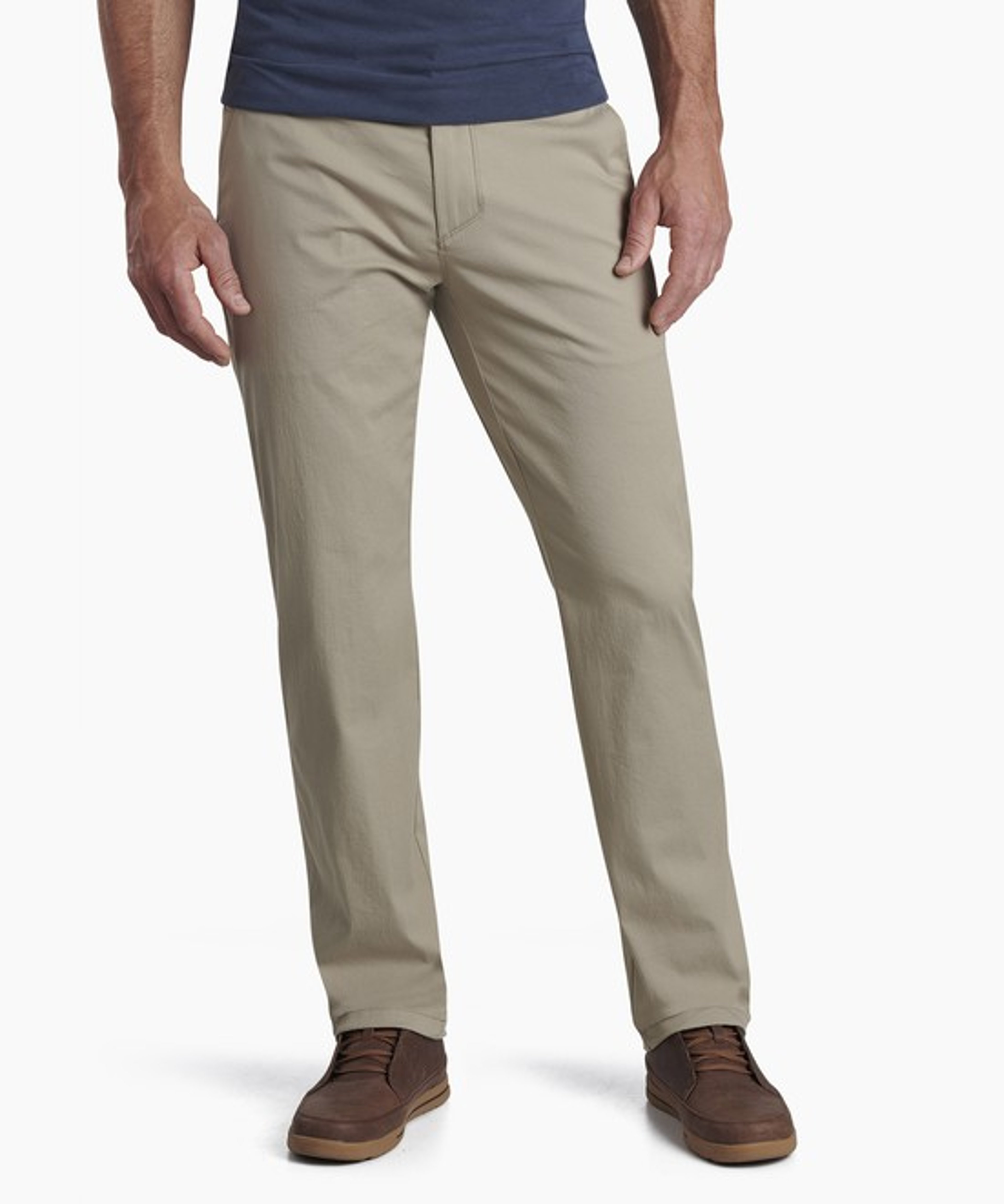
They do different jobs. Hiking pants deliver stretch, breathability, and UPF. Work pants add abrasion resistance and tool storage. Travel pants trade some trail performance for a dressier silhouette and packability.
A hiking pant uses a stretch softshell with a DWR finish and a UPF 50+ rating. On uneven ground and big step-ups, articulated knees and a gusseted crotch matter. Work pants are heavier: ENDURO™ ripstop and reinforced panels handle ladder rungs and rough lumber. Travel pants sit in the middle: lighter and dressier than a hiking pant, with a cut that works at dinner in town.
What's the best fit for hiking pants: slim, relaxed, or wide-leg?
Fit is a personal choice. Mobility features matter more than the silhouette.
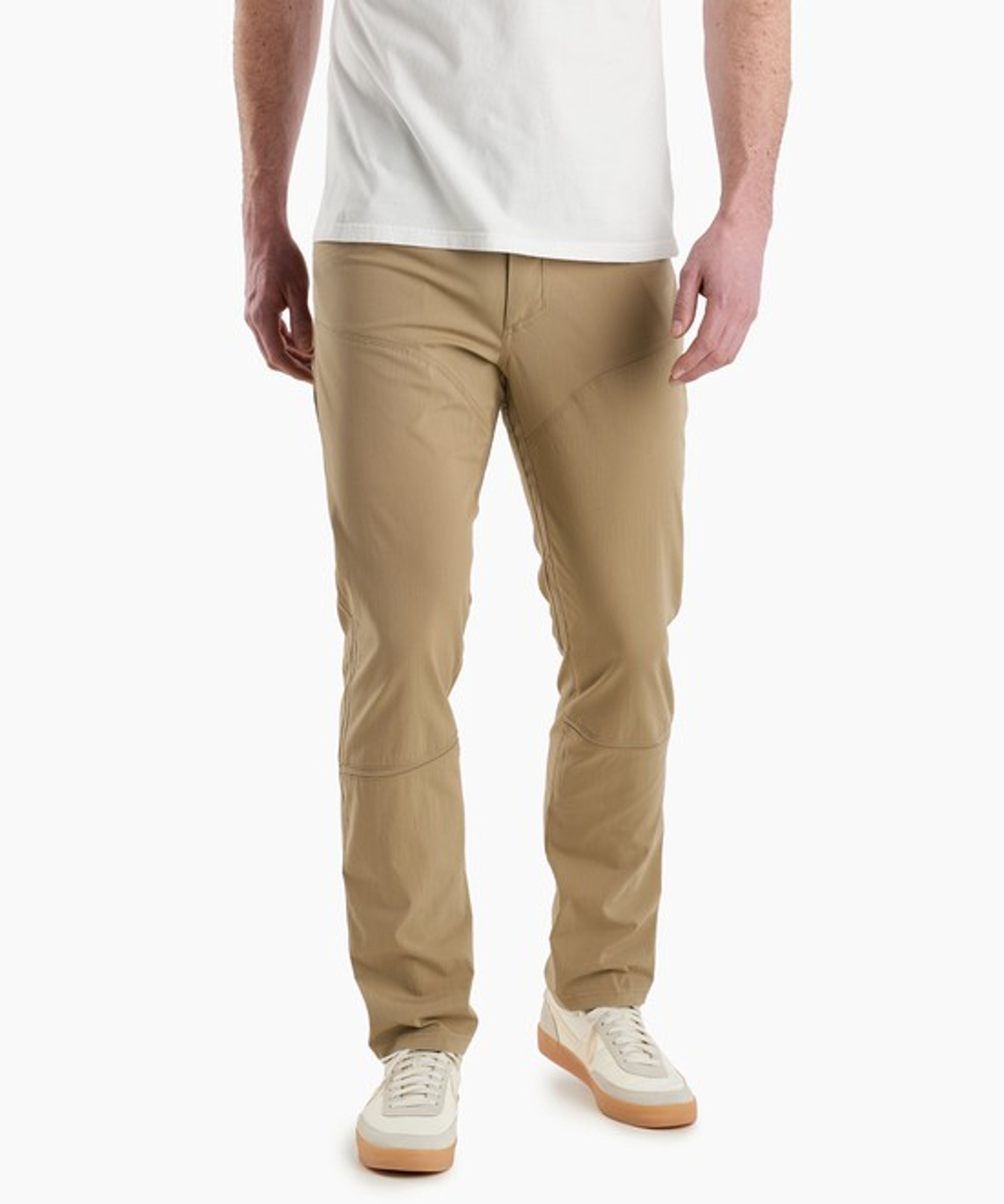
A slim pant with articulated knees and a gusseted crotch moves better than a relaxed pant without them. Every KÜHL hiking pant names its fit:
A slim pant with articulated knees and a gusseted crotch moves better than a relaxed pant without them. Every KÜHL hiking pant names its fit:
- Klassik sits between slim and relaxed.
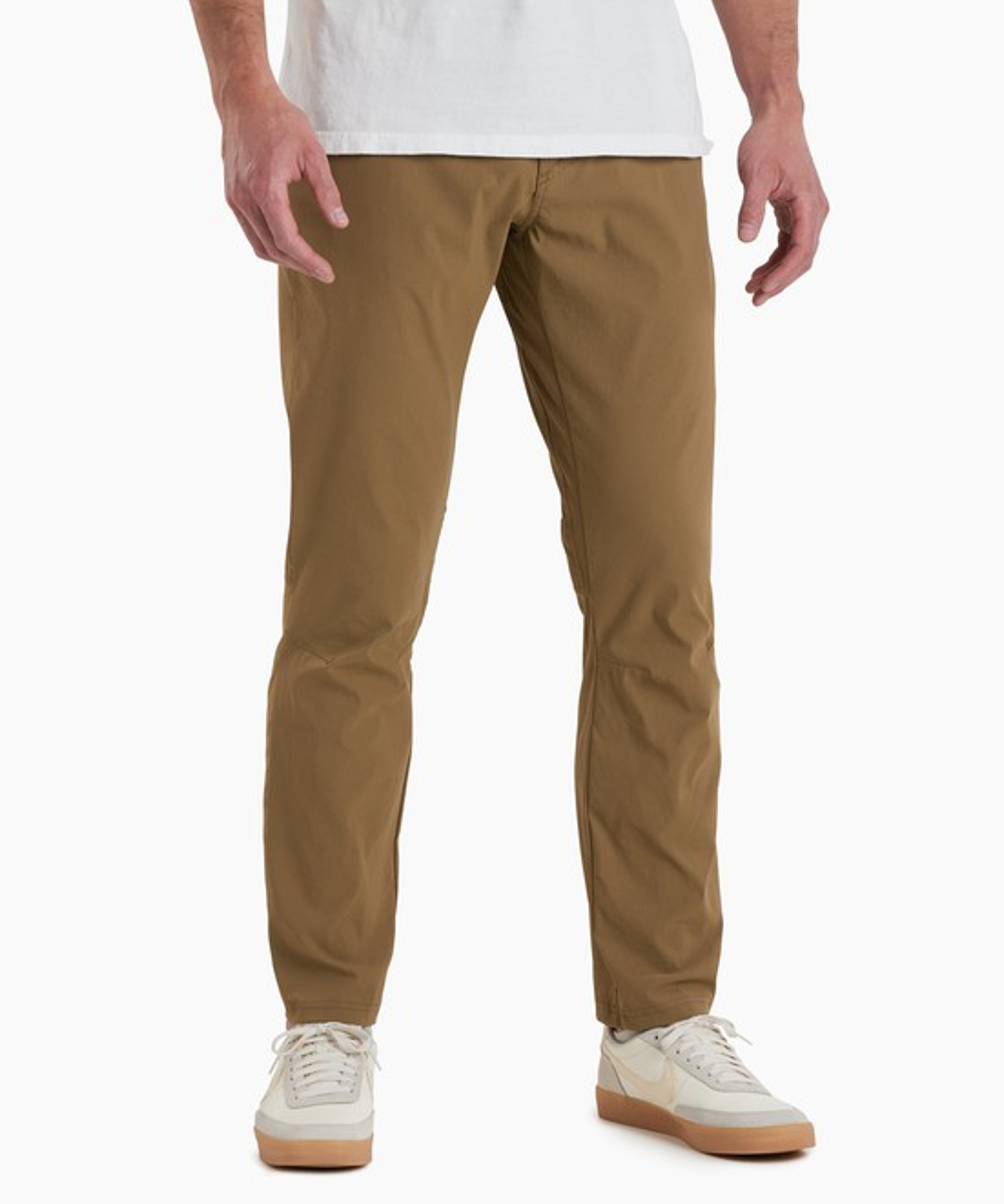
- Tapered is the closest to slim-fit hiking pants, with a taper from knee to hem.
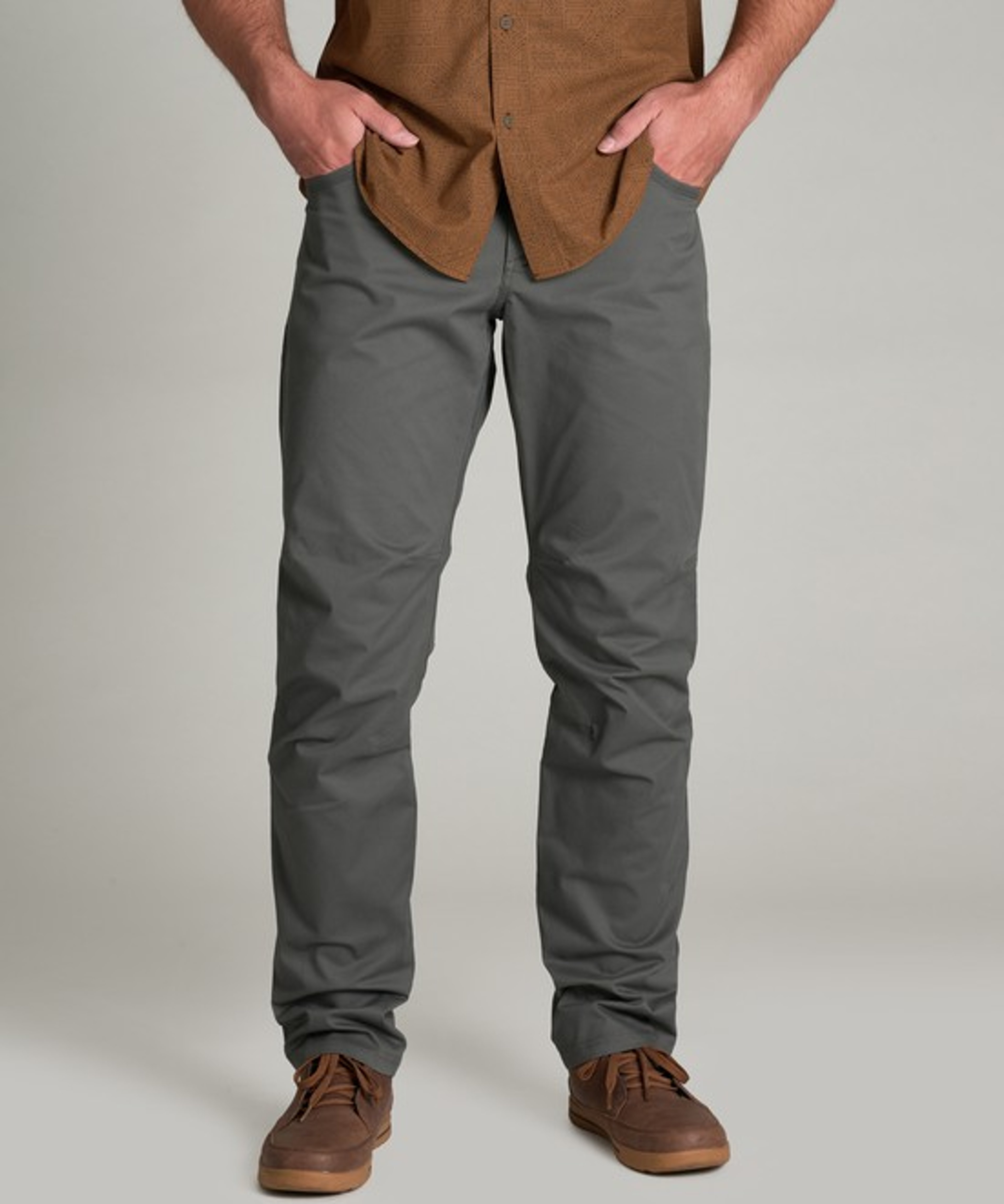
- Full gives a relaxed leg over boots.
What should you wear in hot vs cold weather?
In heat, go lightweight. A DURALUX™ pant with UPF 50+, mesh ventilation, and a FreeRyde™ waistband moves air and blocks sun without trapping heat.
In the cold, switch to softshell. A REFLEX™ pant blocks wind on exposed ridges and layers cleanly over a baselayer bottom for sub-freezing starts. One pair of pants covers three seasons.
Are hiking pants waterproof, or just water-resistant?
Water-resistant, not waterproof. Hiking pants are water-resistant through a DWR finish that makes the fabric bead and shed light rain, splash, and dew. In a sustained downpour, water eventually gets through.
That's by design. A fully waterproof pant traps sweat and stops breathing. That works for ten minutes in a storm, not for an eight-hour hike. When the forecast turns, pair a DWR-treated hiking pant with a dedicated water-resistant pant or rain shell.
Are convertible hiking pants worth it?
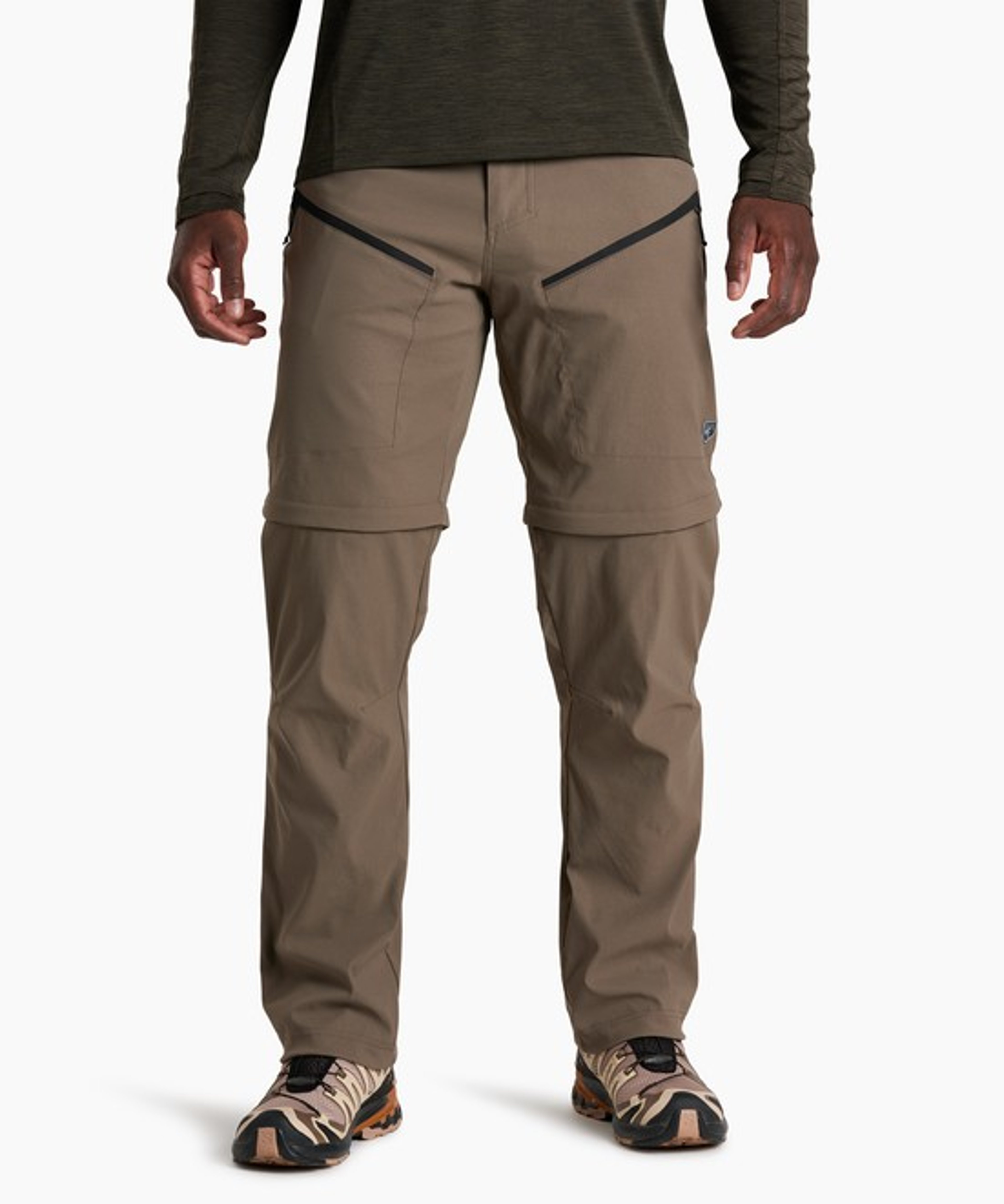
Yes, if your days start cold and end hot. Convertible hiking pants zip off above the knee, so one pant covers a frosty trailhead and an exposed afternoon climb.
They make the most sense as backpacking pants, where every item in the pack has to earn its place. Look for the same build as a standard hiking pant: water-resistant DURALUX™, UPF 50+, and articulated knees. Color-coded zippers make the swap quick. If conditions rarely change mid-hike, a standard leg is simpler and lighter.