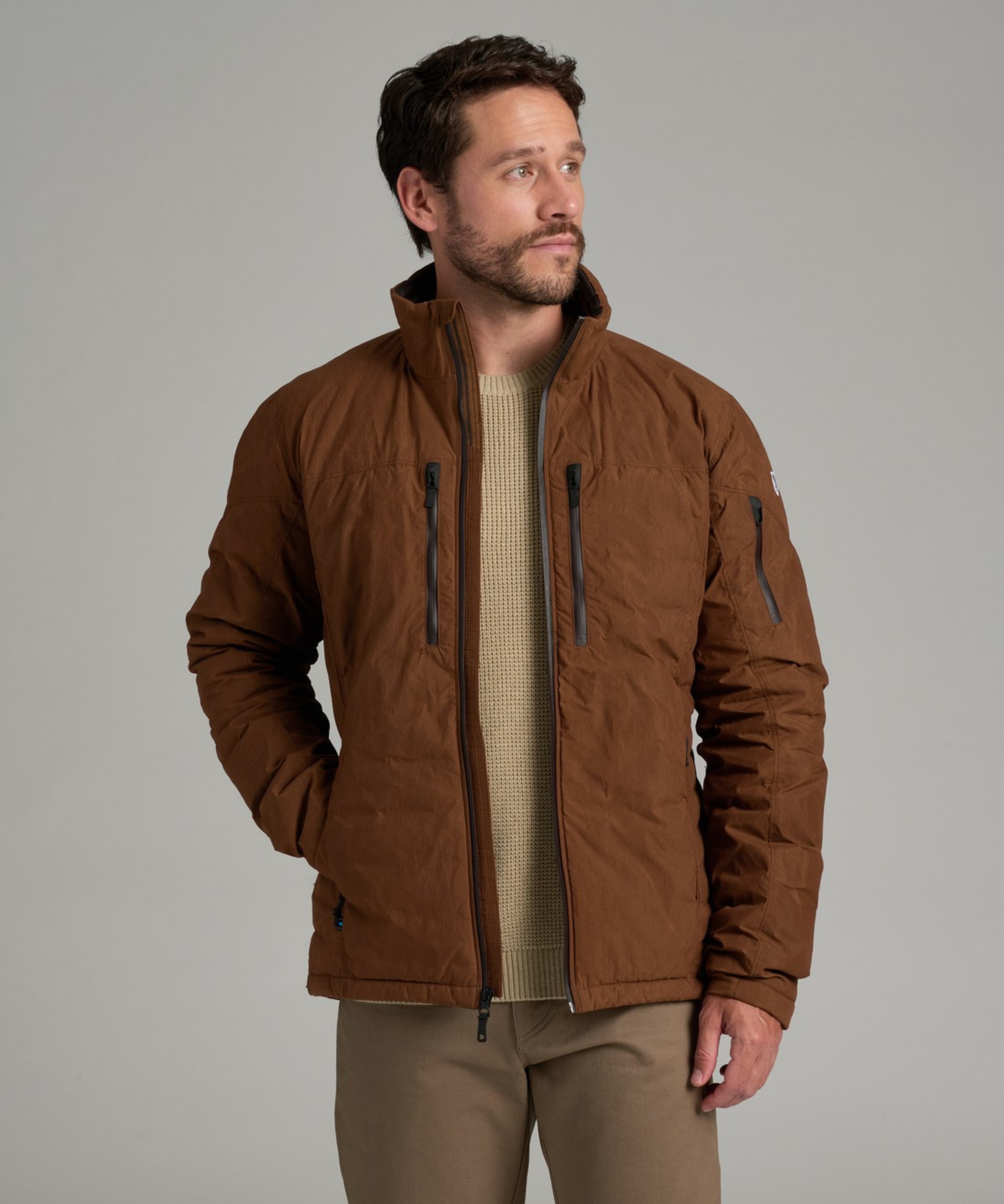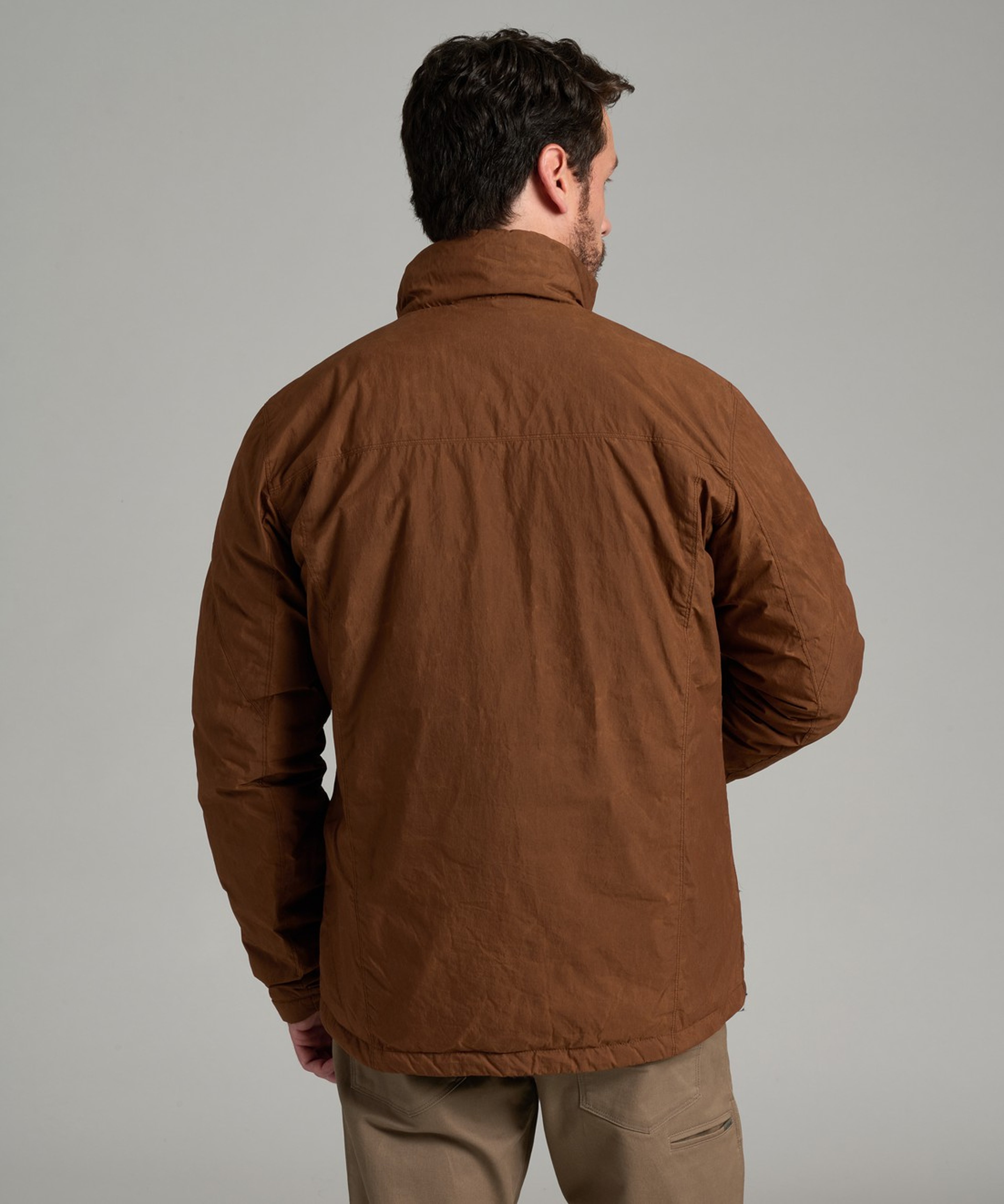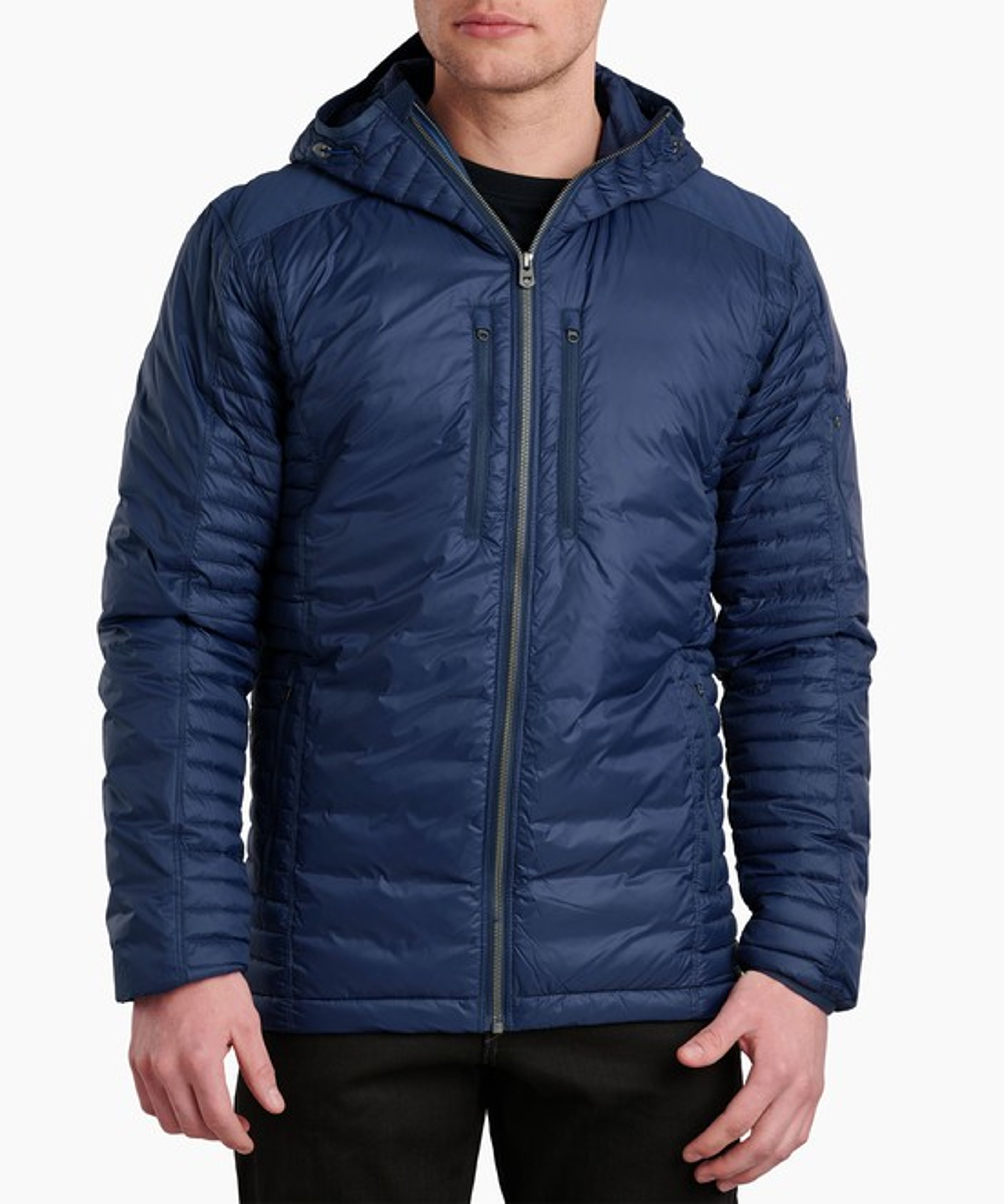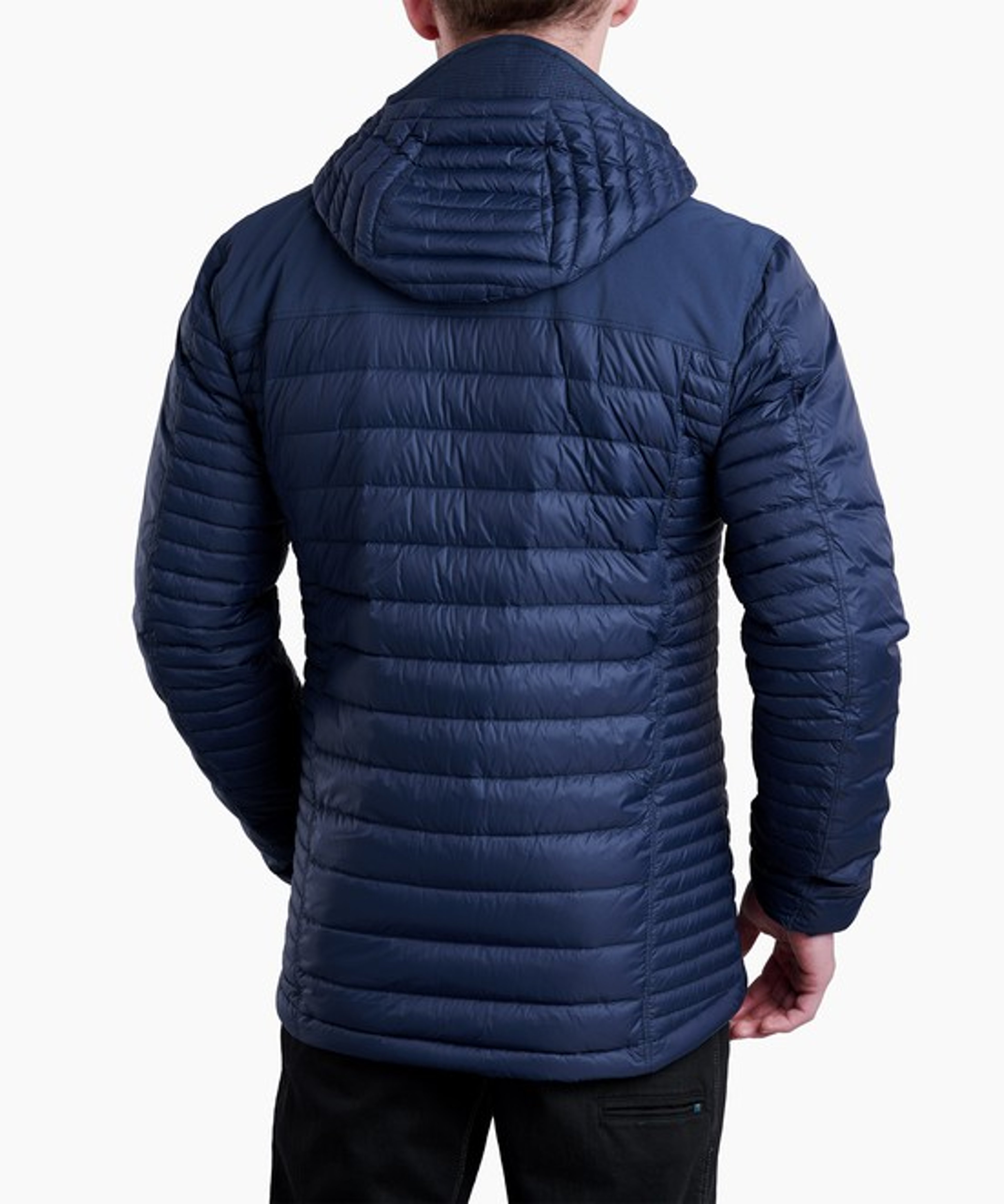





Technical Jackets
KÜHL Men's Technical Jackets Are Built for Weather You Can't Predict
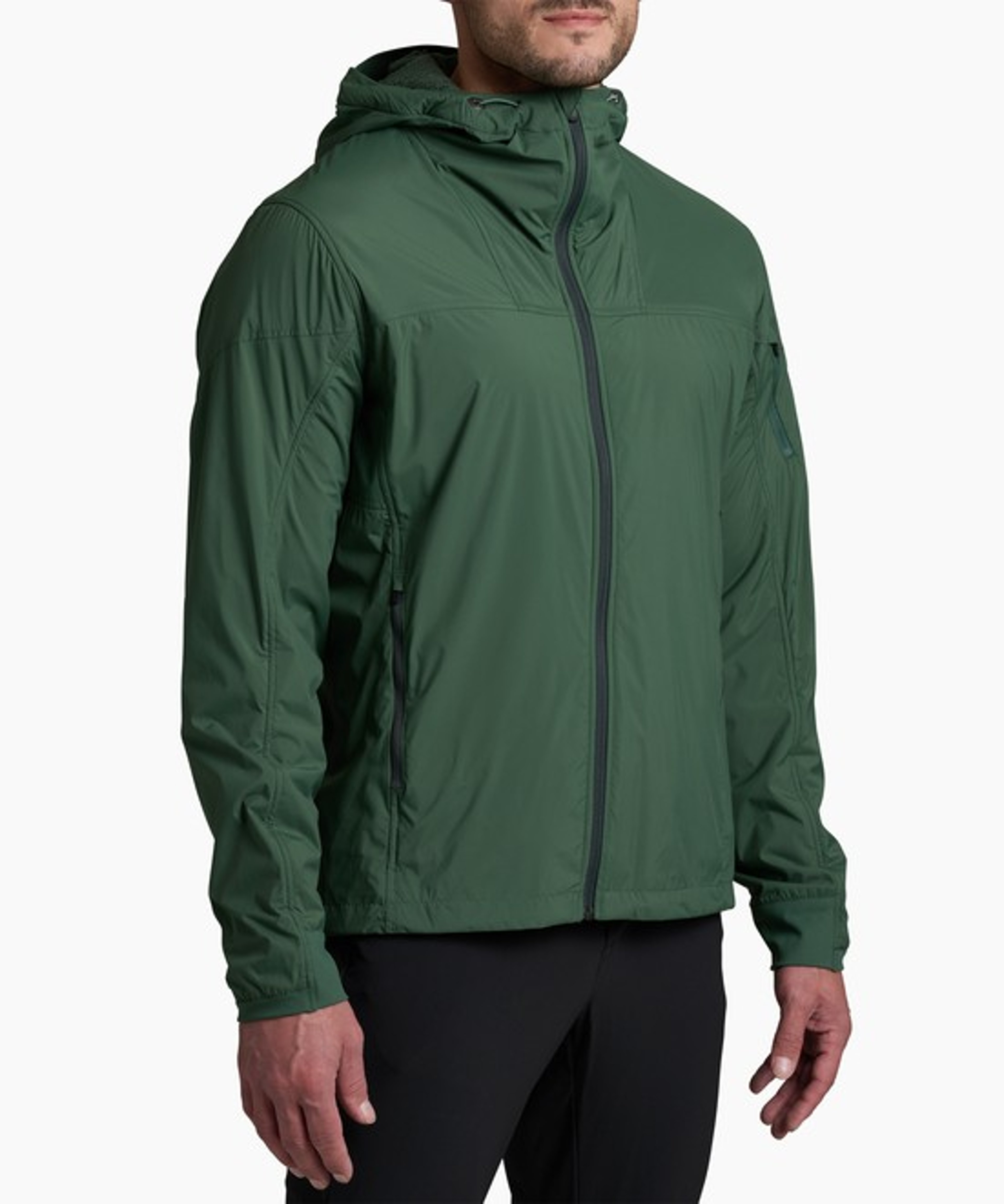
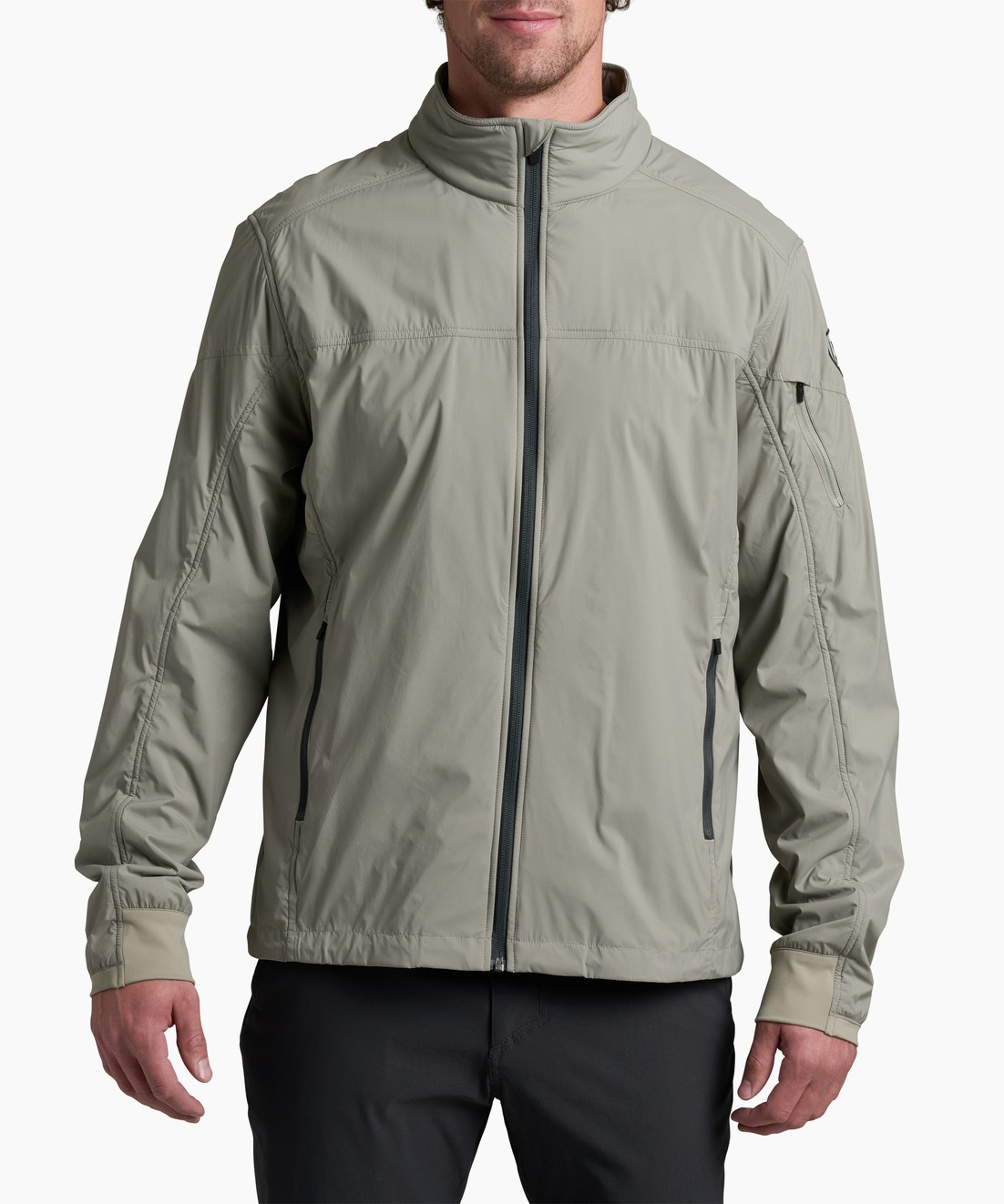
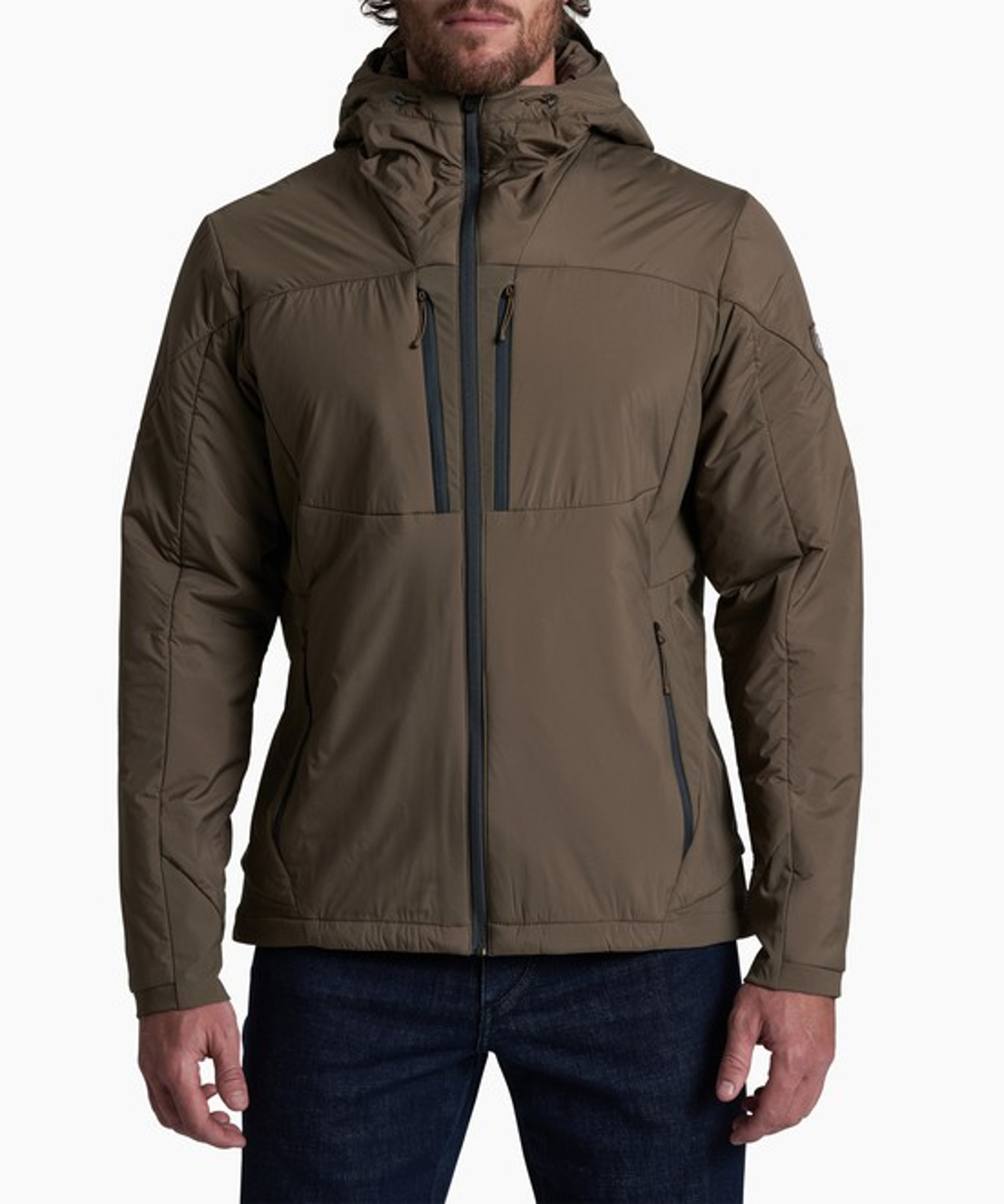
Choose from a variety of fabrics, constructions, and features for the men's technical jackets that match your conditions:
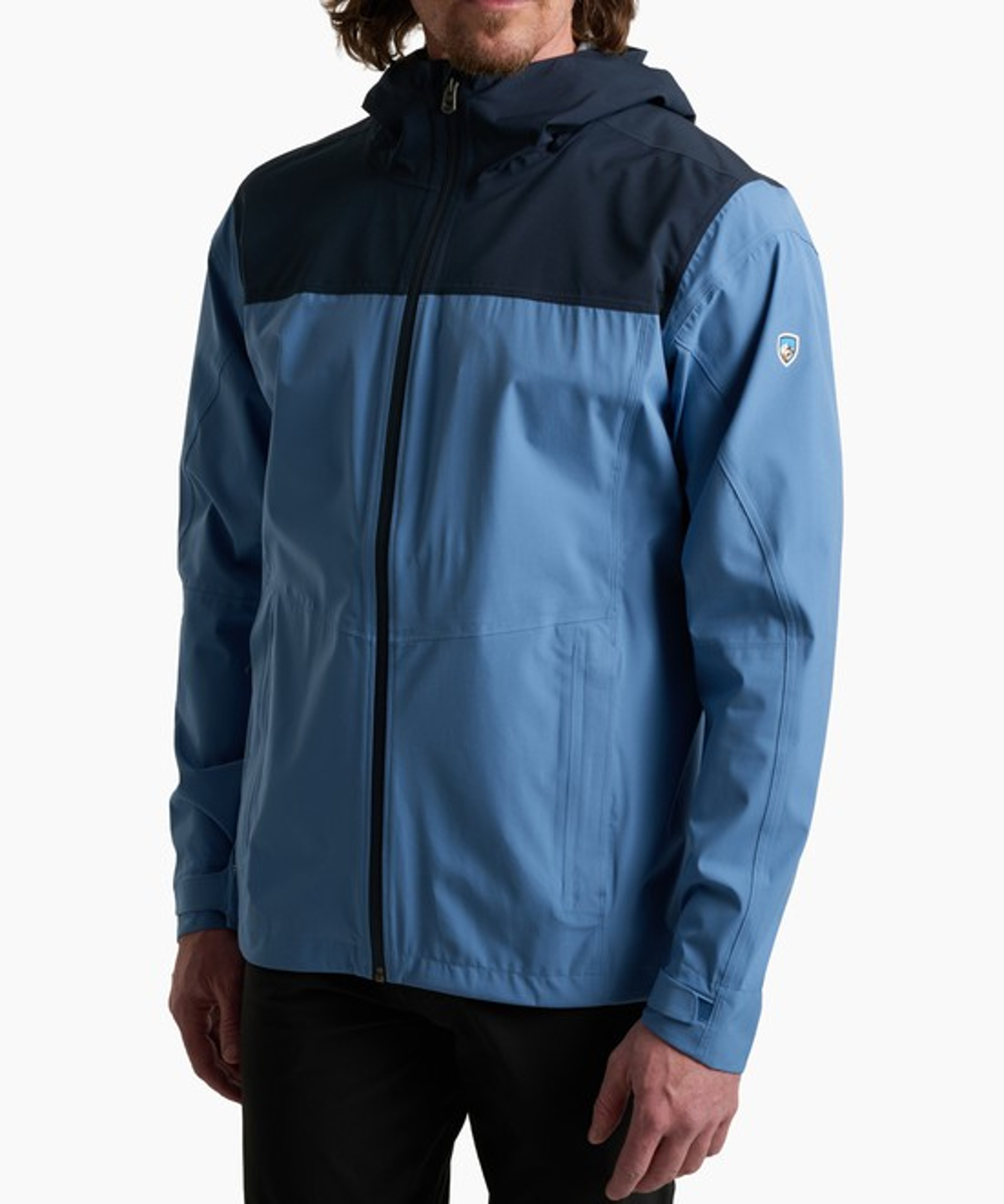
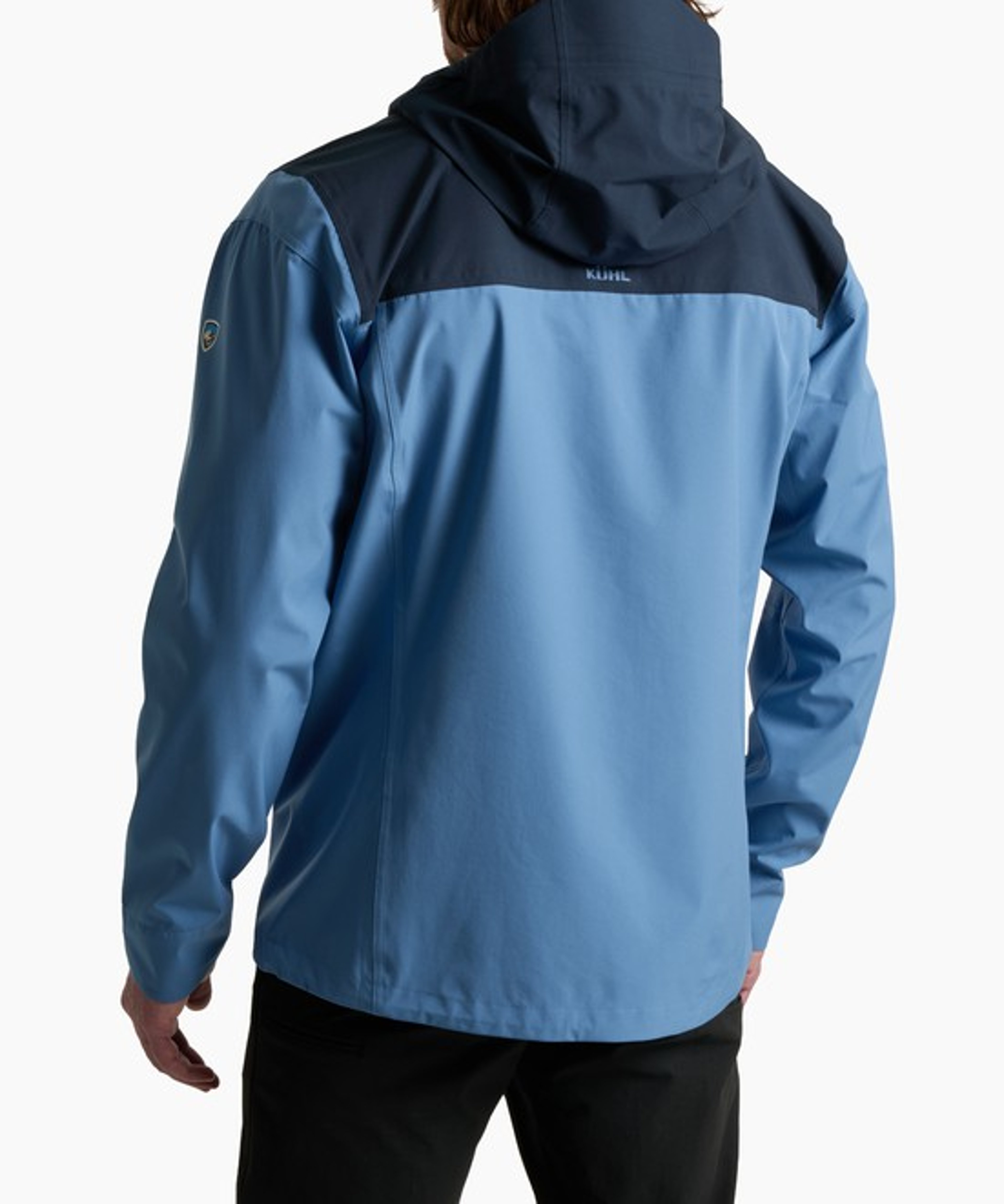
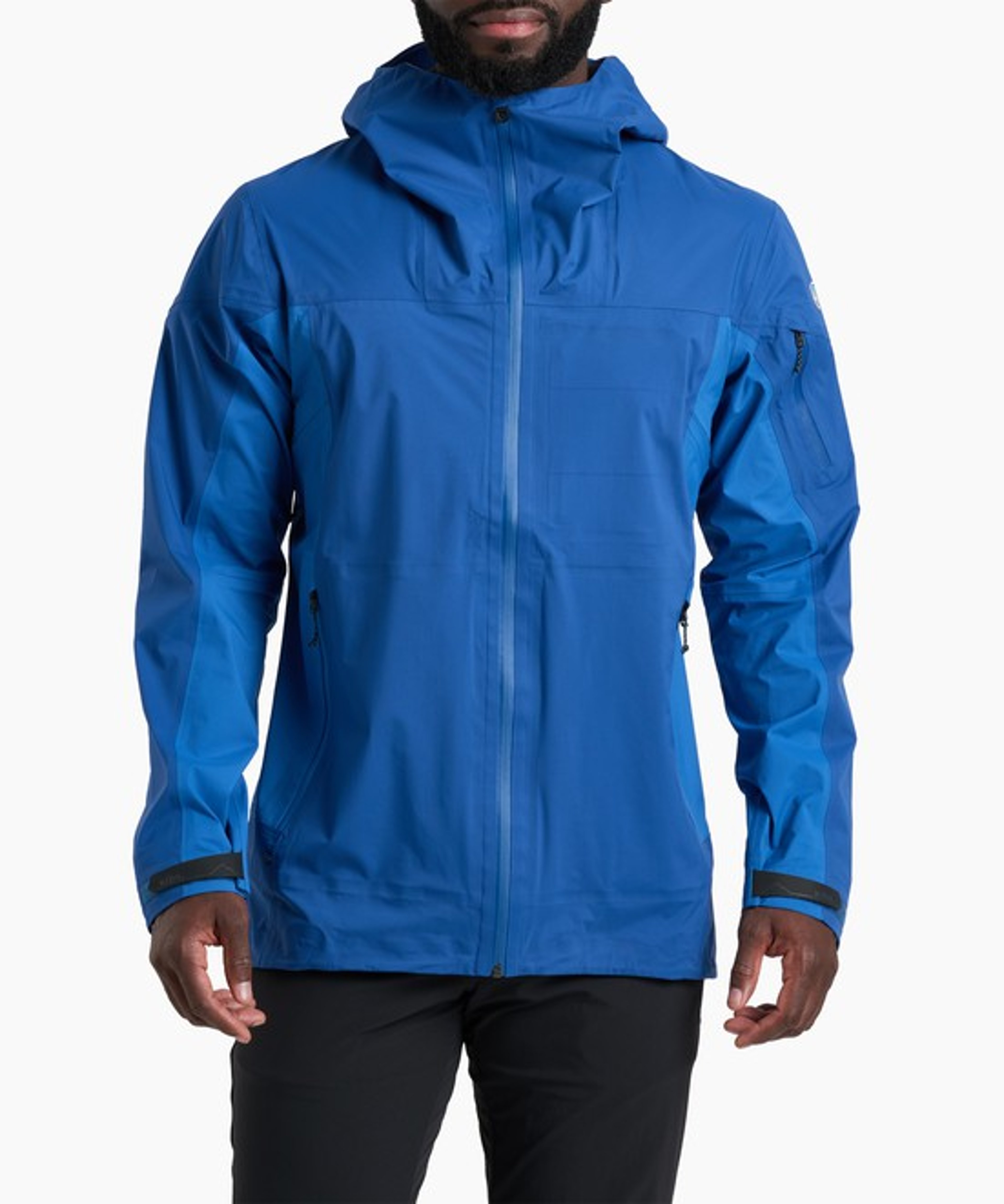
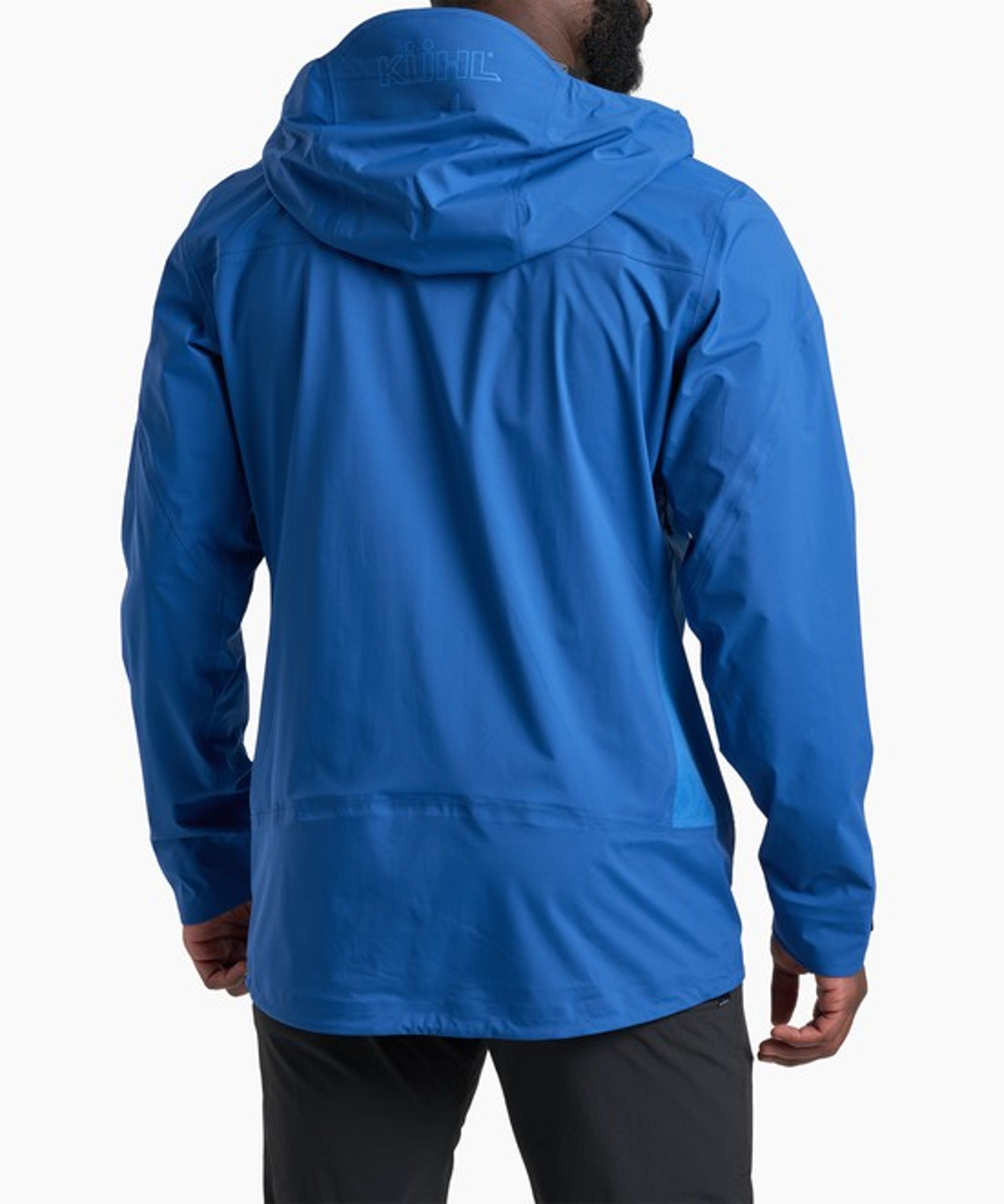
Hardshell Protection. When the forecast turns hostile, a true hardshell is the layer you reach for. Waterproof face fabrics with a DWR finish, taped seams, and water-repellent zippers shut out sustained rain and wet snow, while a helmet-compatible hood with an adjustable brim keeps weather off your face. Pit zips dump heat fast on the climb.
Softshell Versatility. For the broader middle of the weather spectrum (wind, cold air, light moisture, high output), a softshell trades absolute waterproofing for breathability and stretch. Look for a 4-way stretch face, a brushed interior, and a DWR finish that sheds drizzle while letting body heat escape. See our men's softshell jackets for the full range.
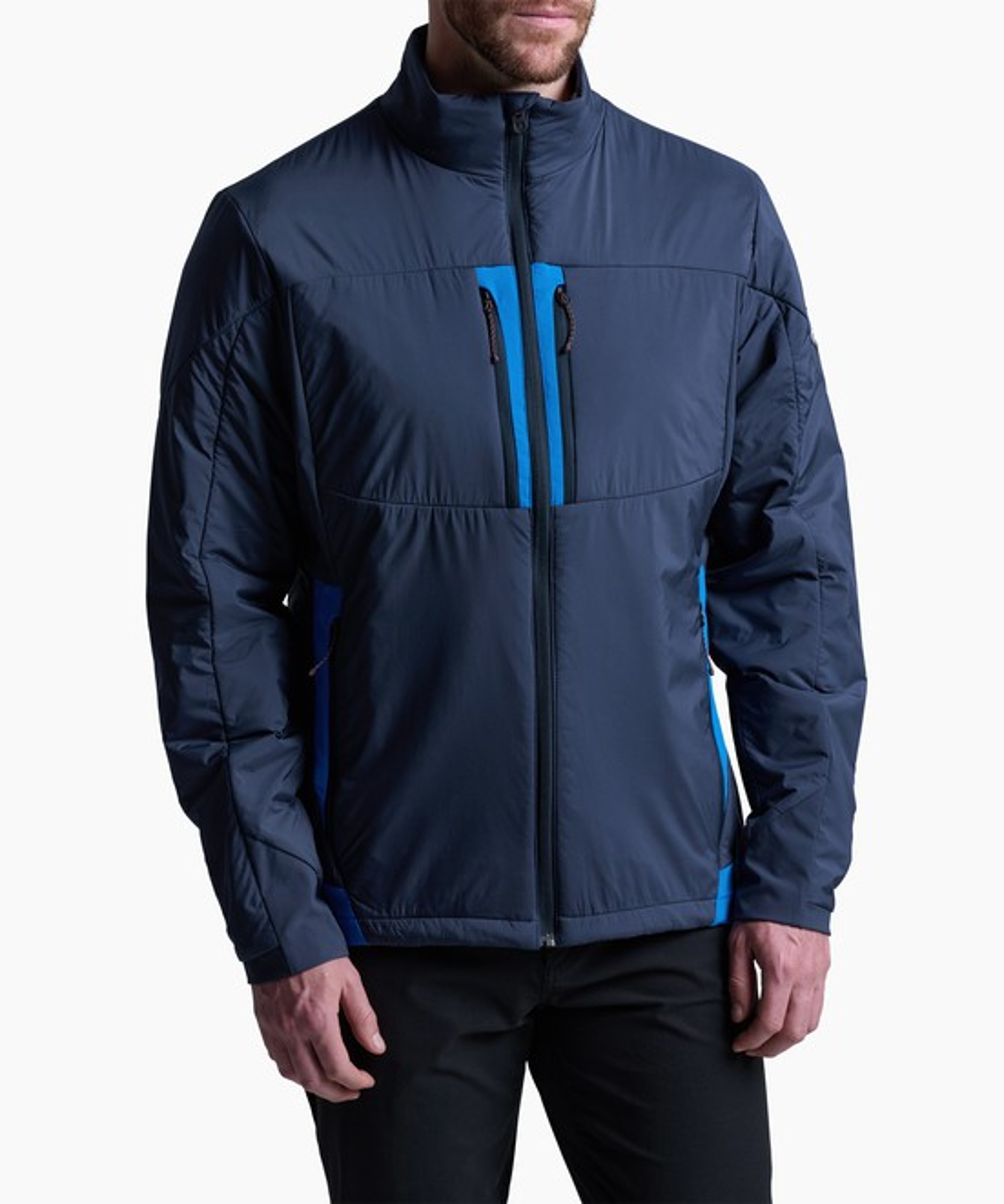
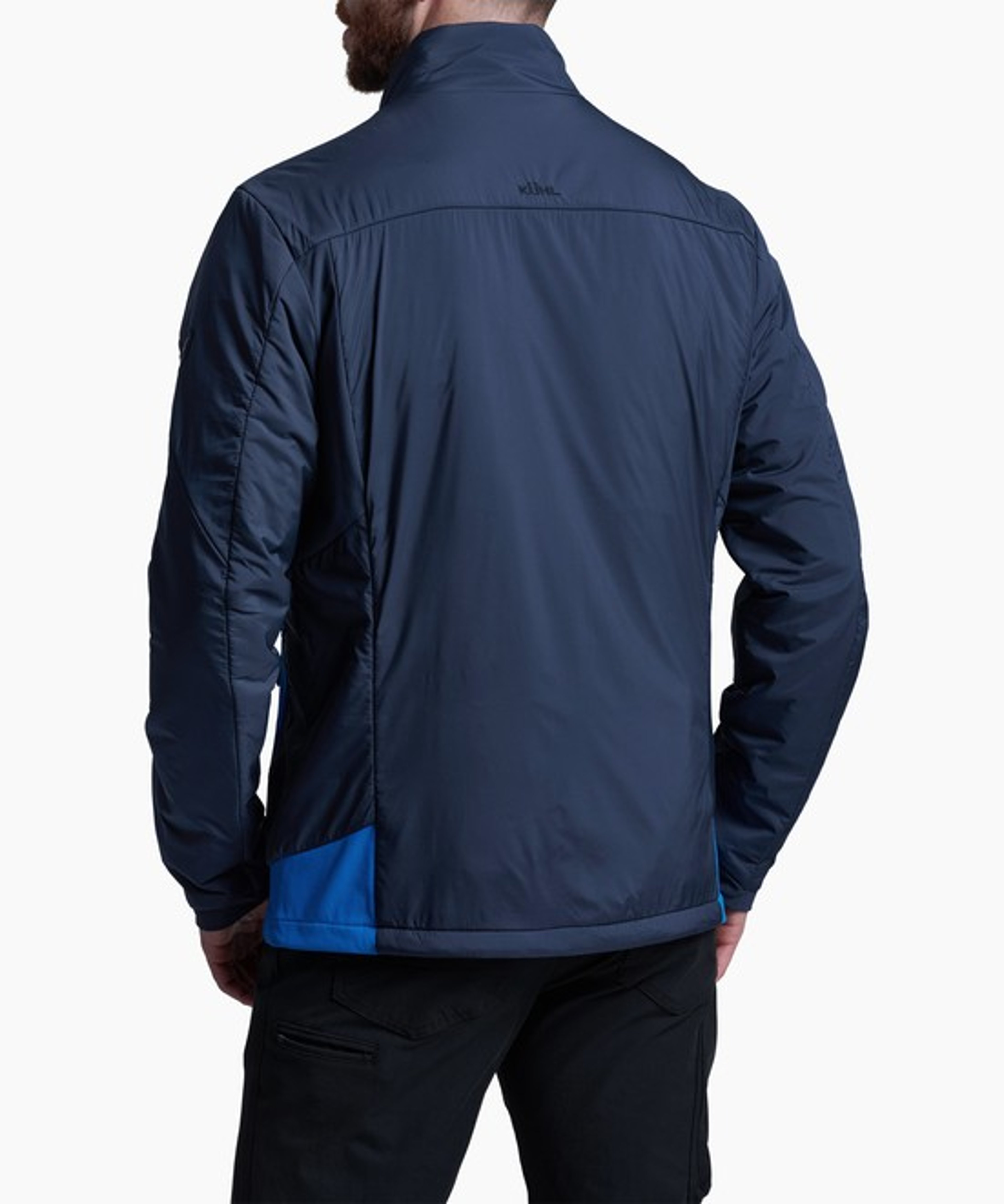
Insulated Warmth. When the temperature drops, an insulated technical jacket adds the warmth a shell alone can't. Down delivers the best warmth-to-weight ratio for cold, dry conditions. Synthetic insulation keeps performing when it's damp. Both pair cleanly under a shell or wear alone over a fleece mid-layer.
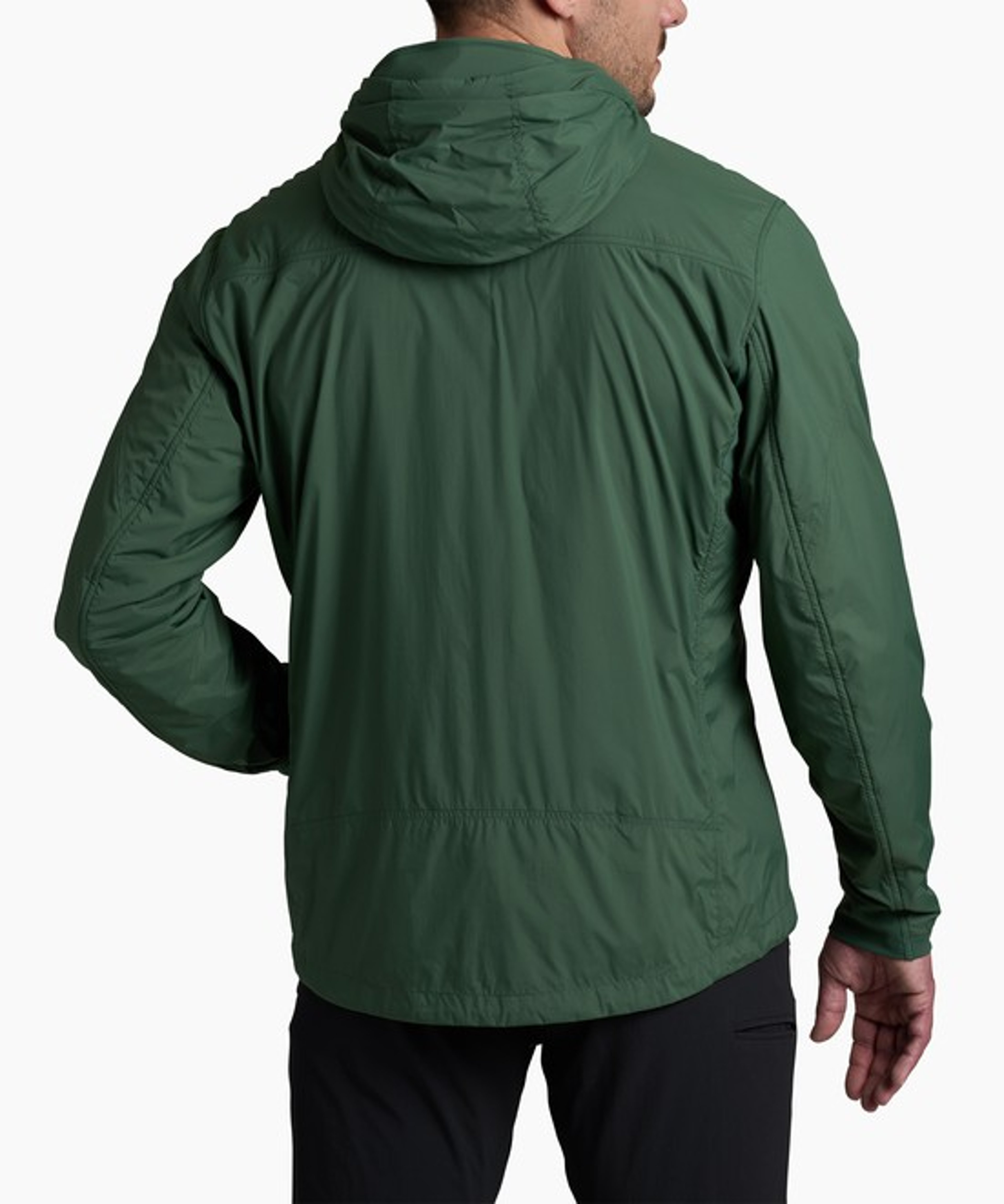
Ventilation and Fit. Technical jackets earn their name in the details. Articulated sleeves and a gusseted shoulder give you unrestricted reach, mesh-backed pit zips and back vents let you dump heat without stripping down, and adjustable hem and cuffs seal out wind. A trim-but-not-tight cut fits cleanly over a base and mid layer without binding through the shoulders.
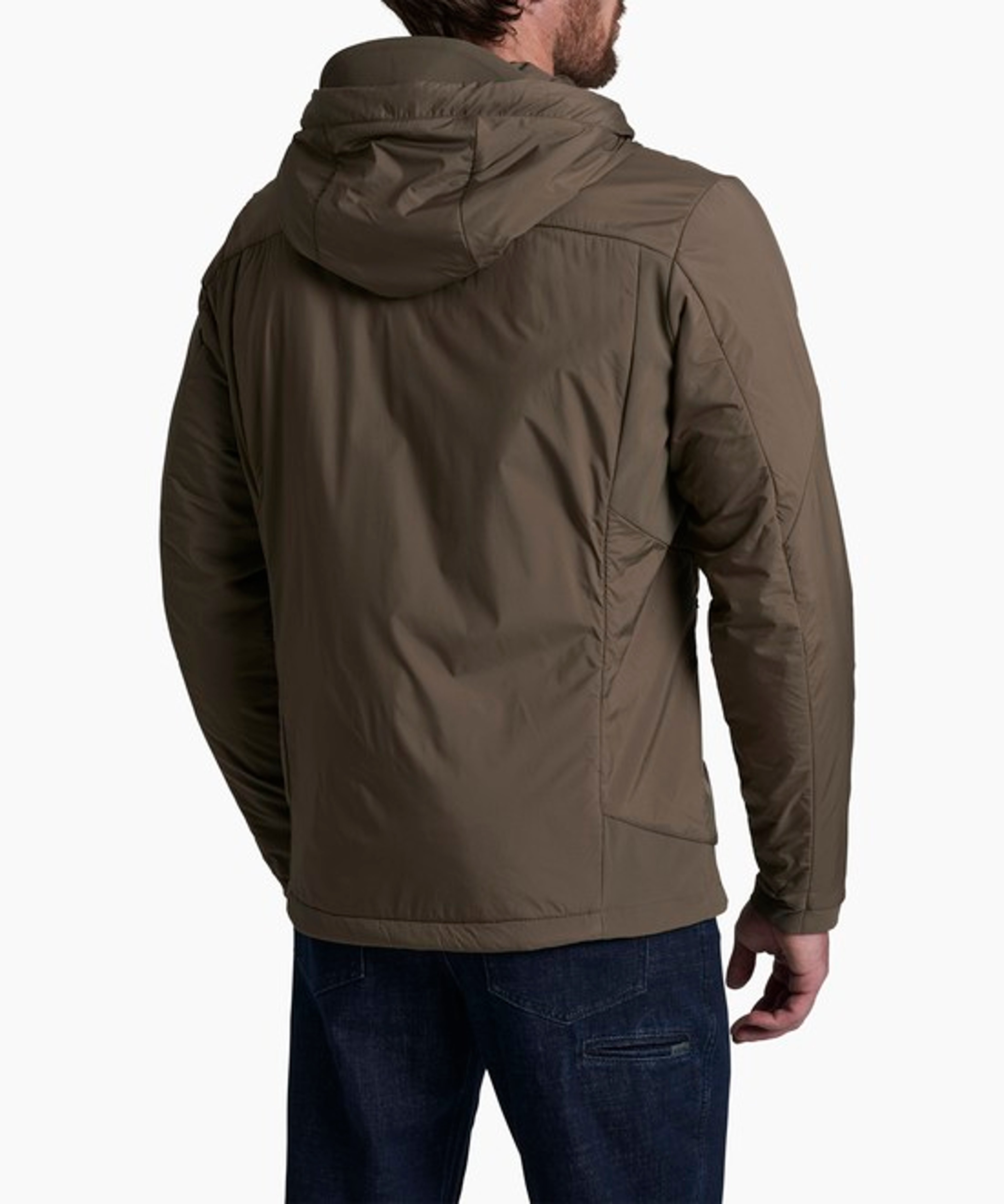
Pack-Ready Design. Strategically placed chest and bicep pockets stay accessible under a hipbelt or sternum strap. Many shells stuff into their own pocket with a carabiner loop, so you carry weather protection without bulk. Ripstop face fabrics handle brush, granite, and the abrasion that comes with real backcountry use.
When choosing among men's technical jackets, lead with the conditions you actually face (wet, cold, windy, all three) and let the shell type follow.
Choose from a variety of fabrics, constructions, and features for the men's technical jackets that match your conditions:
Hardshell Protection. When the forecast turns hostile, a true hardshell is the layer you reach for. Waterproof face fabrics with a DWR finish, taped seams, and water-repellent zippers shut out sustained rain and wet snow, while a helmet-compatible hood with an adjustable brim keeps weather off your face. Pit zips dump heat fast on the climb.
Softshell Versatility. For the broader middle of the weather spectrum (wind, cold air, light moisture, high output), a softshell trades absolute waterproofing for breathability and stretch. Look for a 4-way stretch face, a brushed interior, and a DWR finish that sheds drizzle while letting body heat escape. See our men's softshell jackets for the full range.
Insulated Warmth. When the temperature drops, an insulated technical jacket adds the warmth a shell alone can't. Down delivers the best warmth-to-weight ratio for cold, dry conditions. Synthetic insulation keeps performing when it's damp. Both pair cleanly under a shell or wear alone over a fleece mid-layer.
Ventilation and Fit. Technical jackets earn their name in the details. Articulated sleeves and a gusseted shoulder give you unrestricted reach, mesh-backed pit zips and back vents let you dump heat without stripping down, and adjustable hem and cuffs seal out wind. A trim-but-not-tight cut fits cleanly over a base and mid layer without binding through the shoulders.
Pack-Ready Design. Strategically placed chest and bicep pockets stay accessible under a hipbelt or sternum strap. Many shells stuff into their own pocket with a carabiner loop, so you carry weather protection without bulk. Ripstop face fabrics handle brush, granite, and the abrasion that comes with real backcountry use.
When choosing among men's technical jackets, lead with the conditions you actually face (wet, cold, windy, all three) and let the shell type follow.
Technical jackets that match the weather: hardshell, softshell, and insulated options built with the construction details that matter on the trail.
What should you look for in men's technical jackets?
Look for weather protection matched to your conditions, breathability that keeps up with high output, and a fit that layers cleanly. The right technical jacket starts with the shell type: hardshell for sustained rain, softshell for wind and active warmth, insulated for cold. From there, weigh details that matter on the trail: taped or sealed seams, a DWR finish on the face fabric, a helmet-compatible hood, pit zips, articulated sleeves, and pockets you can reach while wearing a pack. For a wider view of the layering system, browse our men's outerwear.
What's the difference between a hardshell, softshell, and insulated jacket?
A hardshell is fully waterproof, a softshell is wind- and weather-resistant with stretch, and an insulated jacket adds warmth. Hardshells use a waterproof membrane and taped seams to block sustained rain and wet snow: protection first, breathability second. Softshells trade absolute waterproofing for 4-way stretch, breathability, and quiet comfort during high-output activity. Insulated jackets carry down or synthetic fill and function as a warmth layer, often worn under a shell when conditions turn nasty.
How do you choose between down and synthetic insulation?
Choose down for the best warmth-to-weight ratio in cold, dry conditions. Choose synthetic when wet weather is on the table. Down compresses smaller, lasts longer, and is the lightest way to carry serious warmth, but it loses loft when soaked. Synthetic fill keeps insulating when damp and dries faster, making it the smarter pick for shoulder seasons, humid climates, or anyone who runs hot. Many of our men's down jackets use water-resistant treated down to split the difference.
Are technical jackets waterproof or just water-resistant?
It depends on the construction: a DWR finish sheds light moisture, while a membrane with taped seams blocks sustained rain. Water-resistant softshells and treated face fabrics handle drizzle, snow flurries, and short showers. Water beads up and rolls off until the DWR wears down. True waterproof shells add a laminated membrane (often 2.5- or 3-layer construction) plus fully taped seams and water-repellent zippers, so they hold out under hours of downpour. Check the seam taping before you commit.
How should a technical jacket fit for layering?
A technical jacket should sit close to the body but leave room for a base layer and a mid layer without restricting reach. The shoulders and chest are where layering fails first: if you can't raise your arms overhead in a shell over a fleece, it's too tight. Look for articulated sleeves and a gusseted underarm, a hem that drops past your waist, and a hood that fits over a helmet or beanie. Try it on with the layers you actually wear, including a men's fleece mid-layer.
What features matter most when hiking or backpacking?
Pit zips, a helmet-compatible hood, pack-friendly pockets, and a packable design matter most on the trail. Pit zips let you dump heat on a climb without stripping off the jacket. A hood with an adjustable brim and rear cinch stays put in wind. Chest and bicep pockets keep maps, snacks, and a phone within reach when a hipbelt blocks lower pockets. Look for a shell that stuffs into its own pocket, a ripstop face for brush abrasion, and a trim-but-not-tight cut so you can move freely under a loaded pack.