
Trekking Expeditions
Take on the world's wildest routes in KÜHL trekking expedition gear.
Choose from a curated edit of fabrics, constructions, and features built to carry you from approach trail to high camp:
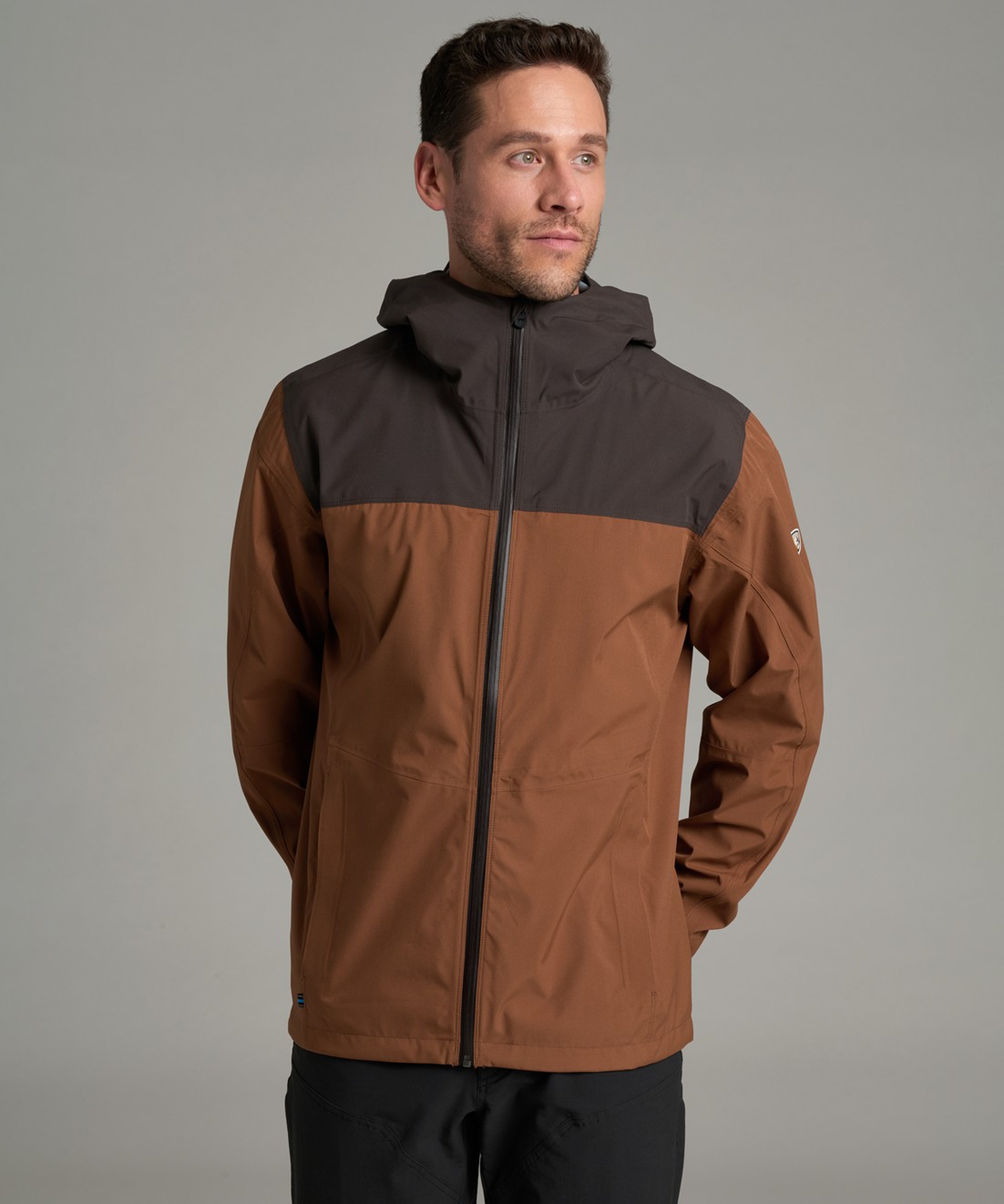
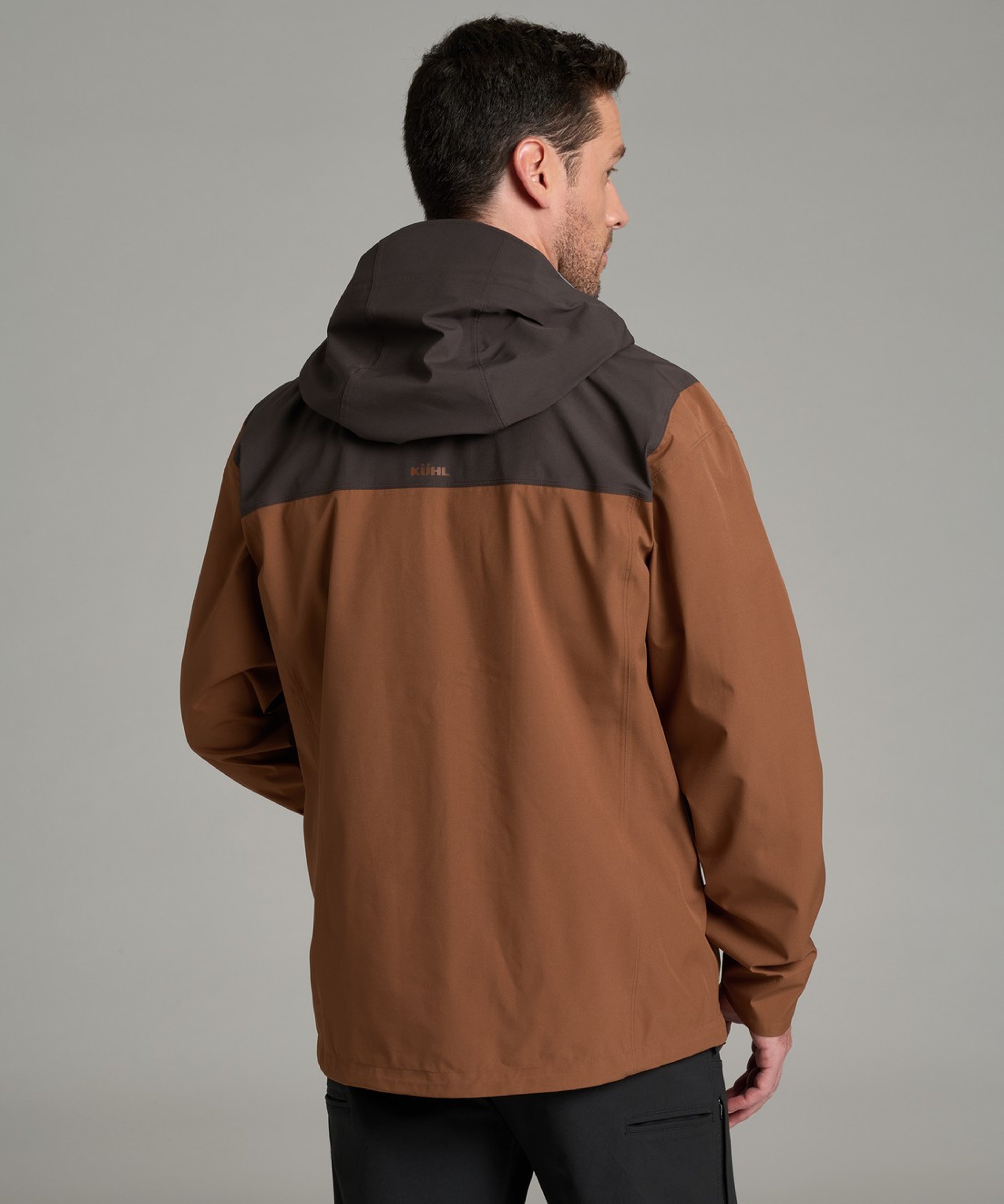
Trail-Ready Shells. A trekking expedition jacket lives or dies by its fabric. Look for lightweight, 4-way stretch builds with a DWR finish that sheds rain and rolls down to a packable bundle. Soft, quiet, and flexible faces let you move without crinkle or drag, and a properly engineered waterproof-breathable membrane shrugs off wind and weather without trapping body heat against your skin.
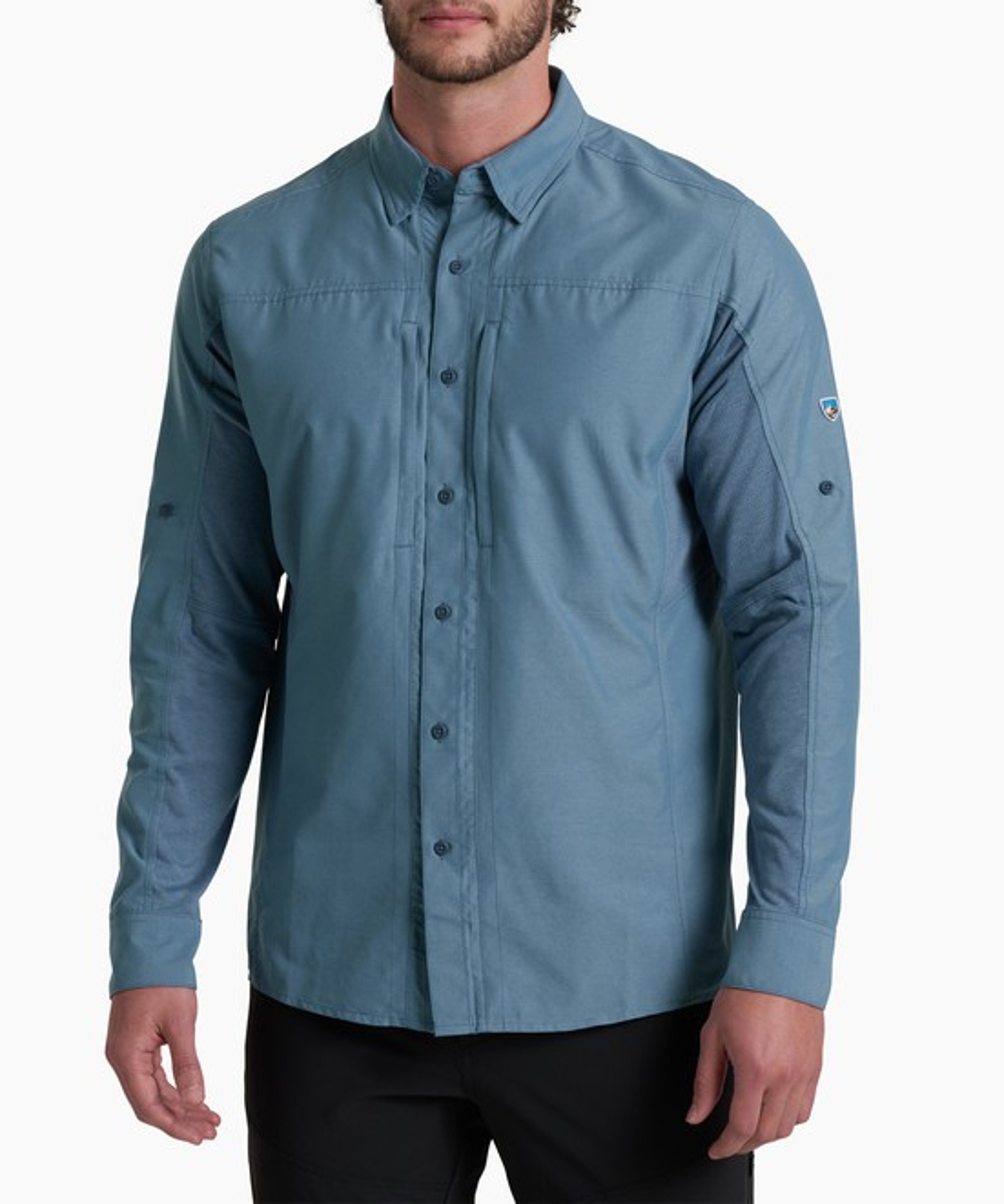
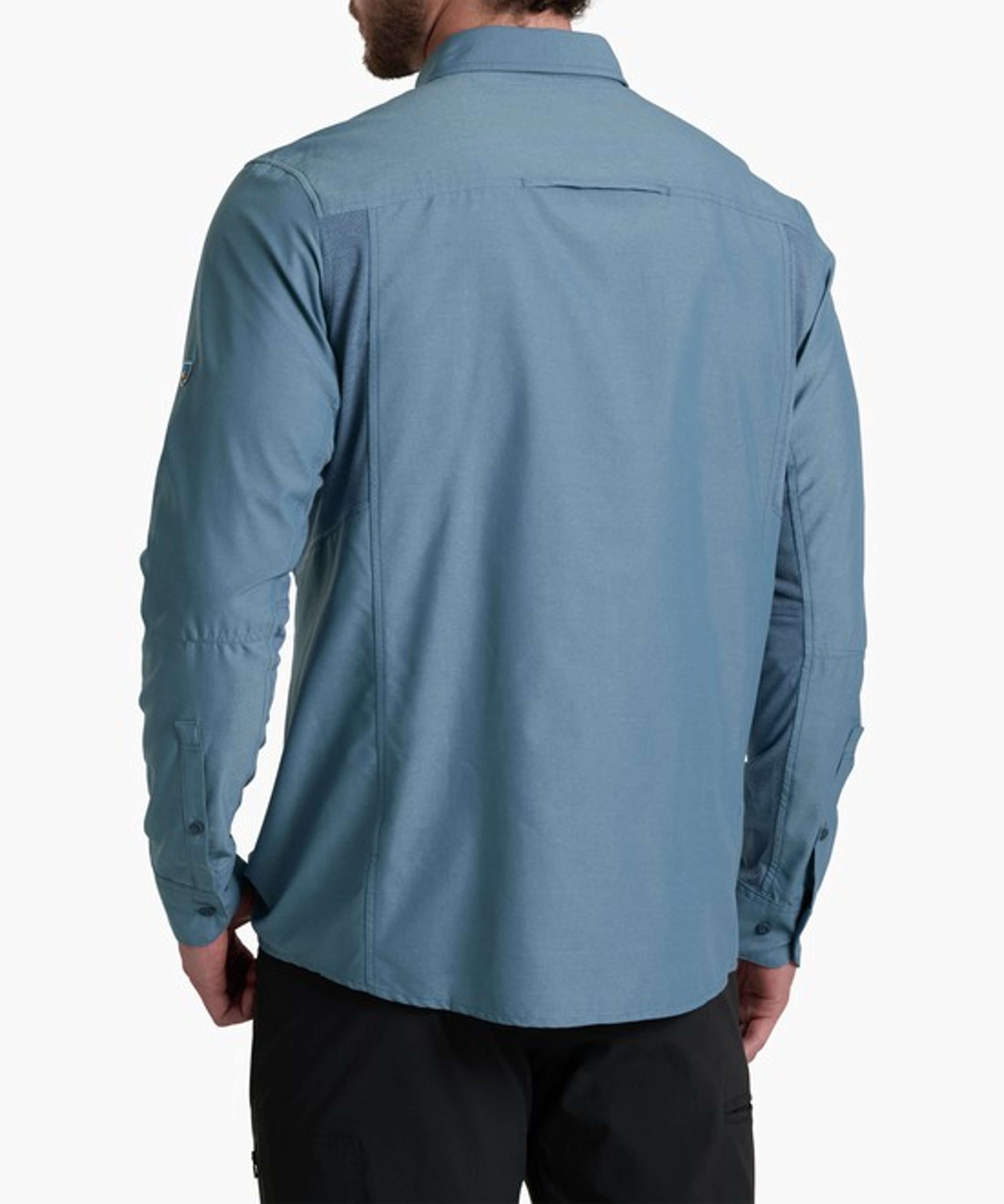
Hot-Weather Performance. When the route turns dry and exposed, breathability decides the day. Hybrid-construction shirts that combine mesh, knit, and woven panels move air where you need it and hold structure where you don't. UPF 30+ sun protection takes the bite out of high-altitude UV, and quick-dry fibers pull sweat off your skin before chafe sets in.
Built for Layering. Expeditions reward a system, not a single piece. A breathable next-to-skin shirt under a lightweight stretch shell covers the full temperature swing of a long day: sun-soaked ridge in the morning, sleet on the col by afternoon. Articulated patterning and a gusseted construction keep range of motion intact when you're scrambling, post-holing, or shouldering a trekking pack.
Designed Around the Details. Look for the small touches that pay off on long days: zippered chest stash for a permit or pass, hem cinches that lock out drafts, low-bulk seams that won't grind under a hip belt, and reinforced shoulders where your pack sits. Pair with a trekking hat and quick-dry socks to round out the kit. For high-alpine starts and storm-rated conditions, see our ski collection.
Choose from a curated edit of fabrics, constructions, and features built to carry you from approach trail to high camp:
Trail-Ready Shells. A trekking expedition jacket lives or dies by its fabric. Look for lightweight, 4-way stretch builds with a DWR finish that sheds rain and rolls down to a packable bundle. Soft, quiet, and flexible faces let you move without crinkle or drag, and a properly engineered waterproof-breathable membrane shrugs off wind and weather without trapping body heat against your skin.
Hot-Weather Performance. When the route turns dry and exposed, breathability decides the day. Hybrid-construction shirts that combine mesh, knit, and woven panels move air where you need it and hold structure where you don't. UPF 30+ sun protection takes the bite out of high-altitude UV, and quick-dry fibers pull sweat off your skin before chafe sets in.
Built for Layering. Expeditions reward a system, not a single piece. A breathable next-to-skin shirt under a lightweight stretch shell covers the full temperature swing of a long day: sun-soaked ridge in the morning, sleet on the col by afternoon. Articulated patterning and a gusseted construction keep range of motion intact when you're scrambling, post-holing, or shouldering a trekking pack.
Designed Around the Details. Look for the small touches that pay off on long days: zippered chest stash for a permit or pass, hem cinches that lock out drafts, low-bulk seams that won't grind under a hip belt, and reinforced shoulders where your pack sits. Pair with a trekking hat and quick-dry socks to round out the kit. For high-alpine starts and storm-rated conditions, see our ski collection.
Trekking expedition gear lives in the details: fabric, fit, sun protection, and weather range. Here's what to look for before you pack.
What should you look for in trekking expeditions?
The best trekking expedition gear hits four marks at once: serious sun protection, real breathability, a fit that adjusts with conditions, and a low pack weight.
Sun protection means UPF-rated fabrics and, where it fits the piece, a brim or hood that shades face, ears, and neck on exposed ground. Breathability means lightweight synthetic fibers, mesh ventilation at sweat zones, and a construction that moves air rather than trapping it. Fit means adjustable drawcords, articulated patterning, and a gusseted build that doesn't bind on steep terrain. Packability matters because every ounce counts after twenty miles. Choose crushable, quick-drying pieces you can stuff into a pack without bulk.
Sun protection means UPF-rated fabrics and, where it fits the piece, a brim or hood that shades face, ears, and neck on exposed ground. Breathability means lightweight synthetic fibers, mesh ventilation at sweat zones, and a construction that moves air rather than trapping it. Fit means adjustable drawcords, articulated patterning, and a gusseted build that doesn't bind on steep terrain. Packability matters because every ounce counts after twenty miles. Choose crushable, quick-drying pieces you can stuff into a pack without bulk.
How important is UPF protection?
UPF protection is non-negotiable on exposed expedition routes. UPF 30+ fabrics block roughly 96% of UV radiation, and UPF 50+ blocks about 98%, the kind of margin you need at altitude, on snow, or in the desert where ambient UV is unforgiving.
The advantage of a UPF garment over sunscreen is that it doesn't sweat off, doesn't need reapplication, and covers continuously through a long day. Pair UPF apparel with a wide-brim hat to shade the face and neck where most fabrics can't reach.
The advantage of a UPF garment over sunscreen is that it doesn't sweat off, doesn't need reapplication, and covers continuously through a long day. Pair UPF apparel with a wide-brim hat to shade the face and neck where most fabrics can't reach.
How should trekking expeditions fit, snug or loose?
The right fit is articulated and adjustable, not strictly snug or loose. You want enough room for air to circulate and for a baselayer to slide underneath, but not so much fabric that it flaps in wind or catches on brush.
Look for adjustable drawcords at the hem and hood, an internal band or chin strap on technical headwear, and an articulated cut through the shoulders, knees, and seat. A gusseted crotch on pants and articulated sleeves on jackets let the garment move with you rather than fight you when you're climbing or scrambling.
Look for adjustable drawcords at the hem and hood, an internal band or chin strap on technical headwear, and an articulated cut through the shoulders, knees, and seat. A gusseted crotch on pants and articulated sleeves on jackets let the garment move with you rather than fight you when you're climbing or scrambling.
Are trekking expeditions good for hot vs cold weather?
Yes, the same category covers both, provided you pick the right weight and construction for the trip.
For hot, exposed routes, choose lightweight nylon or polyester shirts with mesh ventilation panels, UPF 30+ sun protection, and a quick-dry finish that handles sweat and stream crossings. For cold or alpine conditions, layer a waterproof-breathable stretch shell over an insulating mid-layer and a moisture-wicking baselayer. Merino wool excels next to skin in the cold. For winter-grade weather, our ski collection carries heavier insulation and storm-rated shells.
For hot, exposed routes, choose lightweight nylon or polyester shirts with mesh ventilation panels, UPF 30+ sun protection, and a quick-dry finish that handles sweat and stream crossings. For cold or alpine conditions, layer a waterproof-breathable stretch shell over an insulating mid-layer and a moisture-wicking baselayer. Merino wool excels next to skin in the cold. For winter-grade weather, our ski collection carries heavier insulation and storm-rated shells.
What materials work best for trekking expeditions?
The best expedition fabrics balance four properties: weight, breathability, weather resistance, and durability.
Nylon and polyester blends with 4-way stretch move sweat away from the skin and dry fast, ideal for high-output days. Merino wool is the gold standard next to skin in cold weather, regulating temperature and resisting odor over multi-day trips. Look for mesh ventilation panels at sweat zones, ripstop weaves where abrasion is a risk, and a DWR finish on outer layers to shed light precipitation. A lightweight softshell paired with a packable hardshell handles a wide weather window without weighing down your pack.
Nylon and polyester blends with 4-way stretch move sweat away from the skin and dry fast, ideal for high-output days. Merino wool is the gold standard next to skin in cold weather, regulating temperature and resisting odor over multi-day trips. Look for mesh ventilation panels at sweat zones, ripstop weaves where abrasion is a risk, and a DWR finish on outer layers to shed light precipitation. A lightweight softshell paired with a packable hardshell handles a wide weather window without weighing down your pack.