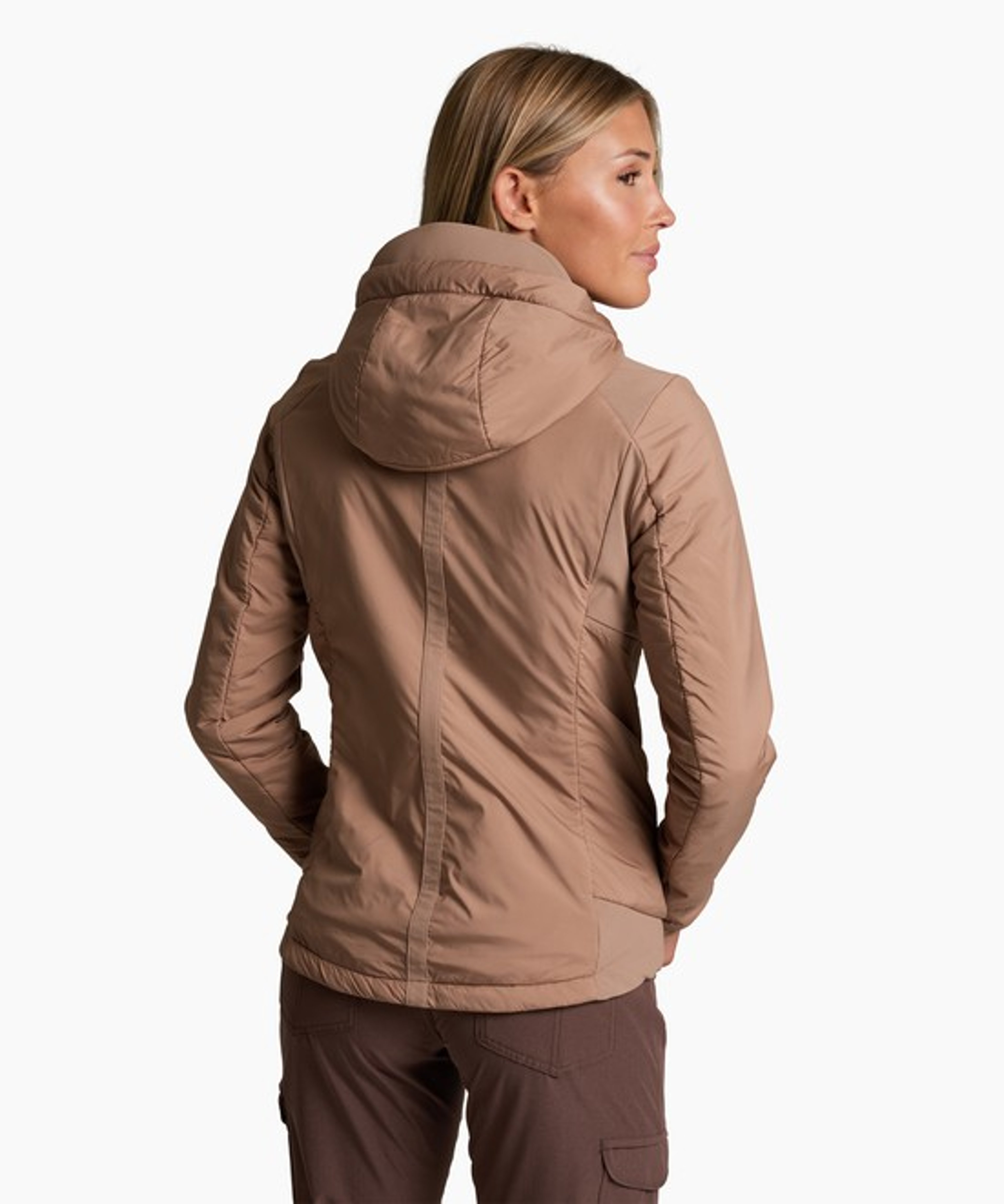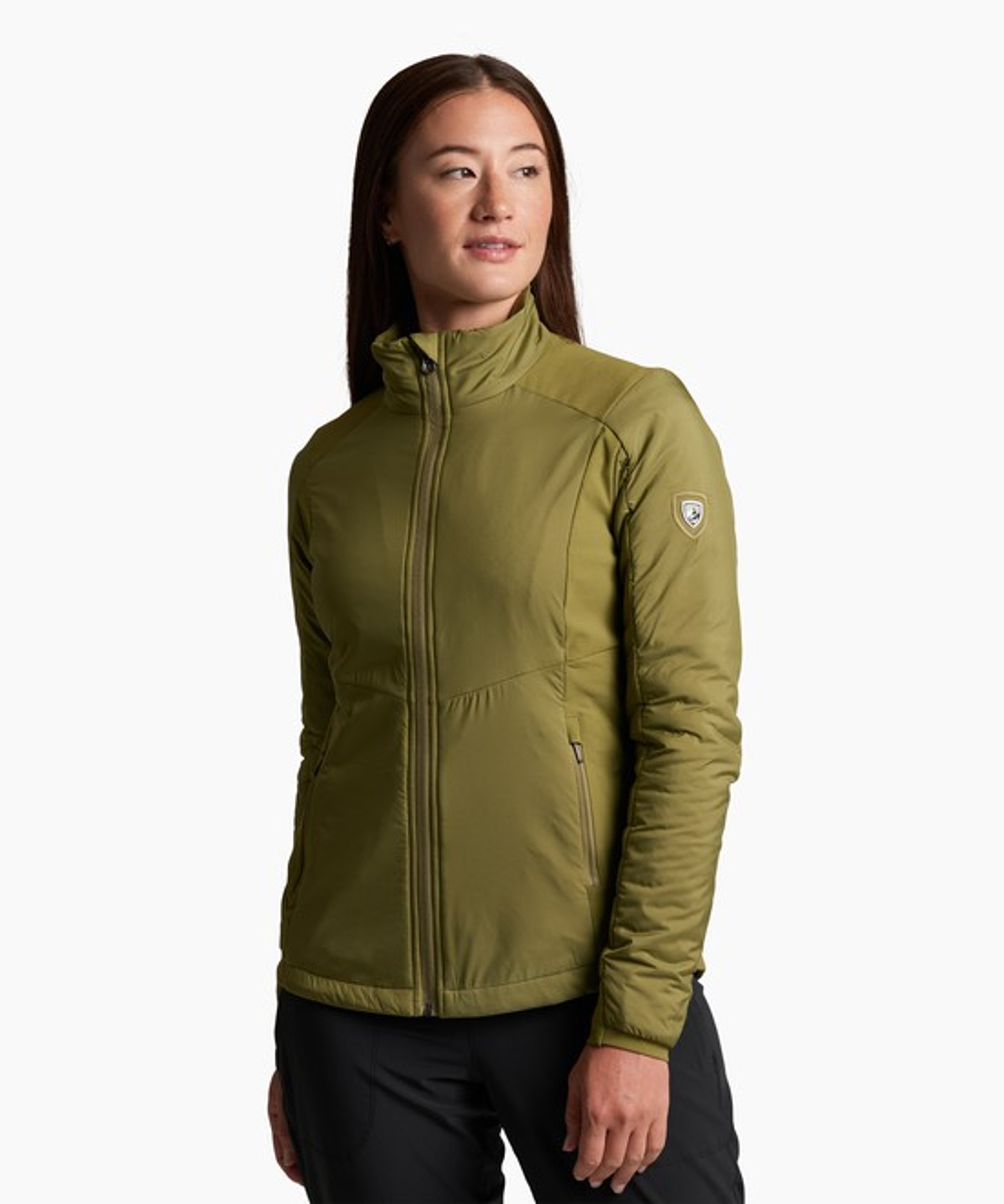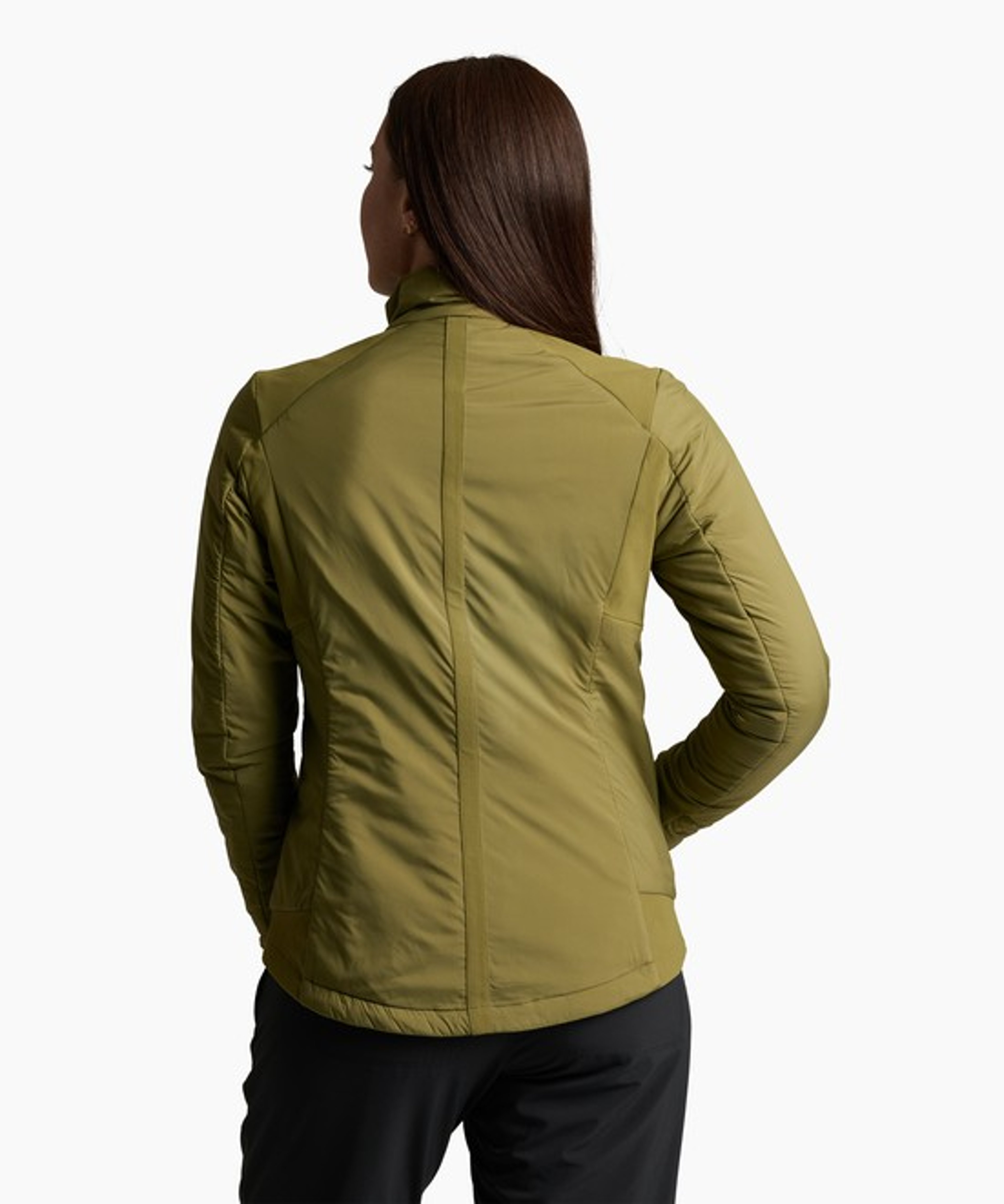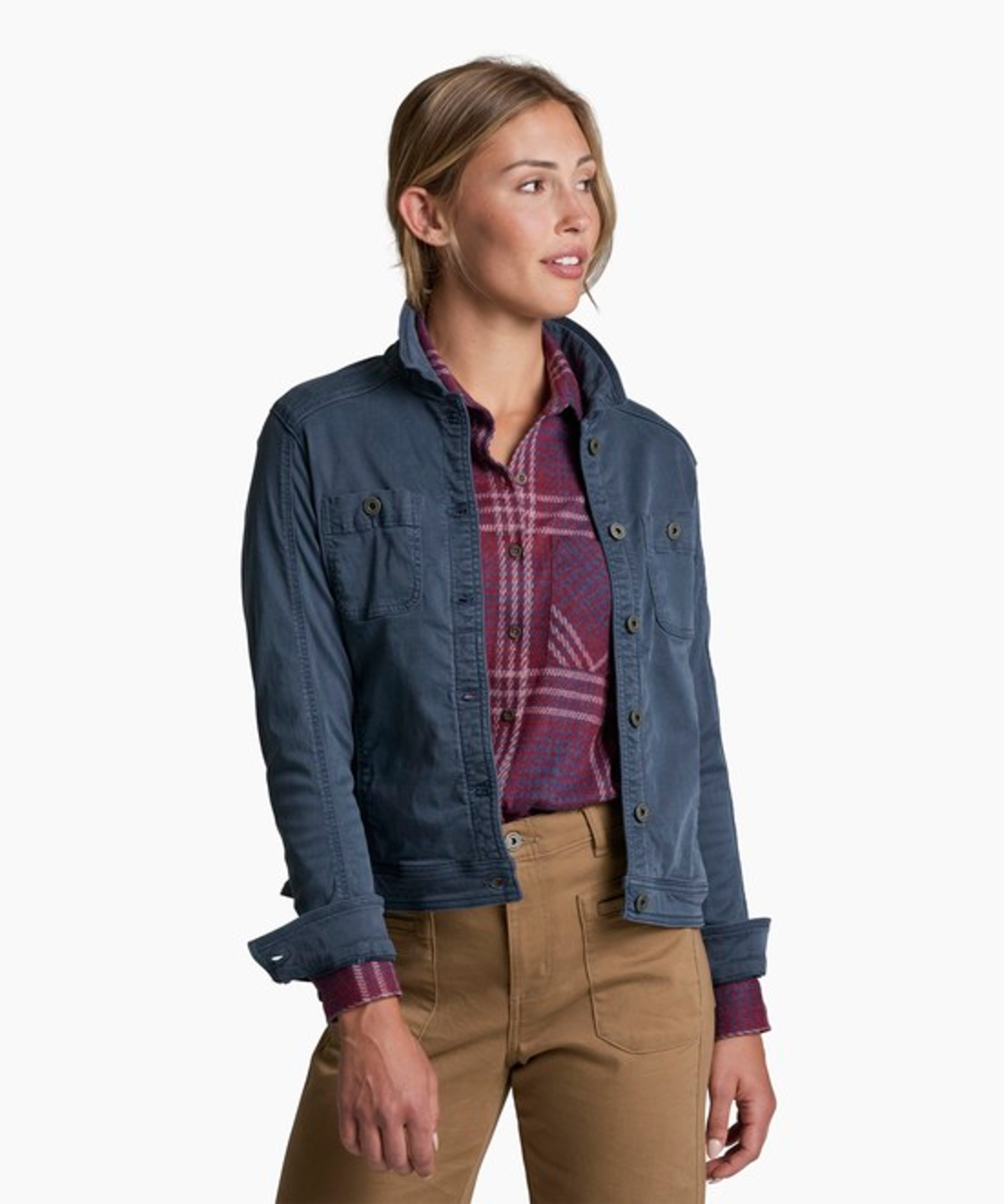






STYLE
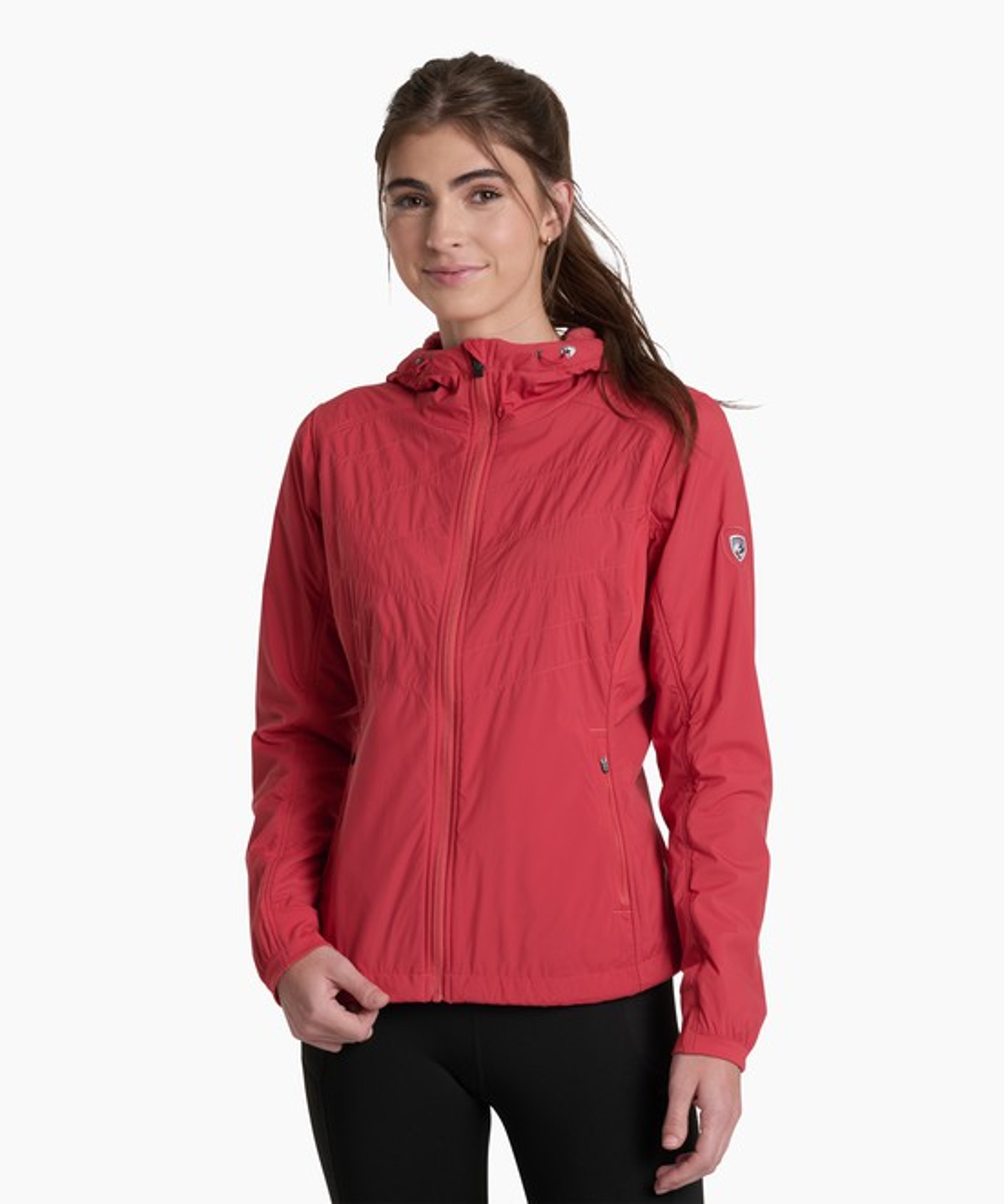
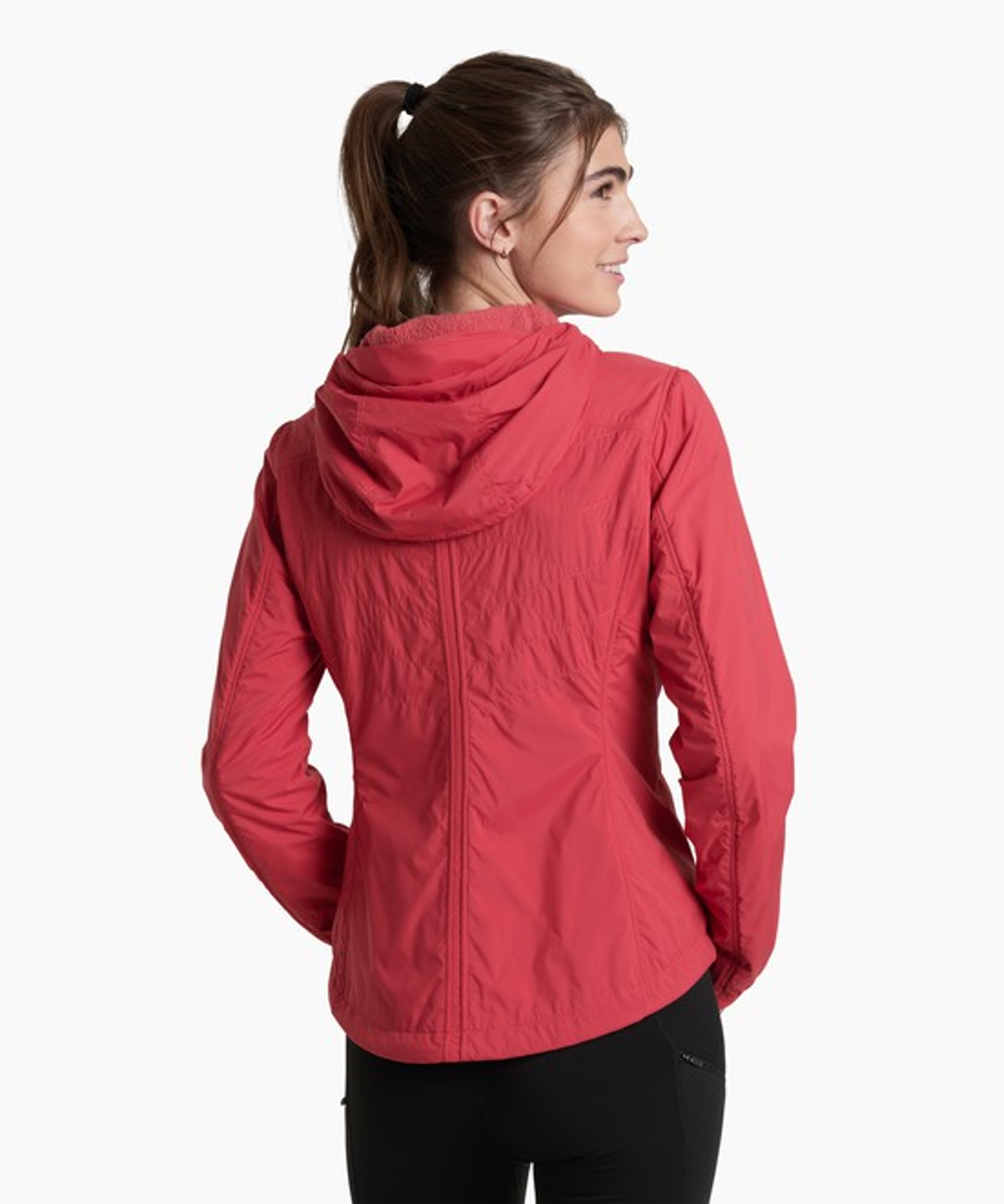
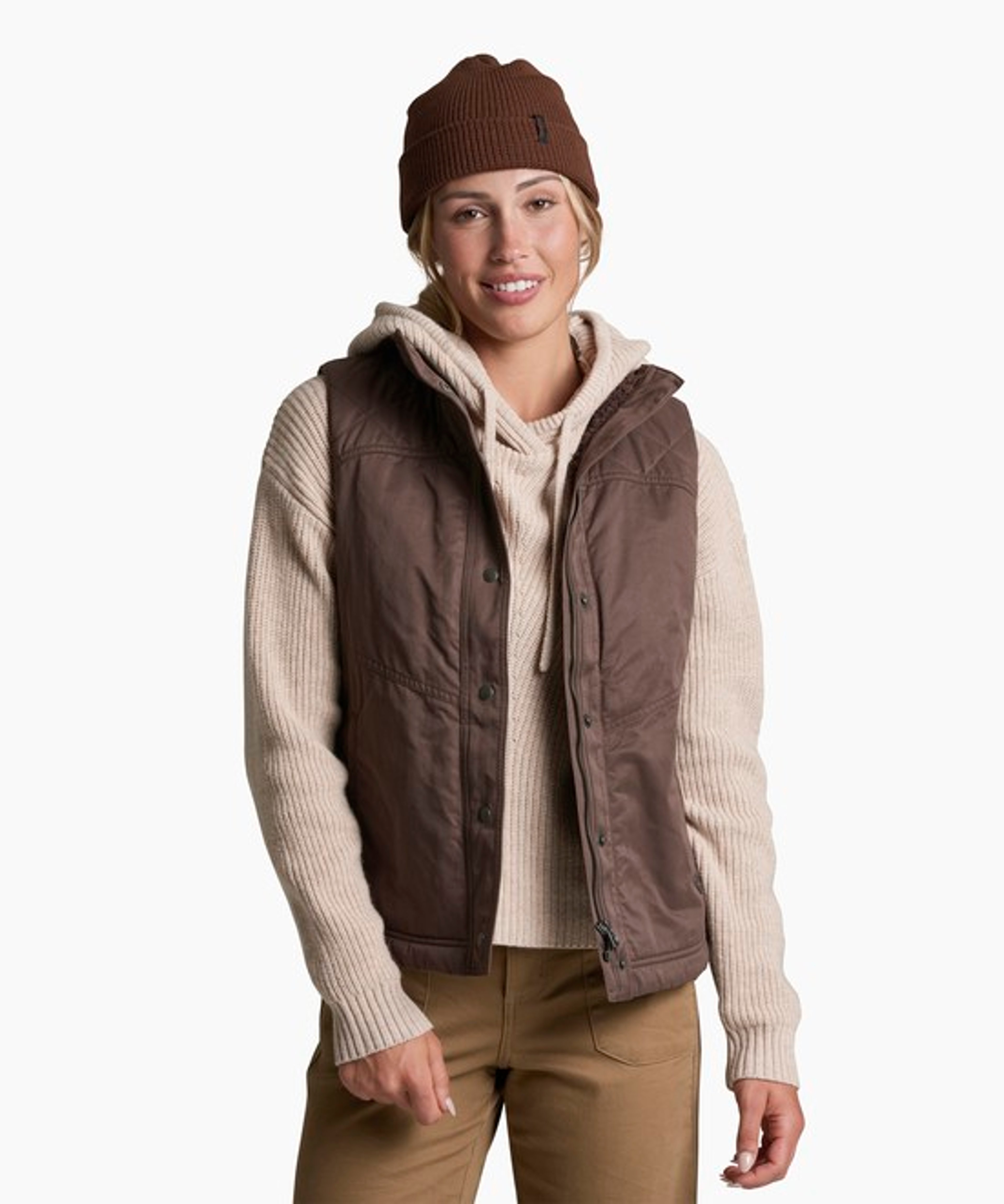
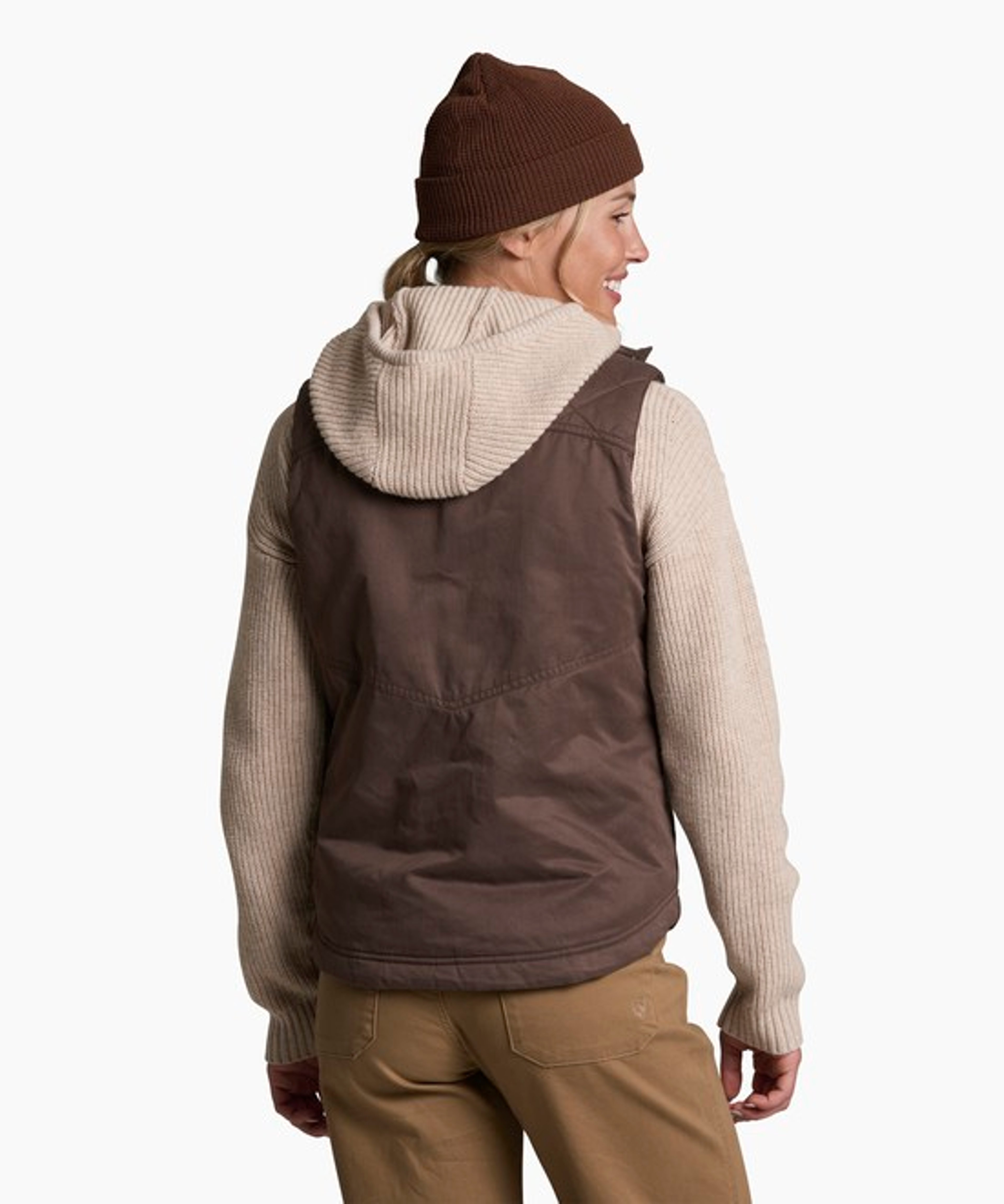
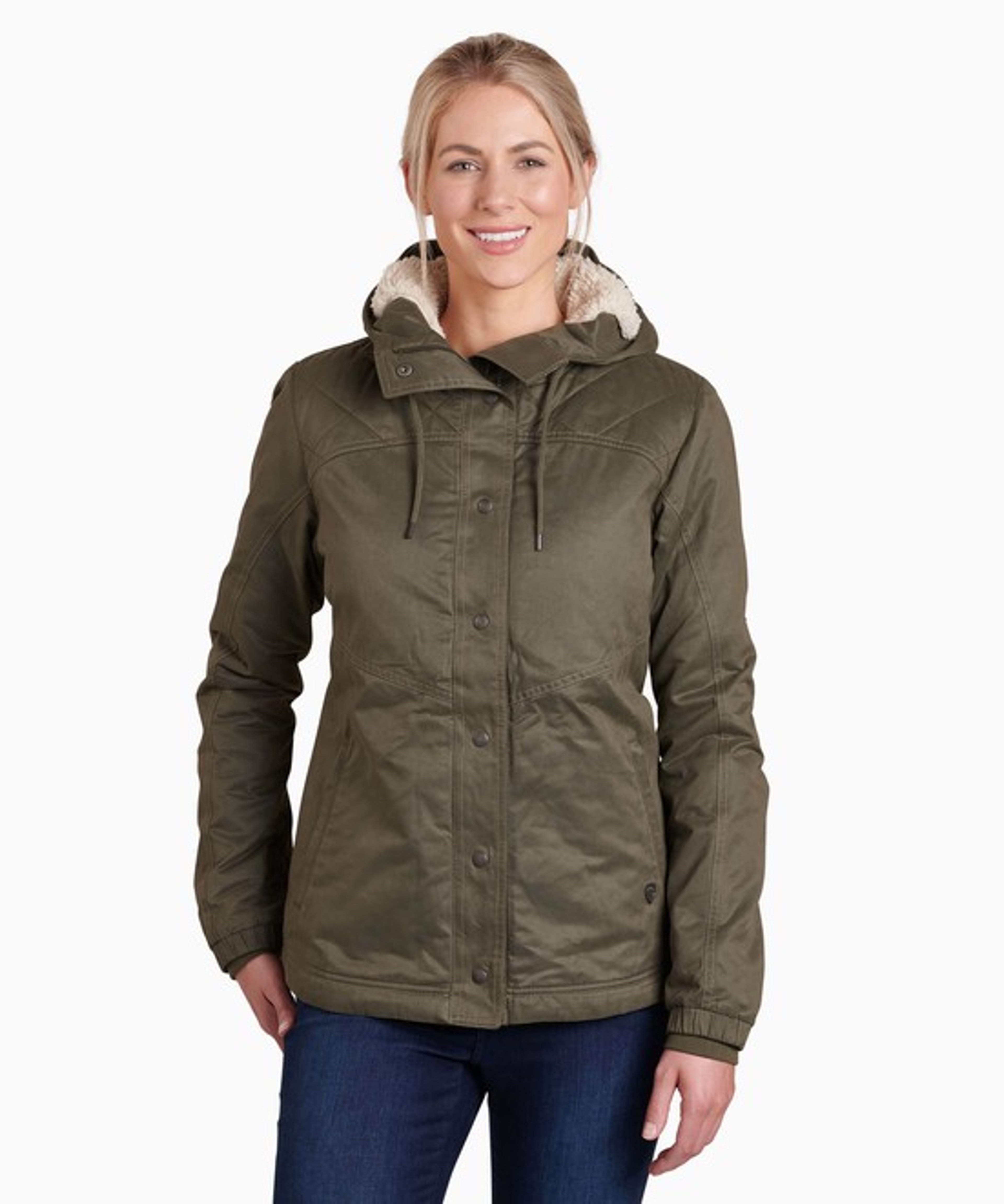
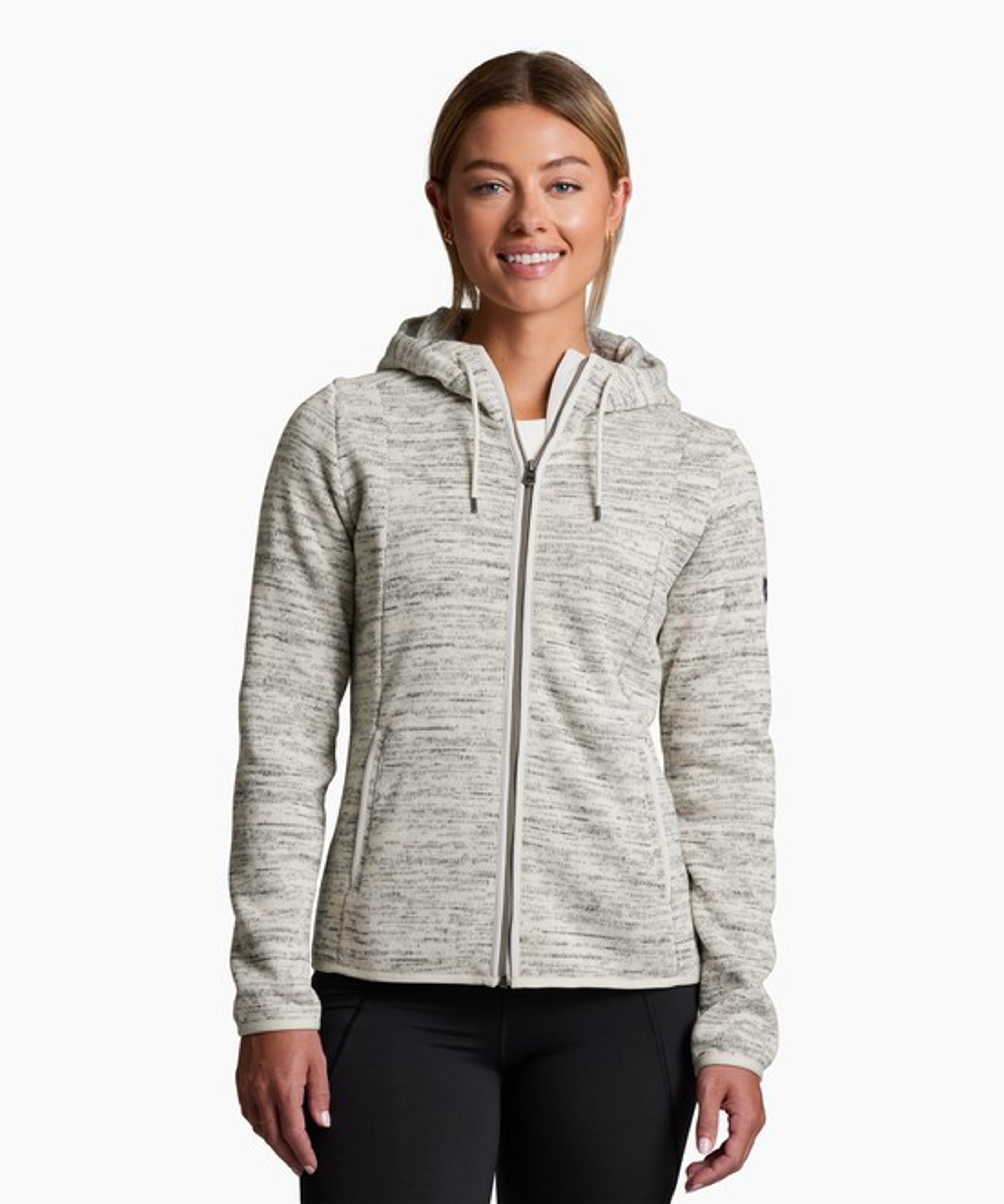
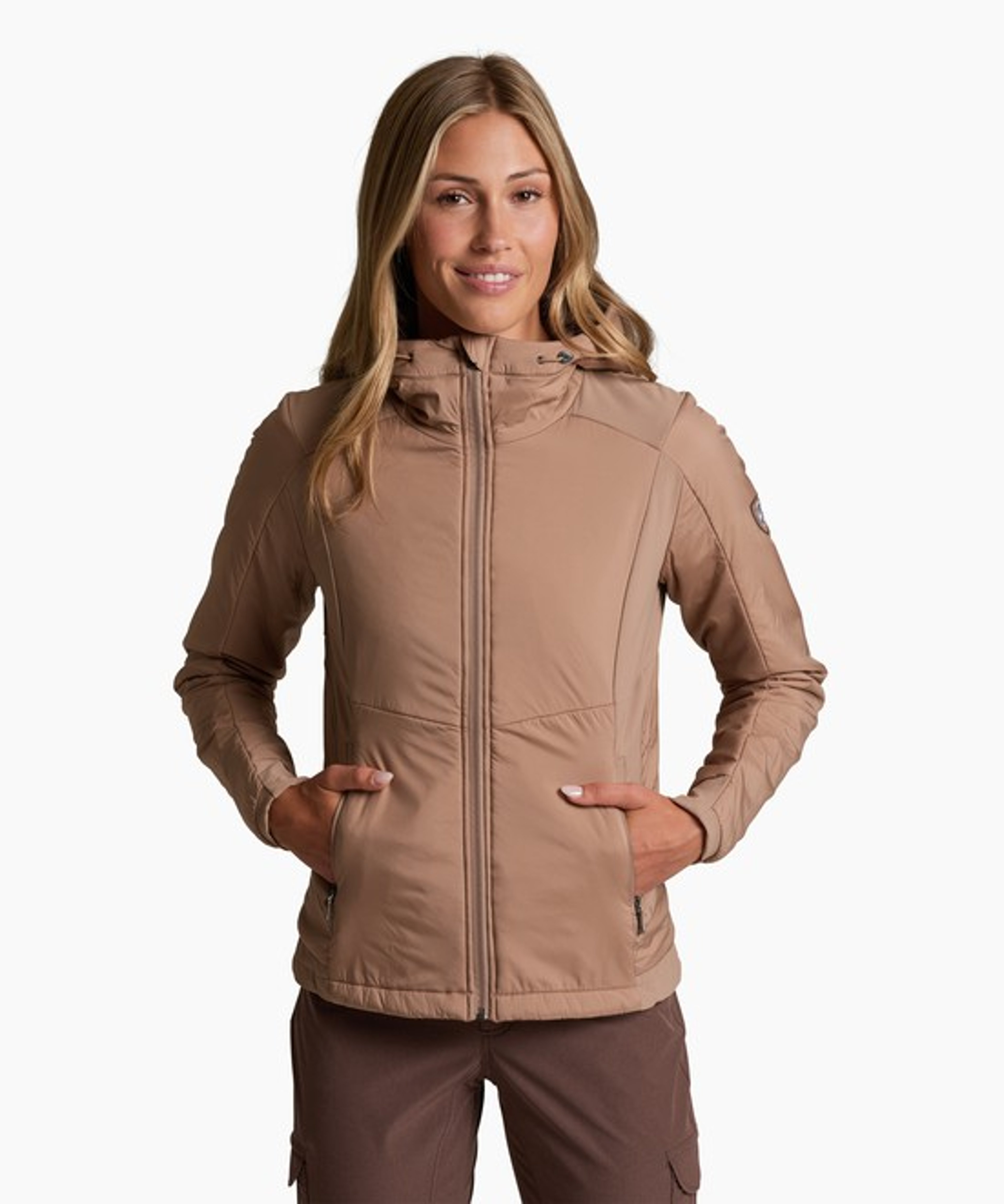
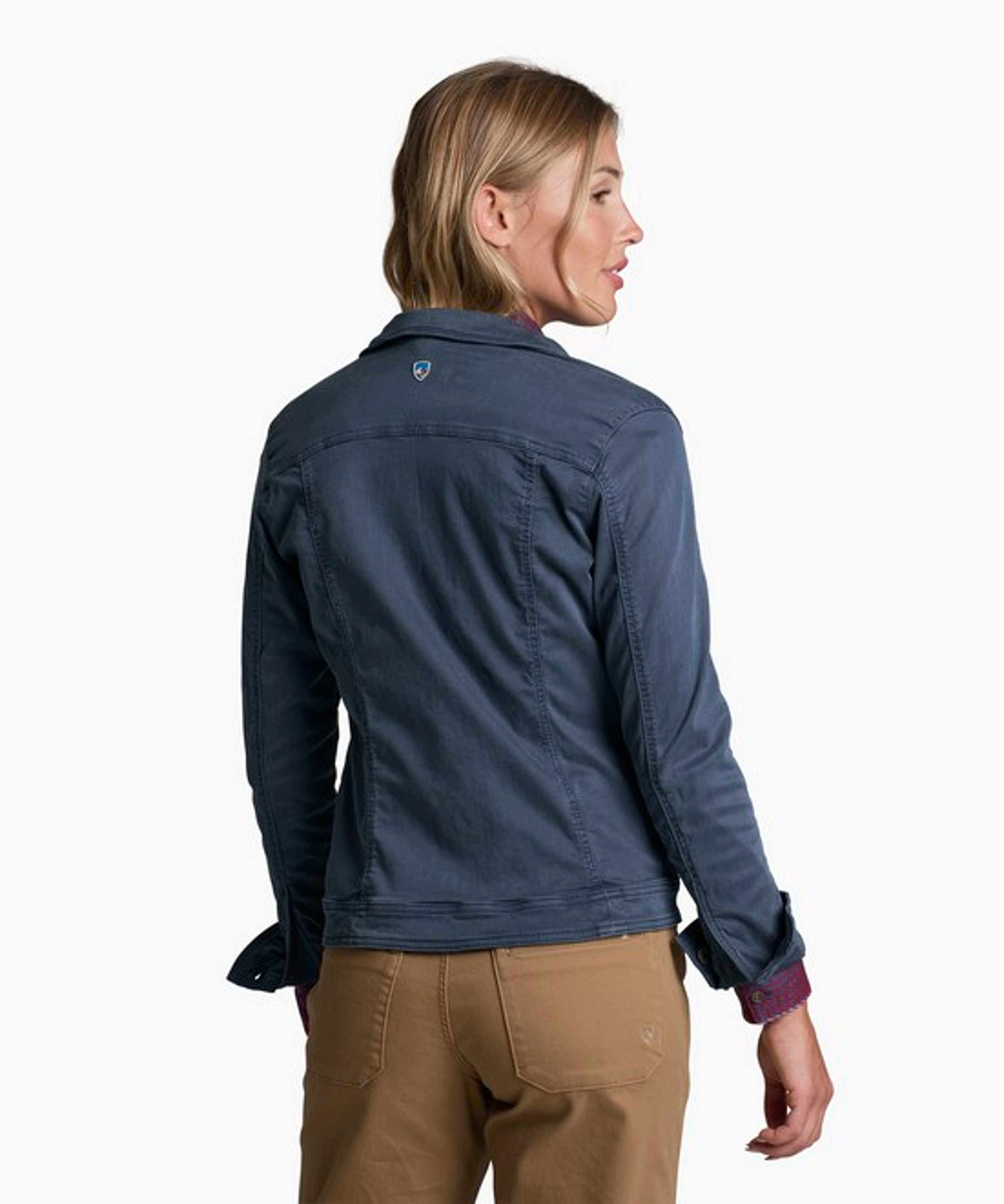
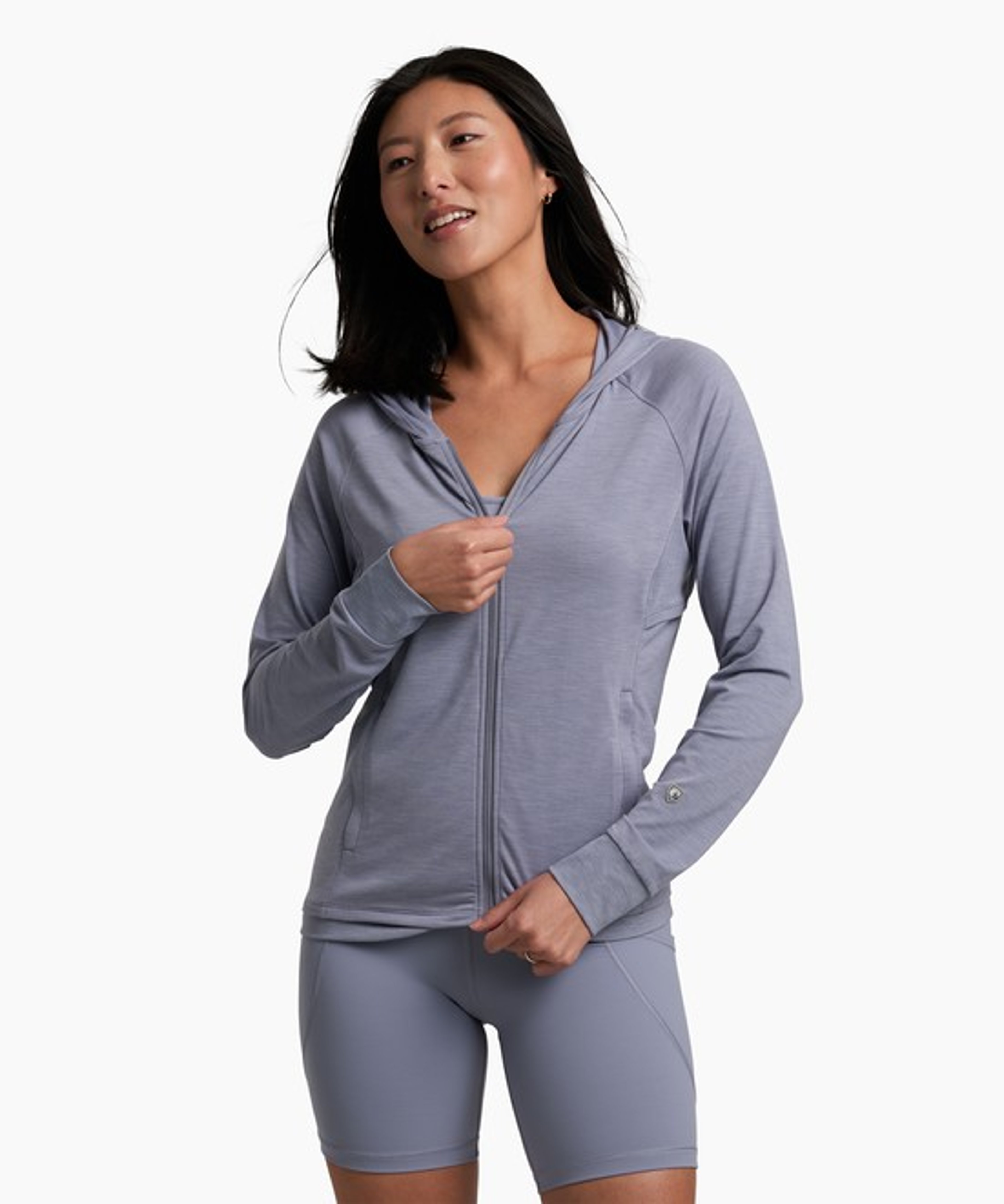
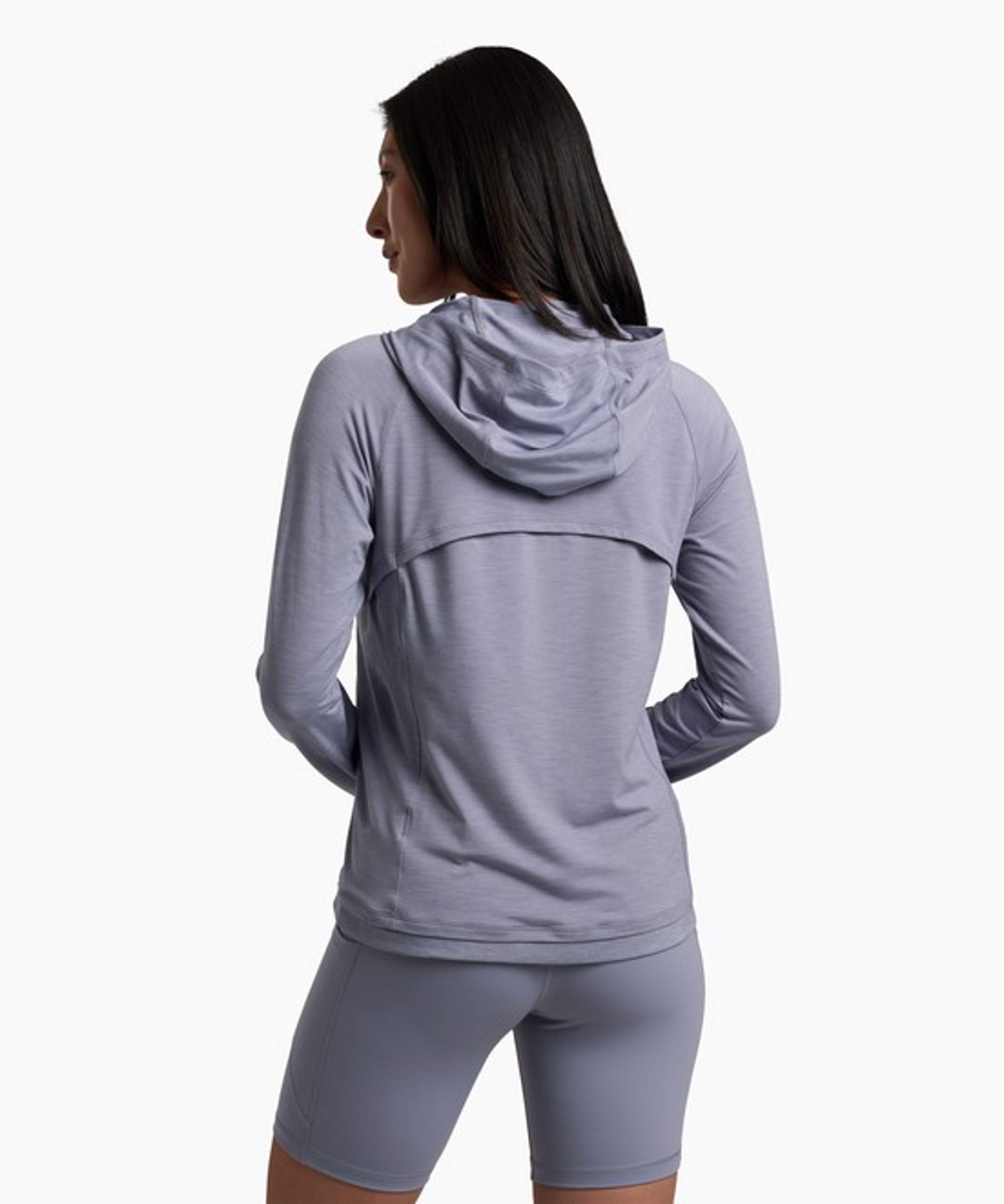
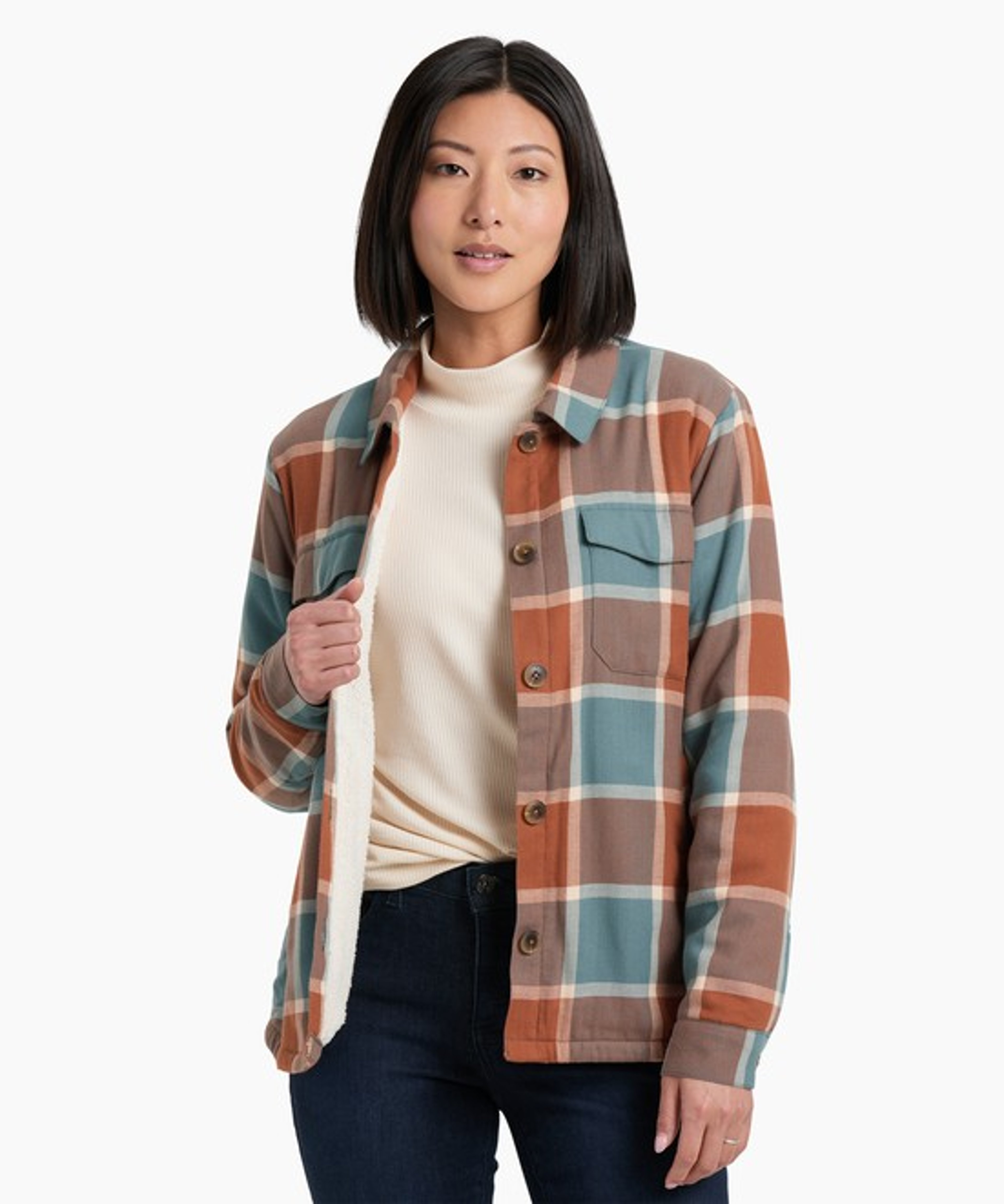
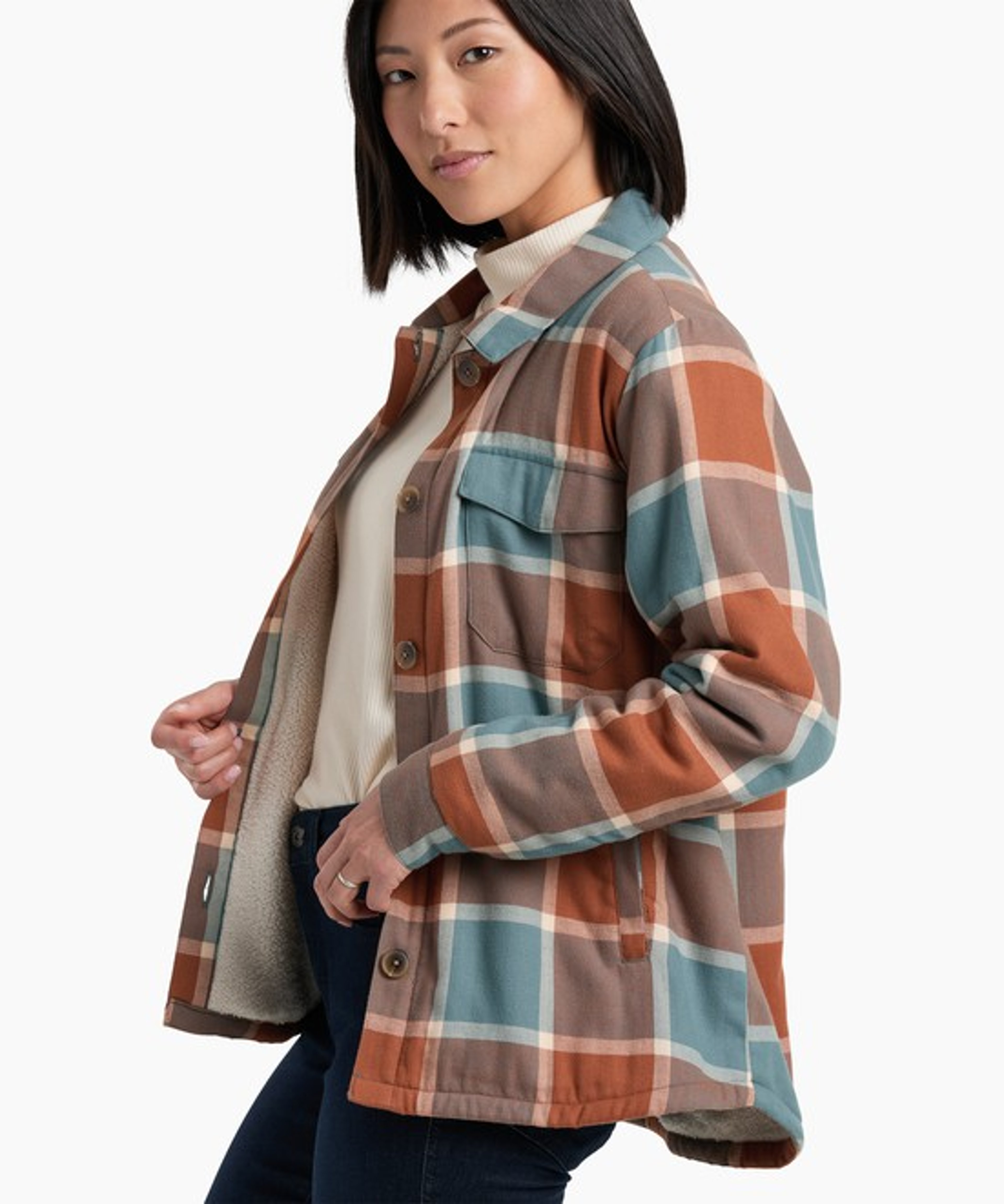
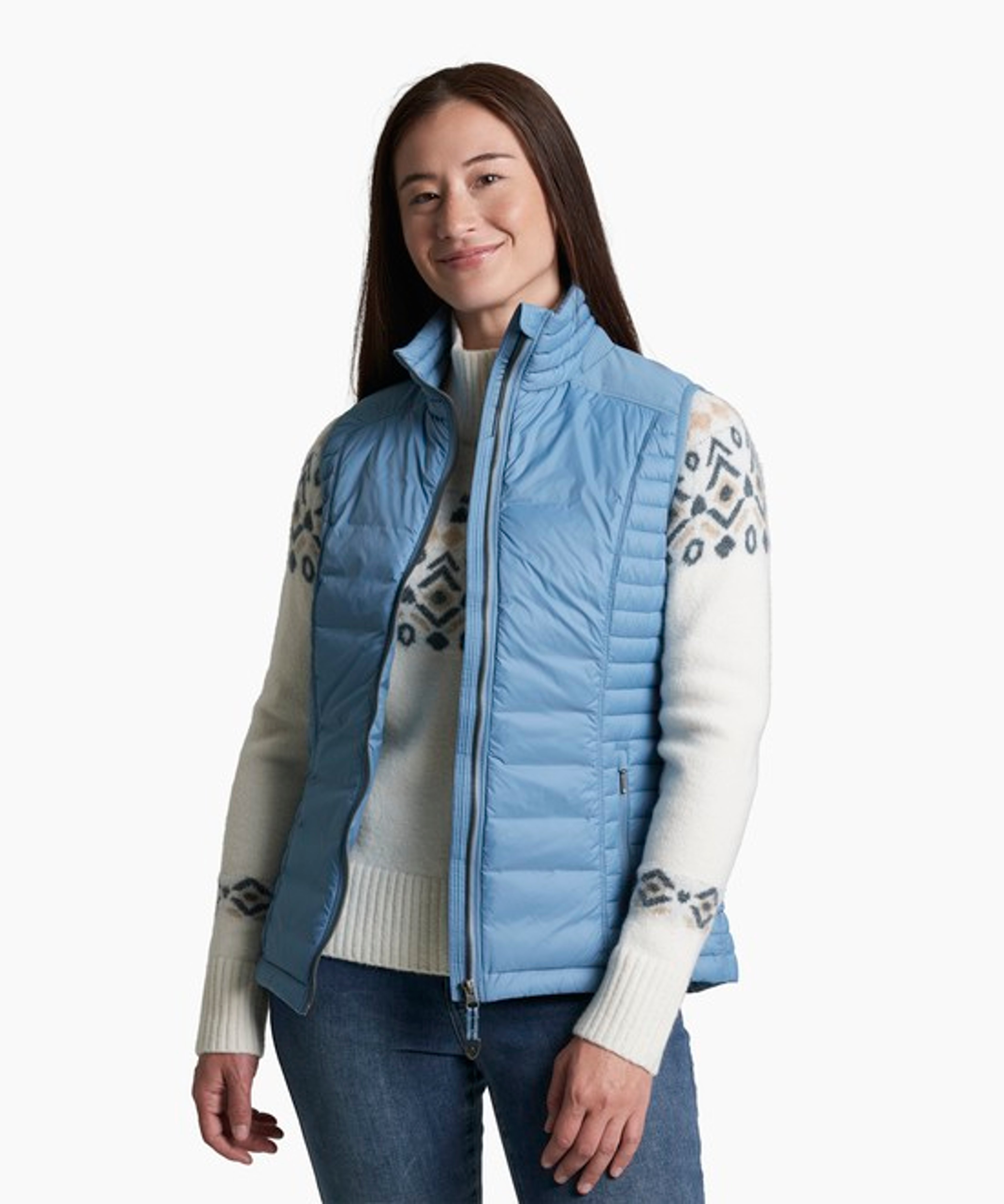
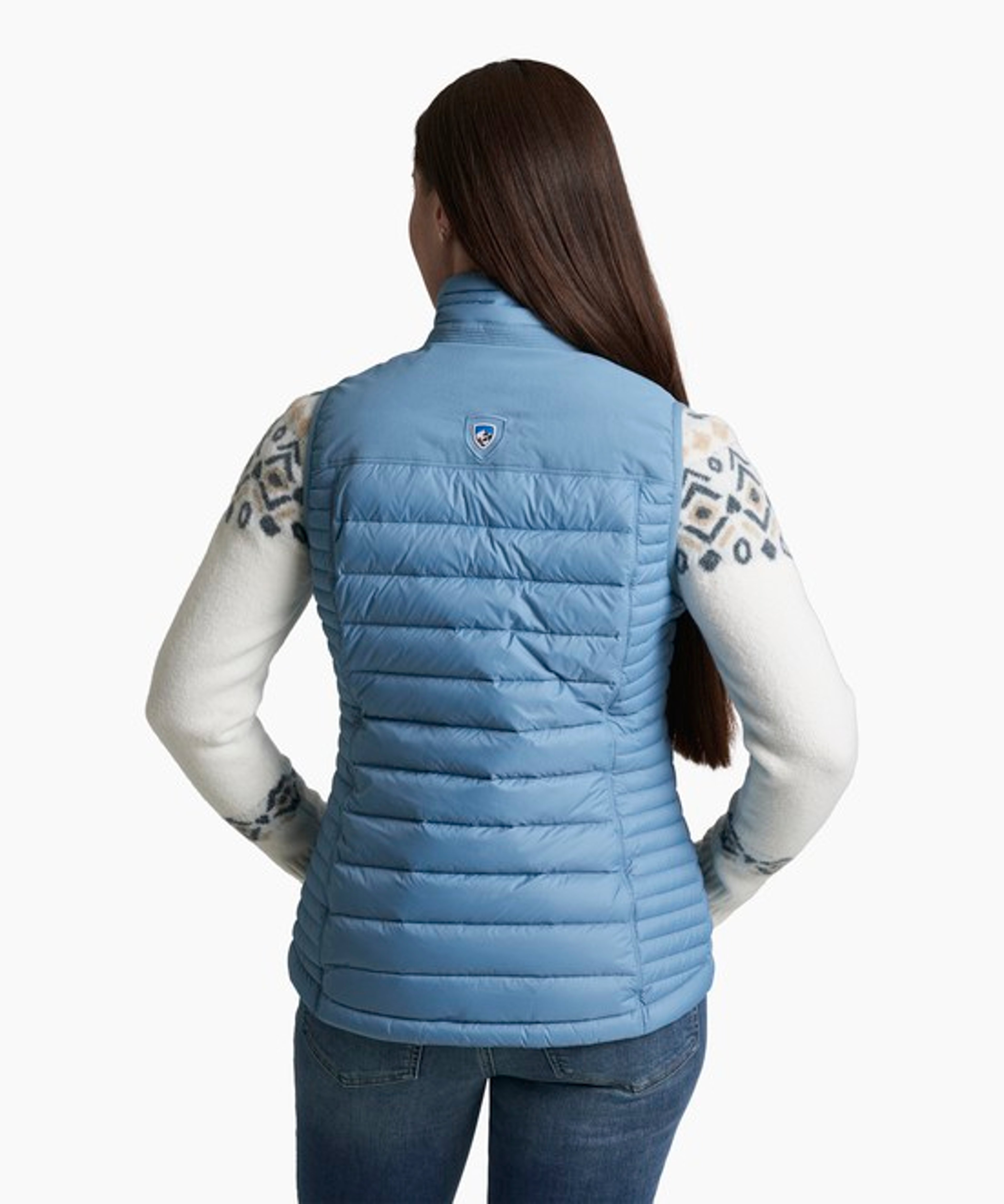
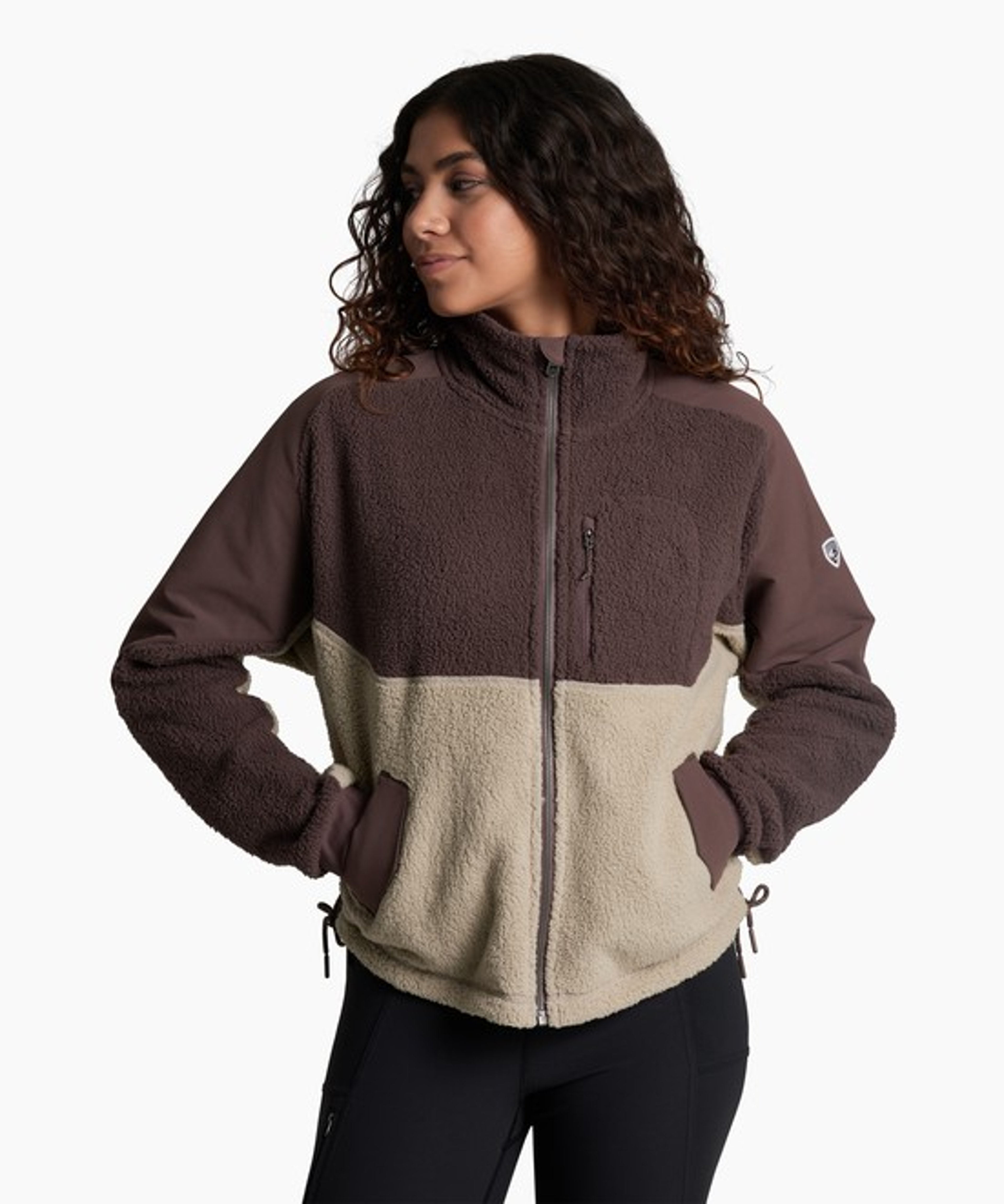
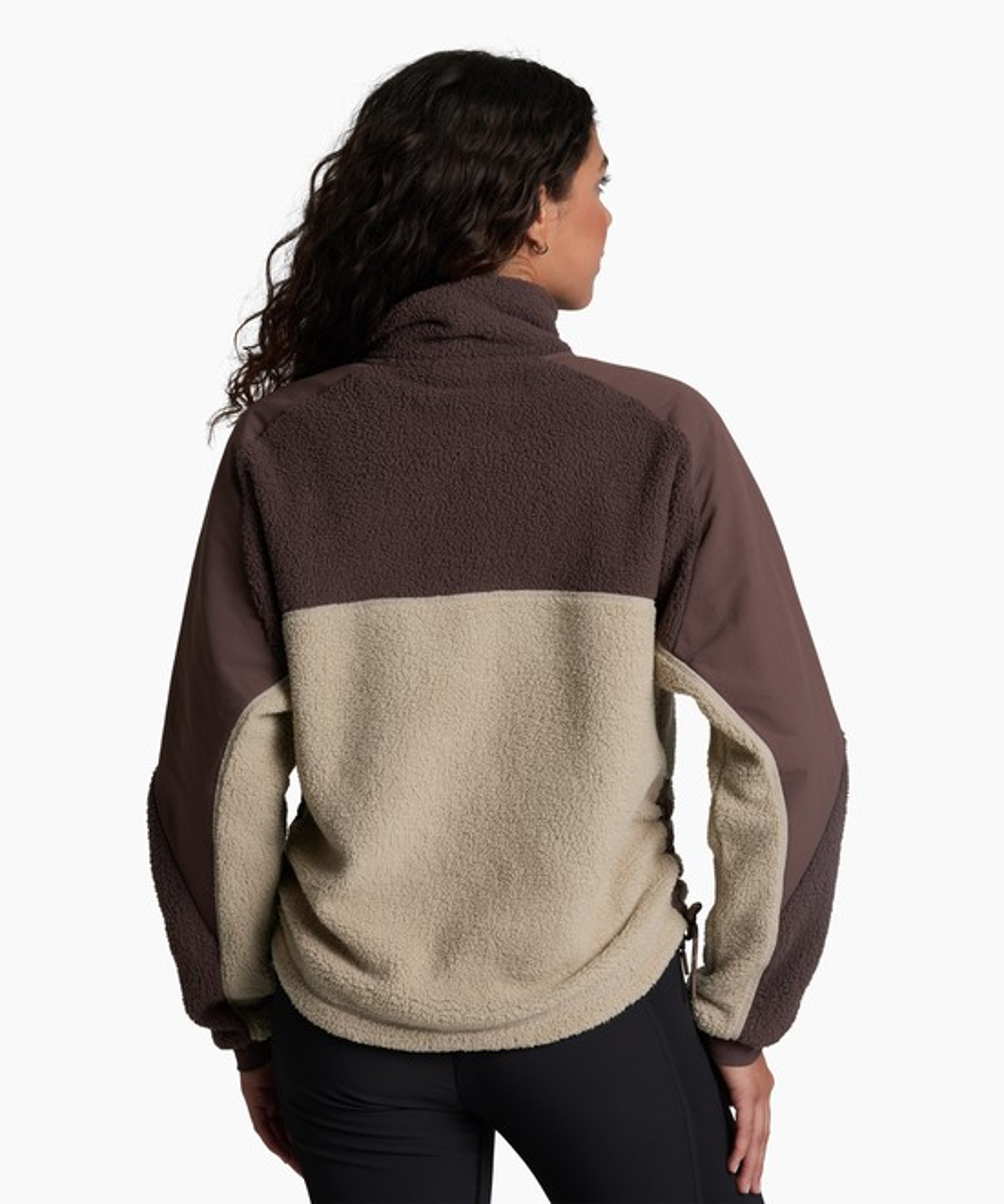
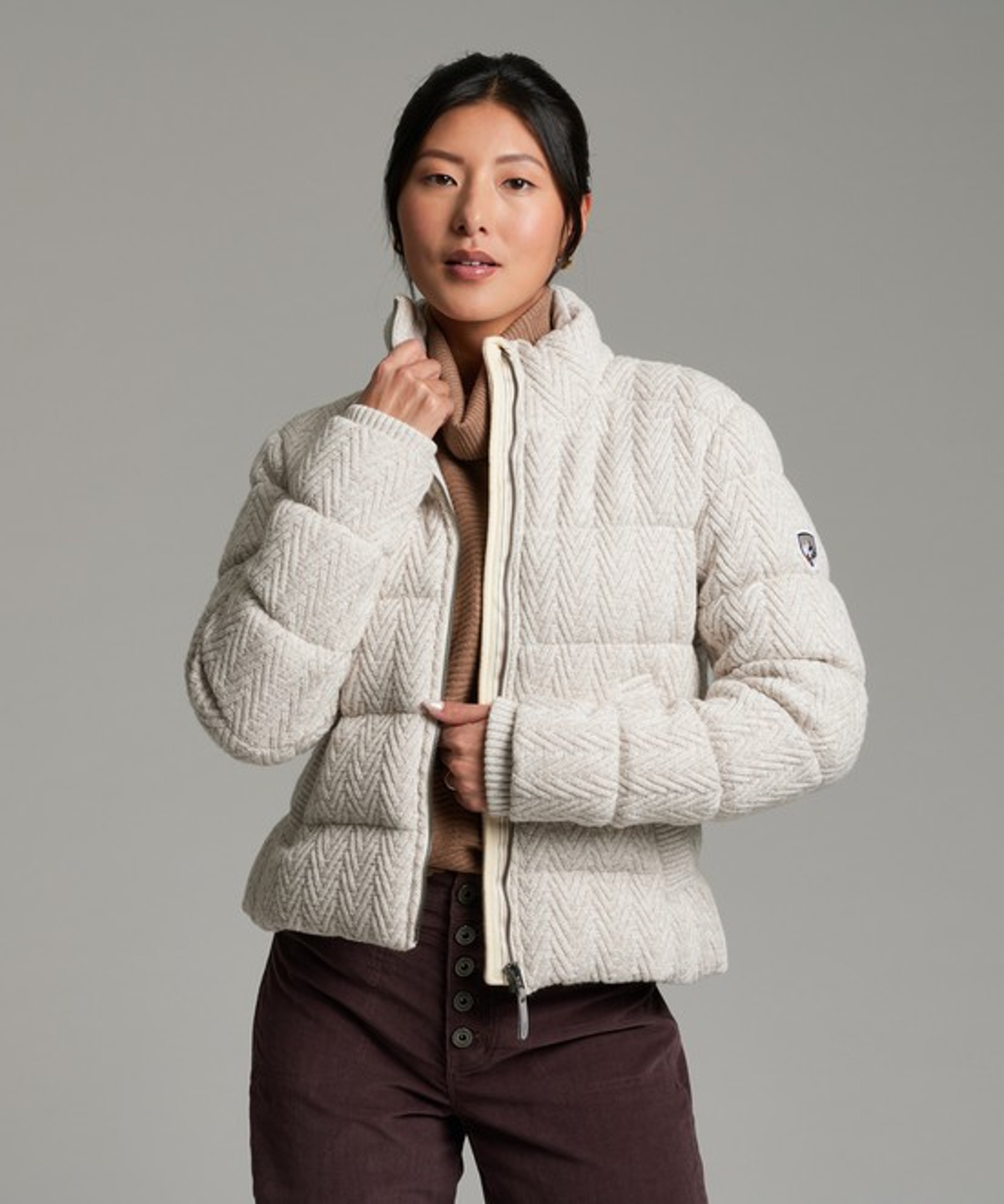
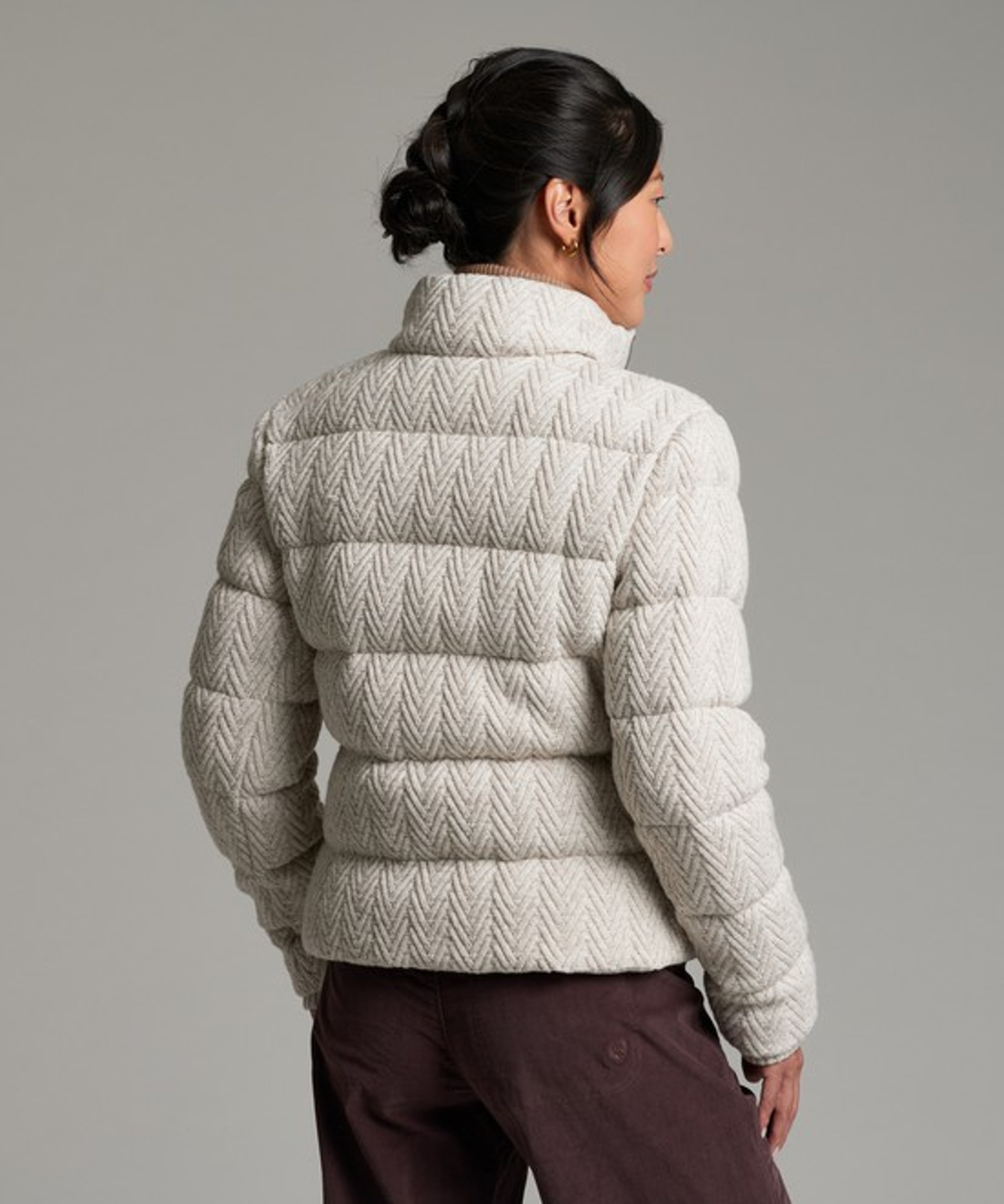
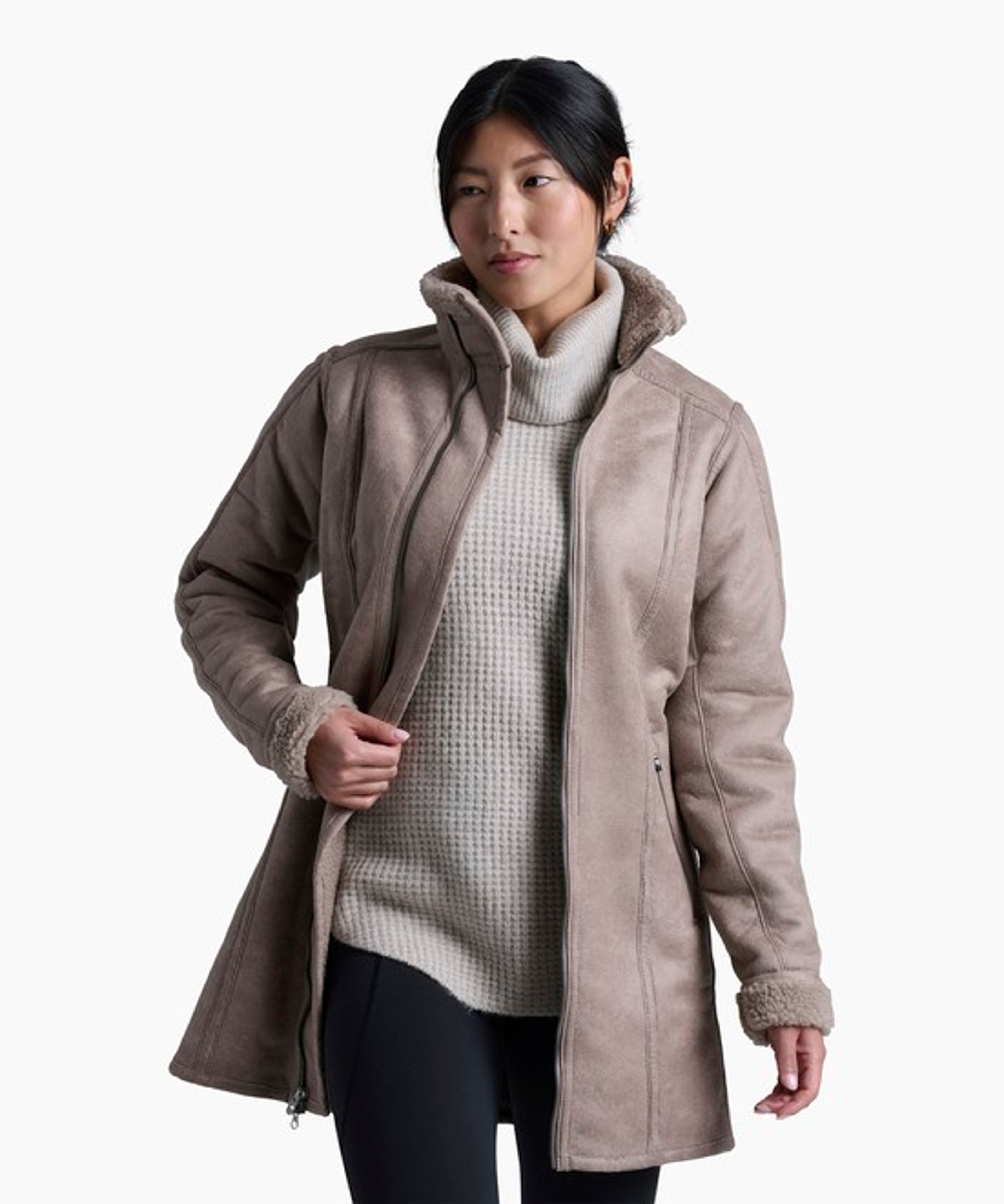
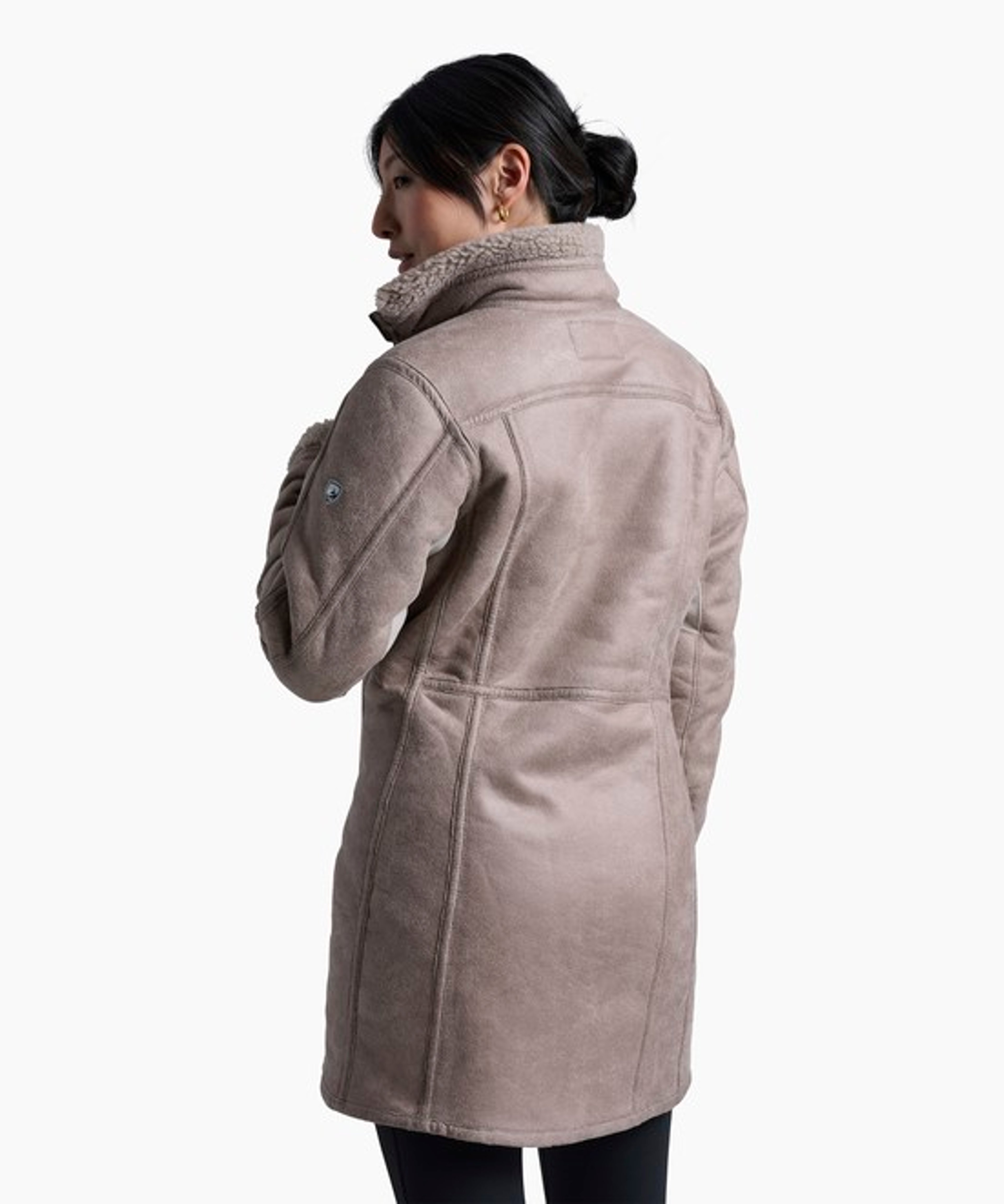
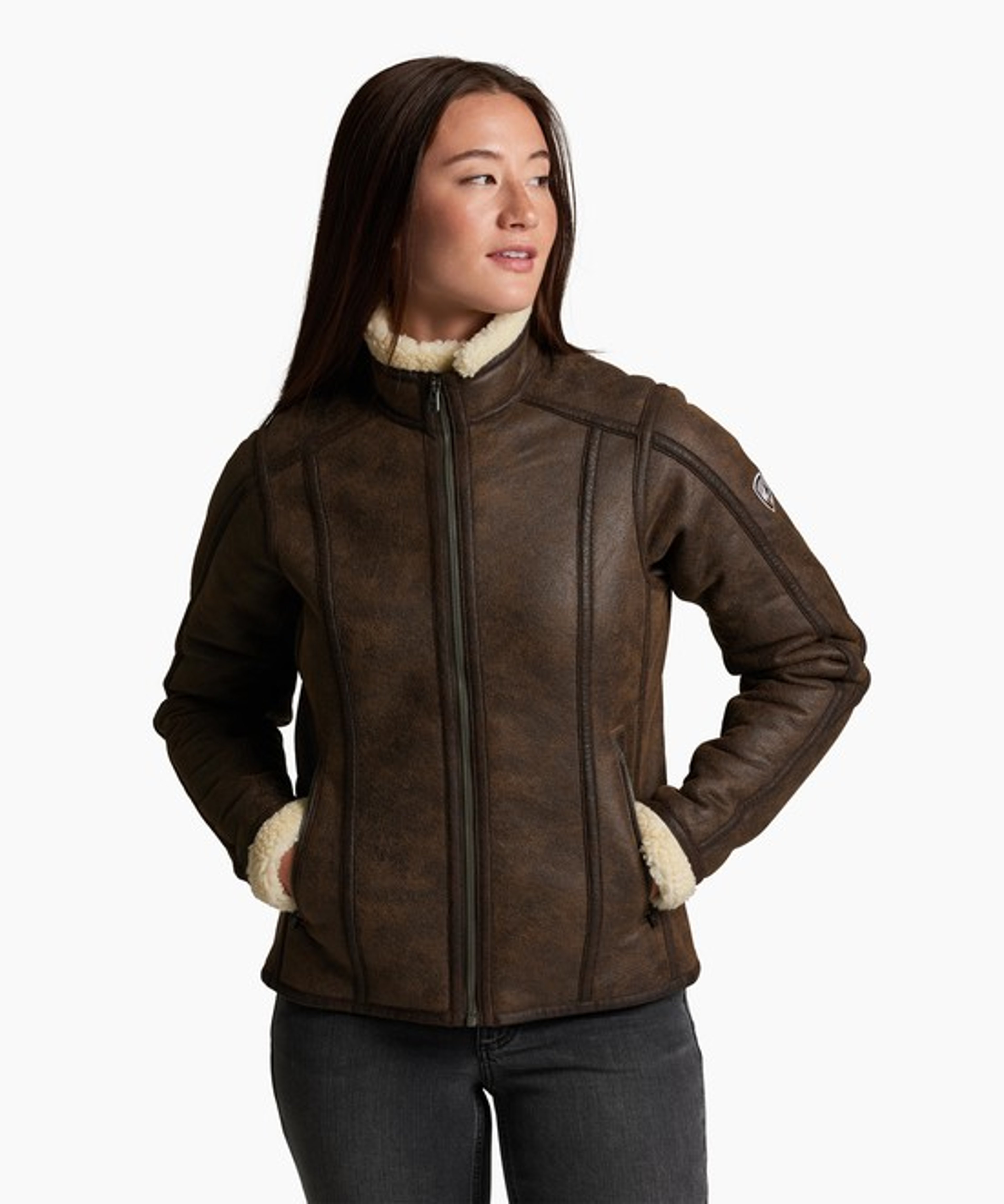
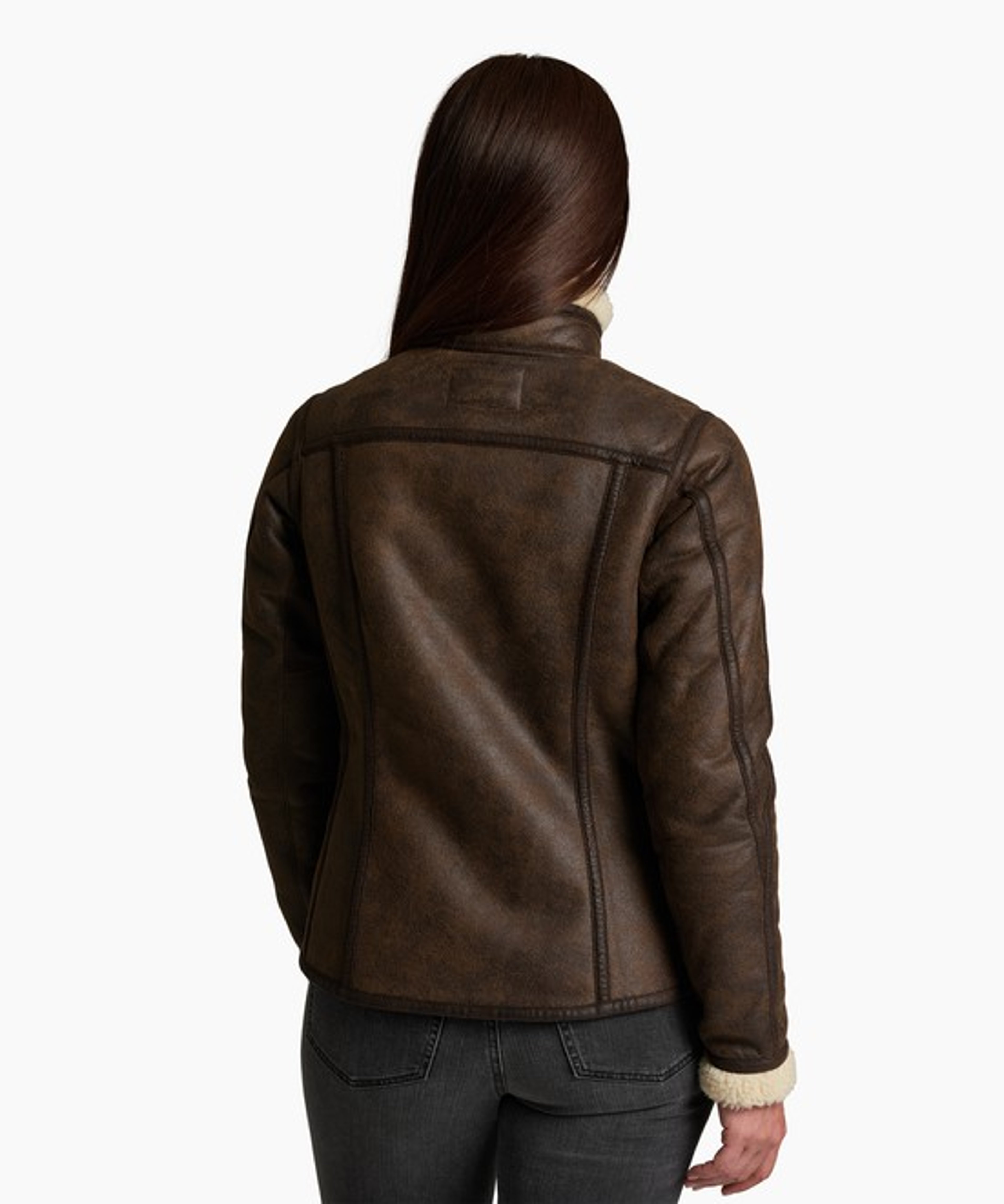
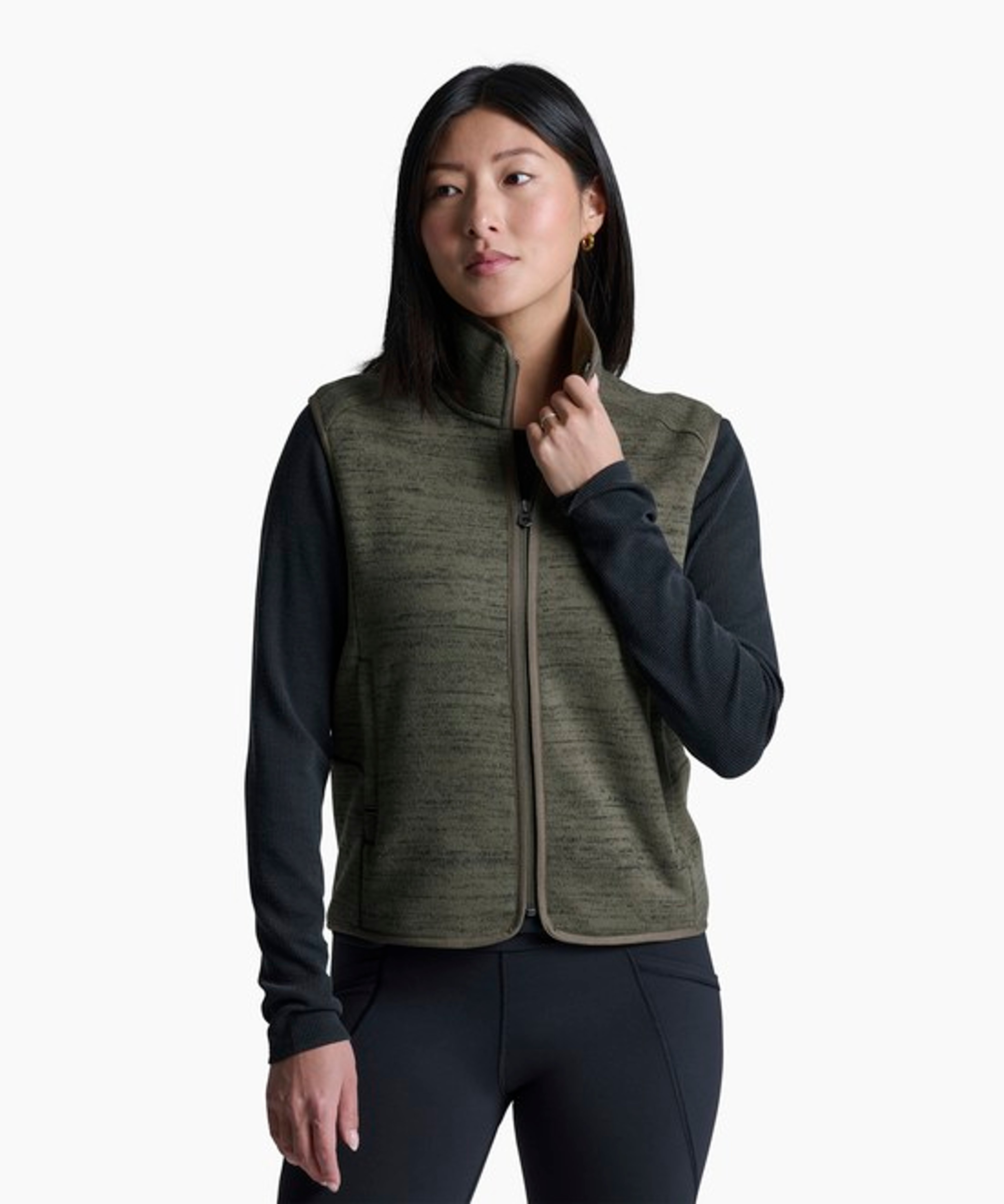
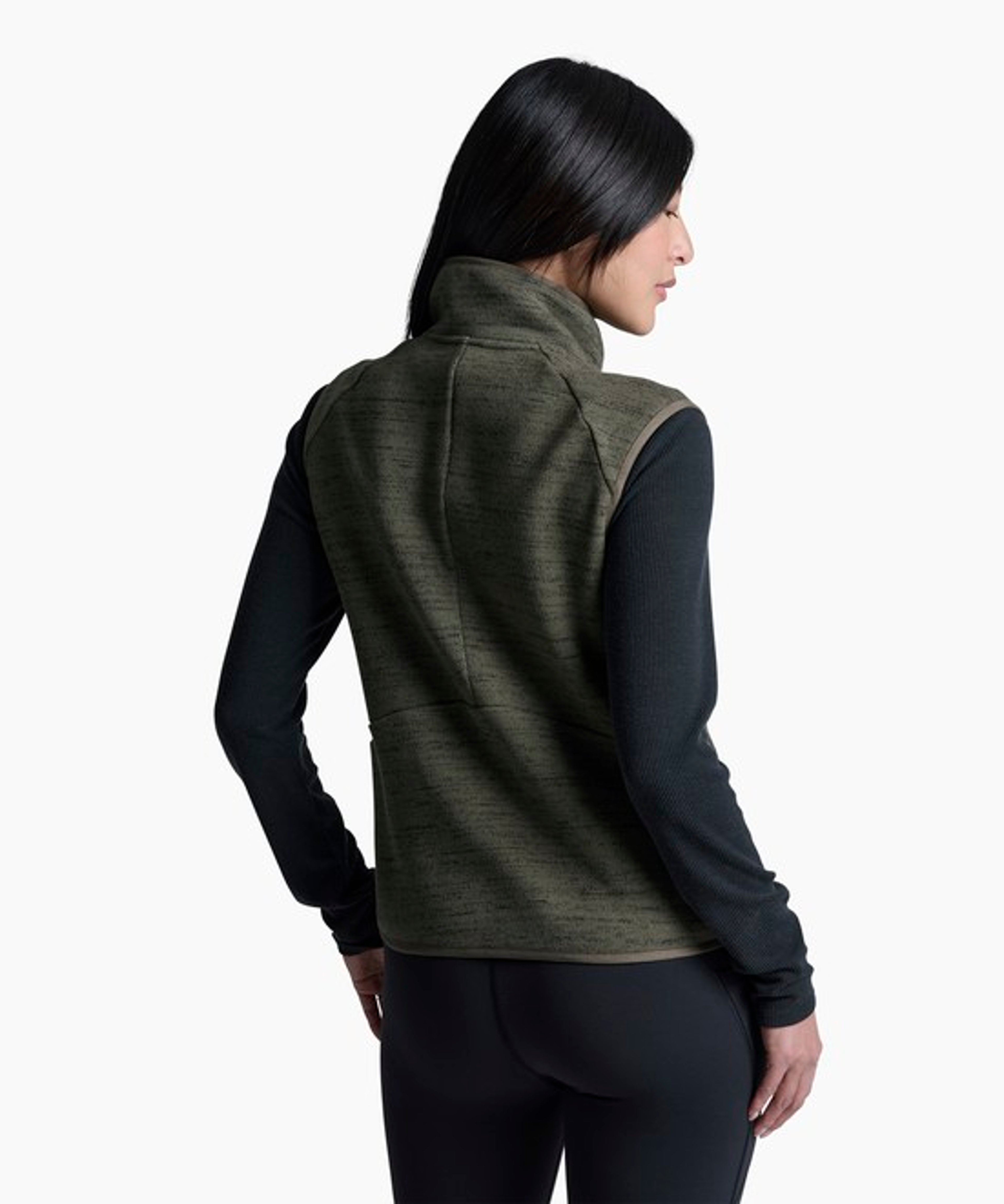
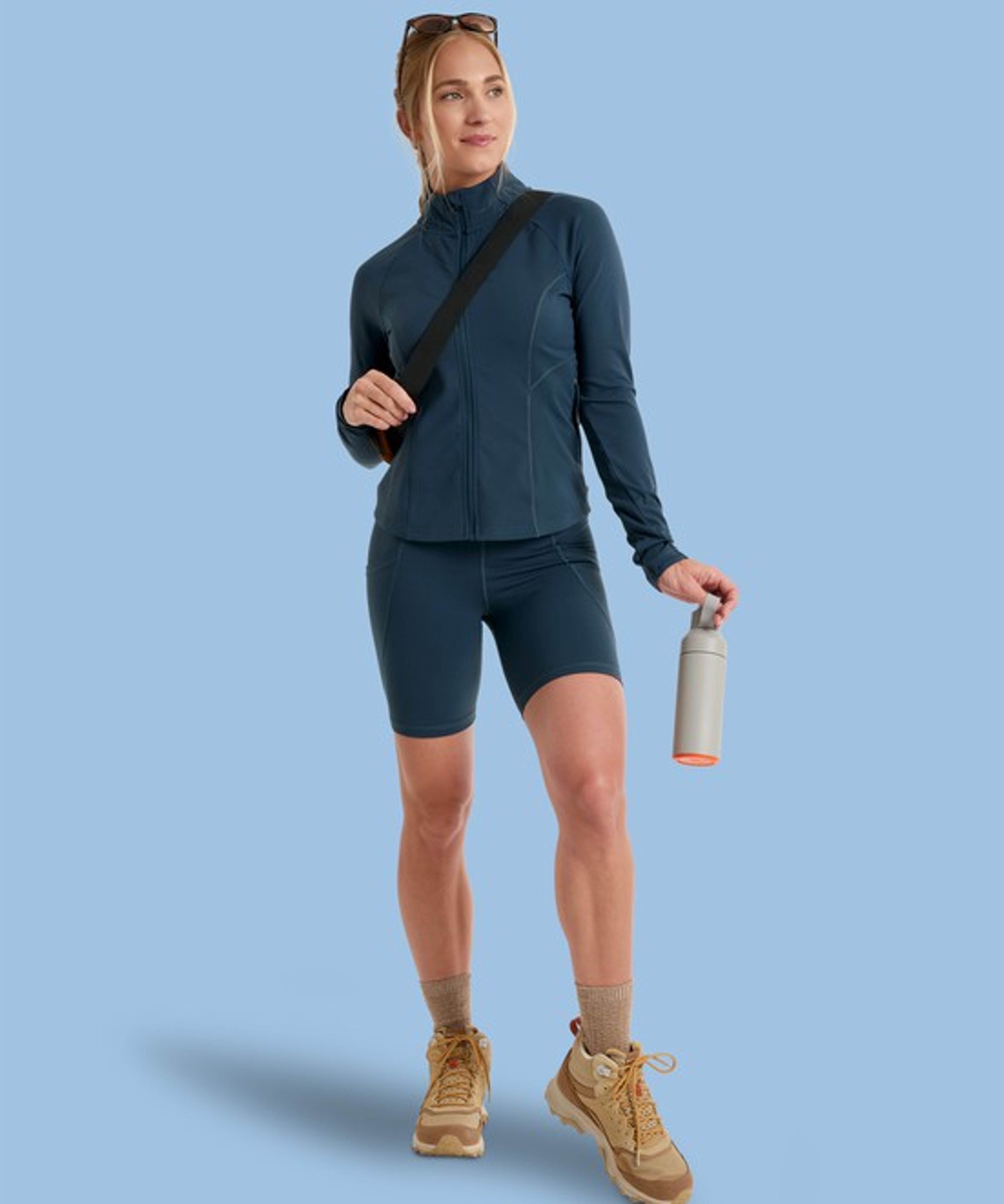
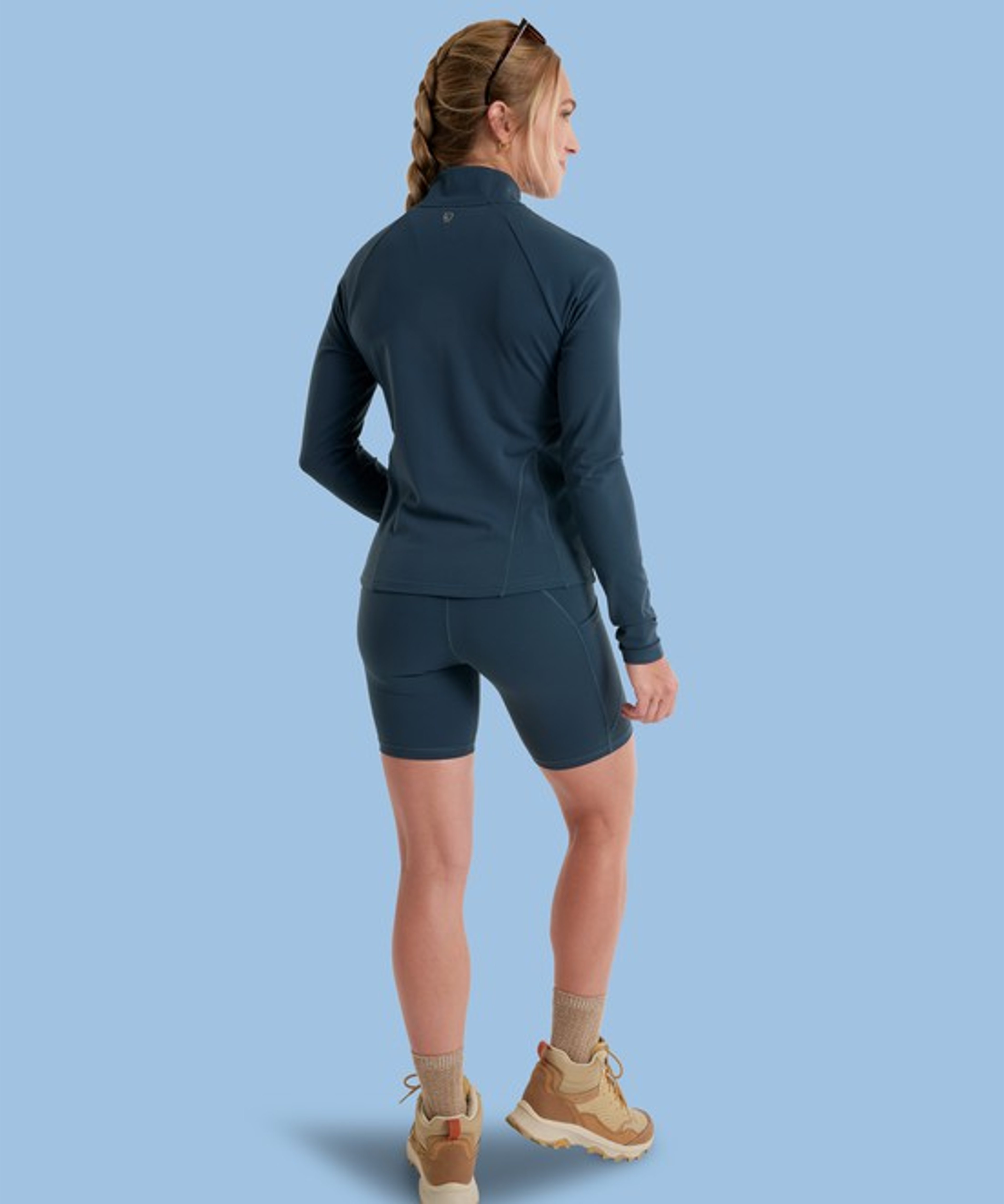
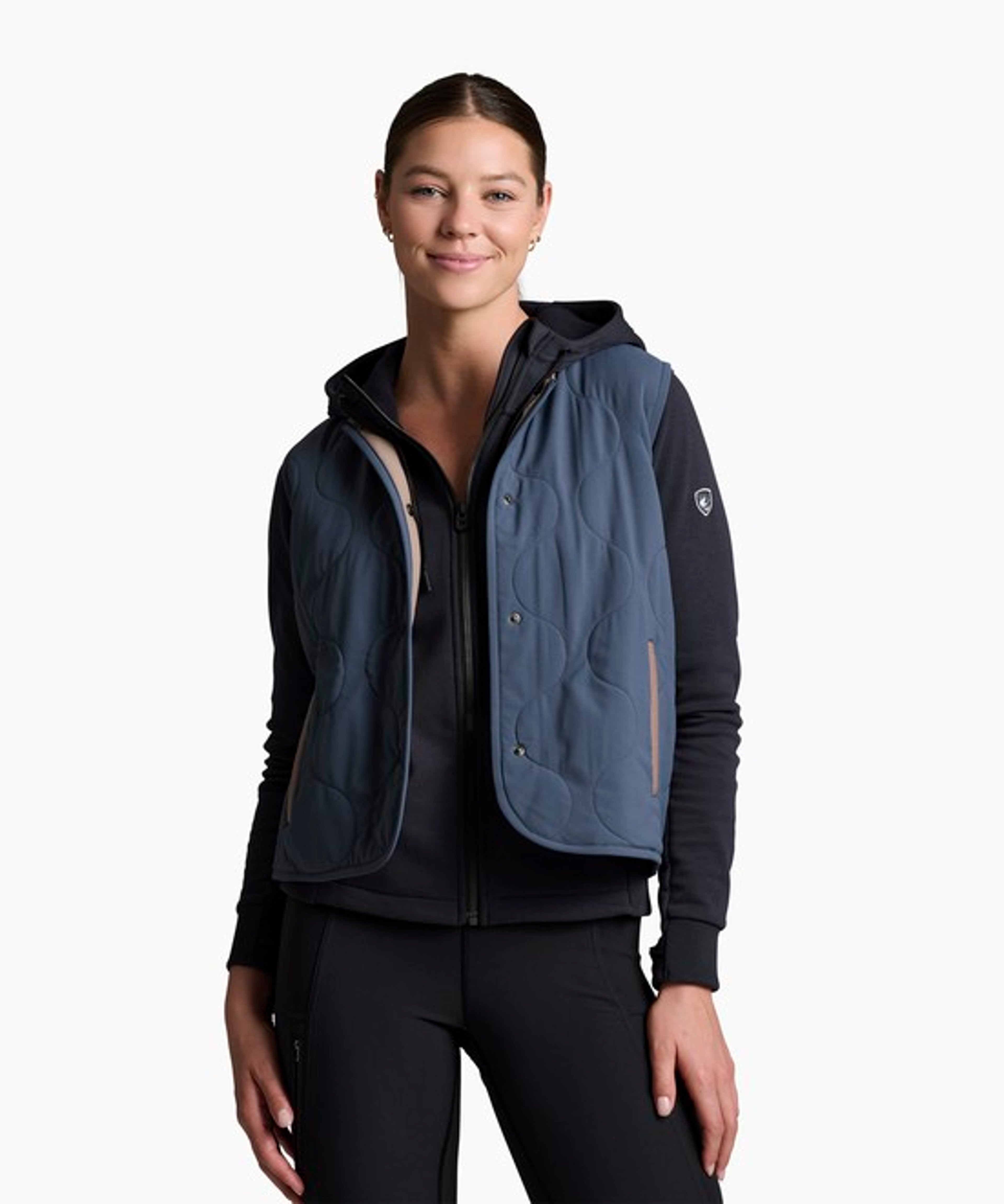
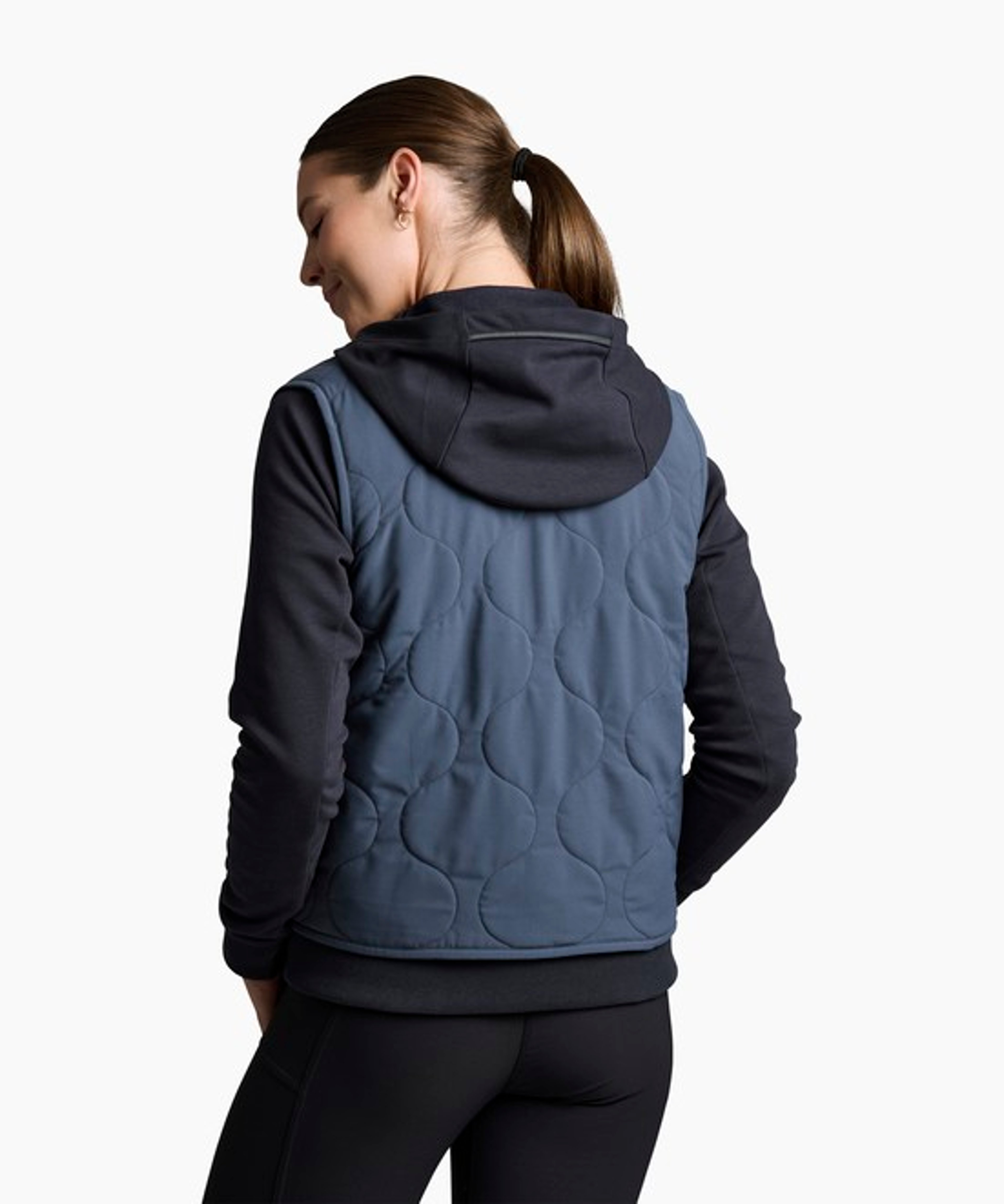
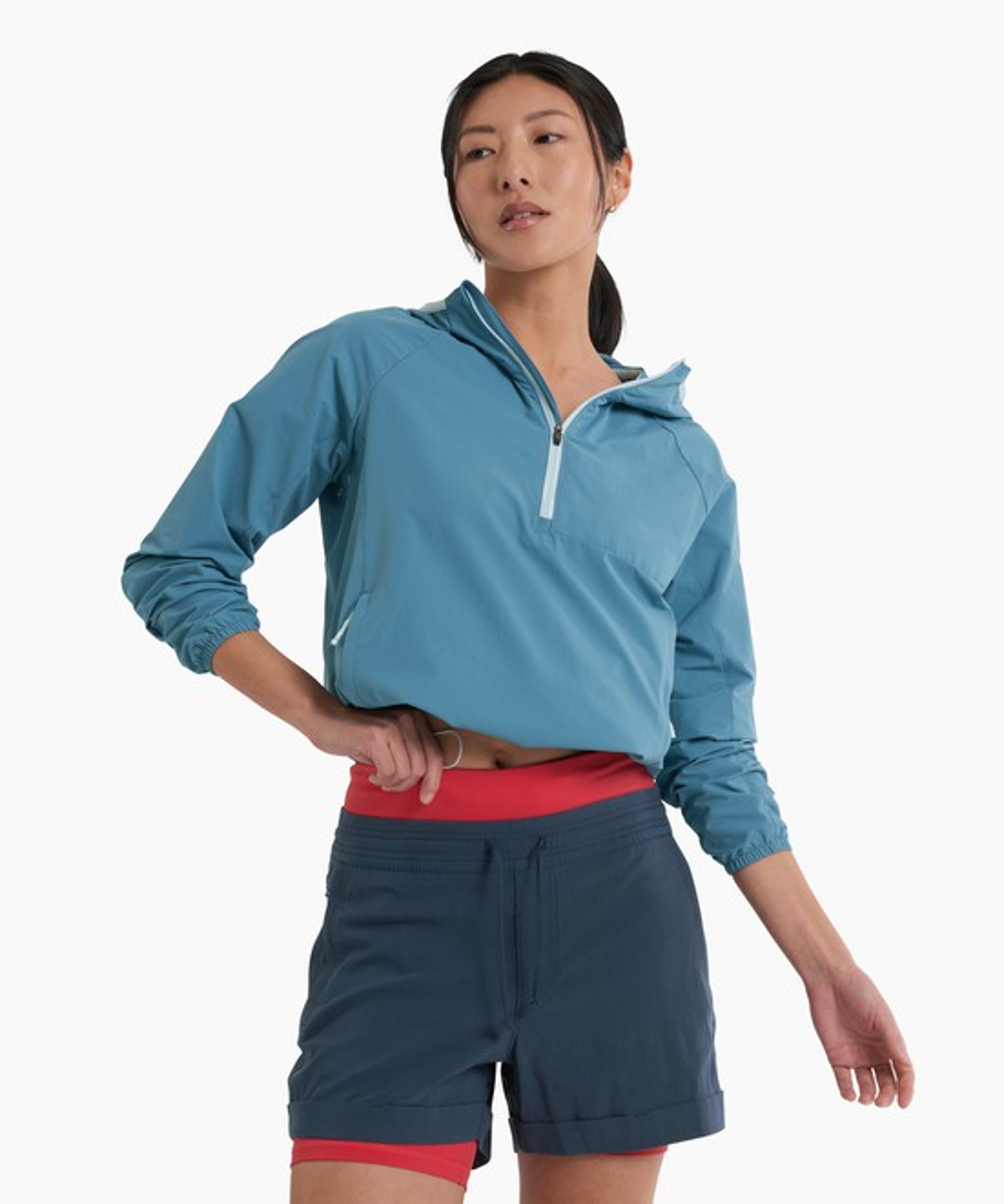
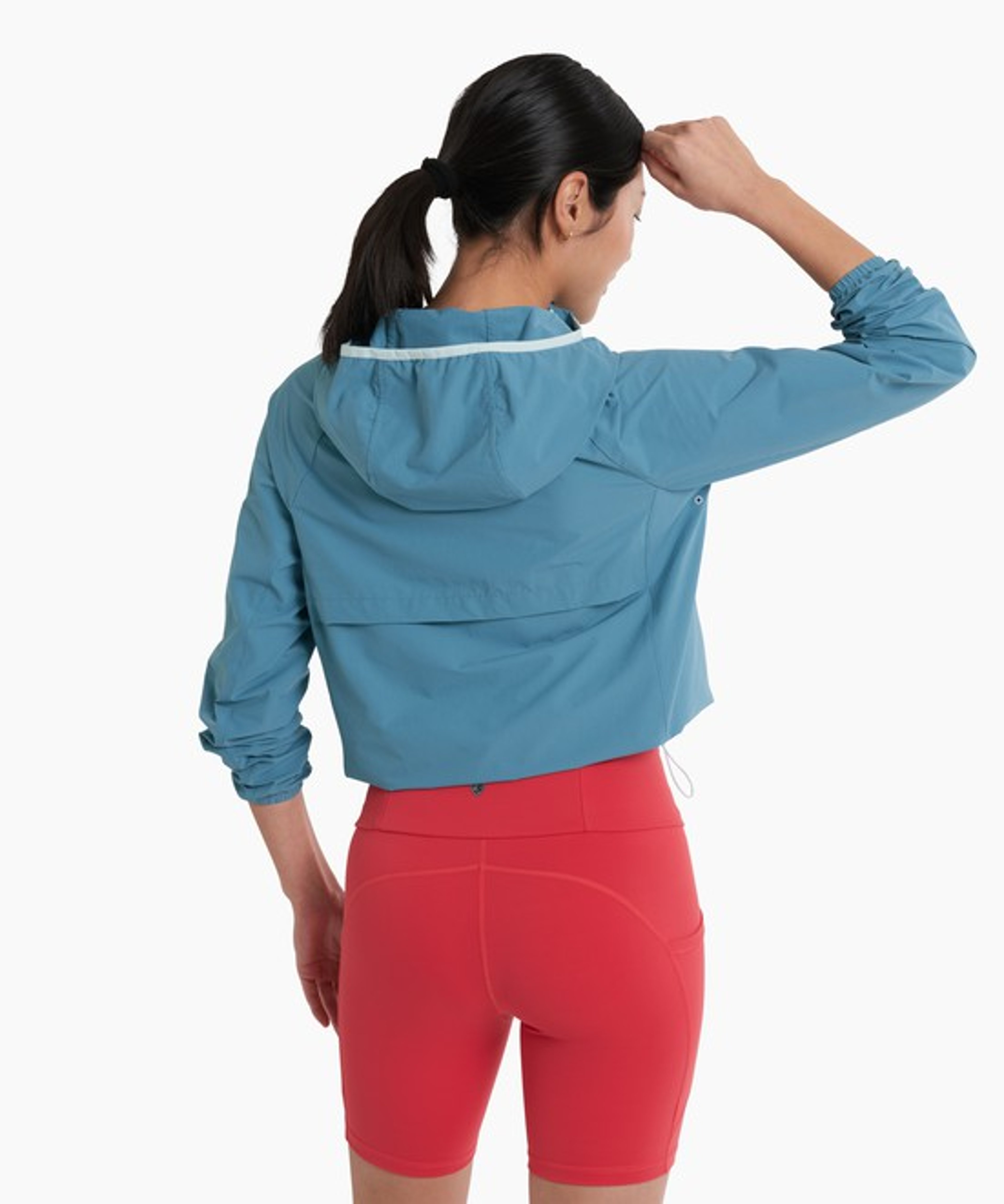
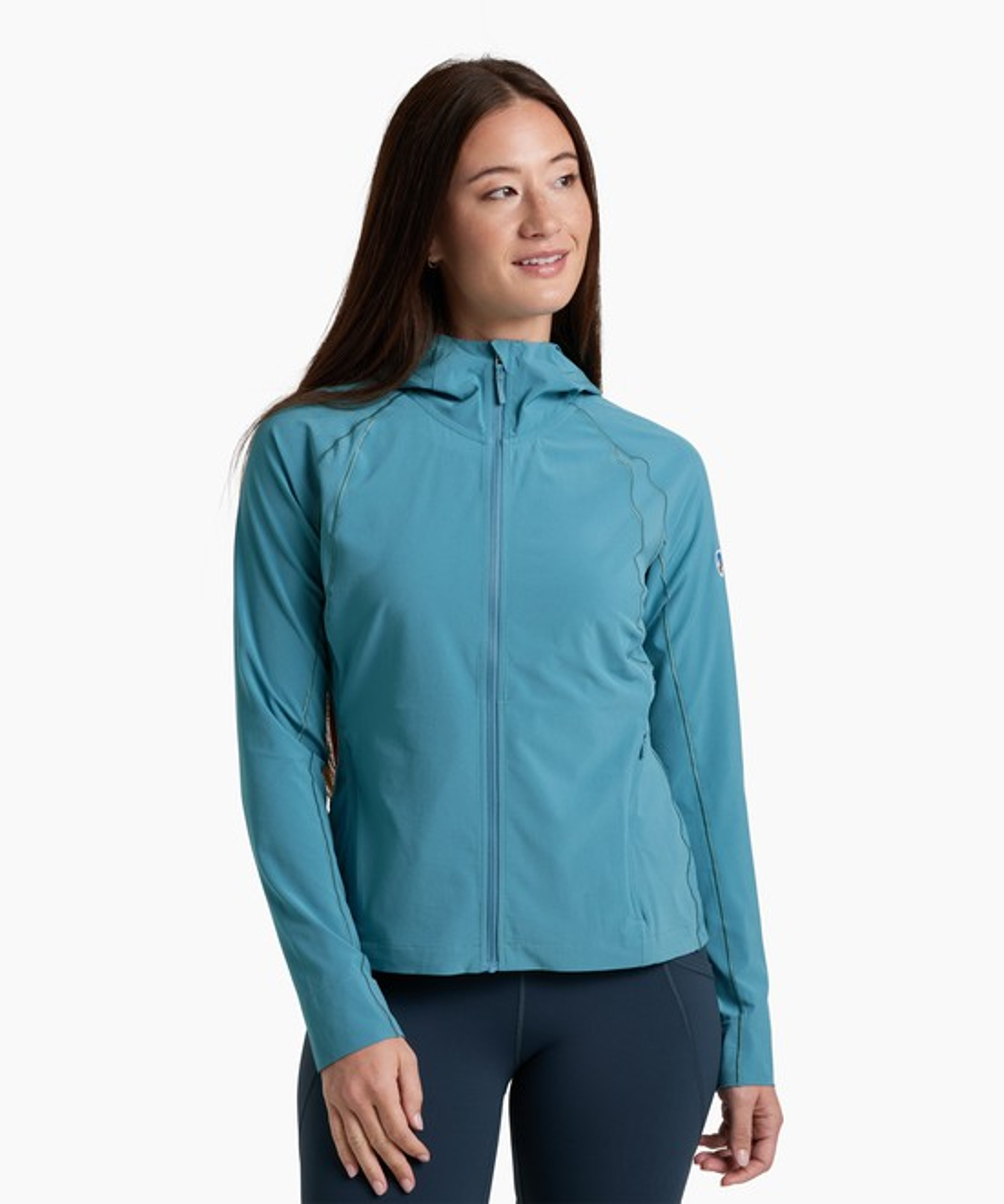
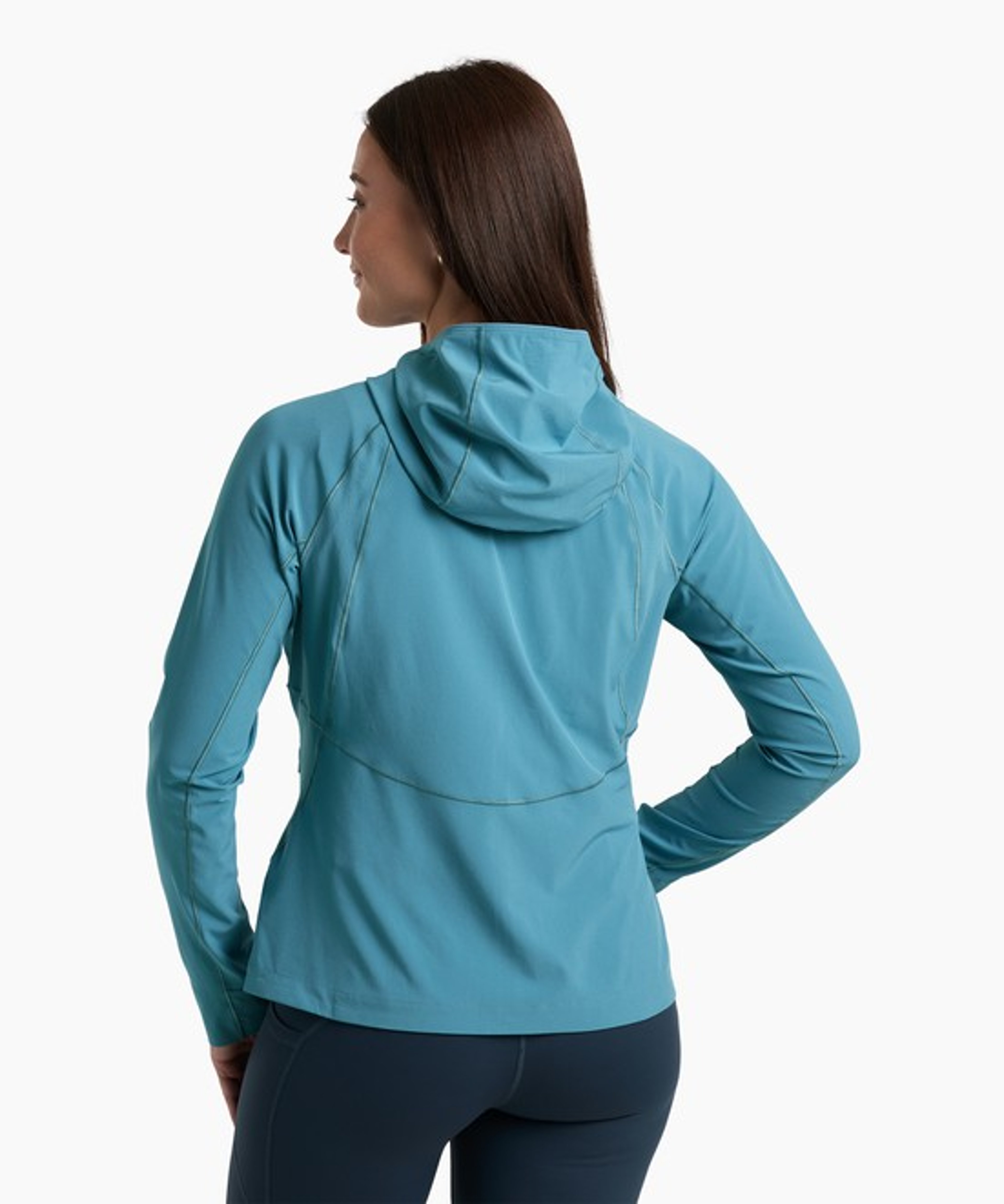
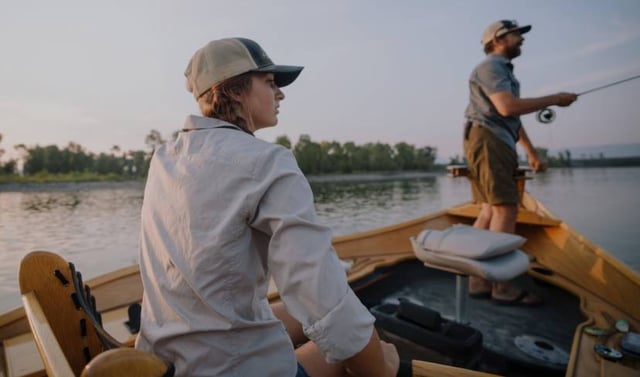
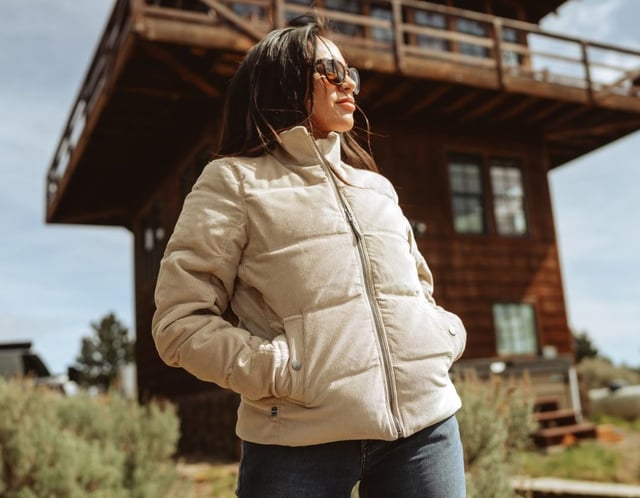
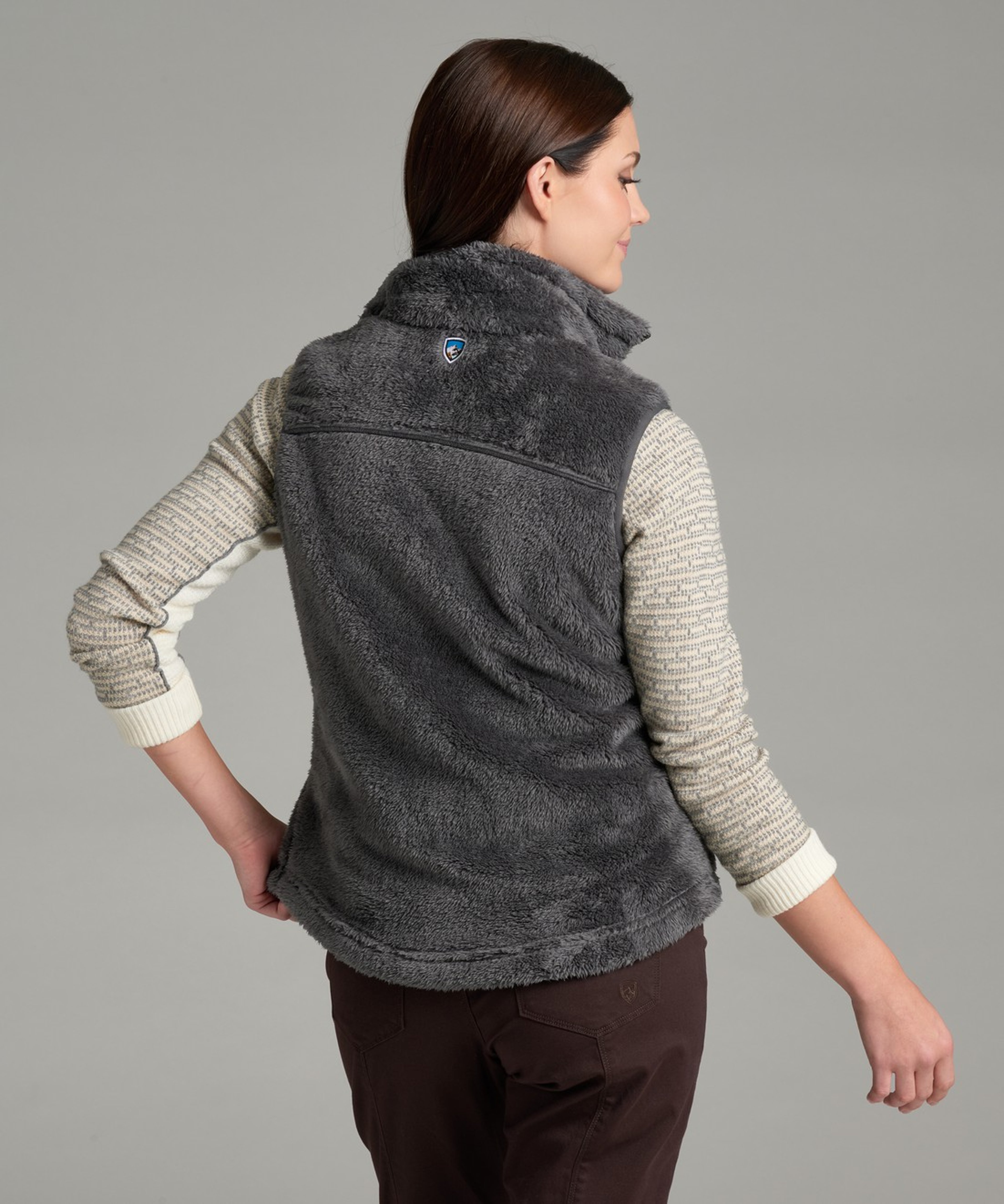
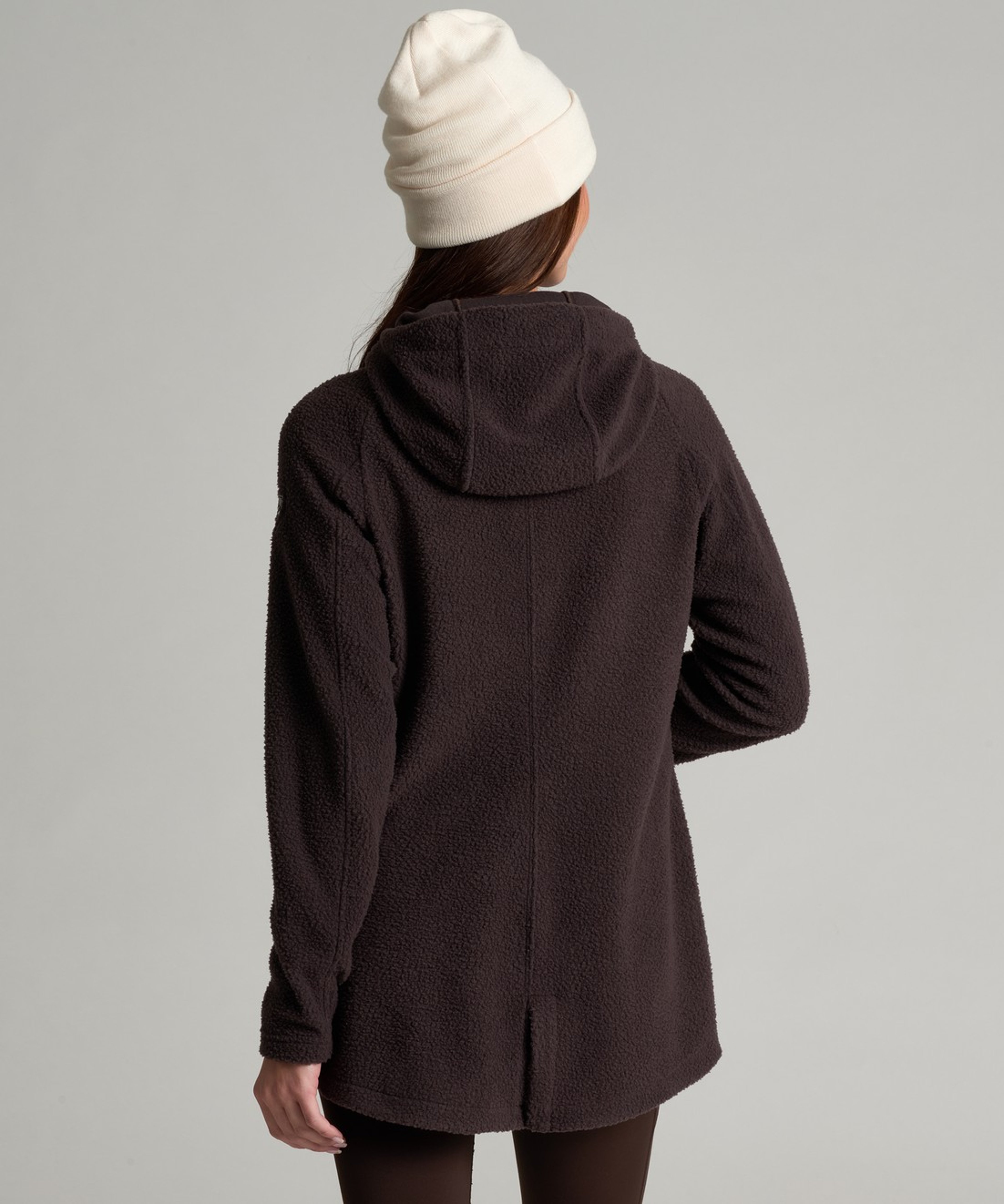
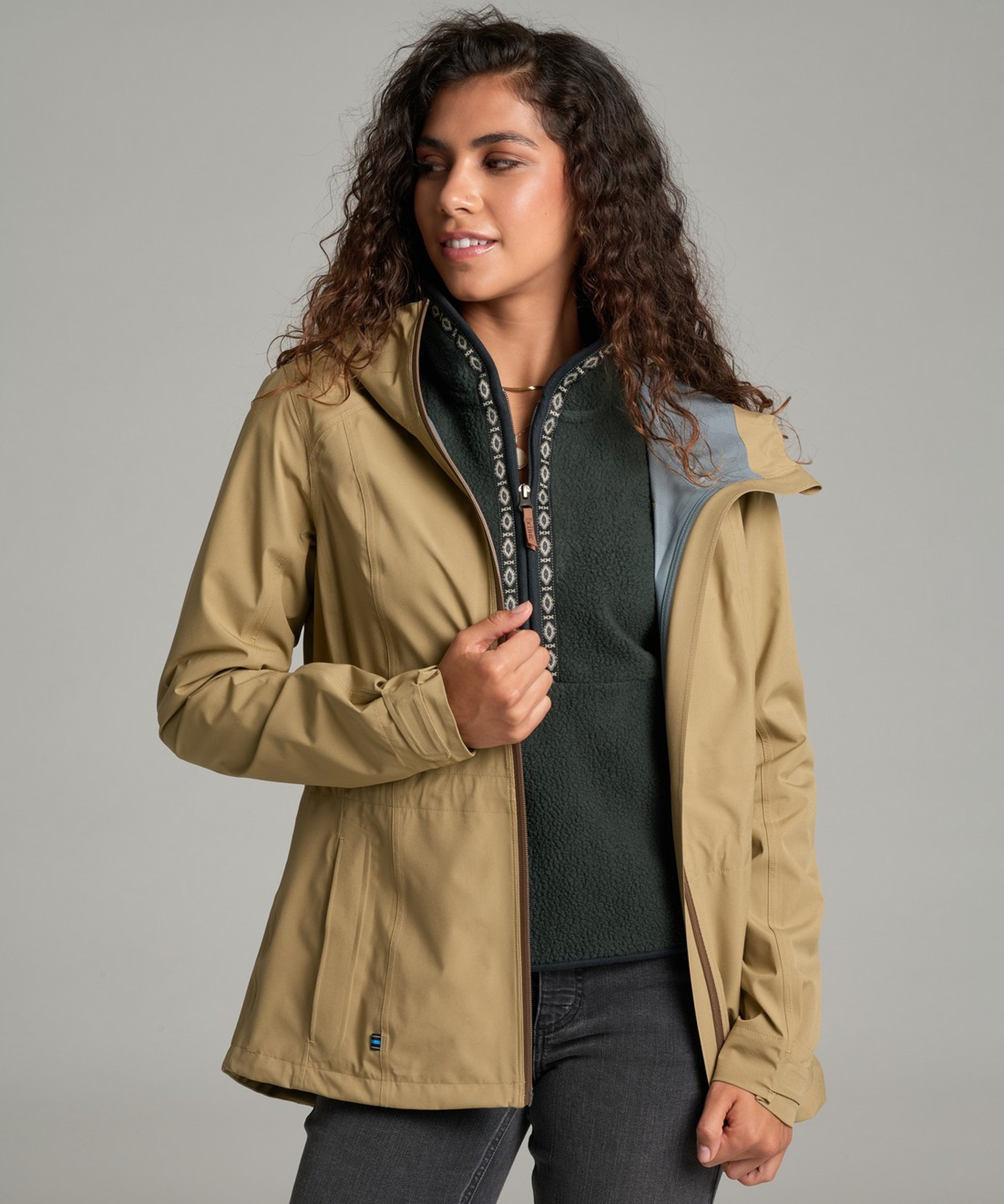
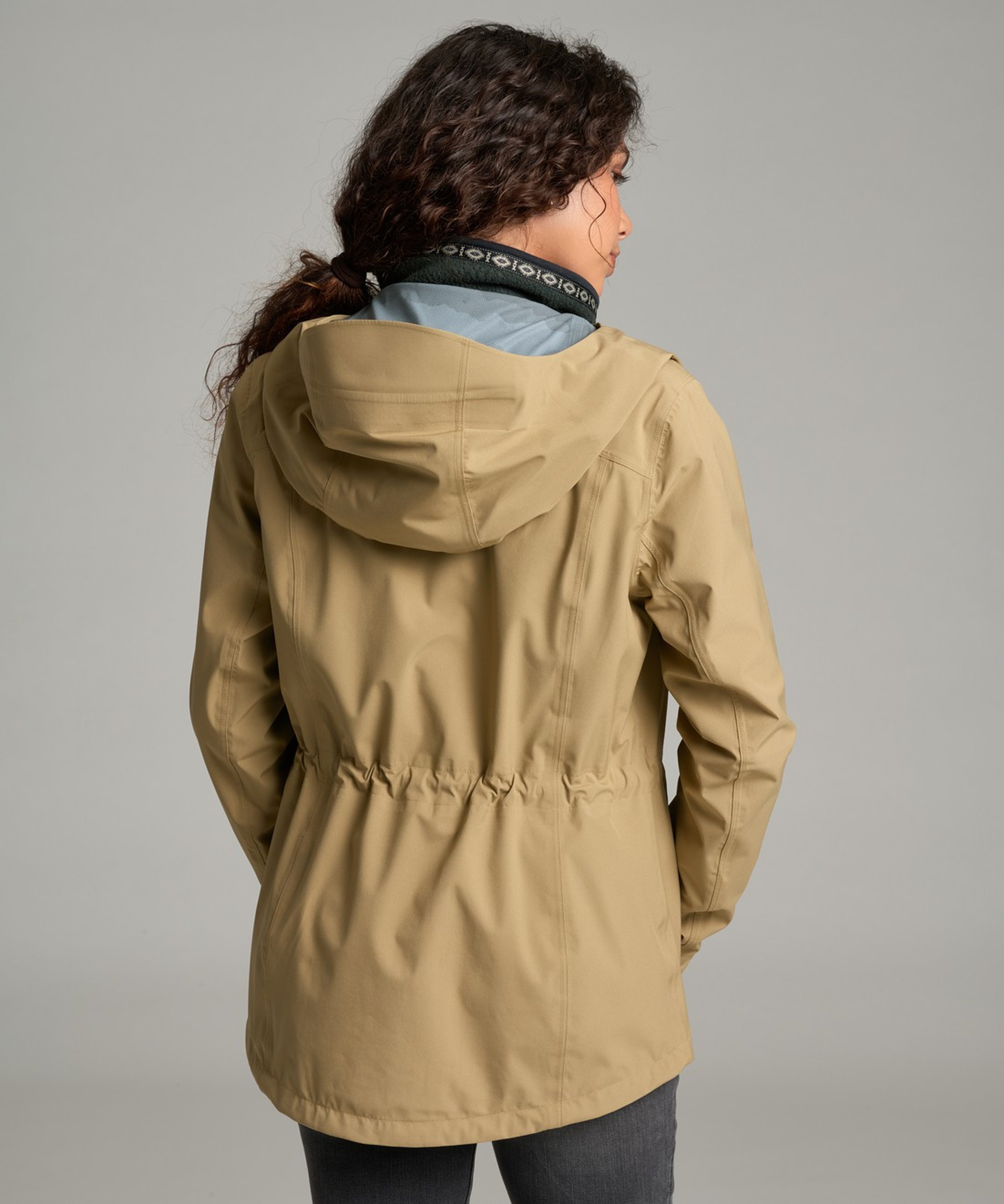
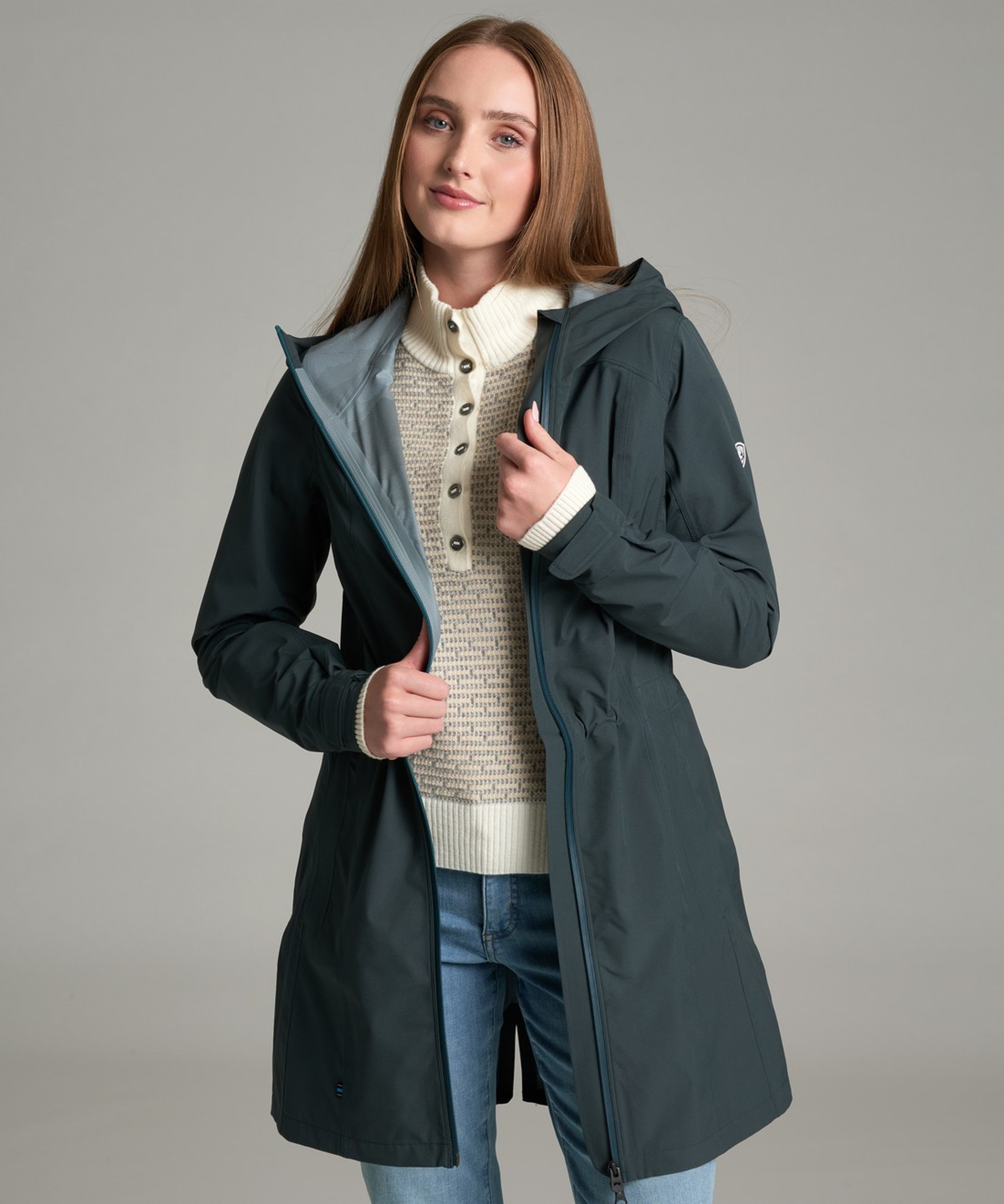
Shop our selection from vests to hooded styles. We have what you're looking for.

WARMTH
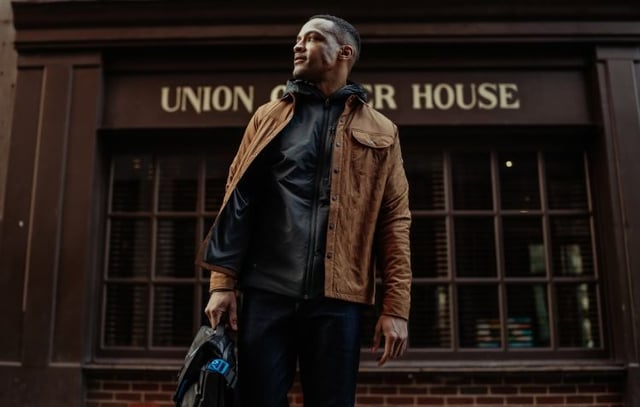
Select from three levels of warmth to find the right style for your lifestyle and activity level.
SERIES
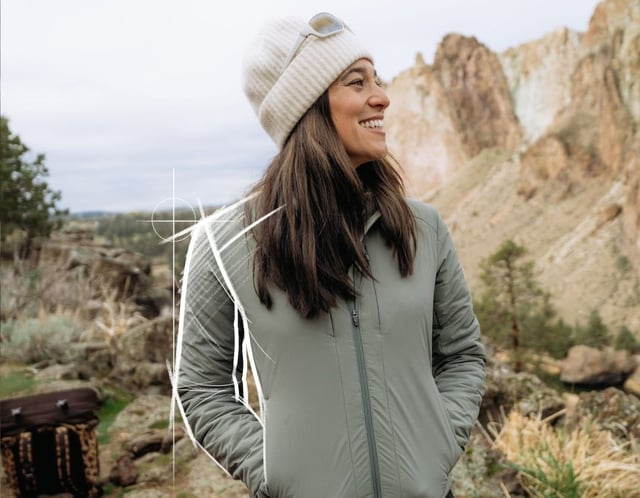
Check out our most popular series to find others similar to what you know and love.
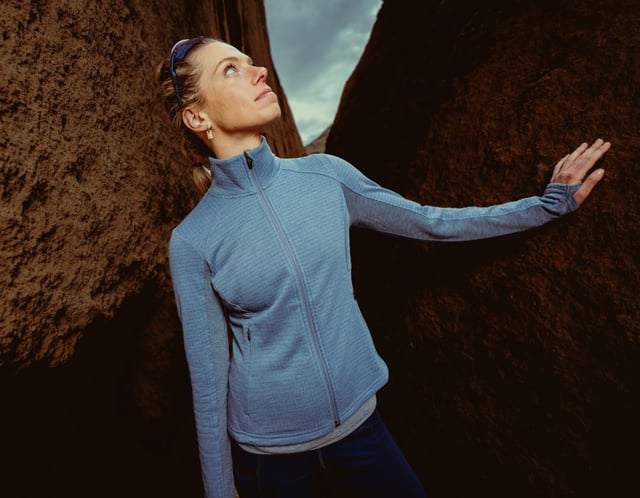
PERFORMANCE
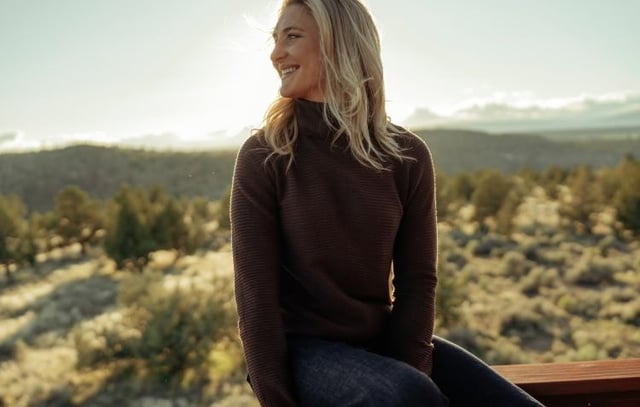
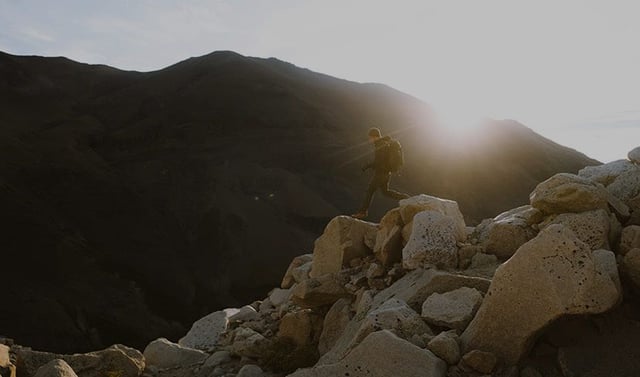
When you demand performance from your outerwear, choose from features like water resistance and stretch.

ACTIVITY
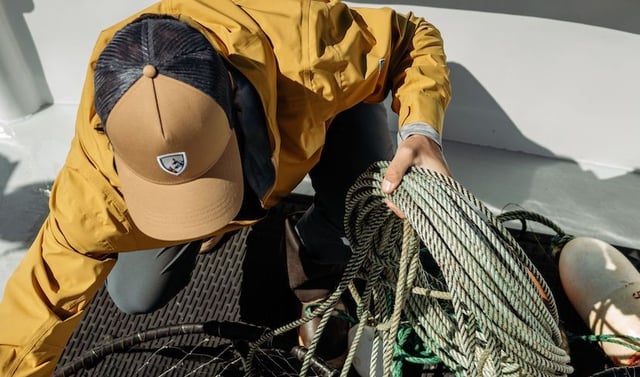
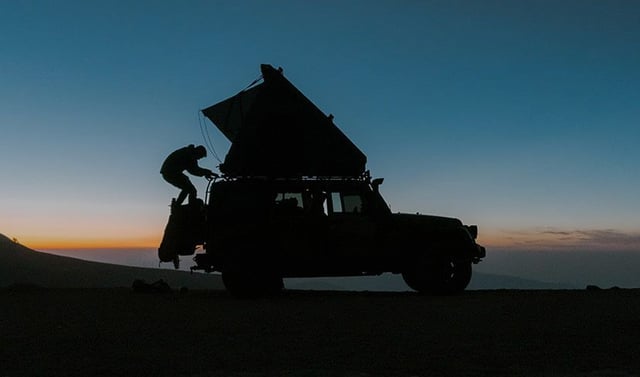
Shop by what you'll wear your outerwear for - to get outdoors, to commute to work, or for travel.
Women's Outerwear
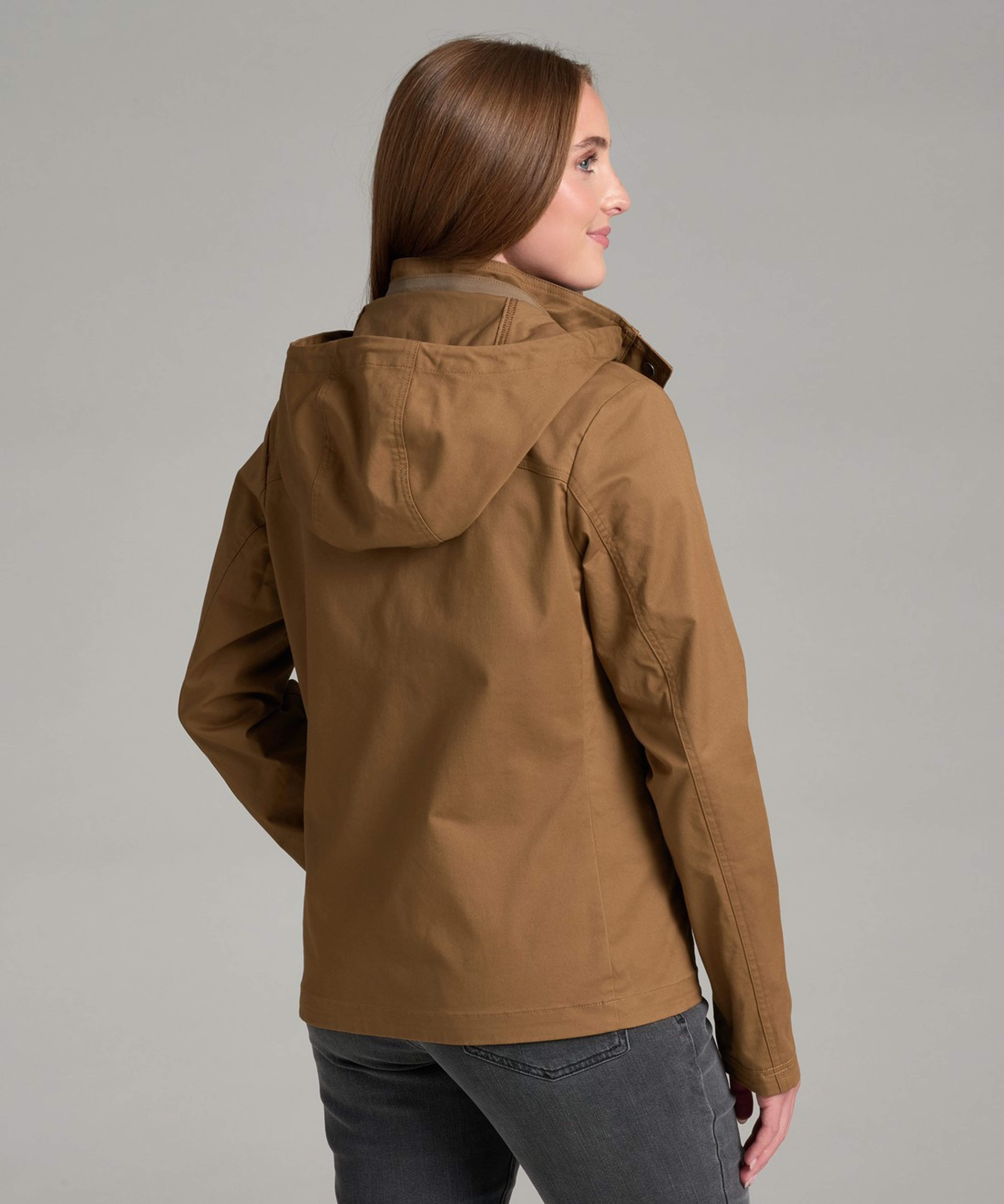
Wrap Yourself in Storm-Ready Style with KÜHL Women's Outerwear
Choose from a variety of fabrics, weights, and constructions for the women's outerwear that's right for you:
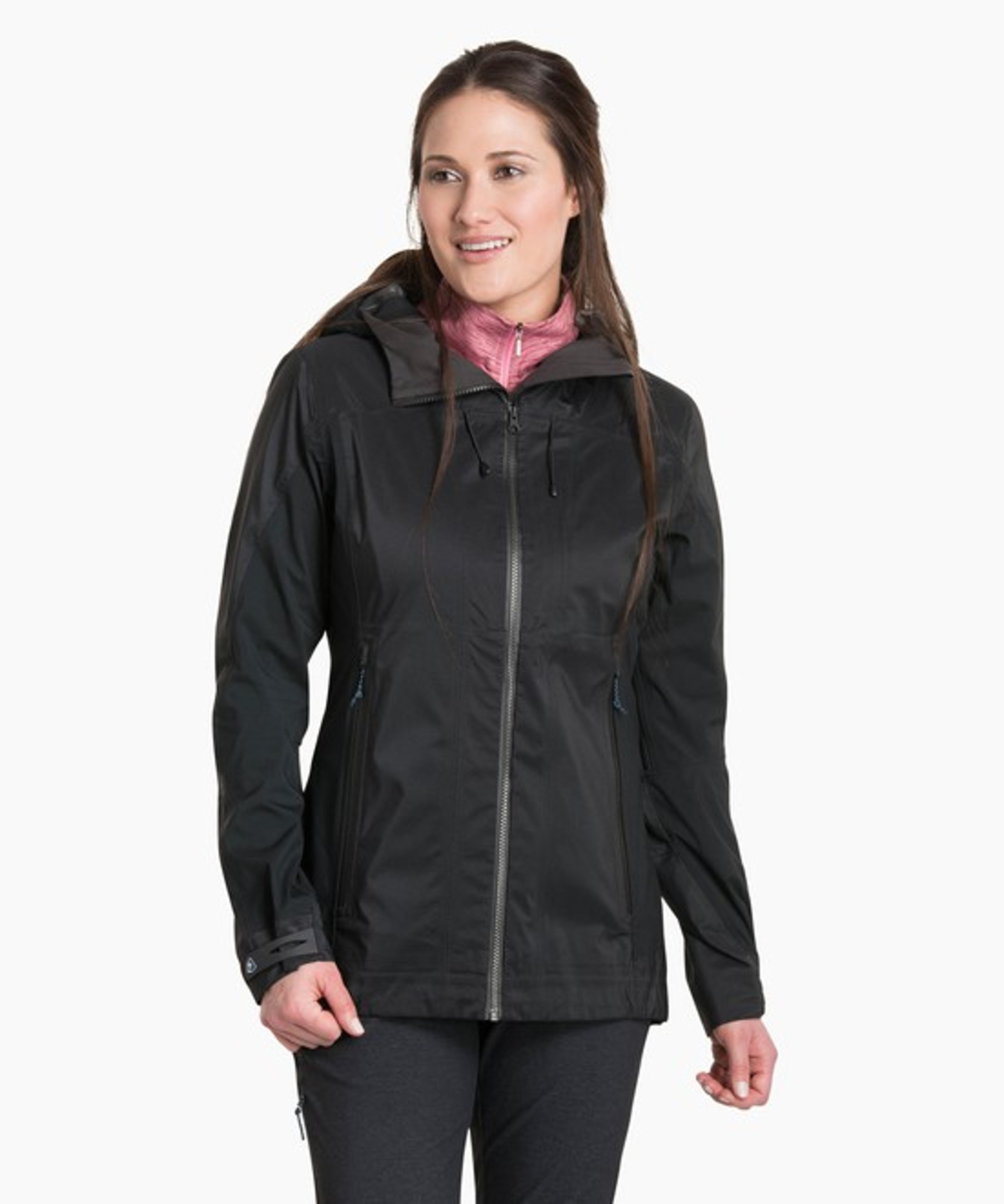
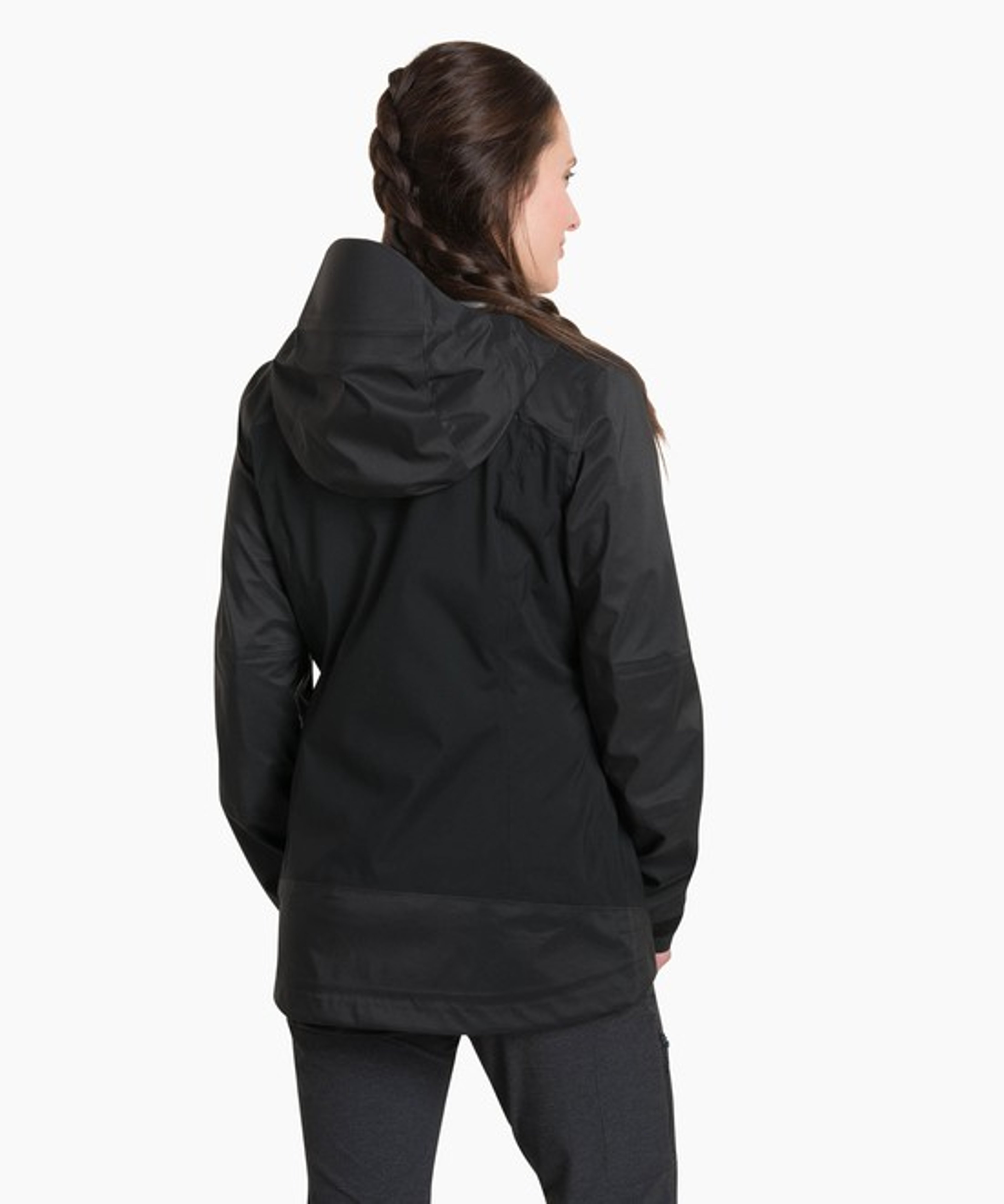
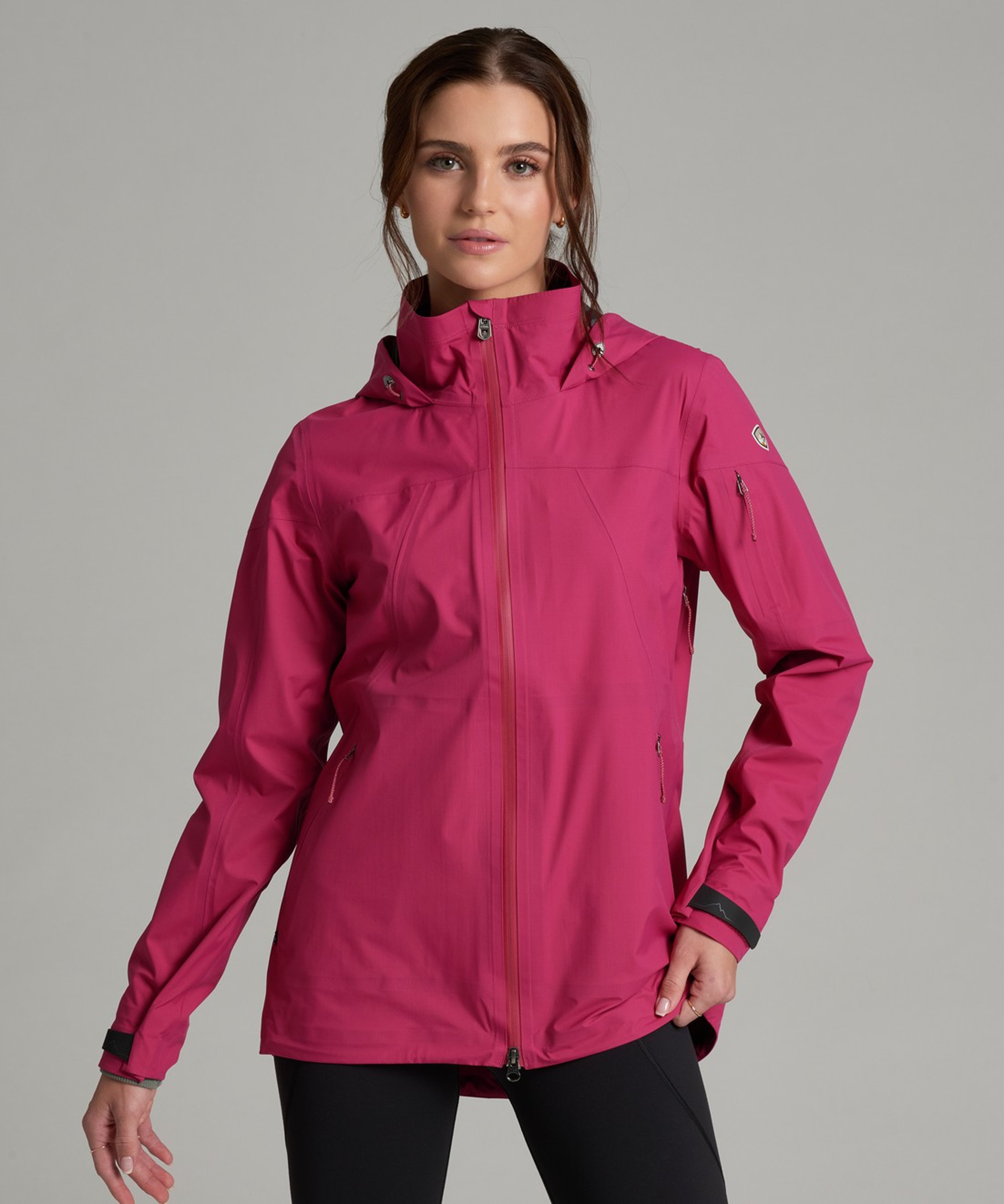
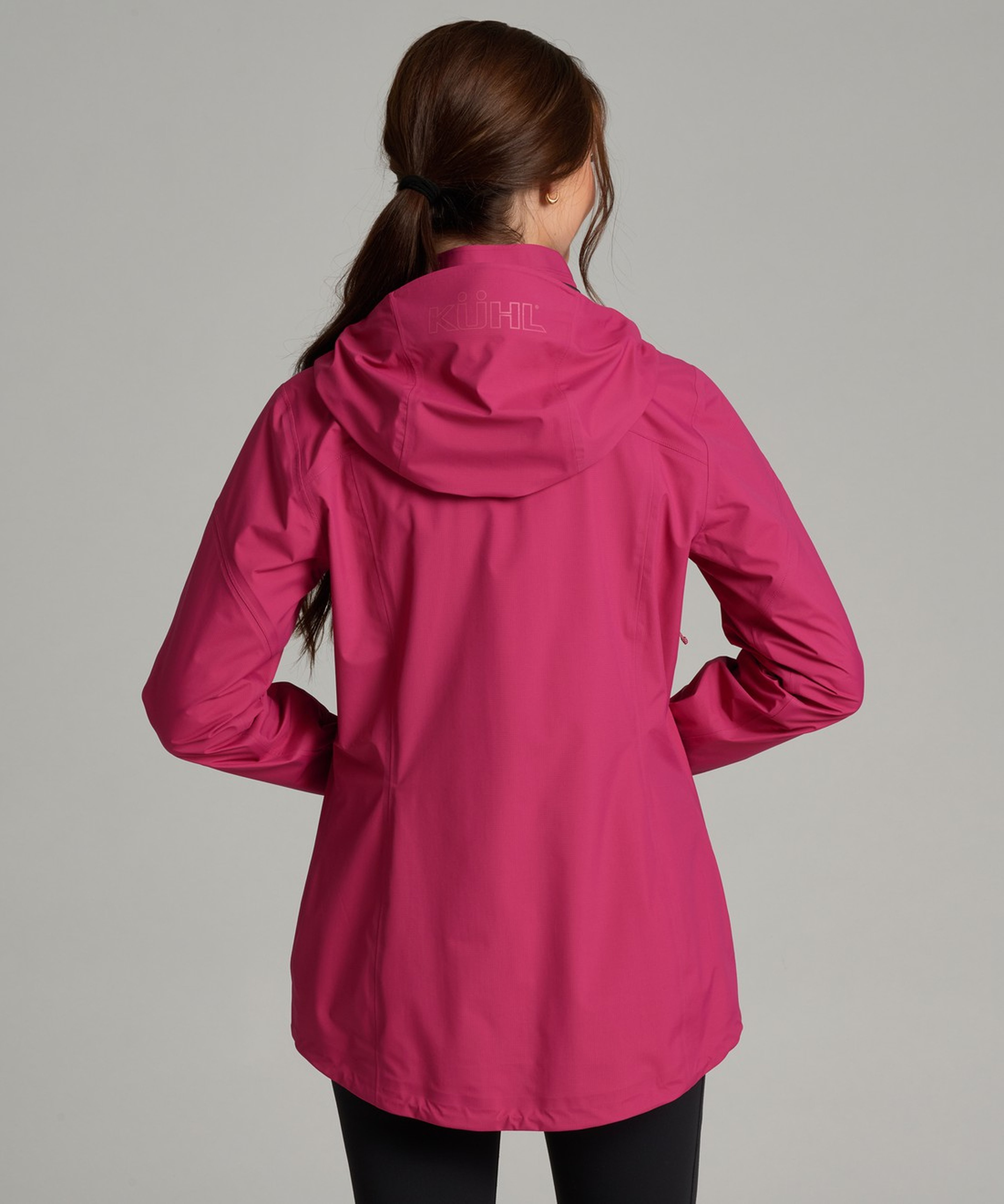
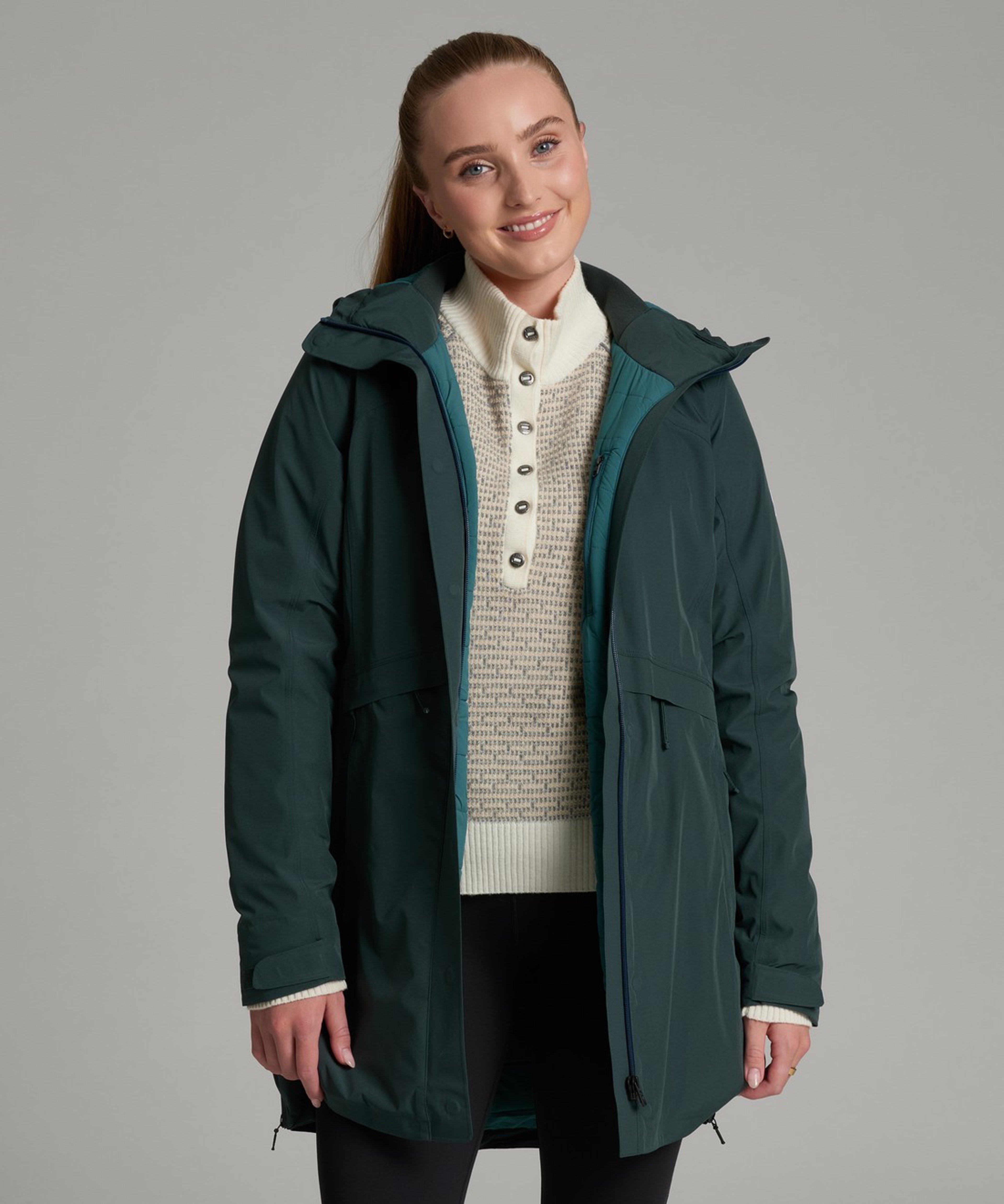
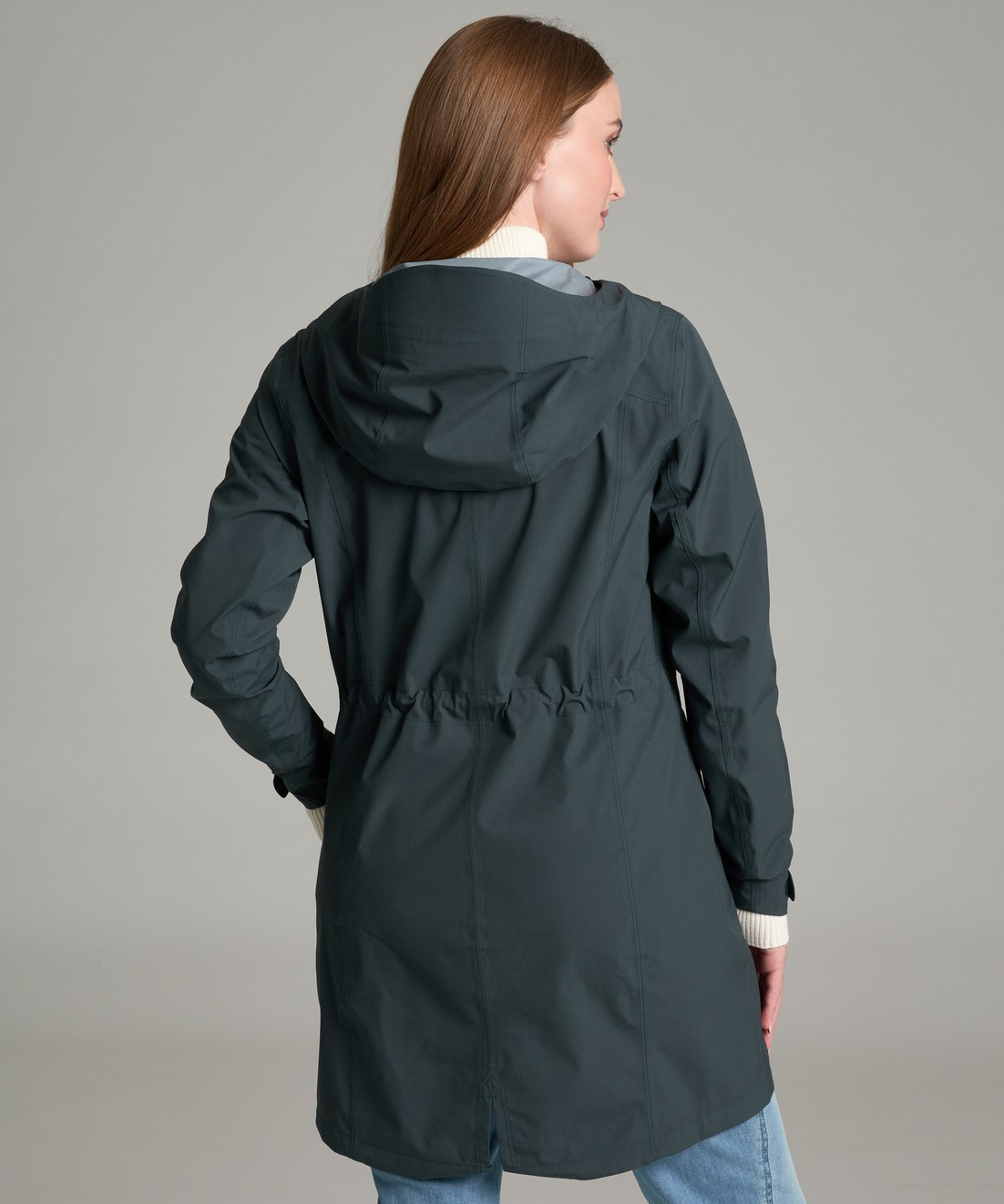
Hardshell Protection. For sustained rain, sleet, and exposed alpine days, a true hardshell earns its place. Look for fully taped seams, a waterproof-breathable membrane, and a helmet-compatible hood with a laminated brim. For the heaviest weather, see our women's rain jackets, built around 2.5- and 3-layer waterproof construction with water-repellent zippers and pit zips for high-output climbs.
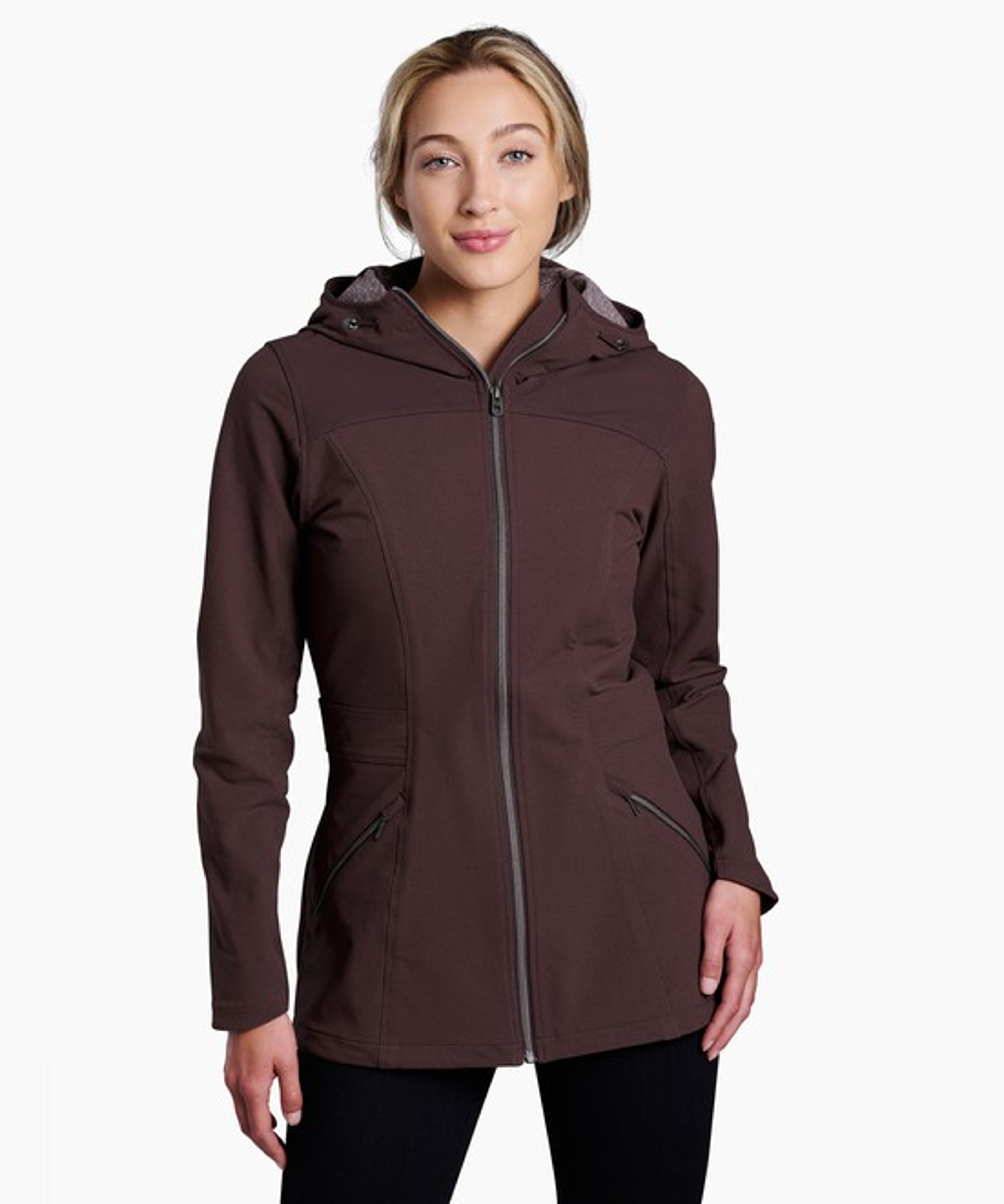
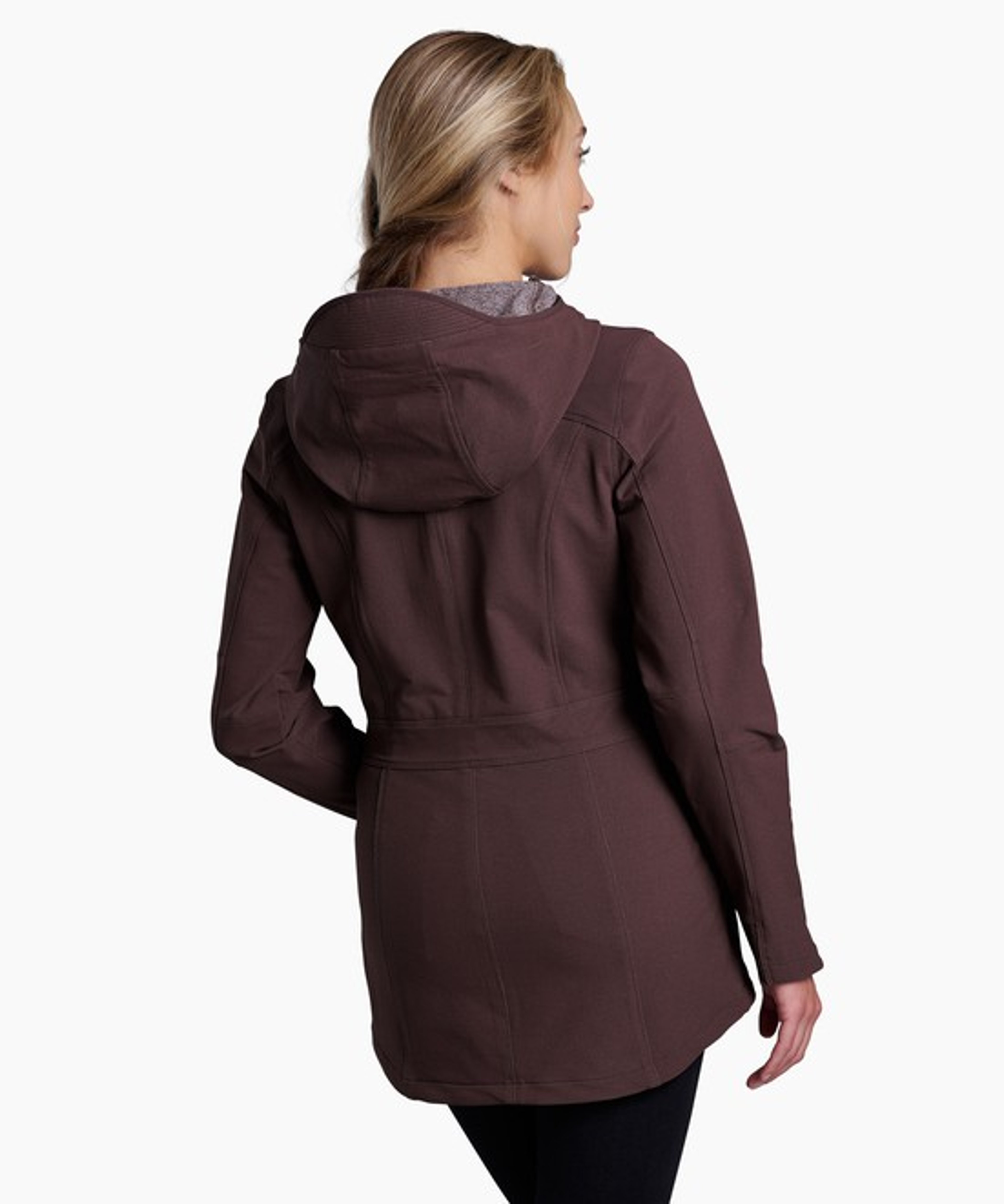
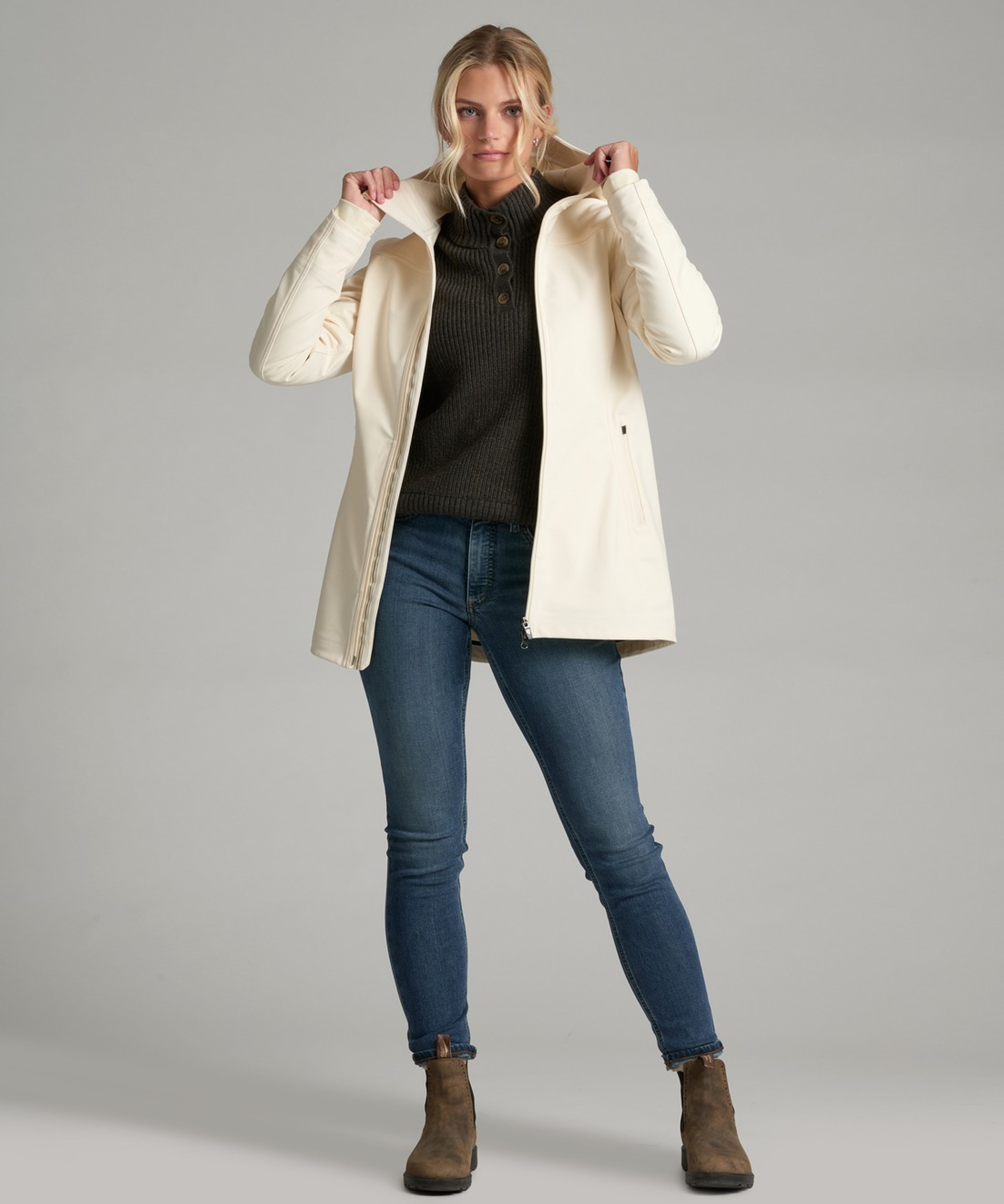
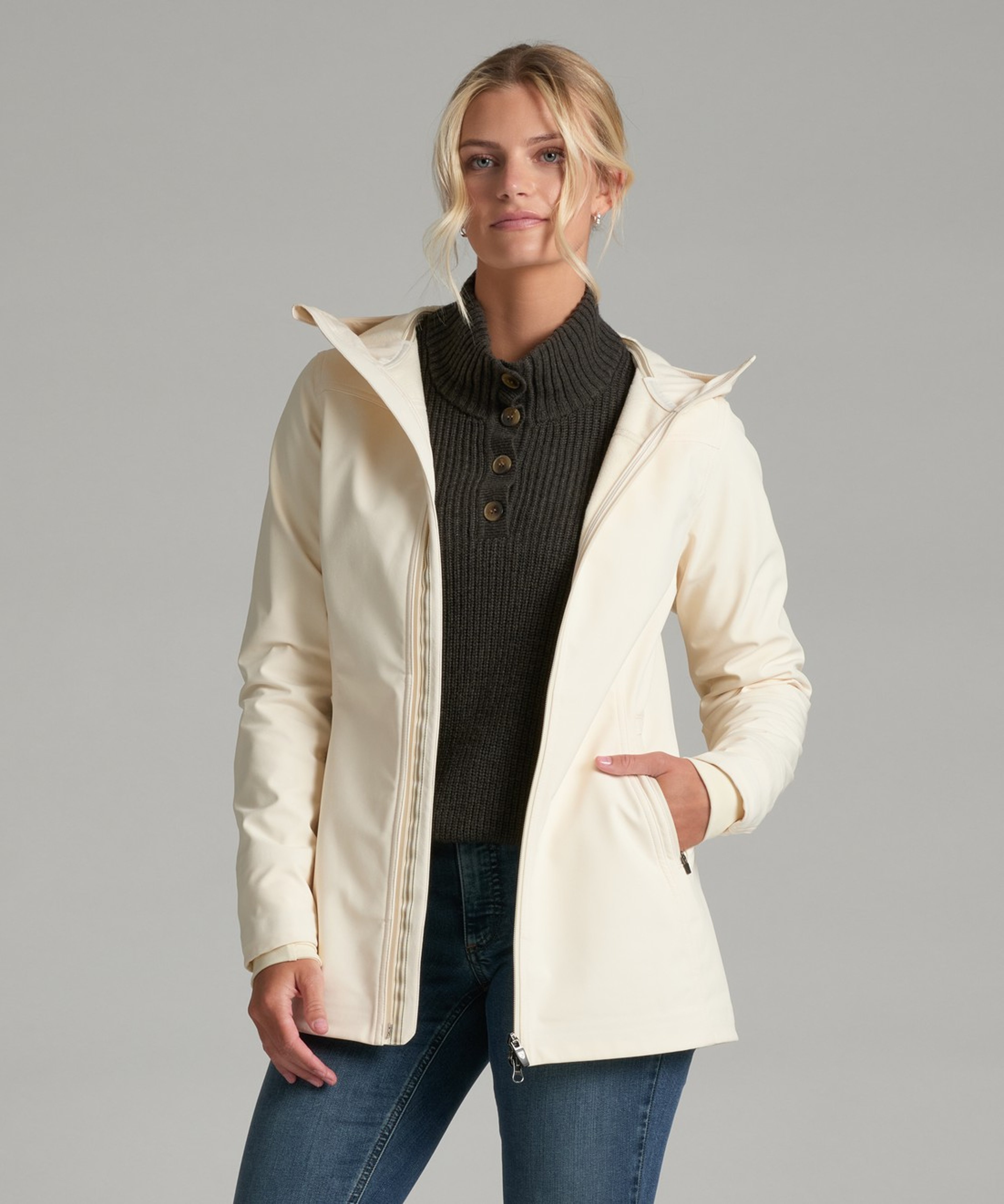
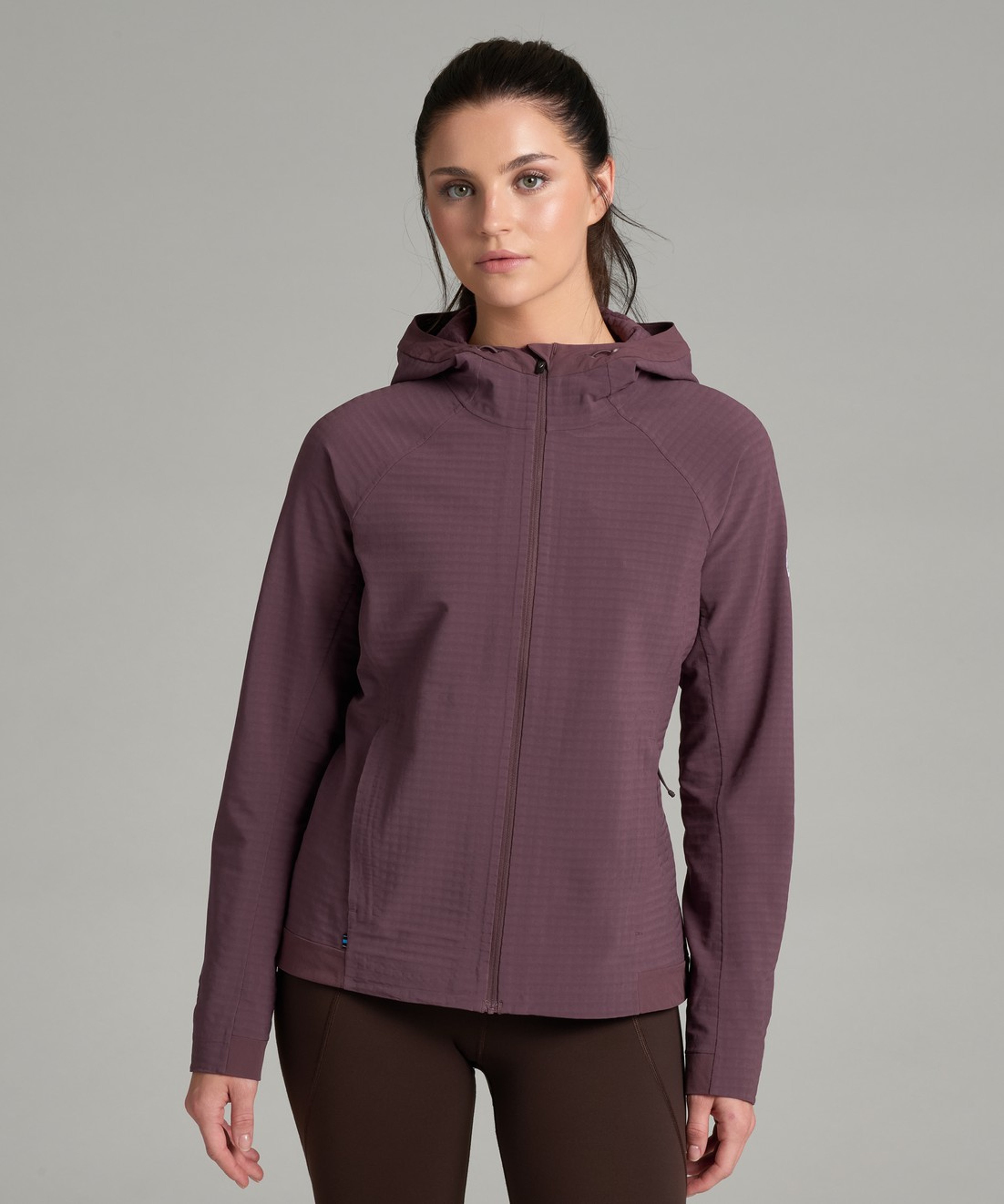
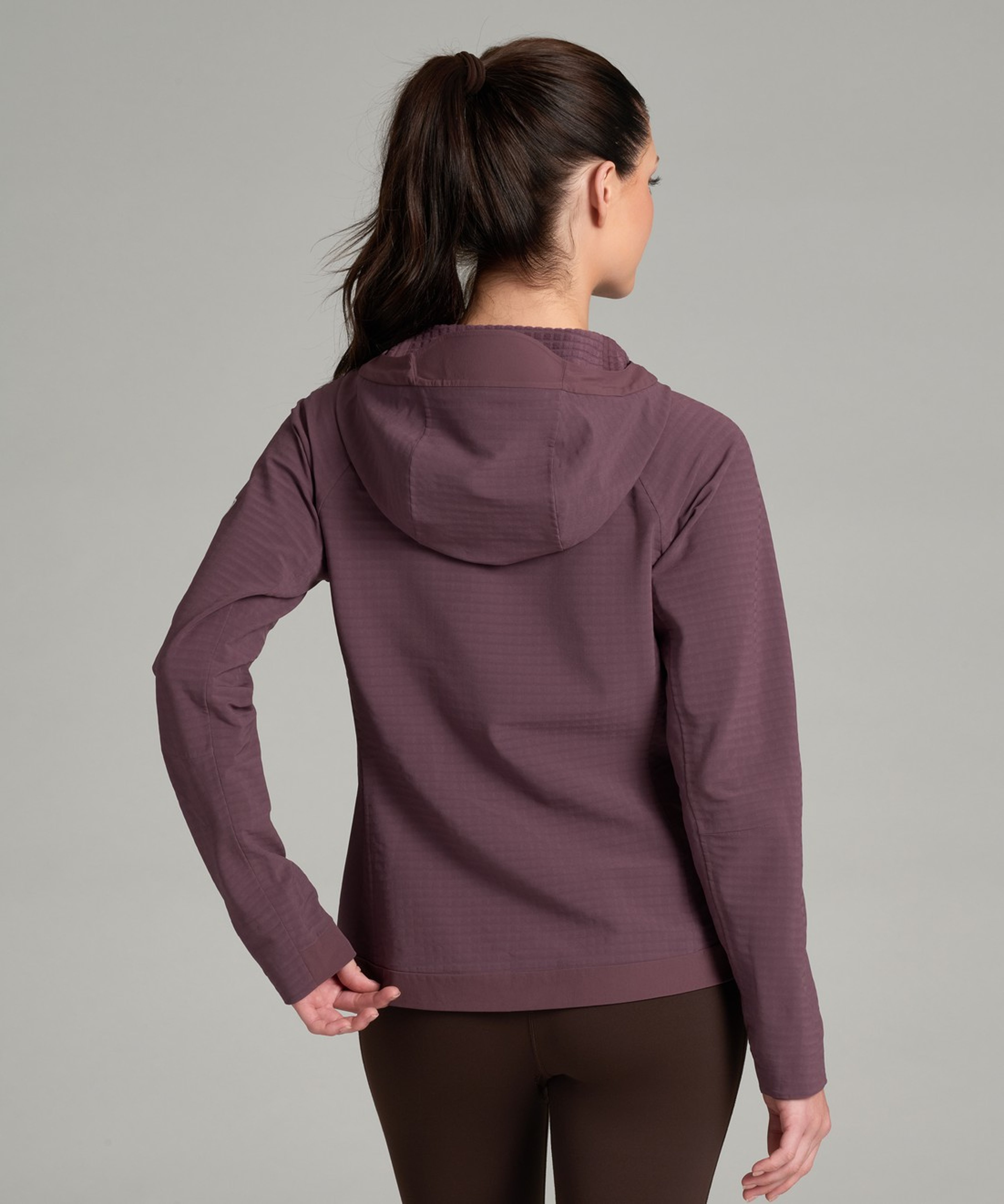
Softshell Versatility. When the forecast leans mixed (wind, drizzle, an afternoon temperature swing), a softshell does more work than a hardshell ever could. Stretch-woven face fabrics with a DWR finish shed light moisture, block wind, and breathe on the climb. 4-way stretch and articulated sleeves keep movement unrestricted on the trail.
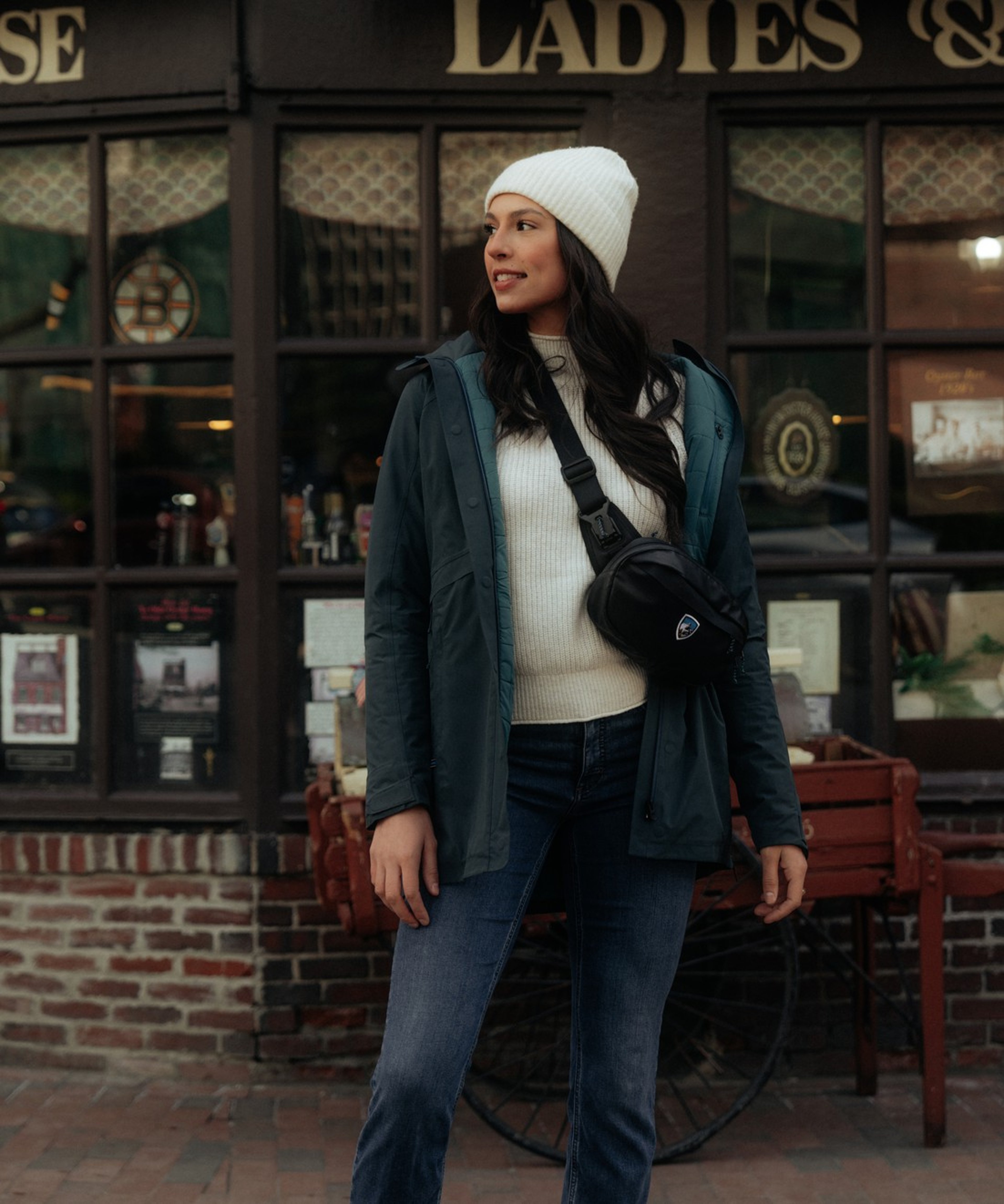
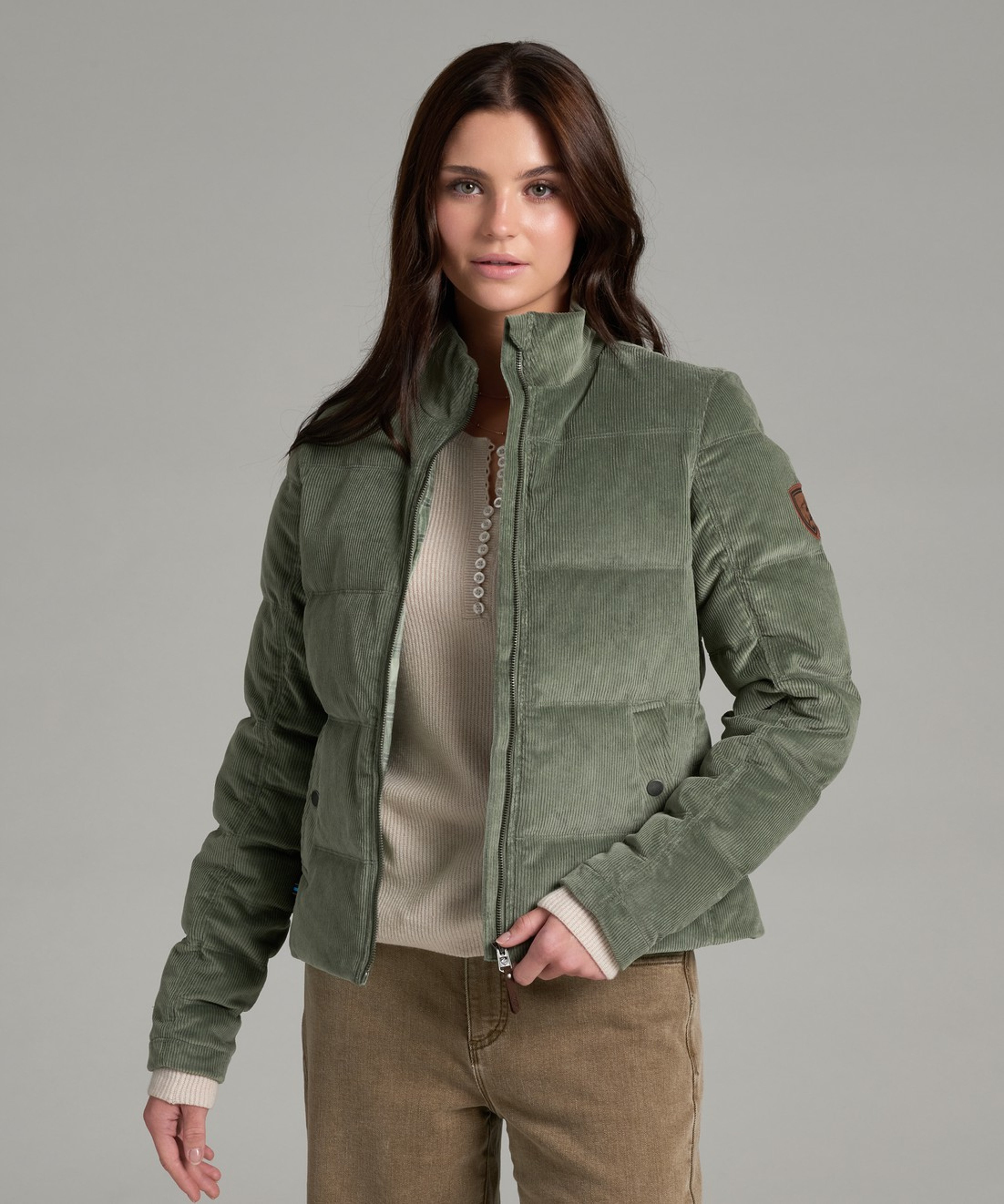
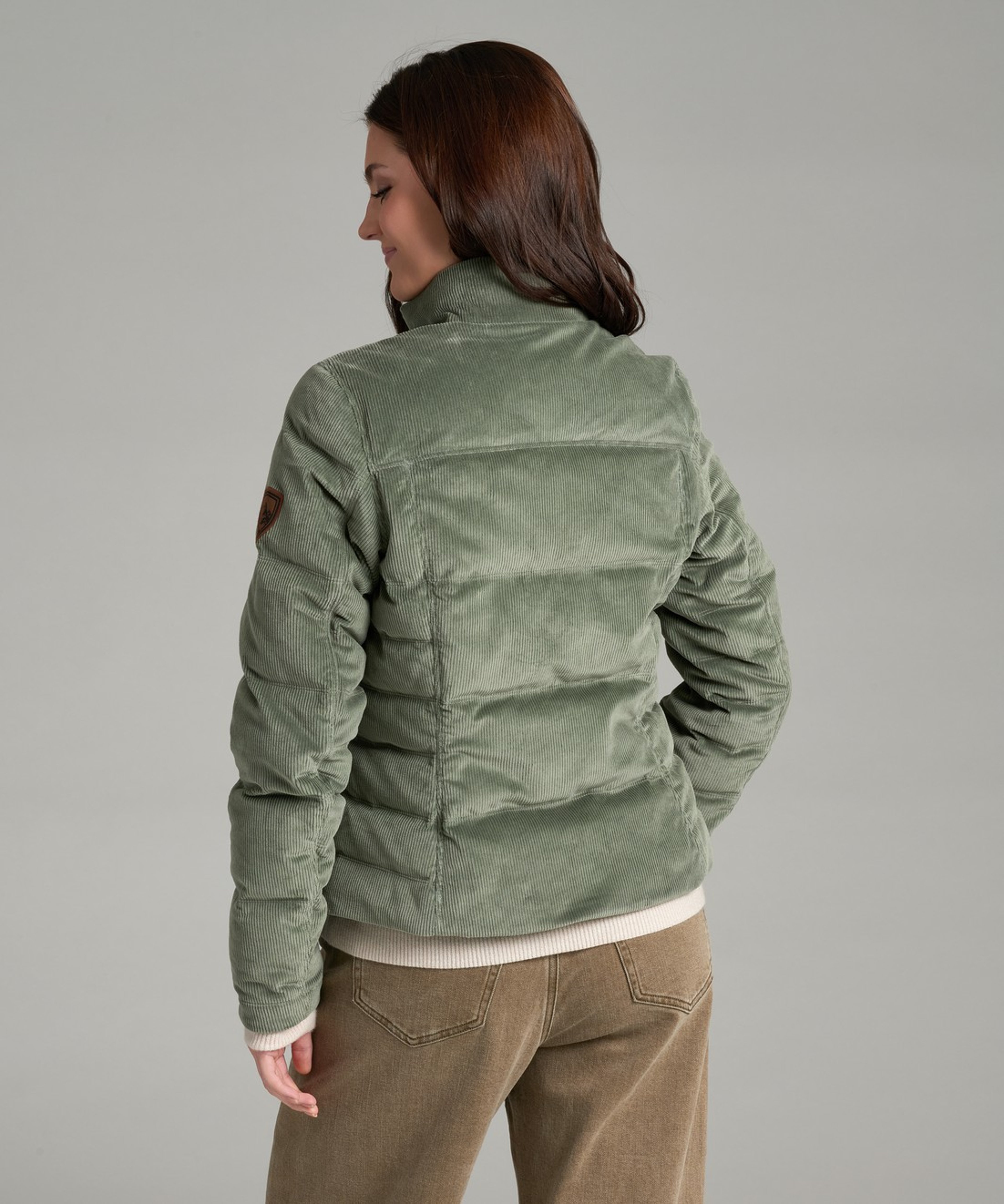
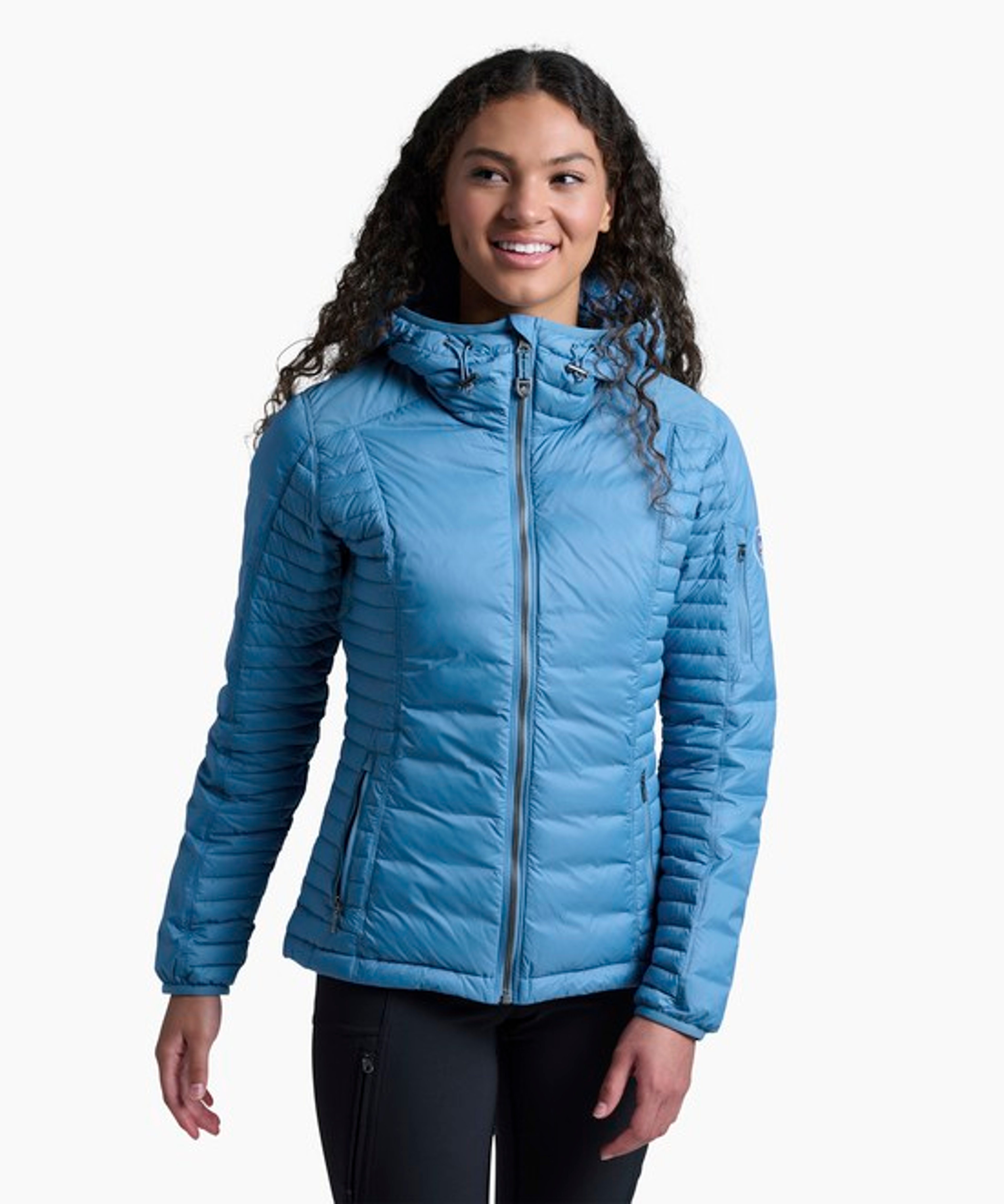
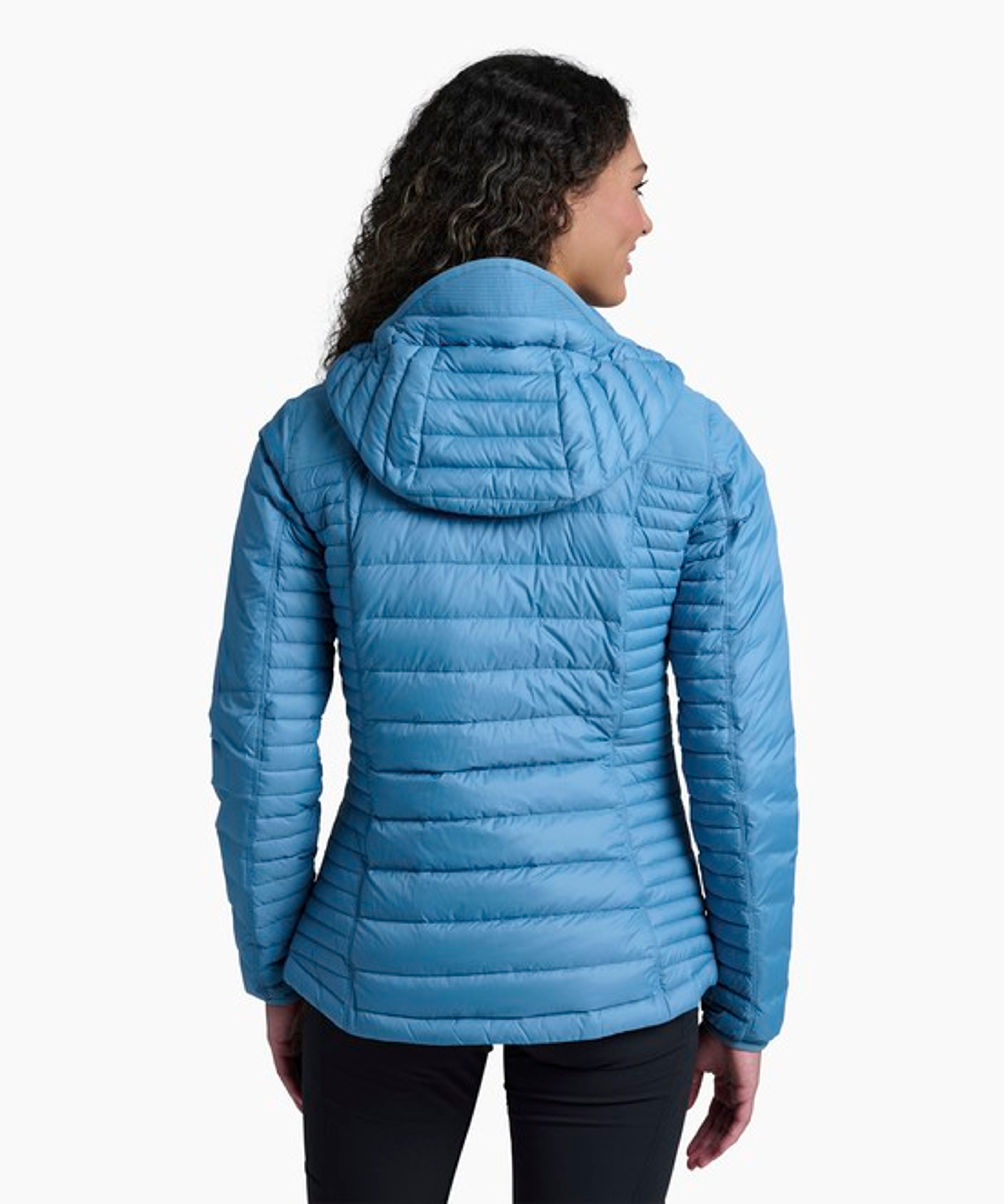
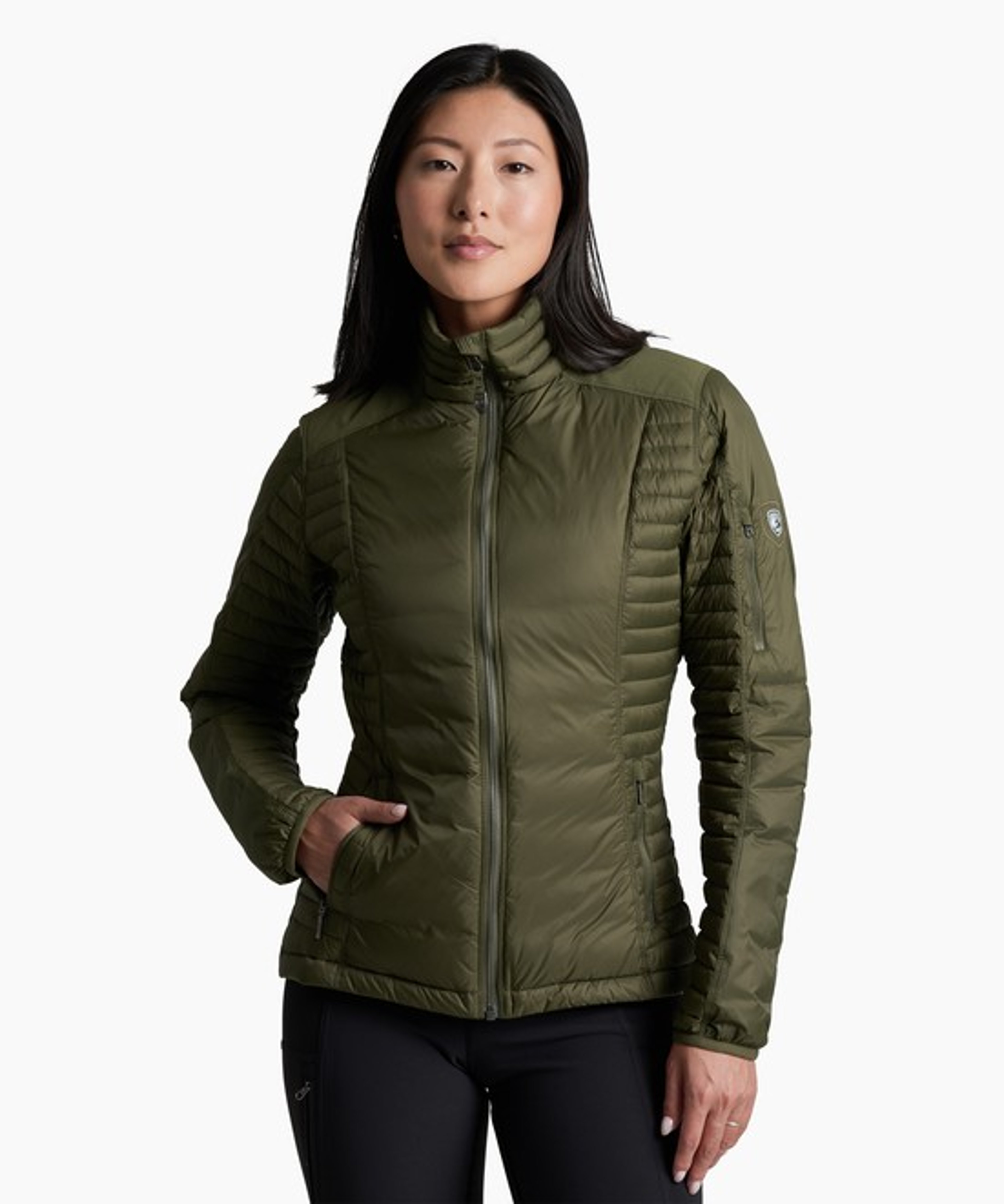
Insulated Warmth. When the temperature drops, insulation is the deciding feature. Down delivers the best warmth-to-weight ratio and packs down small. Synthetic insulation holds its loft when wet, which matters when you're sweating up a ridge or caught in spray. Our women's down outerwear spans packable mid-layer puffies to expedition-weight parkas.
Lightweight Wind & Weather: On long approaches and shoulder-season runs, a packable wind layer earns its place in every kit. Featherweight ripstop nylon, a DWR finish, and a stow-in-pocket design make it the layer you bring without thinking.
Look for signature touches across the line: articulated sleeves for full overhead reach, adjustable cuffs and hem cords that seal out wind, helmet-compatible hoods with stiffened brims, pit zips for dump-cooling on the climb, and pack-friendly pocket placement so you can reach storage without unclipping a hip belt. Pair any shell with a midweight fleece for cold mornings: see our women's fleece collection for layering pieces that work under everything from a softshell to a hardshell.
Choose from a variety of fabrics, weights, and constructions for the women's outerwear that's right for you:
Hardshell Protection. For sustained rain, sleet, and exposed alpine days, a true hardshell earns its place. Look for fully taped seams, a waterproof-breathable membrane, and a helmet-compatible hood with a laminated brim. For the heaviest weather, see our women's rain jackets, built around 2.5- and 3-layer waterproof construction with water-repellent zippers and pit zips for high-output climbs.
Softshell Versatility. When the forecast leans mixed (wind, drizzle, an afternoon temperature swing), a softshell does more work than a hardshell ever could. Stretch-woven face fabrics with a DWR finish shed light moisture, block wind, and breathe on the climb. 4-way stretch and articulated sleeves keep movement unrestricted on the trail.
Insulated Warmth. When the temperature drops, insulation is the deciding feature. Down delivers the best warmth-to-weight ratio and packs down small. Synthetic insulation holds its loft when wet, which matters when you're sweating up a ridge or caught in spray. Our women's down outerwear spans packable mid-layer puffies to expedition-weight parkas.
Lightweight Wind & Weather: On long approaches and shoulder-season runs, a packable wind layer earns its place in every kit. Featherweight ripstop nylon, a DWR finish, and a stow-in-pocket design make it the layer you bring without thinking.
Look for signature touches across the line: articulated sleeves for full overhead reach, adjustable cuffs and hem cords that seal out wind, helmet-compatible hoods with stiffened brims, pit zips for dump-cooling on the climb, and pack-friendly pocket placement so you can reach storage without unclipping a hip belt. Pair any shell with a midweight fleece for cold mornings: see our women's fleece collection for layering pieces that work under everything from a softshell to a hardshell.
From hardshell storm protection to packable down, KÜHL women's outerwear is built for real weather and real movement. Here's how to pick.
What should you look for in women's outerwear?
The right women's outerwear is built around three decisions: weather protection level, breathability for your output, and layering compatibility with the rest of your kit.
Start with the weather you actually face. For sustained rain, a waterproof hardshell with taped seams beats a water-resistant softshell every time. For wind-driven cold with intermittent moisture, a softshell or an insulated mid-layer often does more work. Then check the breathability story: pit zips, mechanical venting, and a face fabric that breathes on the climb matter more than the numbers on a hangtag. Finally, confirm the fit accommodates a base layer plus a midweight insulator without binding through the shoulders.
Start with the weather you actually face. For sustained rain, a waterproof hardshell with taped seams beats a water-resistant softshell every time. For wind-driven cold with intermittent moisture, a softshell or an insulated mid-layer often does more work. Then check the breathability story: pit zips, mechanical venting, and a face fabric that breathes on the climb matter more than the numbers on a hangtag. Finally, confirm the fit accommodates a base layer plus a midweight insulator without binding through the shoulders.
What's the difference between a hardshell, softshell, and insulated jacket?
A hardshell is fully waterproof, a softshell is wind- and water-resistant with stretch, and an insulated jacket adds warmth as its primary job.
Hardshells use a waterproof-breathable membrane laminated to a face fabric, taped seams, and water-repellent zippers, built for sustained rain, snow, and exposed weather. Our women's softshell jackets trade absolute waterproofing for stretch, breathability, and abrasion resistance, making them the right call for high-output days in mixed conditions. Insulated jackets, down or synthetic, focus on warmth and are often layered under a shell when conditions turn wet.
Hardshells use a waterproof-breathable membrane laminated to a face fabric, taped seams, and water-repellent zippers, built for sustained rain, snow, and exposed weather. Our women's softshell jackets trade absolute waterproofing for stretch, breathability, and abrasion resistance, making them the right call for high-output days in mixed conditions. Insulated jackets, down or synthetic, focus on warmth and are often layered under a shell when conditions turn wet.
How do you choose between down and synthetic insulation?
Down for cold-dry conditions. Synthetic for cold-wet conditions and high-sweat output.
Down delivers the highest warmth-to-weight ratio of any insulation, packs down extremely small, and lasts decades when cared for. The catch: down loses loft when soaked. Look for higher fill power (700-800+) for the best efficiency, and RDS-certified down for ethical sourcing. Synthetic insulation is heavier and bulkier for equivalent warmth, but holds its loft when wet and dries faster, the better choice for rainy climates, sweaty climbs, and active days where moisture is constant.
Down delivers the highest warmth-to-weight ratio of any insulation, packs down extremely small, and lasts decades when cared for. The catch: down loses loft when soaked. Look for higher fill power (700-800+) for the best efficiency, and RDS-certified down for ethical sourcing. Synthetic insulation is heavier and bulkier for equivalent warmth, but holds its loft when wet and dries faster, the better choice for rainy climates, sweaty climbs, and active days where moisture is constant.
Are outerwear waterproof or just water-resistant?
It depends on the construction, and the difference matters in sustained rain.
A DWR (durable water repellent) finish causes water to bead and roll off the face fabric, which handles drizzle and brief showers. True waterproofing requires a membrane laminated under the face fabric, typically a 2.5- or 3-layer construction, paired with taped seams and water-repellent zippers. Softshells are generally water-resistant, not waterproof. If you're heading into all-day rain or wet snow, choose a fully seam-taped hardshell.
A DWR (durable water repellent) finish causes water to bead and roll off the face fabric, which handles drizzle and brief showers. True waterproofing requires a membrane laminated under the face fabric, typically a 2.5- or 3-layer construction, paired with taped seams and water-repellent zippers. Softshells are generally water-resistant, not waterproof. If you're heading into all-day rain or wet snow, choose a fully seam-taped hardshell.
How should outerwear fit for layering?
A shell should fit with enough room for a base layer plus a midweight insulator underneath, without restricting movement through the shoulders, arms, or hood.
Try it on over what you'd actually wear in the field: a long-sleeve base layer and a midweight fleece or down puffy. Reach overhead. Articulated or gusseted sleeves should lift without hiking the hem past your waist. The hood should rotate with your head and accommodate a beanie or helmet if your activity warrants. A drop-tail hem covers when you bend, and adjustable cuffs and hem cords seal the layering system against wind.
Try it on over what you'd actually wear in the field: a long-sleeve base layer and a midweight fleece or down puffy. Reach overhead. Articulated or gusseted sleeves should lift without hiking the hem past your waist. The hood should rotate with your head and accommodate a beanie or helmet if your activity warrants. A drop-tail hem covers when you bend, and adjustable cuffs and hem cords seal the layering system against wind.
What features matter most when hiking or backpacking?
Prioritize pit zips, a helmet-compatible hood, packability, and pocket placement that stays accessible under a pack's hip belt and chest straps.
Pit zips matter more than most buyers expect. They let you dump heat fast on steep climbs without shedding layers. An adjustable, stiff-brimmed hood keeps rain off your face. Stow-away or roll-down designs are useful when conditions change. For multi-day trips, look for jackets that stuff into their own pocket with a carabiner loop. And check pocket position before you buy: hand pockets buried under a hip belt are dead weight on the trail. Chest or upper-pocket access is gold when you're carrying a pack.
Pit zips matter more than most buyers expect. They let you dump heat fast on steep climbs without shedding layers. An adjustable, stiff-brimmed hood keeps rain off your face. Stow-away or roll-down designs are useful when conditions change. For multi-day trips, look for jackets that stuff into their own pocket with a carabiner loop. And check pocket position before you buy: hand pockets buried under a hip belt are dead weight on the trail. Chest or upper-pocket access is gold when you're carrying a pack.
All
Full Zip
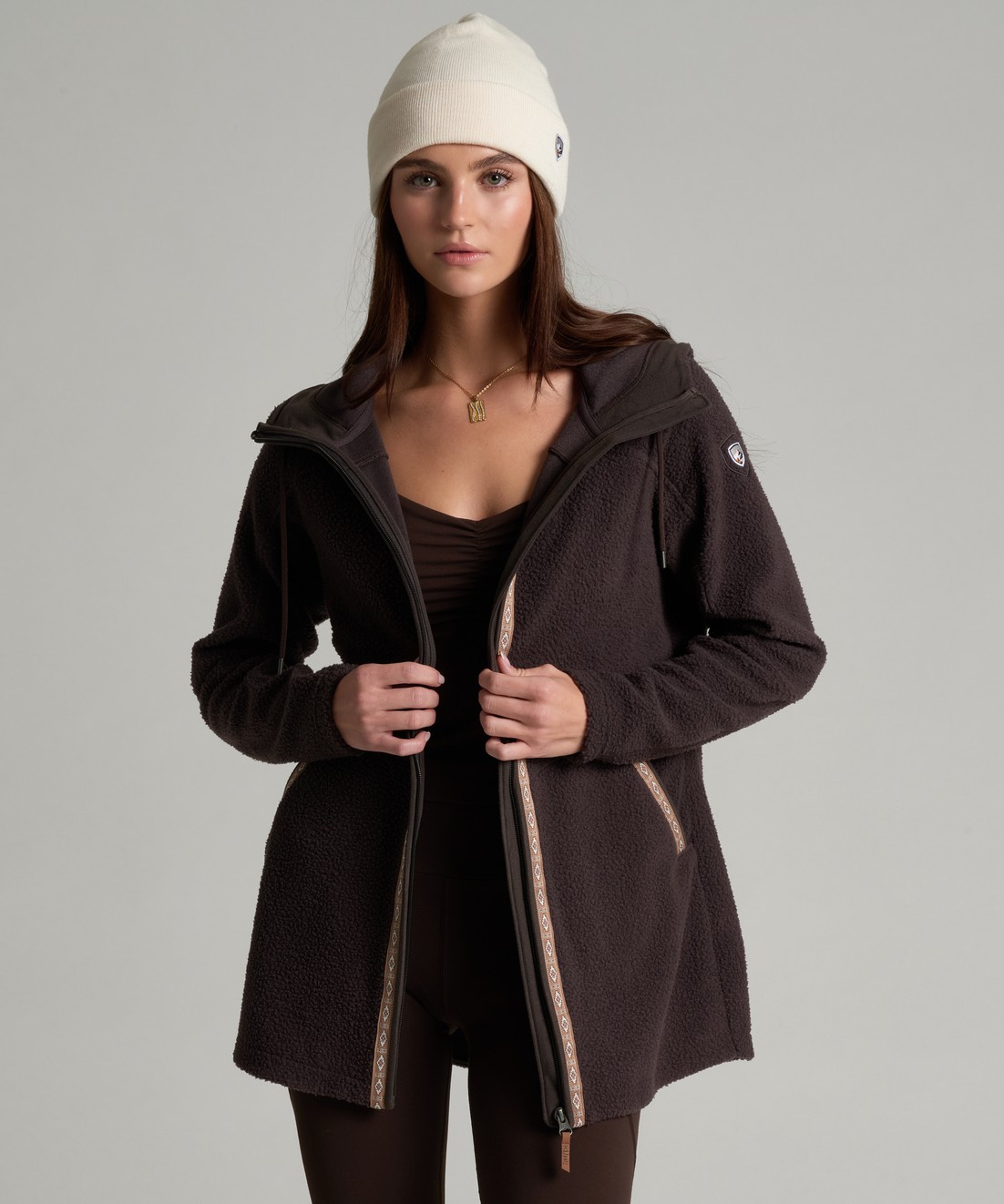
Hoody
Jacket
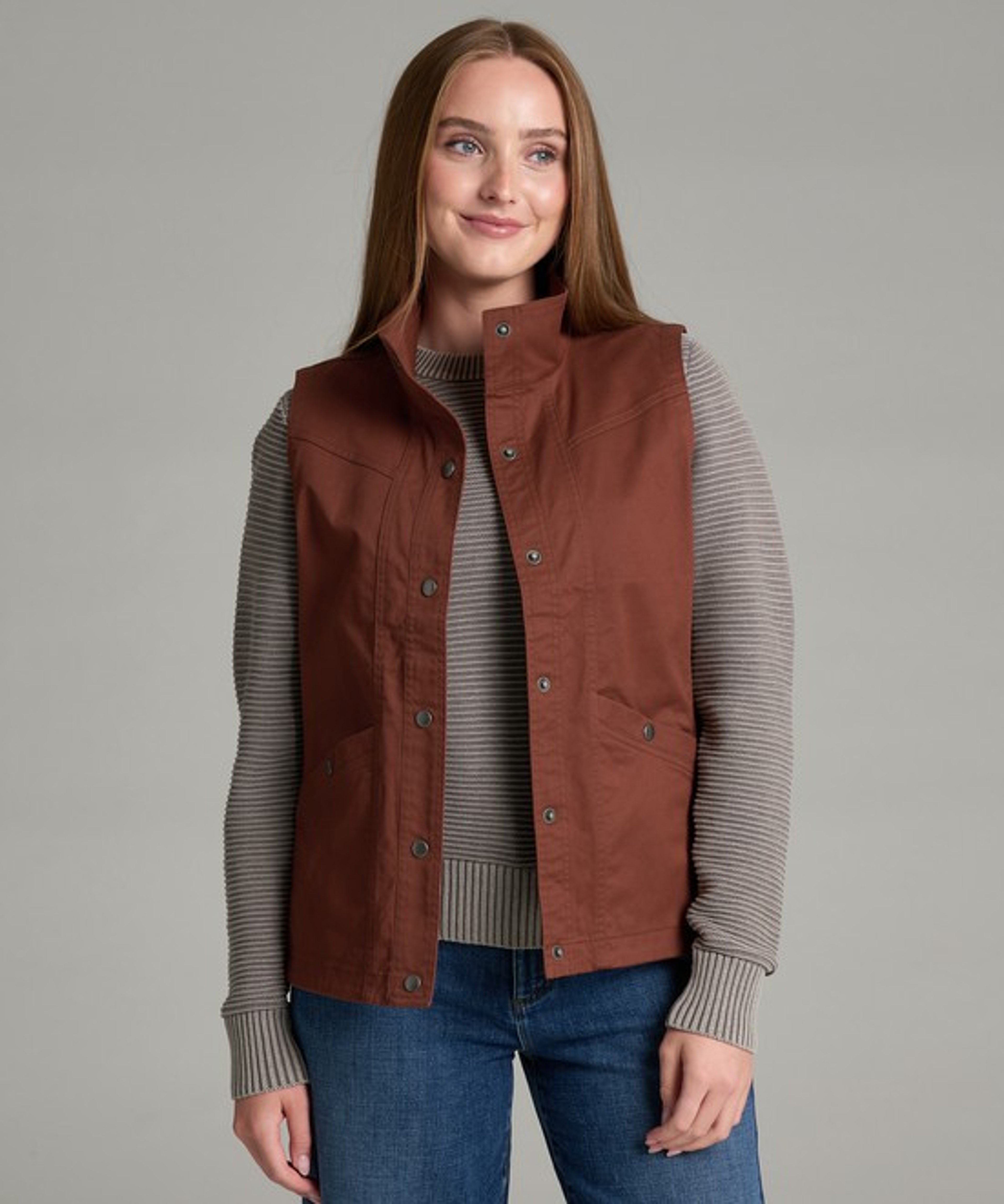
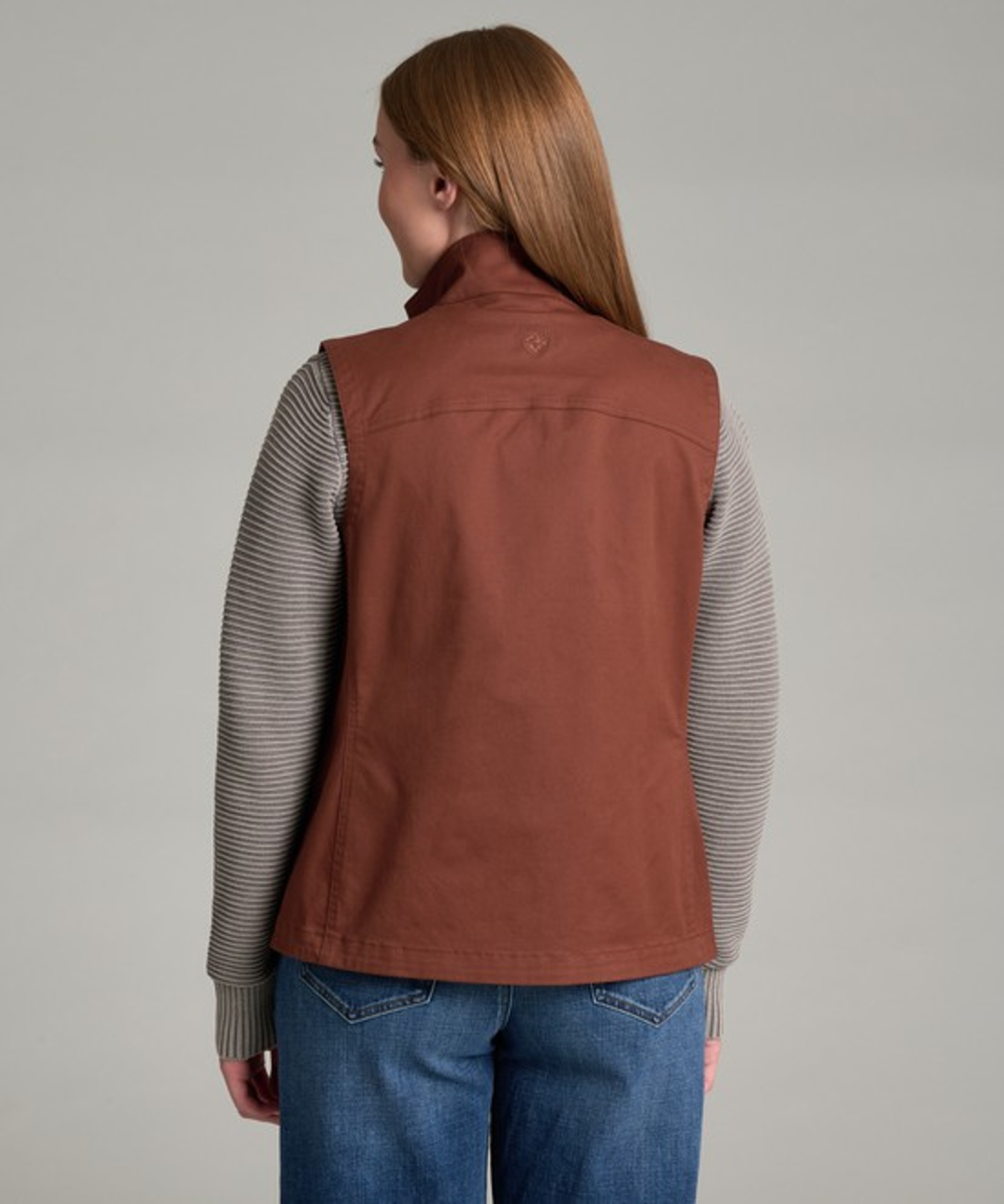
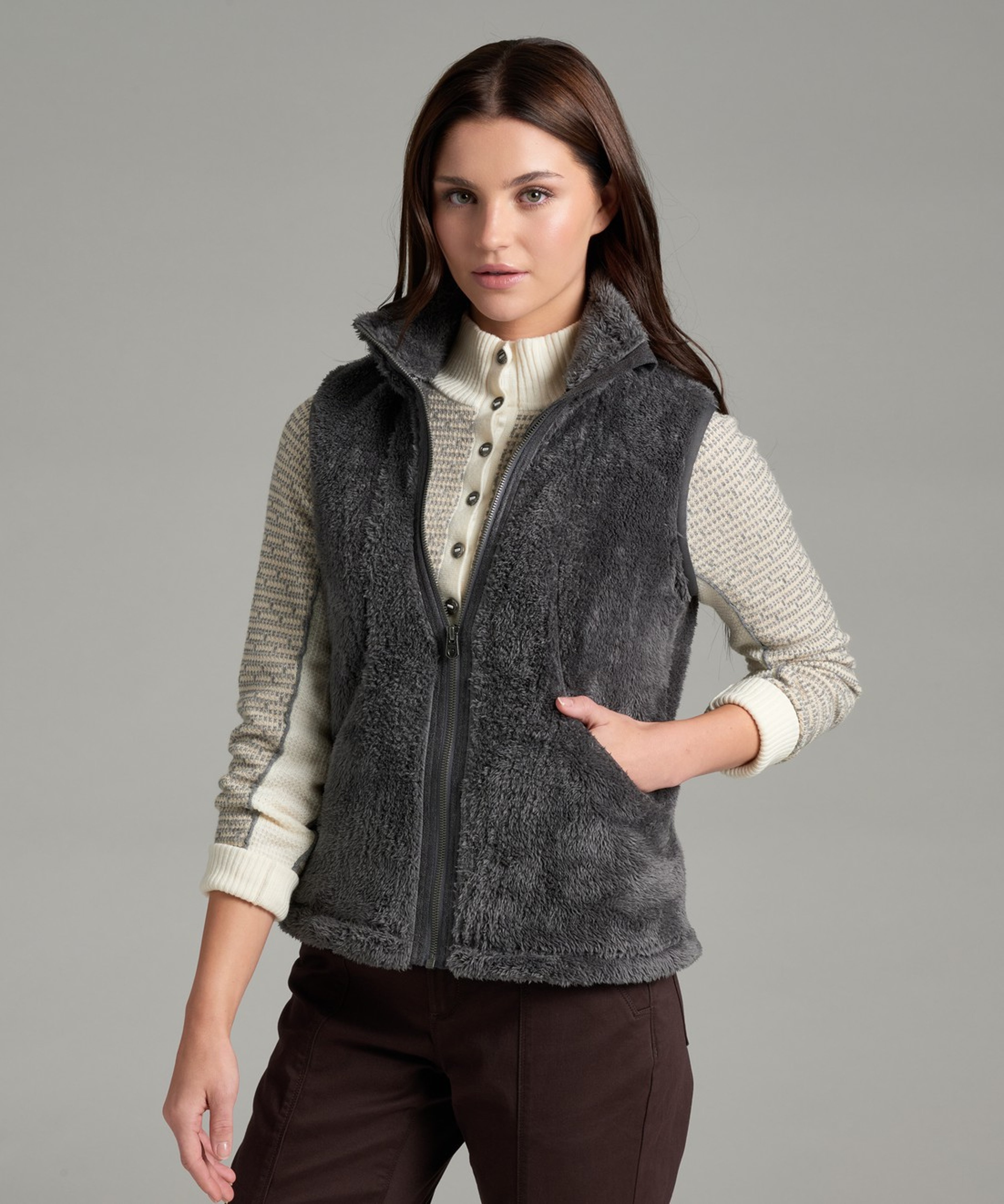
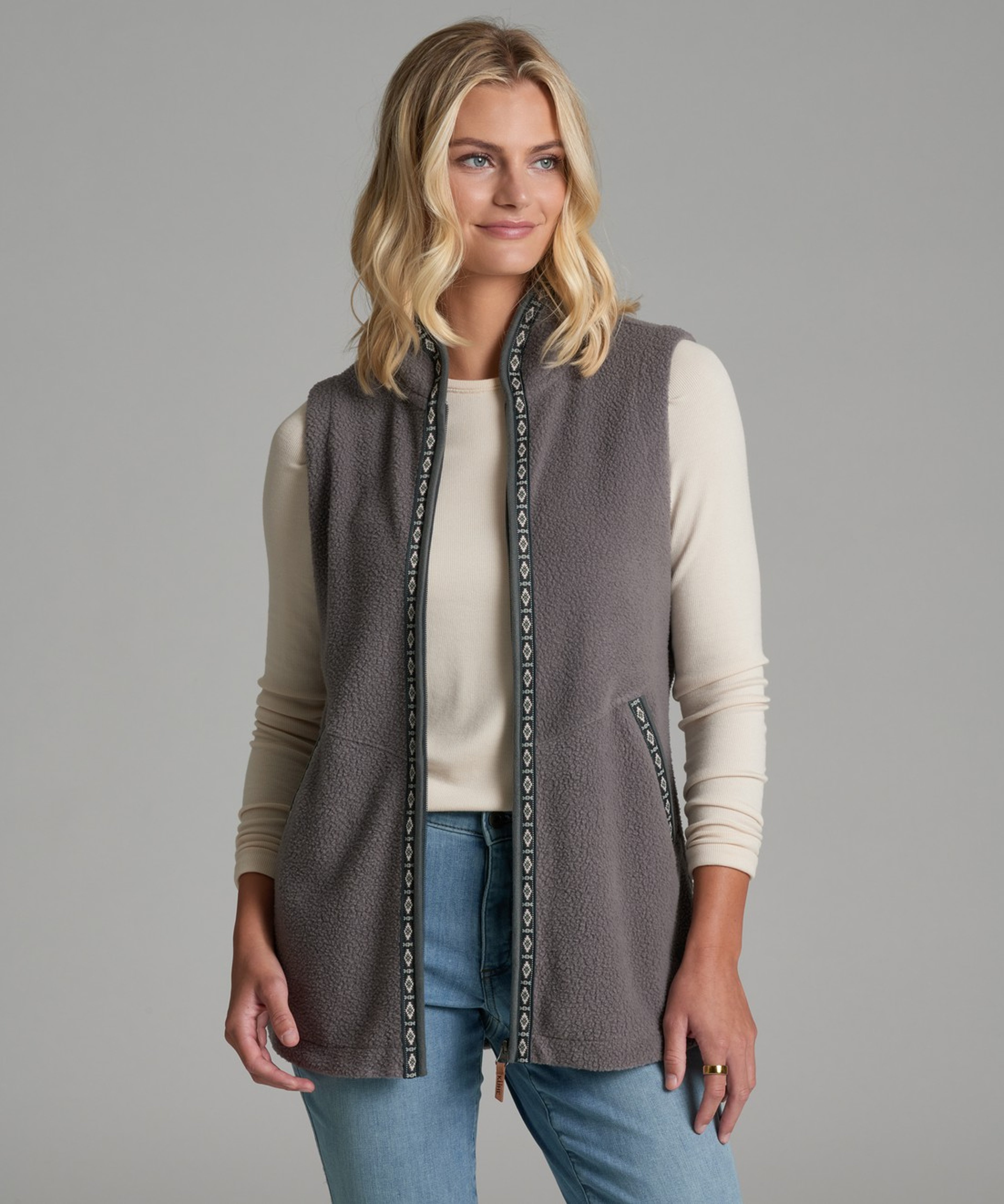
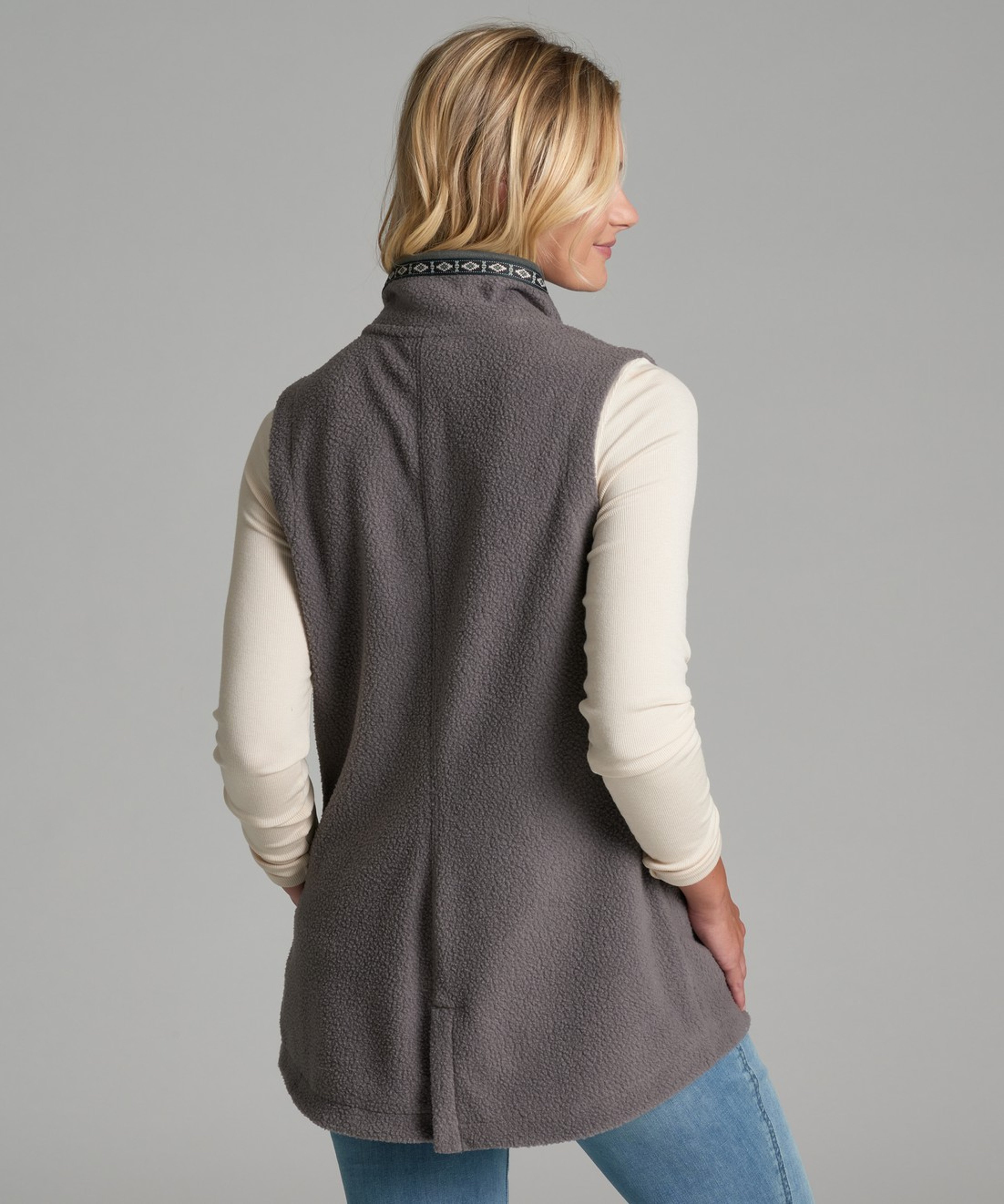
Vest
more
New Color
New Colors
New Colors
New Colors










_category_section_item.jpg)