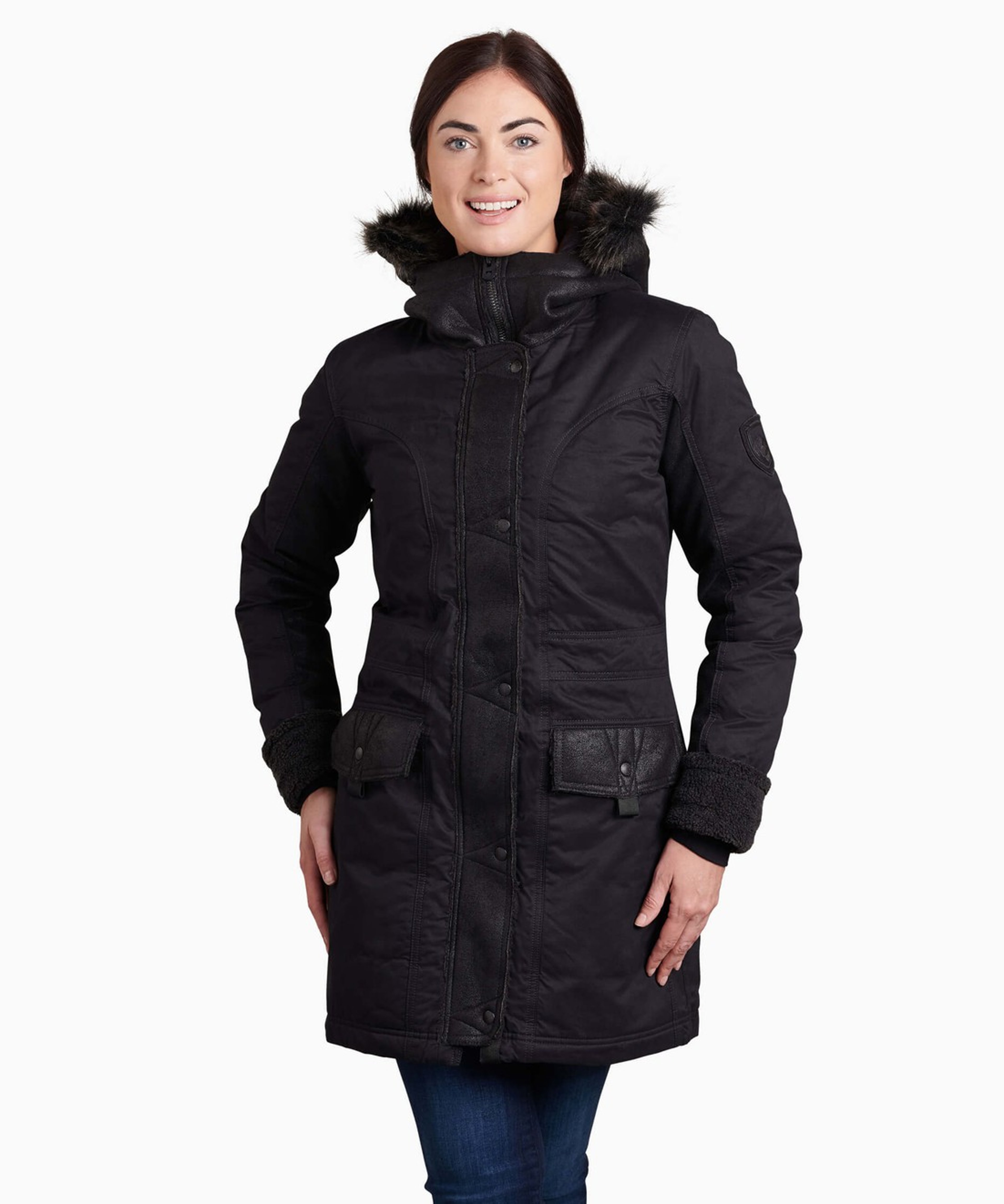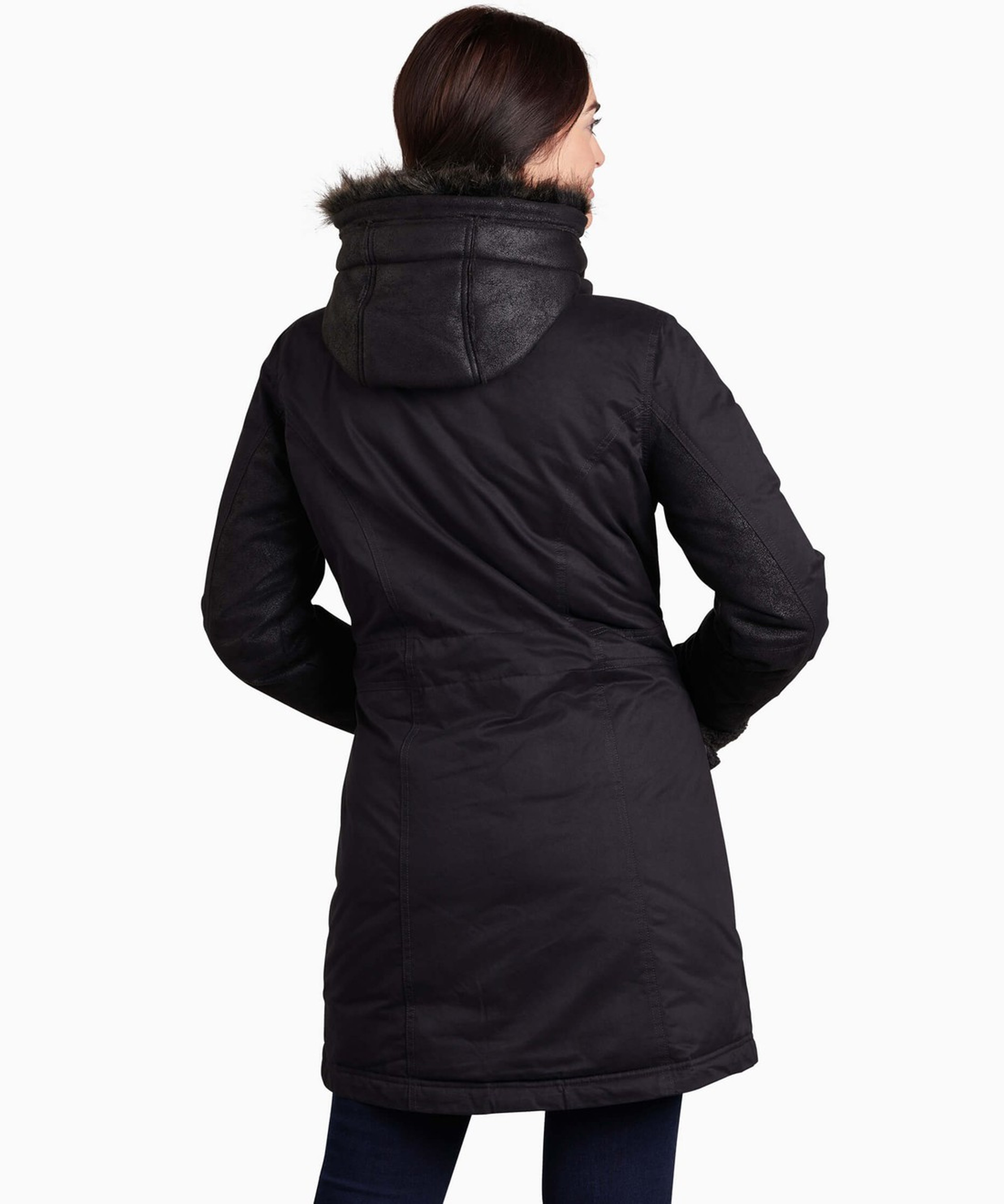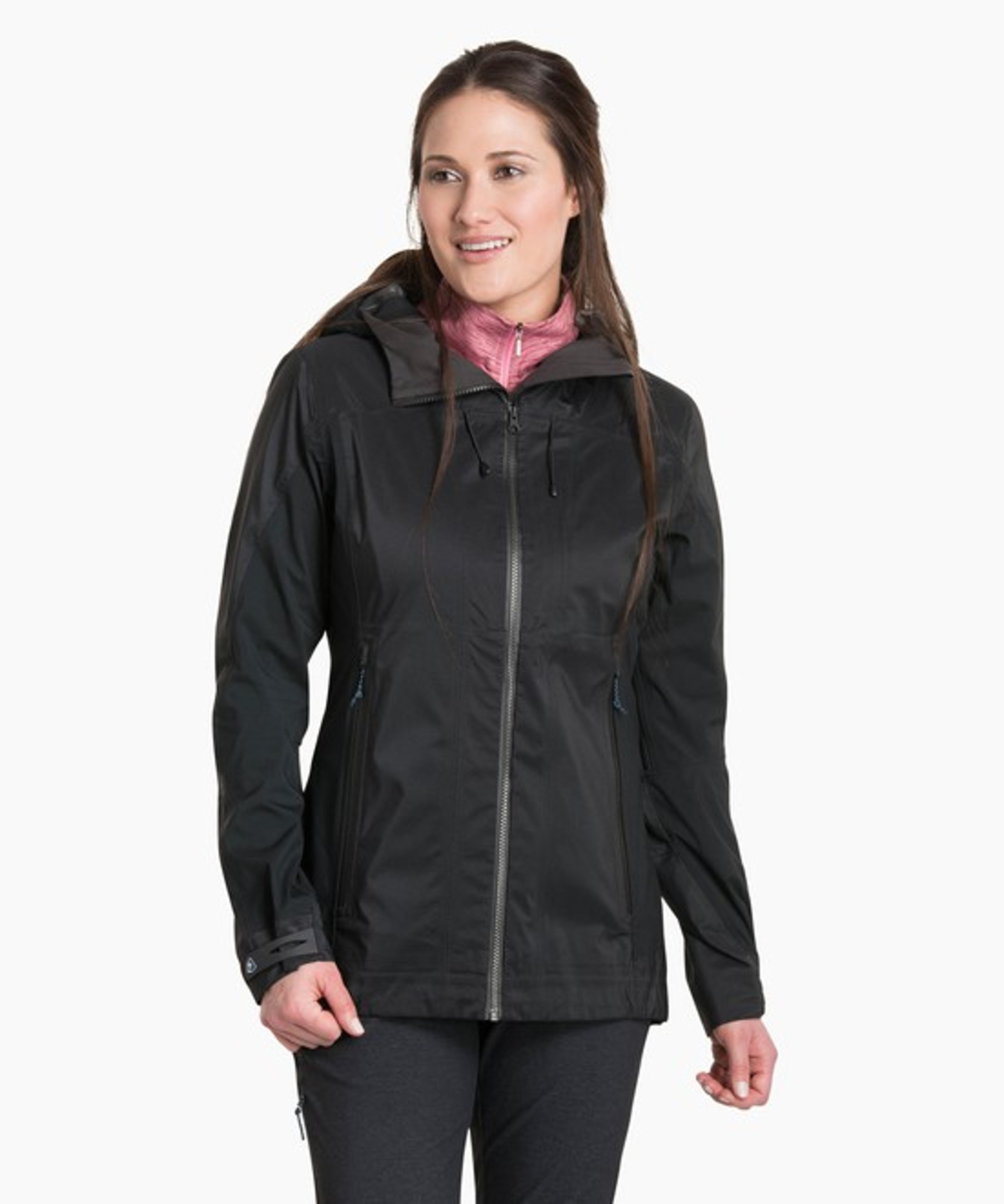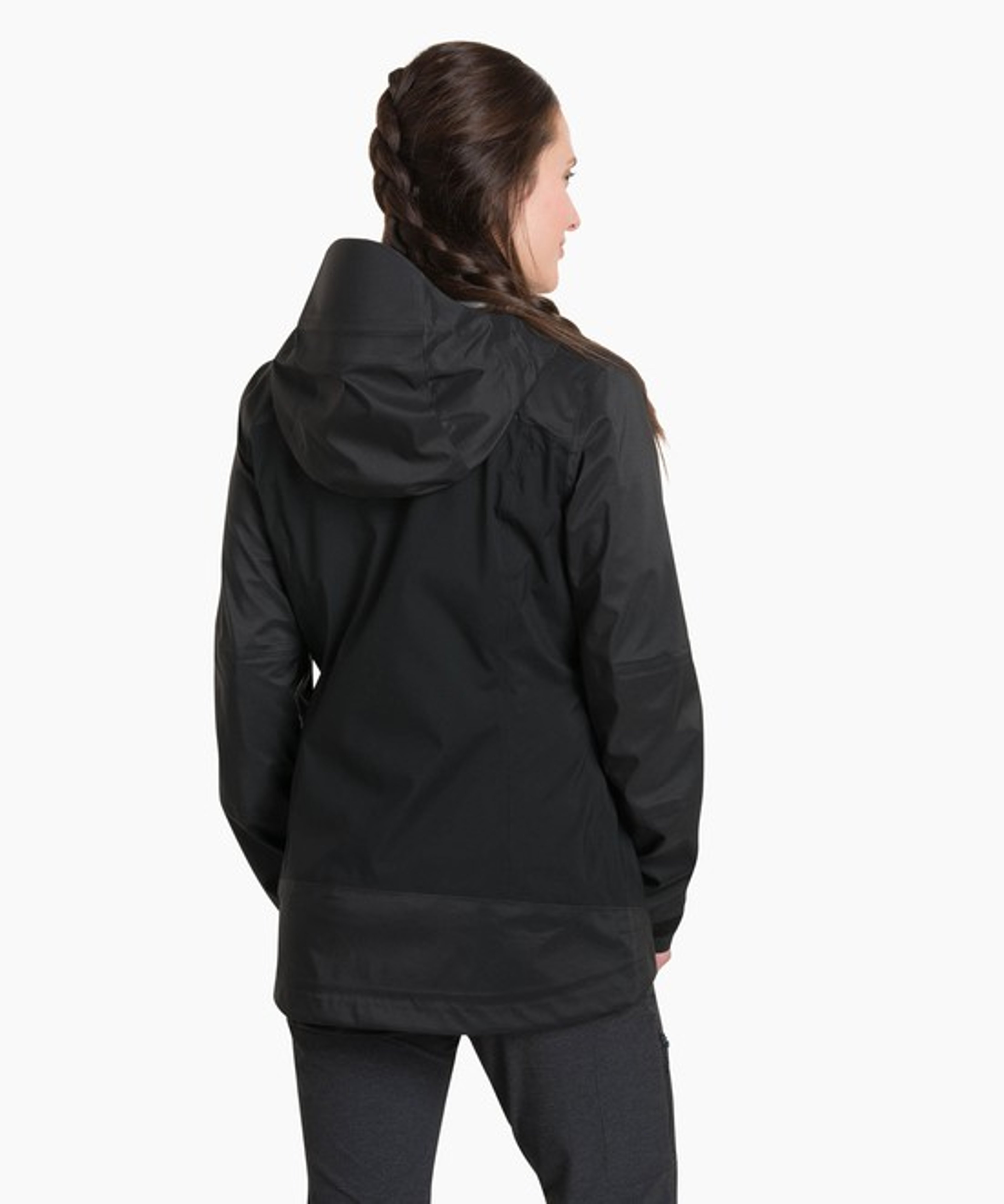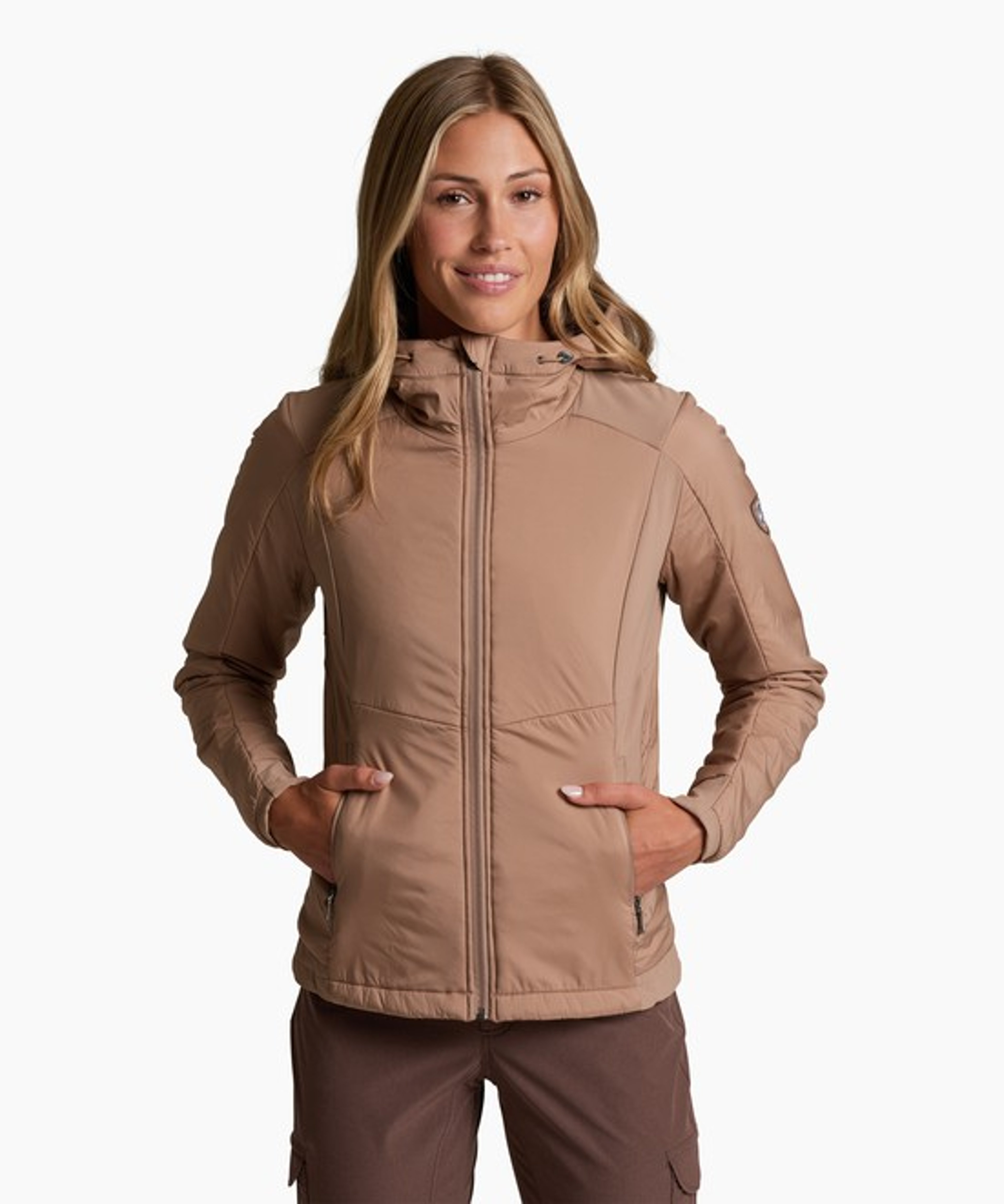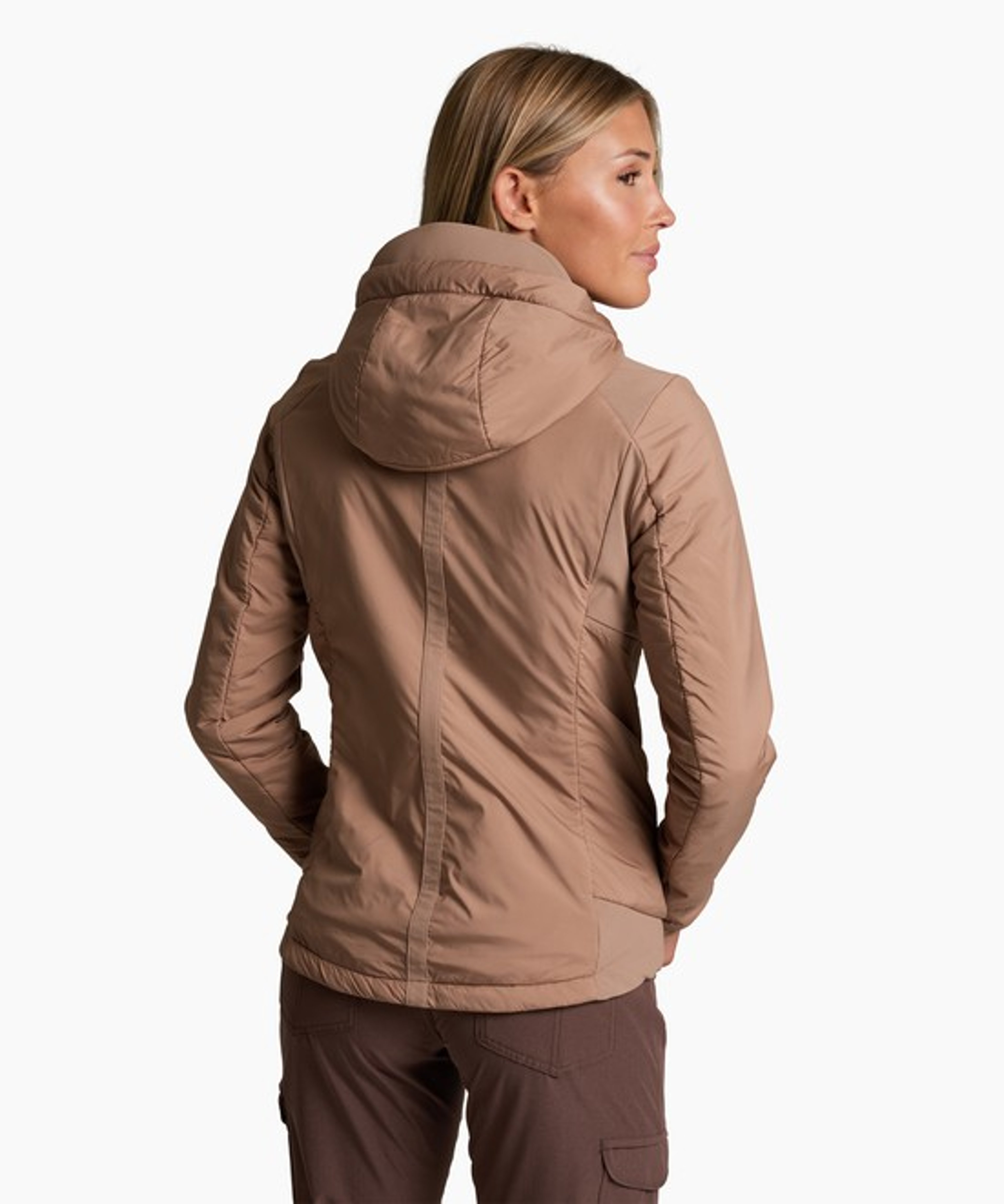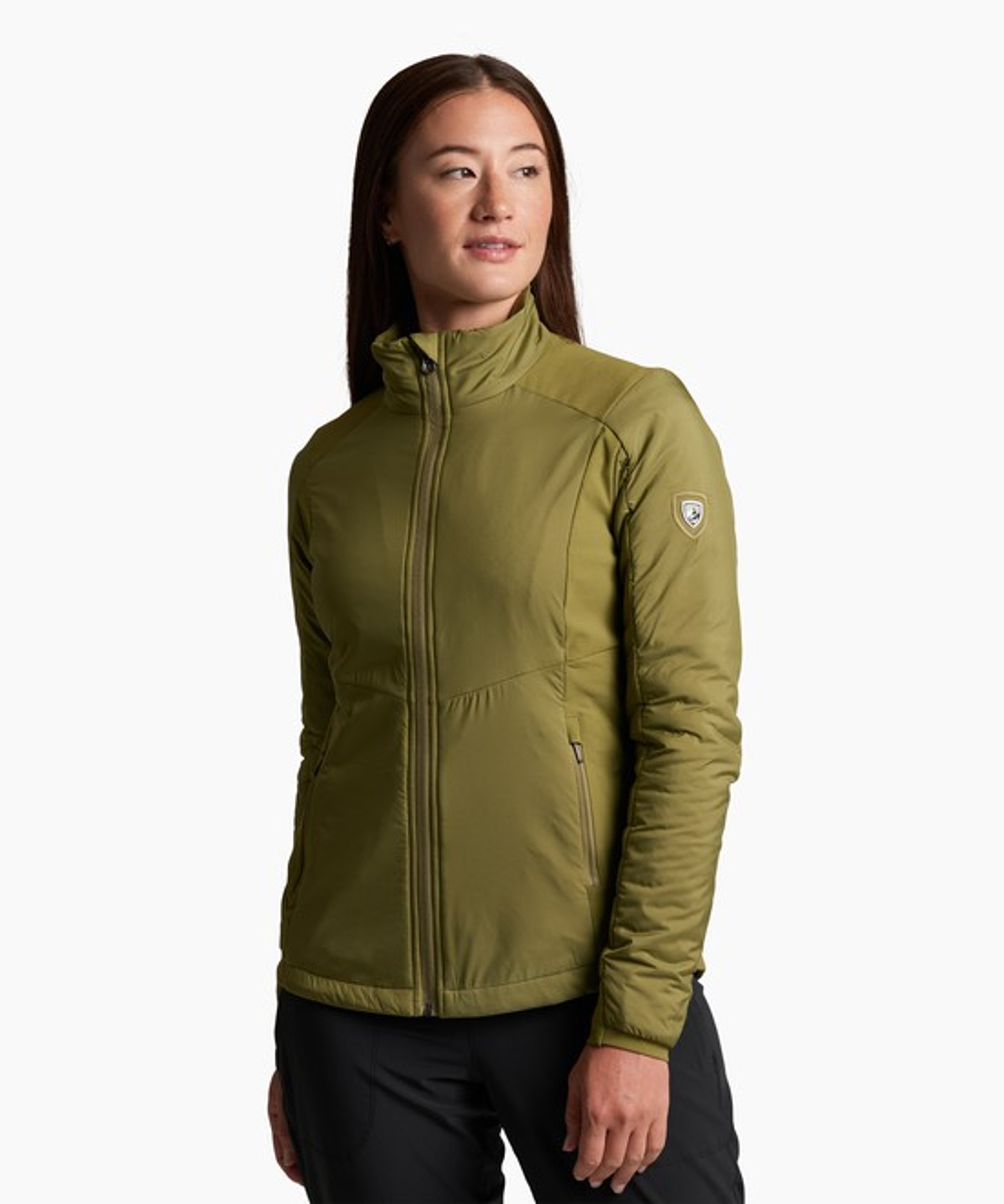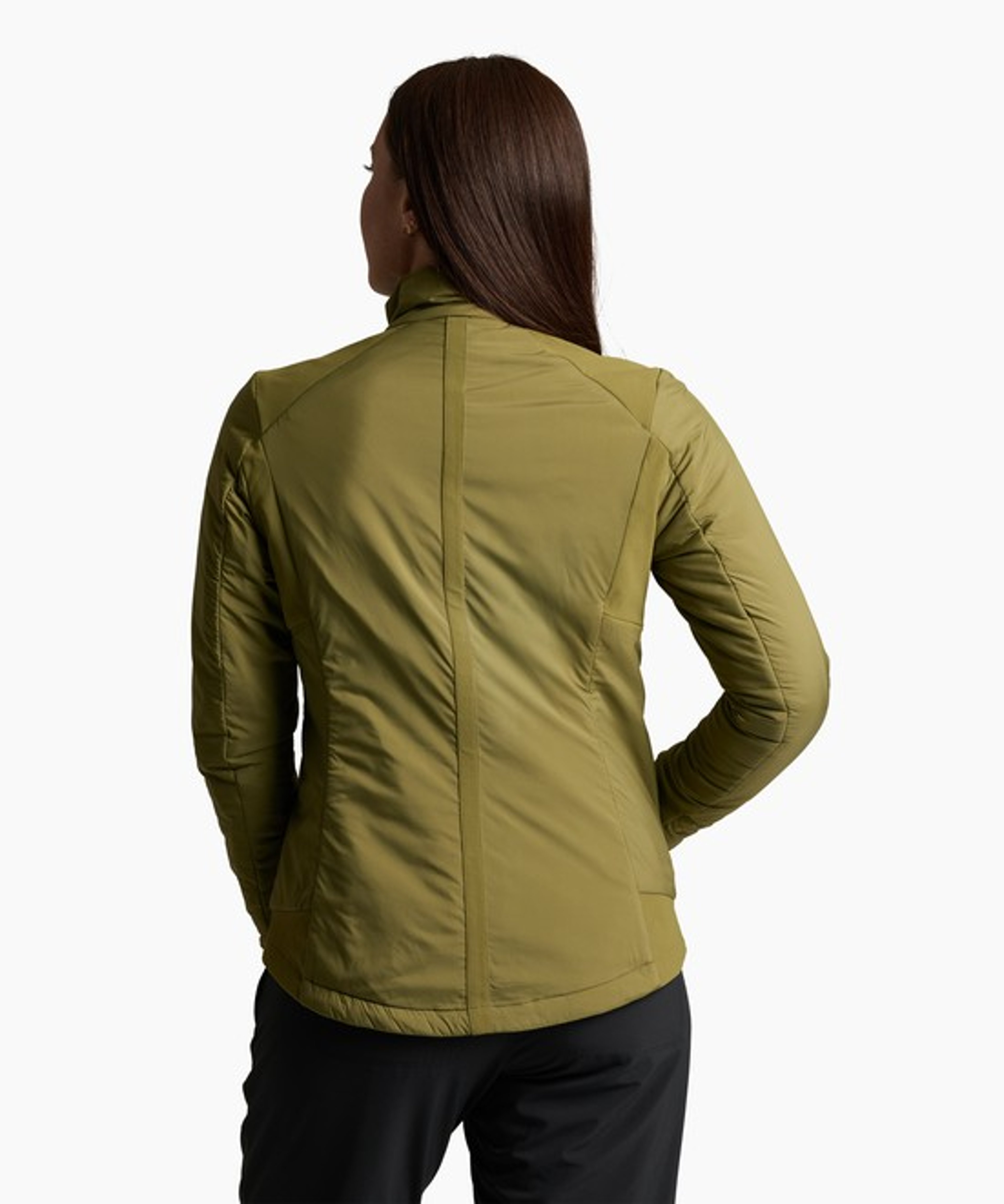






Technical Jackets
Take on Alpine Weather in KÜHL Women's Technical Jackets
Choose from a variety of fabrics, constructions, and features for the women's technical jacket that's right for your conditions:
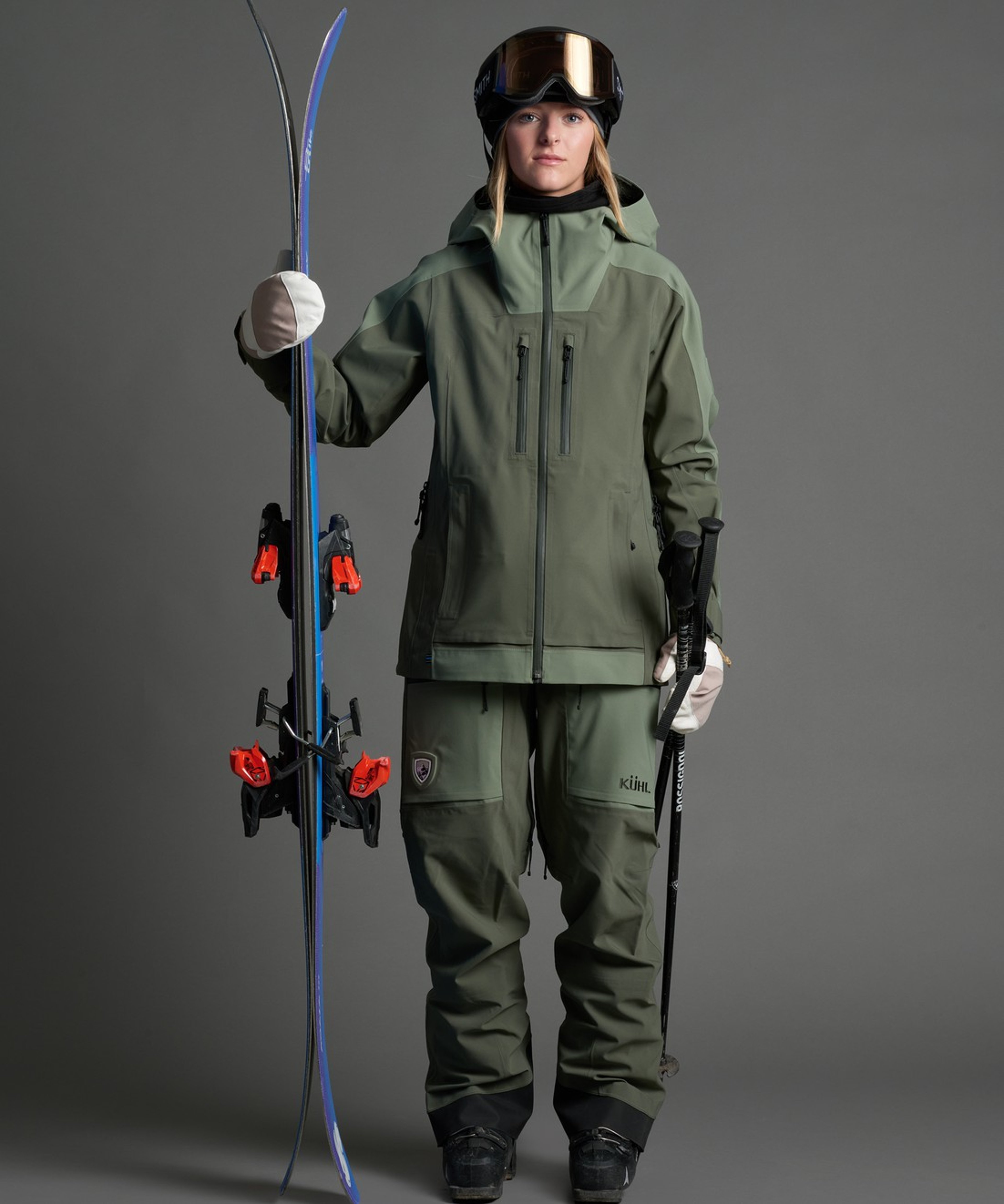
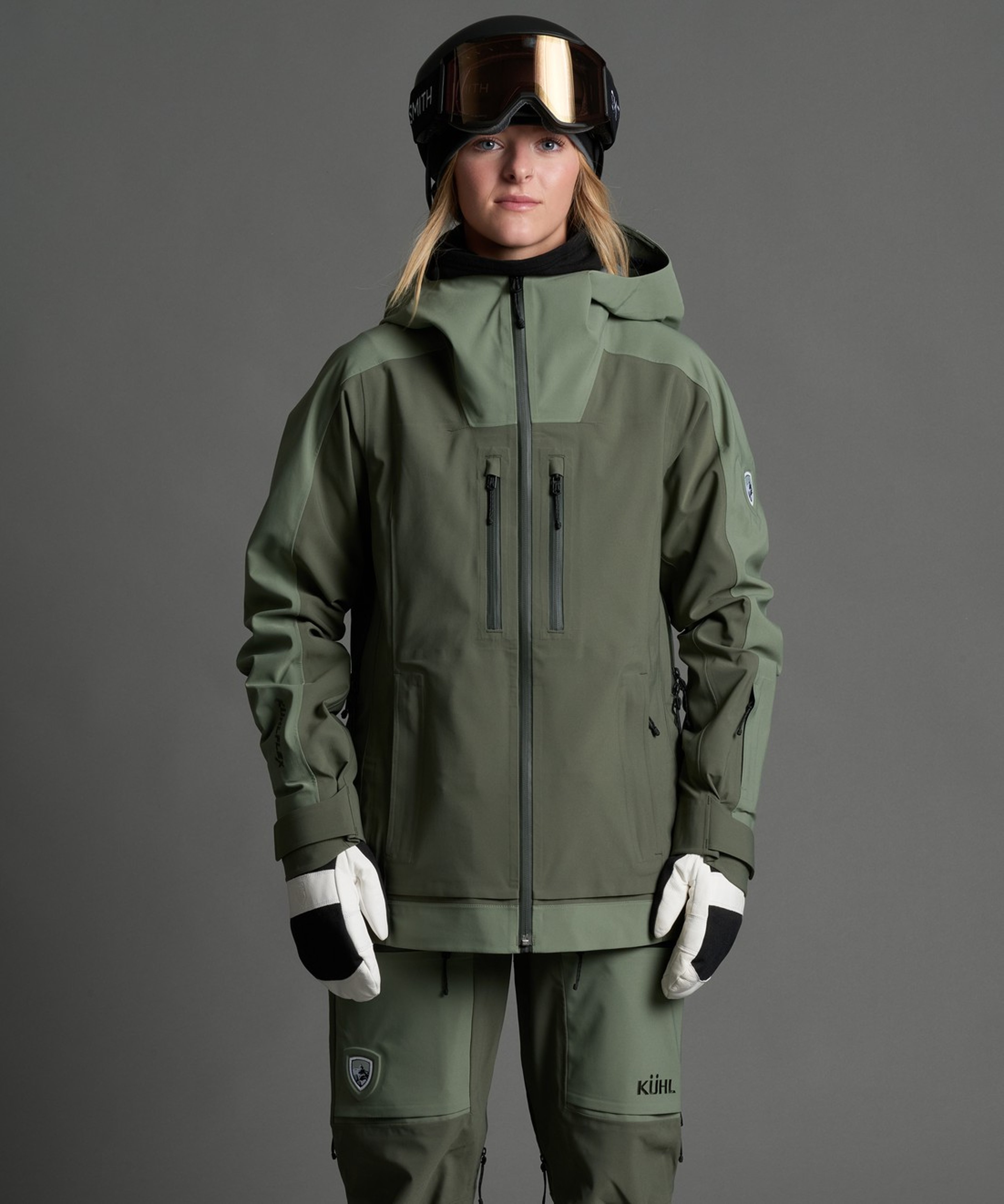
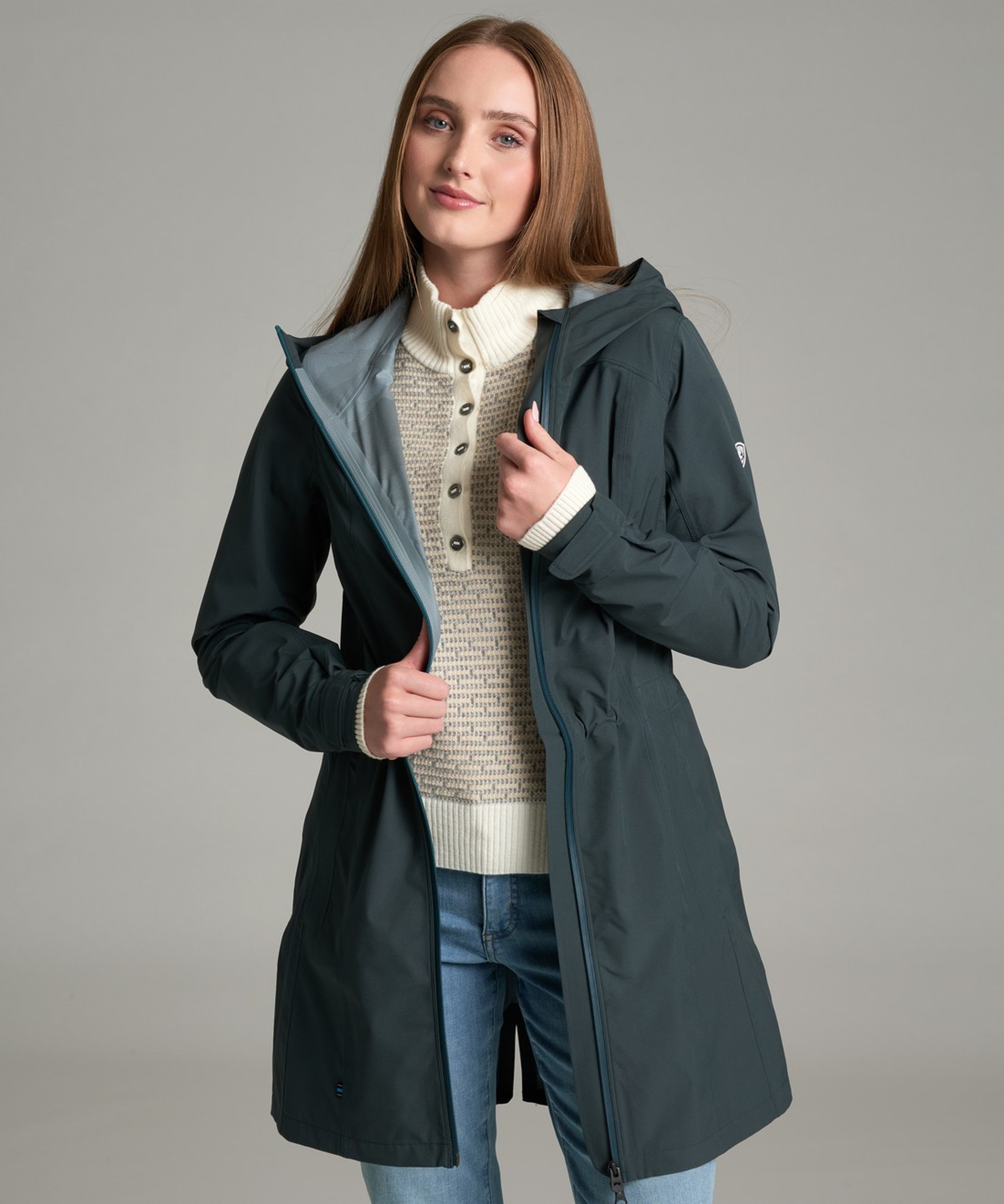
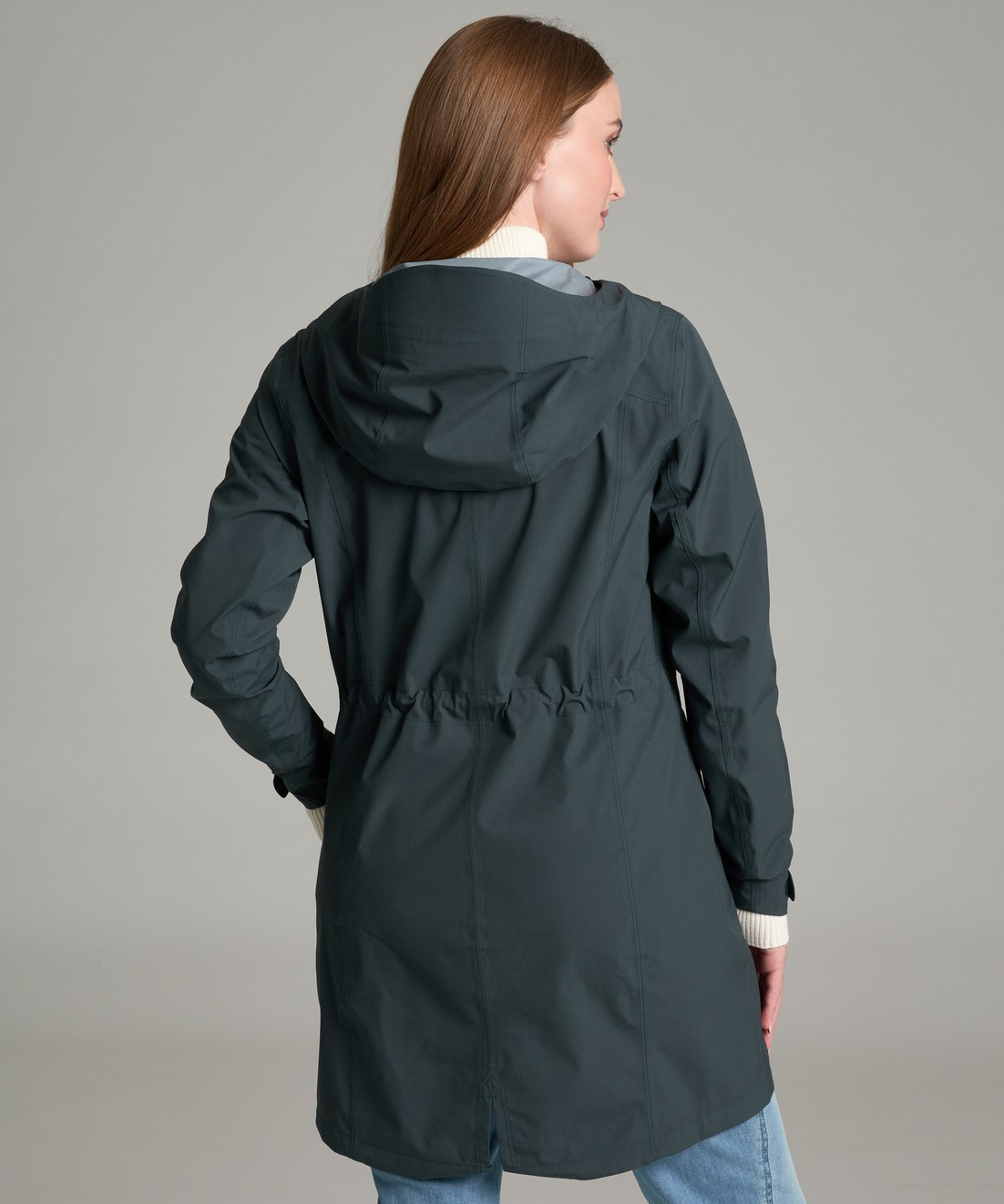
Hardshell Protection. When the forecast turns to sustained rain or driven snow, a waterproof hardshell is the right tool. Look for membrane technology backed by a DWR finish, sealed seams, and water-repellent zippers, the construction recipe behind our most weather-committed shells. A helmet-compatible hood and pit zips matter as much as the face fabric on a long day in the mountains.
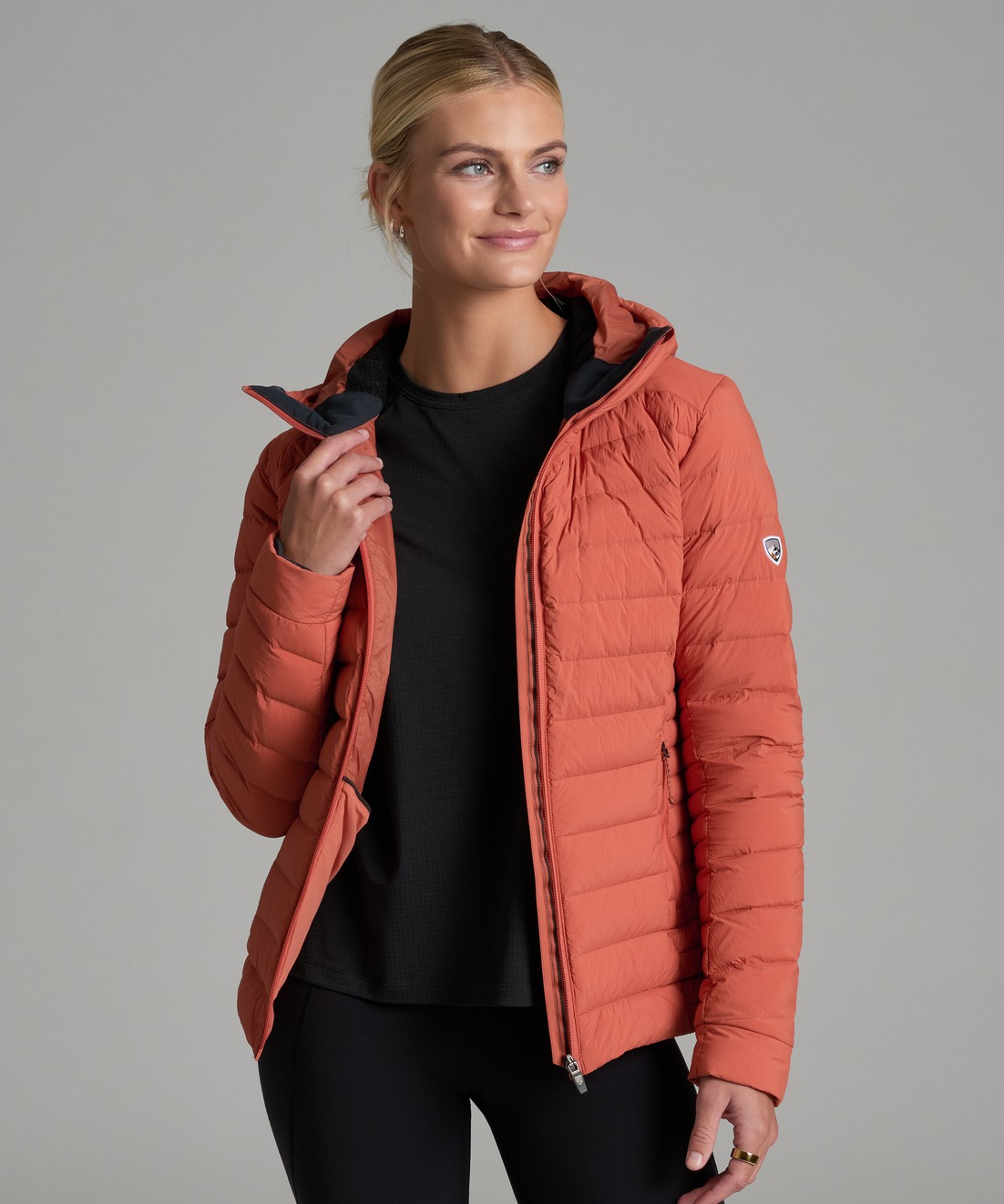
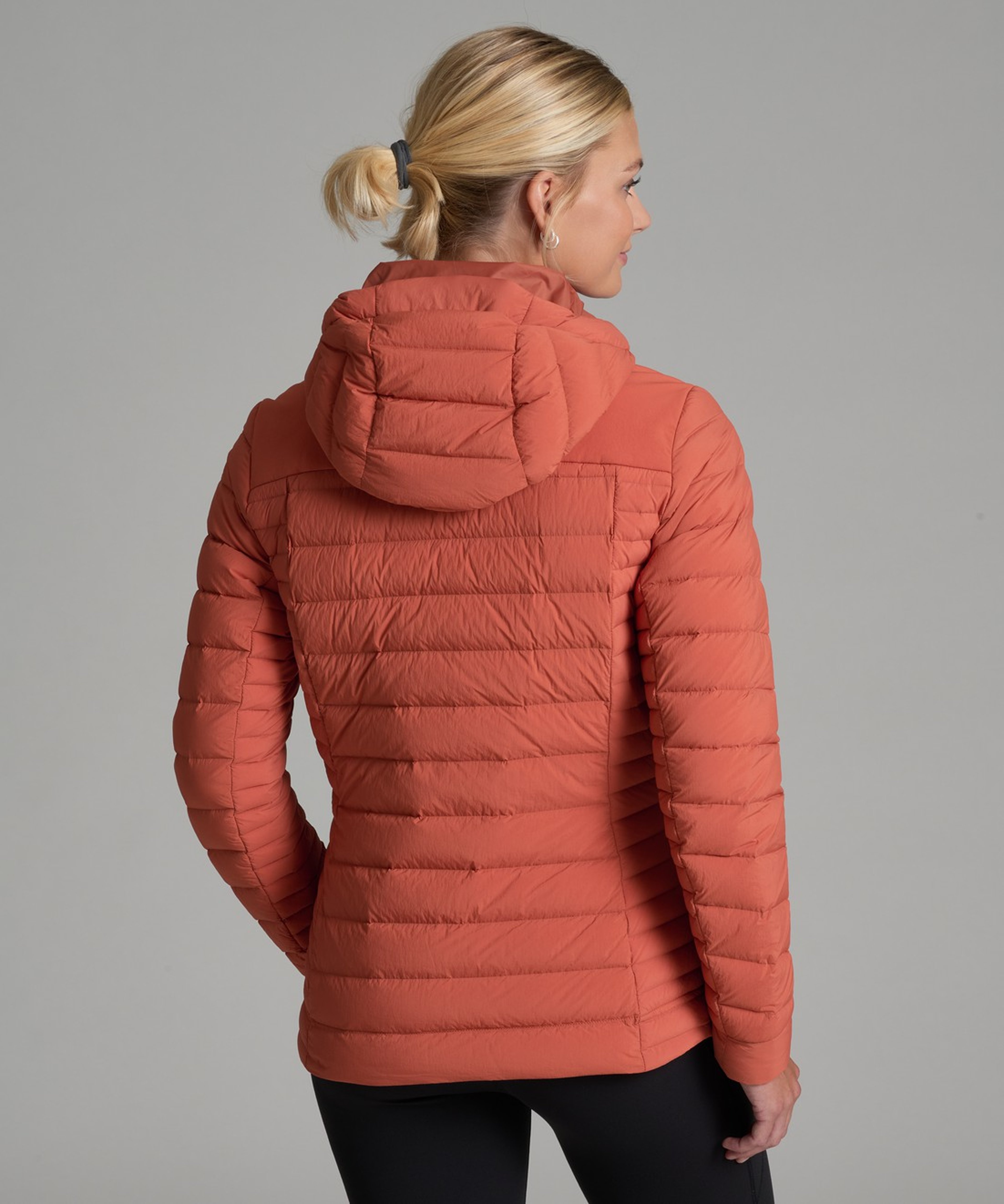
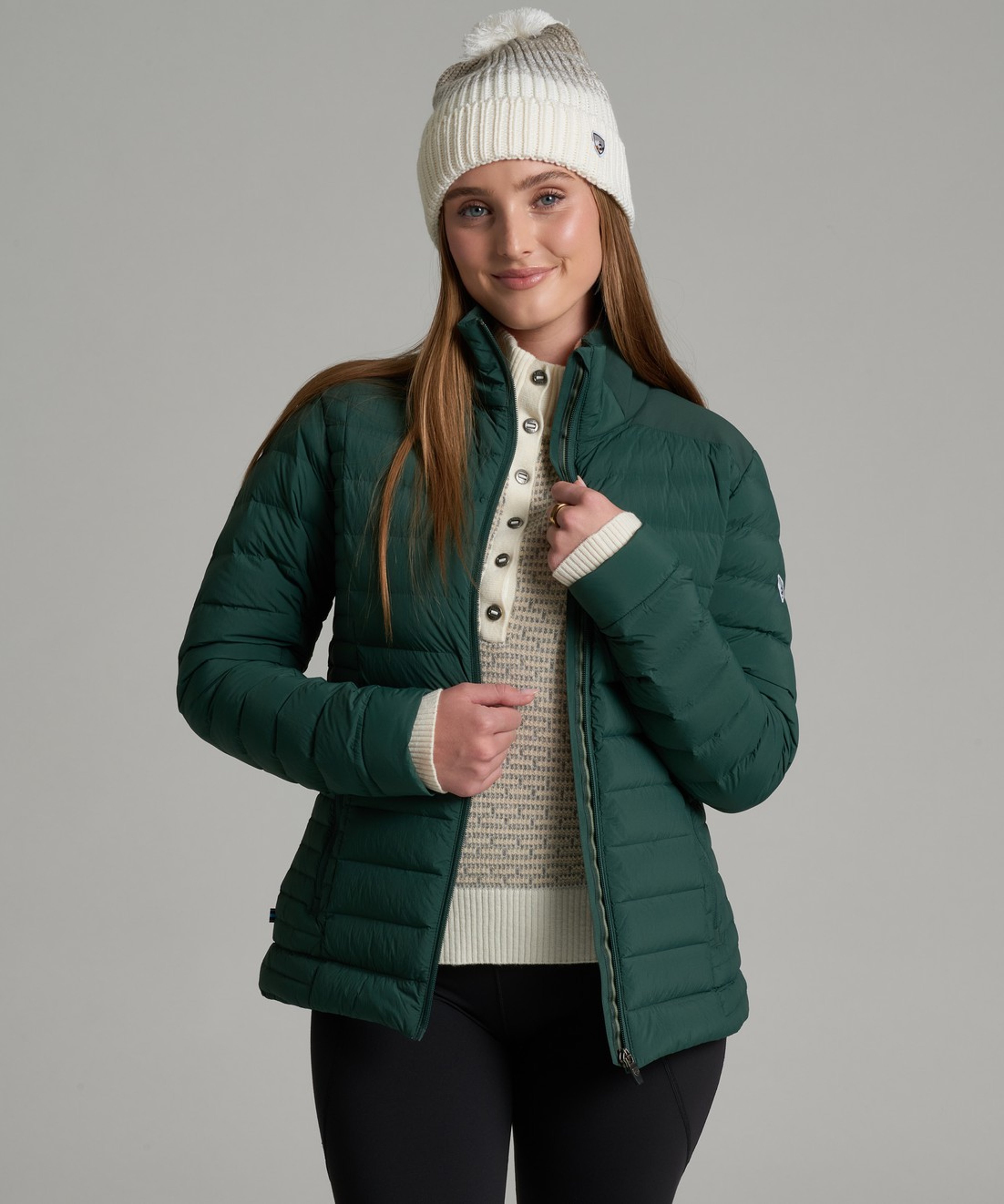
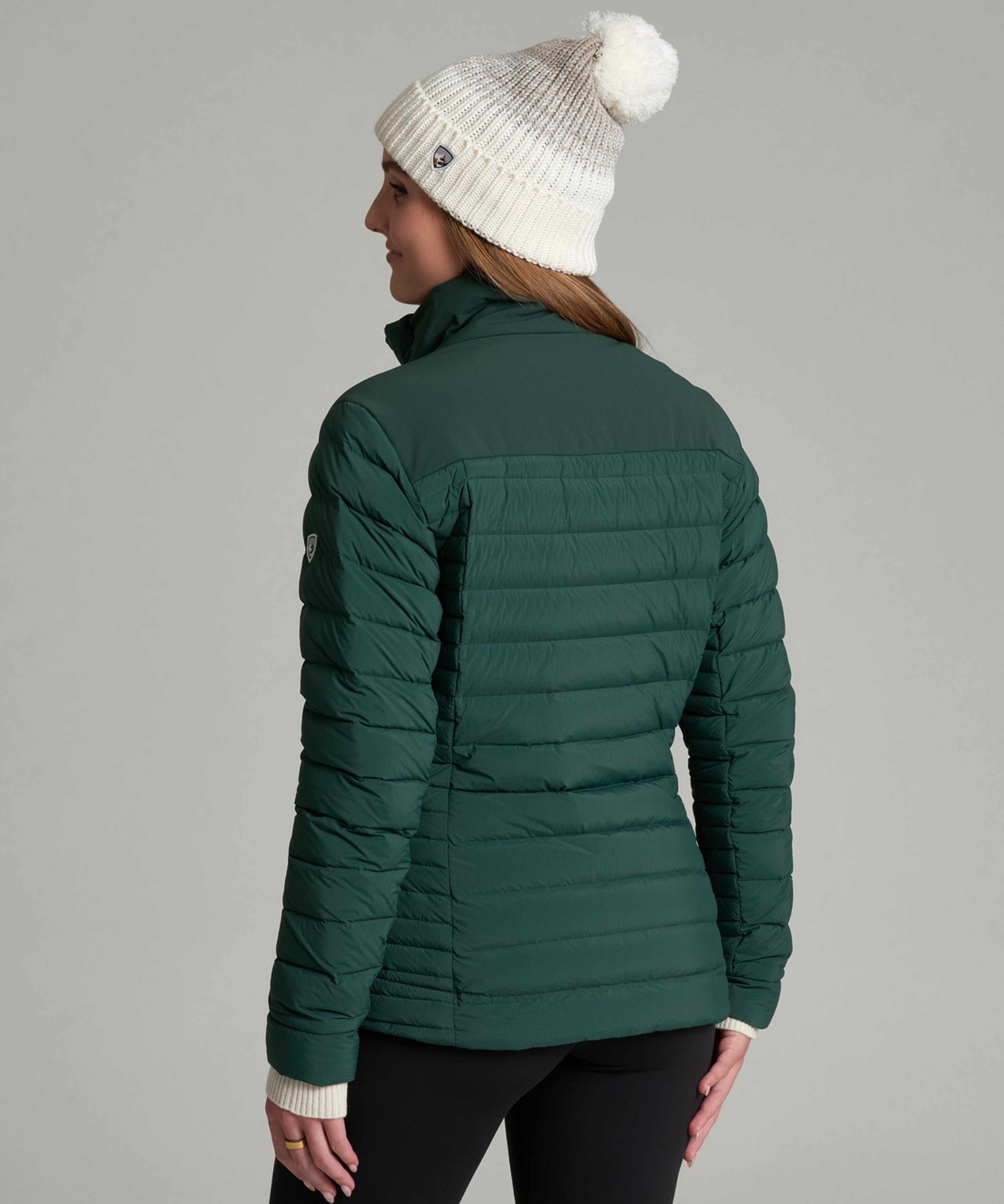
Insulated Warmth. Down-insulated jackets deliver the best warmth-to-weight ratio for cold, dry conditions, with thermal body-mapping that concentrates fill at your core and trims weight where you don't need it. Reinforced ripstop overlays at high-wear zones extend the life of premium fill, and underarm gussets release excess heat during high-output efforts.
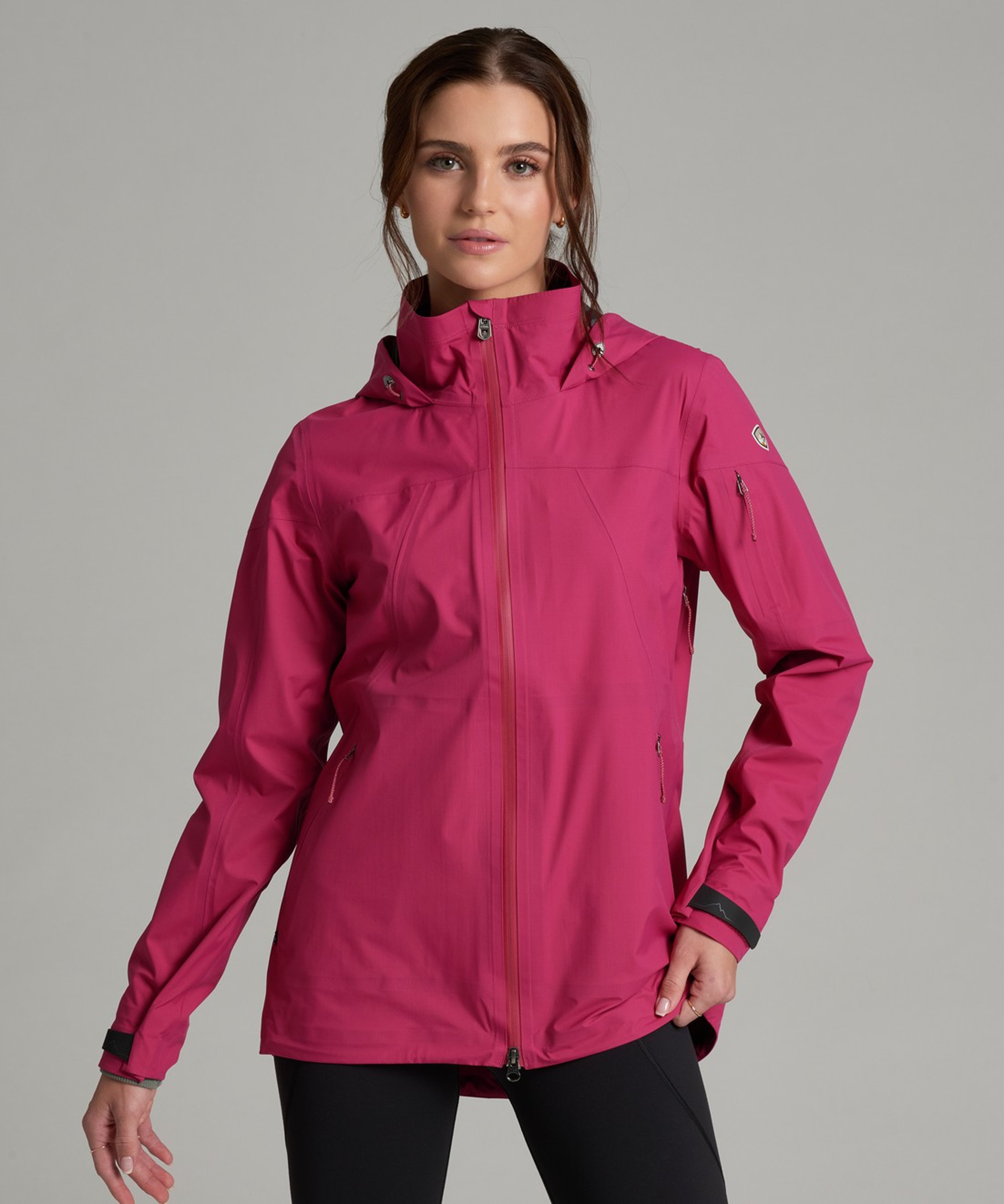
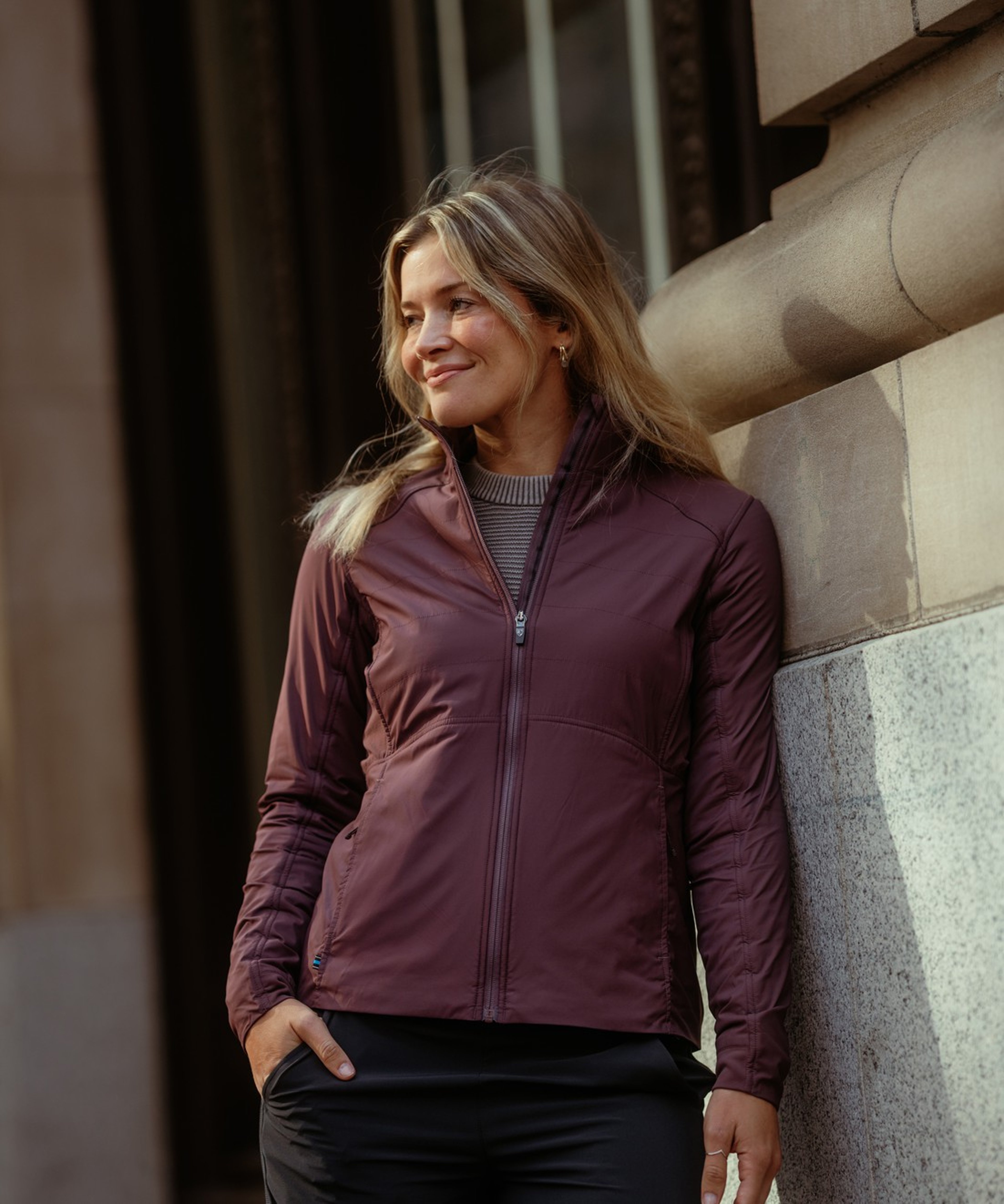
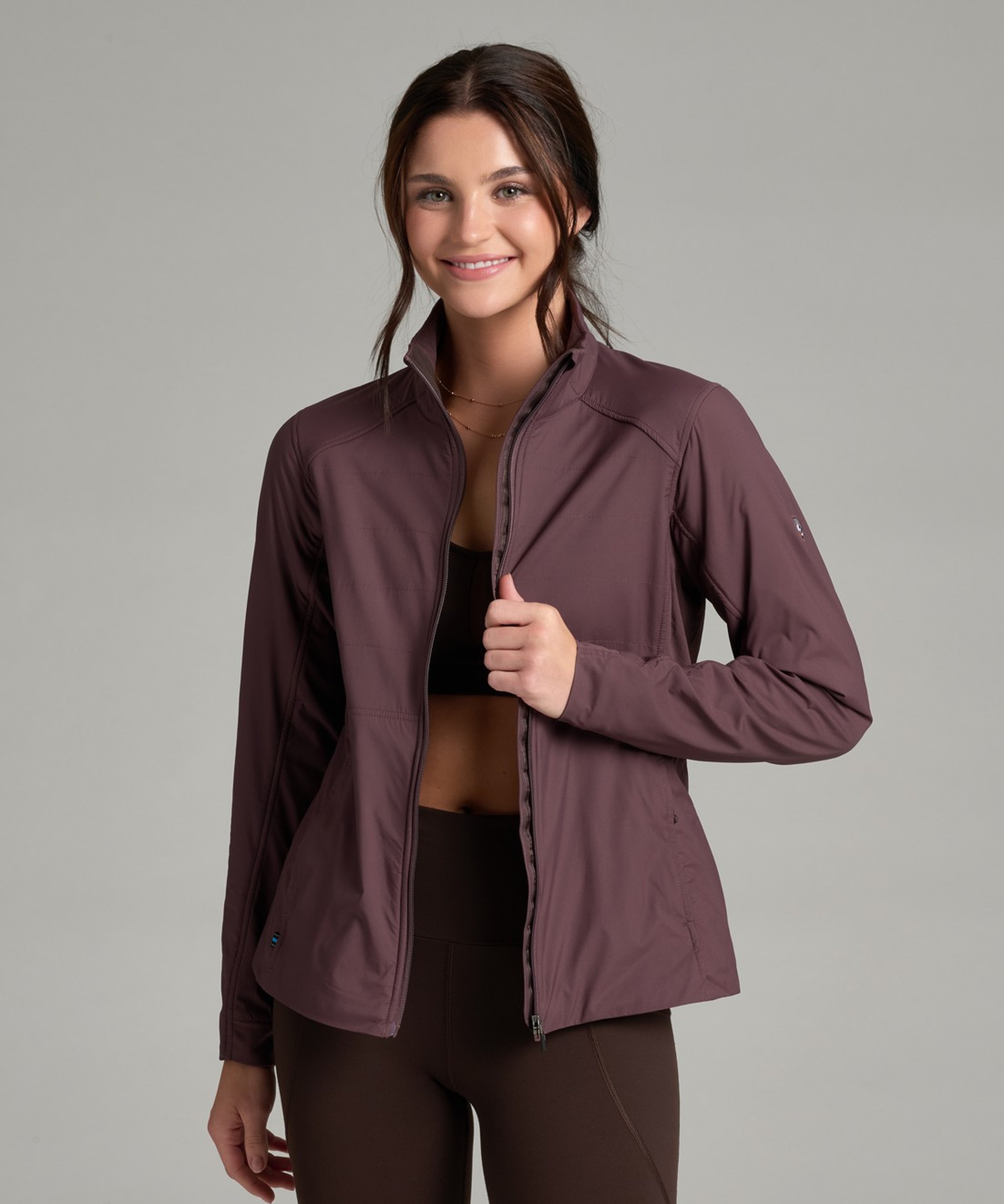
Softshell Versatility. For shoulder-season hiking, scrambling, and aerobic days, a softshell strikes the balance: 4-way stretch for unrestricted movement, a brushed interior for low-bulk warmth, and a DWR finish that sheds light moisture without trapping sweat. These are the jackets you reach for when a hardshell is overkill and a fleece alone isn't enough.
Hybrid Construction. Hybrid shells map different fabrics to the body: waterproof panels at the shoulders, hood, and back where weather hits hardest, paired with breathable stretch at the underarms and sides for ventilation and reach. The result is one jacket that handles the messy middle between dry and soaked.
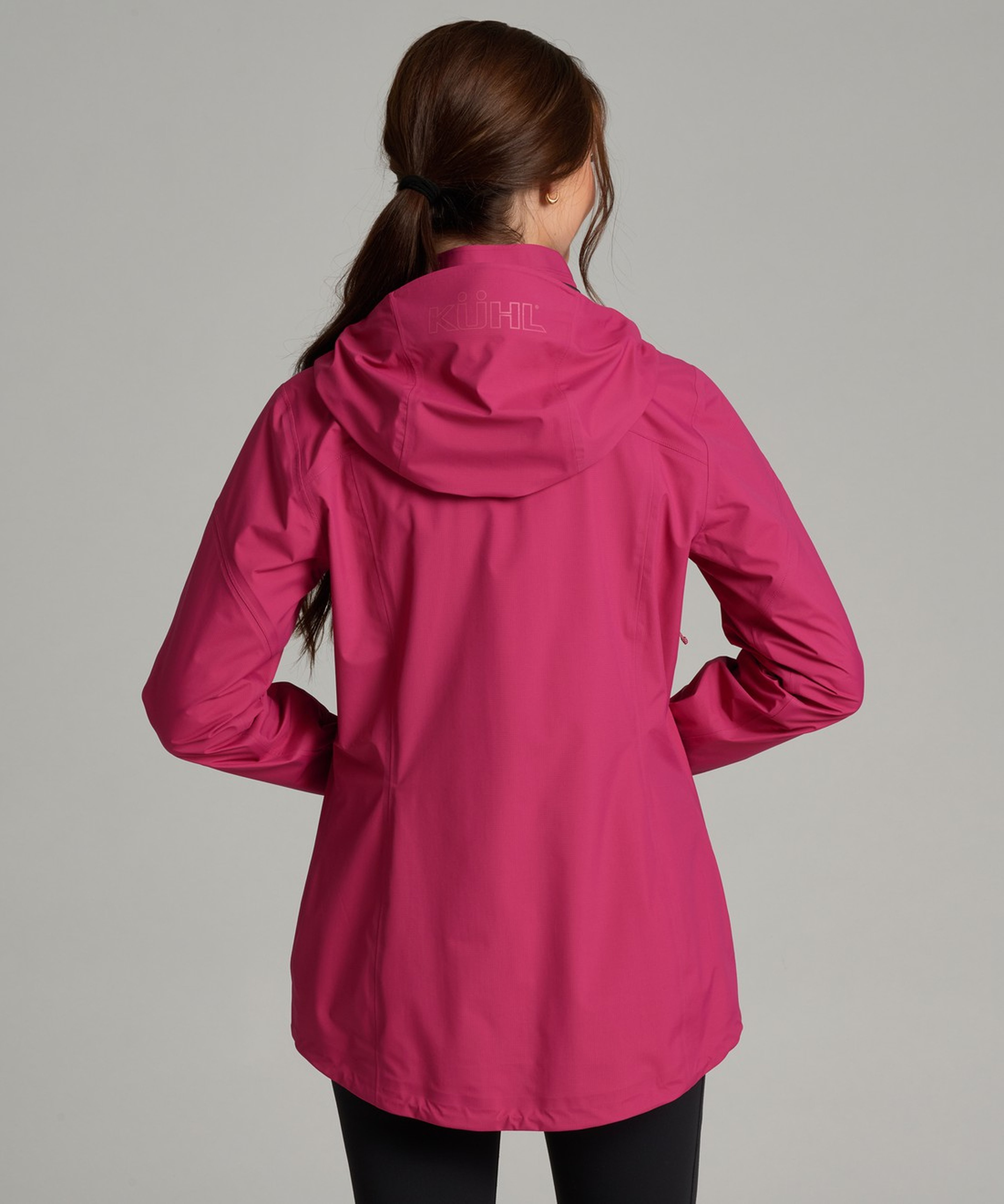
Look for signature touches like articulated sleeves for reach and movement, an adjustable helmet-compatible hood with a laminated brim, pit zips for dump-on-demand ventilation, and pocket placements that stay accessible above a backpack hip belt. For warmer days, layer over our women's fleece, or browse the broader women's outerwear collection to build a complete weather system.
Choose from a variety of fabrics, constructions, and features for the women's technical jacket that's right for your conditions:
Hardshell Protection. When the forecast turns to sustained rain or driven snow, a waterproof hardshell is the right tool. Look for membrane technology backed by a DWR finish, sealed seams, and water-repellent zippers, the construction recipe behind our most weather-committed shells. A helmet-compatible hood and pit zips matter as much as the face fabric on a long day in the mountains.
Insulated Warmth. Down-insulated jackets deliver the best warmth-to-weight ratio for cold, dry conditions, with thermal body-mapping that concentrates fill at your core and trims weight where you don't need it. Reinforced ripstop overlays at high-wear zones extend the life of premium fill, and underarm gussets release excess heat during high-output efforts.
Softshell Versatility. For shoulder-season hiking, scrambling, and aerobic days, a softshell strikes the balance: 4-way stretch for unrestricted movement, a brushed interior for low-bulk warmth, and a DWR finish that sheds light moisture without trapping sweat. These are the jackets you reach for when a hardshell is overkill and a fleece alone isn't enough.
Hybrid Construction. Hybrid shells map different fabrics to the body: waterproof panels at the shoulders, hood, and back where weather hits hardest, paired with breathable stretch at the underarms and sides for ventilation and reach. The result is one jacket that handles the messy middle between dry and soaked.
Look for signature touches like articulated sleeves for reach and movement, an adjustable helmet-compatible hood with a laminated brim, pit zips for dump-on-demand ventilation, and pocket placements that stay accessible above a backpack hip belt. For warmer days, layer over our women's fleece, or browse the broader women's outerwear collection to build a complete weather system.
From all-day rain to sub-freezing summits, find the right women's technical jacket (and the layering logic to make it work) in the answers below.
What should you look for in women's technical jackets?
The best women's technical jackets match the jacket type to the weather you'll actually face: hardshell for sustained rain, softshell for breathable active use, insulated for cold and dry, and hybrid construction for the messy middle.
Beyond category fit, prioritize four things: waterproofing rated for your conditions (a DWR finish for light moisture, taped seams and a membrane for driven rain), ventilation (pit zips, mesh-lined panels), layering room with articulated sleeves so a base and midlayer don't restrict movement, and durable face fabrics like ripstop nylon that survive contact with a pack and brush.
Beyond category fit, prioritize four things: waterproofing rated for your conditions (a DWR finish for light moisture, taped seams and a membrane for driven rain), ventilation (pit zips, mesh-lined panels), layering room with articulated sleeves so a base and midlayer don't restrict movement, and durable face fabrics like ripstop nylon that survive contact with a pack and brush.
What's the difference between a hardshell, softshell, and insulated jacket?
A hardshell is a fully waterproof, windproof outer layer built for sustained rain and snow. A softshell is breathable and stretchy for active use in dry or lightly wet weather. An insulated jacket exists to add warmth, either alone or under a shell.
Hardshells use membrane technology, sealed seams, and water-repellent zippers. They trade some breathability for full weatherproofing. Softshells use a DWR finish and 4-way stretch to handle wind and intermittent moisture while you move hard. Insulated jackets carry down or synthetic fill behind a wind-resistant face fabric. Many people own all three. For waterproof-first options, see our women's rain jackets.
Hardshells use membrane technology, sealed seams, and water-repellent zippers. They trade some breathability for full weatherproofing. Softshells use a DWR finish and 4-way stretch to handle wind and intermittent moisture while you move hard. Insulated jackets carry down or synthetic fill behind a wind-resistant face fabric. Many people own all three. For waterproof-first options, see our women's rain jackets.
How do you choose between down and synthetic insulation?
Choose down for cold, dry conditions where warmth-to-weight matters most. Choose synthetic when you expect to get wet or are working hard.
Down delivers more warmth per ounce than any synthetic fill, packs down smaller, and lasts longer if you care for it, ideal for alpine cold, winter travel, and trips where weight on your back matters. Its weakness is moisture: wet down clumps and loses loft. Synthetic insulation handles damp conditions better, keeps insulating when wet, and tends to cost less, but it's bulkier and heavier for the same warmth. Body-mapped down jackets with water-resistant face fabrics narrow the gap for mixed conditions. Browse our women's down jackets for cold-weather options.
Down delivers more warmth per ounce than any synthetic fill, packs down smaller, and lasts longer if you care for it, ideal for alpine cold, winter travel, and trips where weight on your back matters. Its weakness is moisture: wet down clumps and loses loft. Synthetic insulation handles damp conditions better, keeps insulating when wet, and tends to cost less, but it's bulkier and heavier for the same warmth. Body-mapped down jackets with water-resistant face fabrics narrow the gap for mixed conditions. Browse our women's down jackets for cold-weather options.
Are technical jackets waterproof or just water-resistant?
It depends on the jacket: a DWR finish makes a fabric water-resistant, while a true waterproof jacket adds a membrane and sealed seams to keep out sustained rain.
Water-resistant pieces (most softshells, insulated jackets, and windbreakers) shed light rain and mist for a while, then eventually wet through. Waterproof hardshells use a membrane behind the face fabric, taped or welded seams, and water-repellent zippers to block driven rain for hours at a time. Check the construction: 3-layer shells deliver maximum durability and weather protection, while 2.5-layer shells trade some longevity for lower weight and packability.
Water-resistant pieces (most softshells, insulated jackets, and windbreakers) shed light rain and mist for a while, then eventually wet through. Waterproof hardshells use a membrane behind the face fabric, taped or welded seams, and water-repellent zippers to block driven rain for hours at a time. Check the construction: 3-layer shells deliver maximum durability and weather protection, while 2.5-layer shells trade some longevity for lower weight and packability.
How should a technical jacket fit for layering?
A technical jacket should fit close but not tight, with enough room for a base layer and a midweight fleece or insulated piece underneath without restricting movement.
Raise your arms overhead. The hem shouldn't ride past your waist, and the sleeves shouldn't pull back from your wrists. Articulated or gusseted sleeves preserve range of motion when you reach, climb, or swing trekking poles. Check the hood next: it should rotate with your head and accommodate a beanie or helmet if you'll use one. A trim-to-regular cut layers cleanly. An oversized cut adds dead air space that cuts both warmth and breathability.
Raise your arms overhead. The hem shouldn't ride past your waist, and the sleeves shouldn't pull back from your wrists. Articulated or gusseted sleeves preserve range of motion when you reach, climb, or swing trekking poles. Check the hood next: it should rotate with your head and accommodate a beanie or helmet if you'll use one. A trim-to-regular cut layers cleanly. An oversized cut adds dead air space that cuts both warmth and breathability.
What features matter most when hiking or backpacking?
For trail use, prioritize pit zips, a helmet-compatible hood, packability, and pocket placements that stay reachable above a hip belt.
Pit zips dump heat fast on steep climbs without forcing you to stop and shed the jacket. An adjustable hood with a laminated brim keeps rain out of your eyes when conditions turn. Stuff-into-own-pocket designs with carabiner loops clip to a pack strap when the weather clears. Ripstop face fabrics survive trail brush and shoulder-strap abrasion. And chest or upper-arm pockets matter more than hand pockets in the field. Hand pockets disappear under a hip belt the moment you load a pack.
Pit zips dump heat fast on steep climbs without forcing you to stop and shed the jacket. An adjustable hood with a laminated brim keeps rain out of your eyes when conditions turn. Stuff-into-own-pocket designs with carabiner loops clip to a pack strap when the weather clears. Ripstop face fabrics survive trail brush and shoulder-strap abrasion. And chest or upper-arm pockets matter more than hand pockets in the field. Hand pockets disappear under a hip belt the moment you load a pack.