










Women's Windbreakers
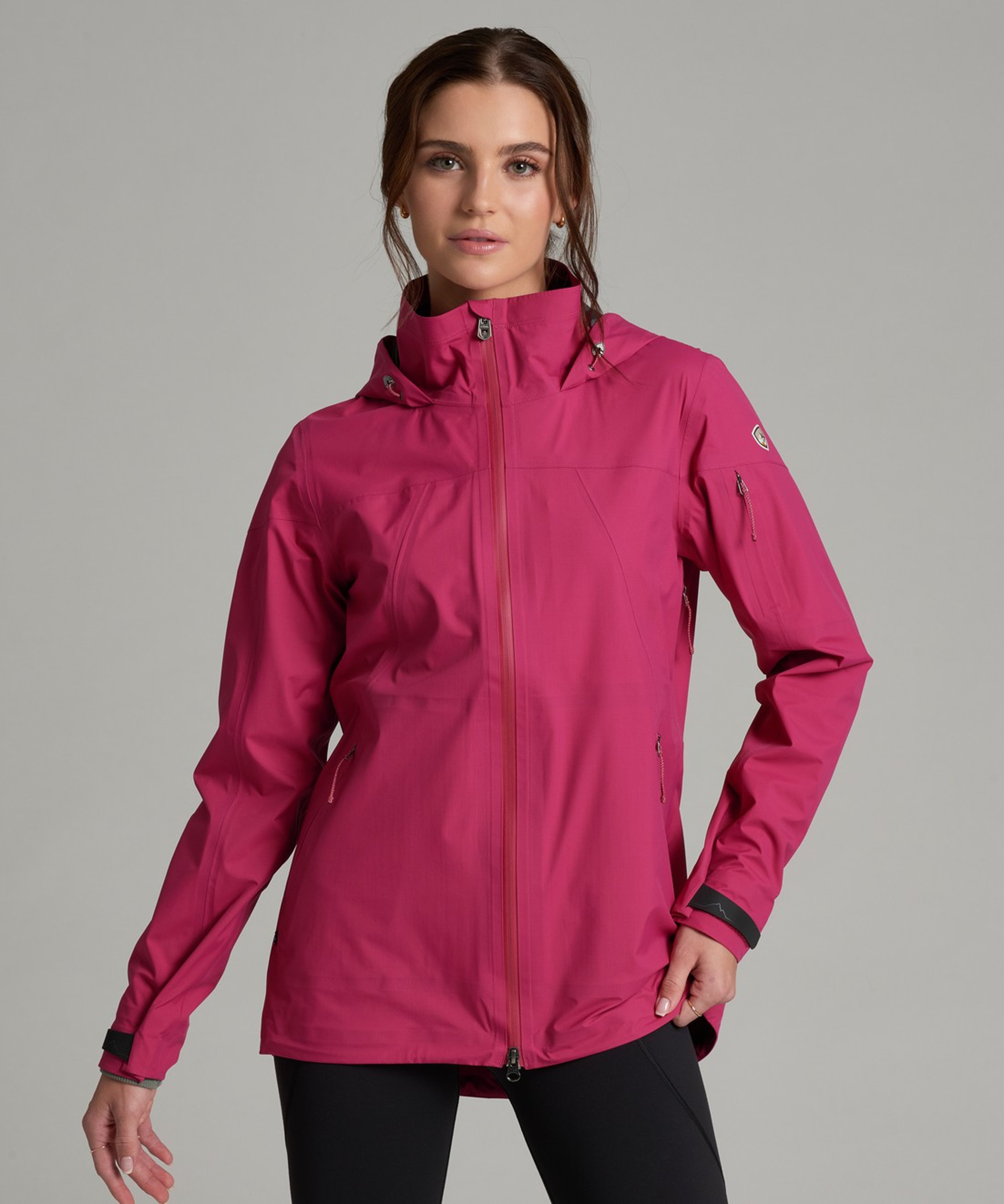
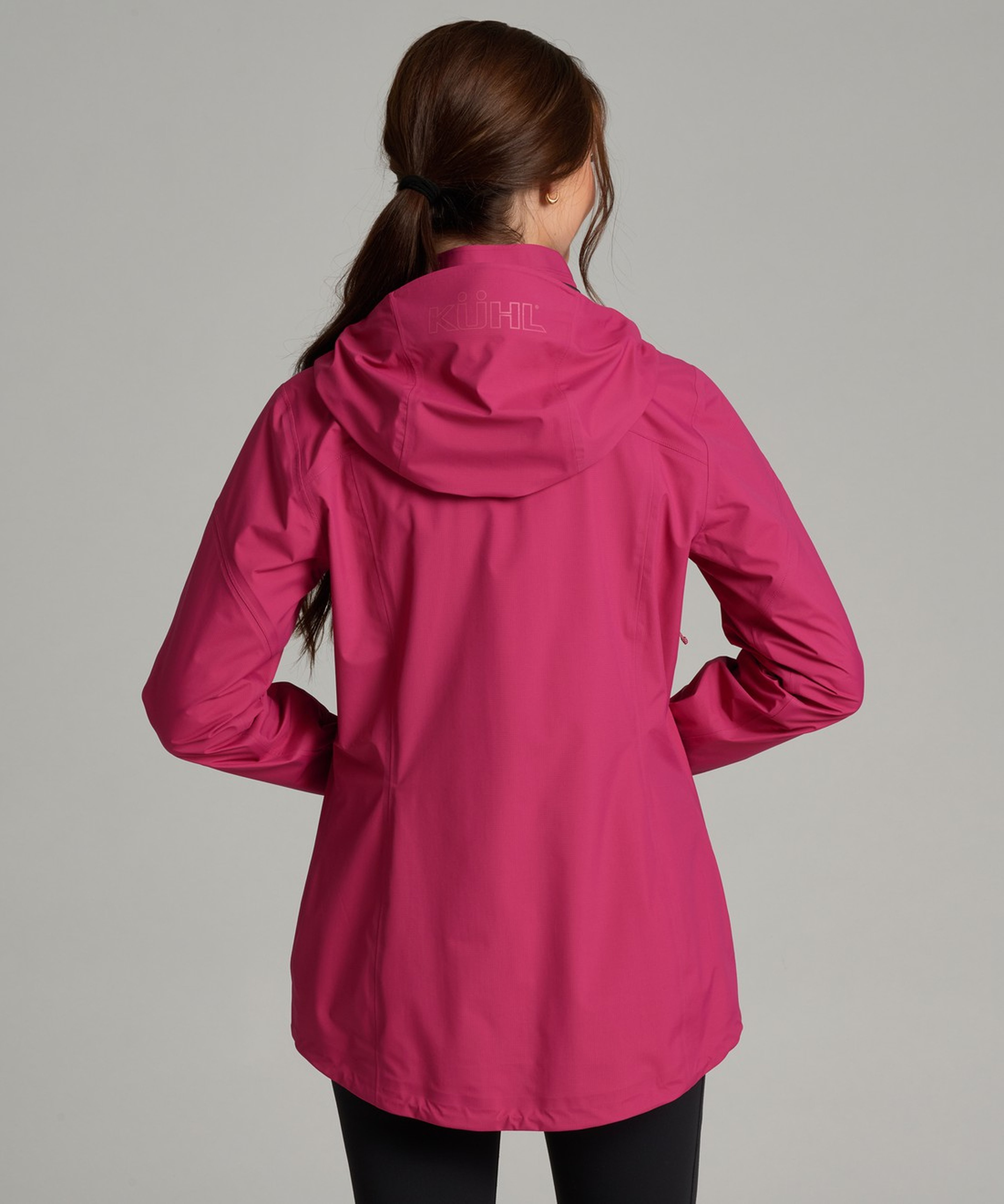
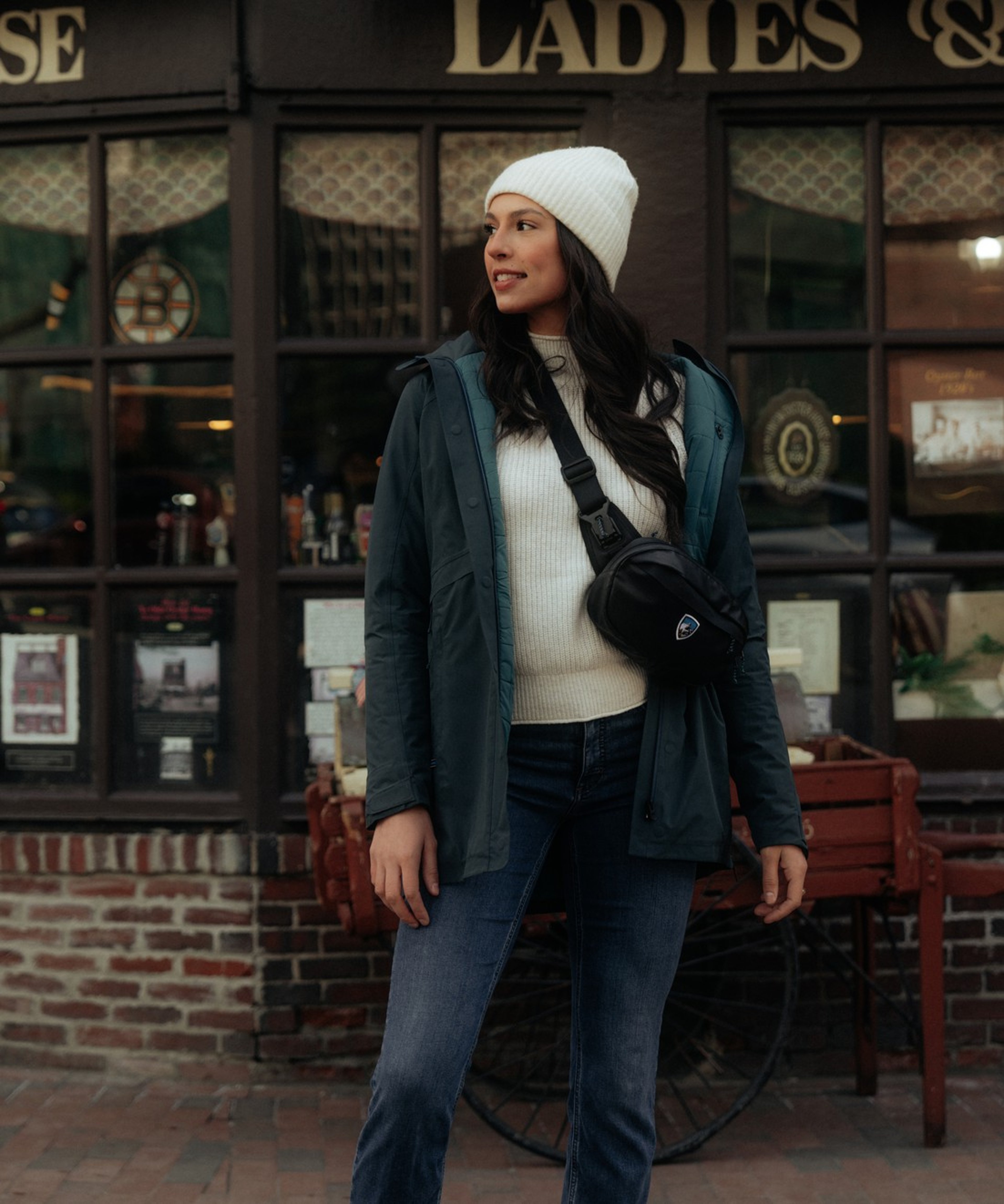
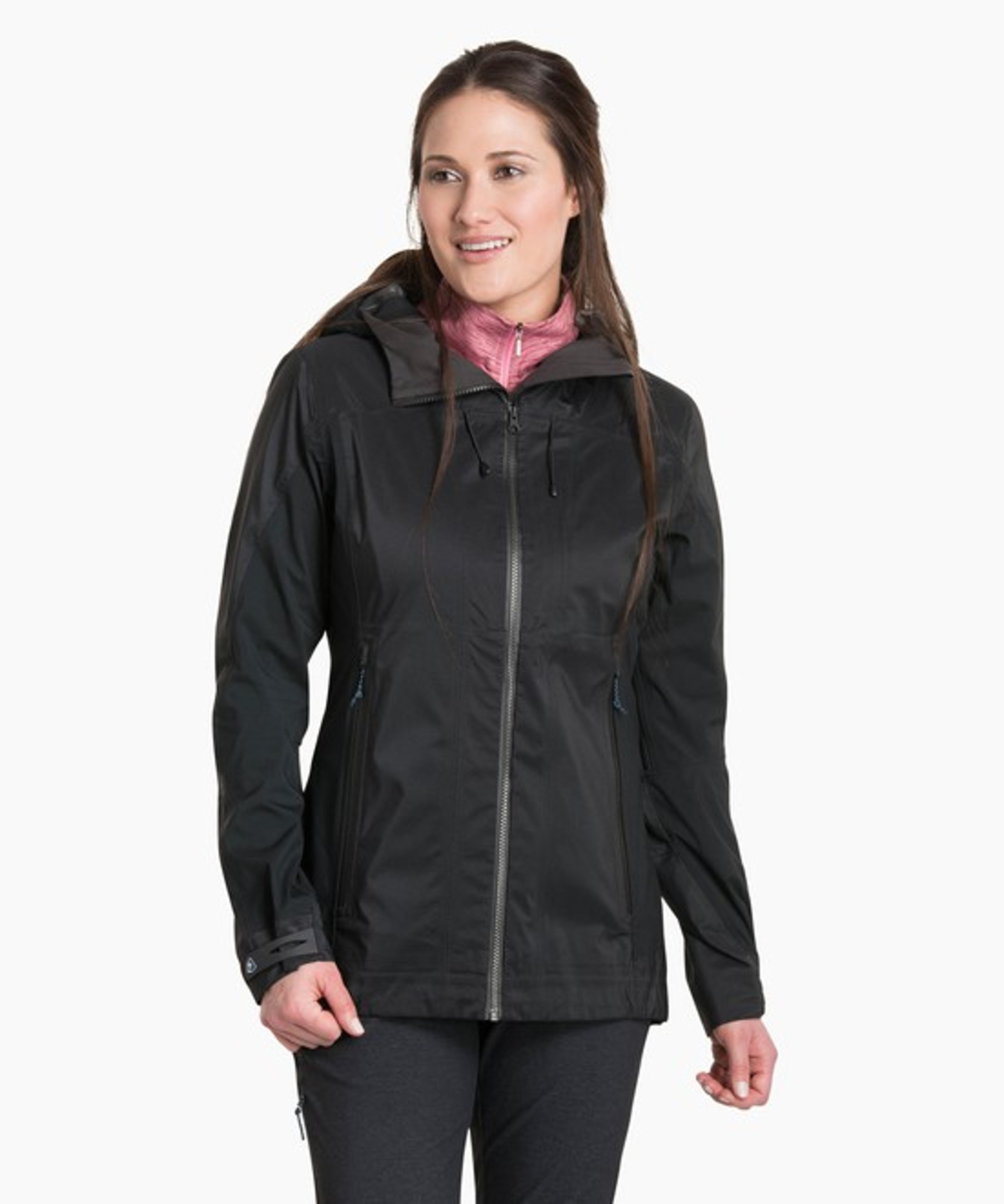
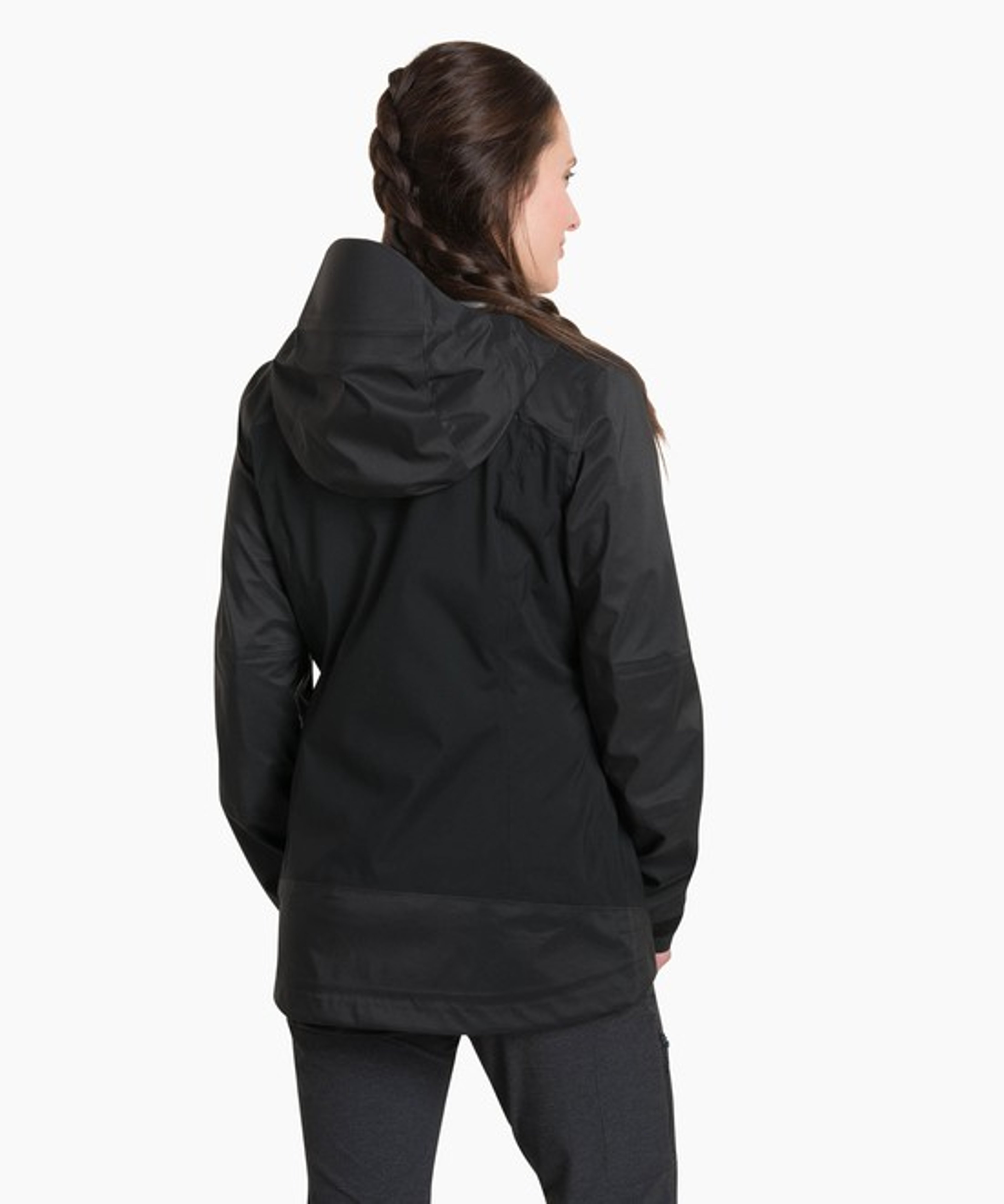
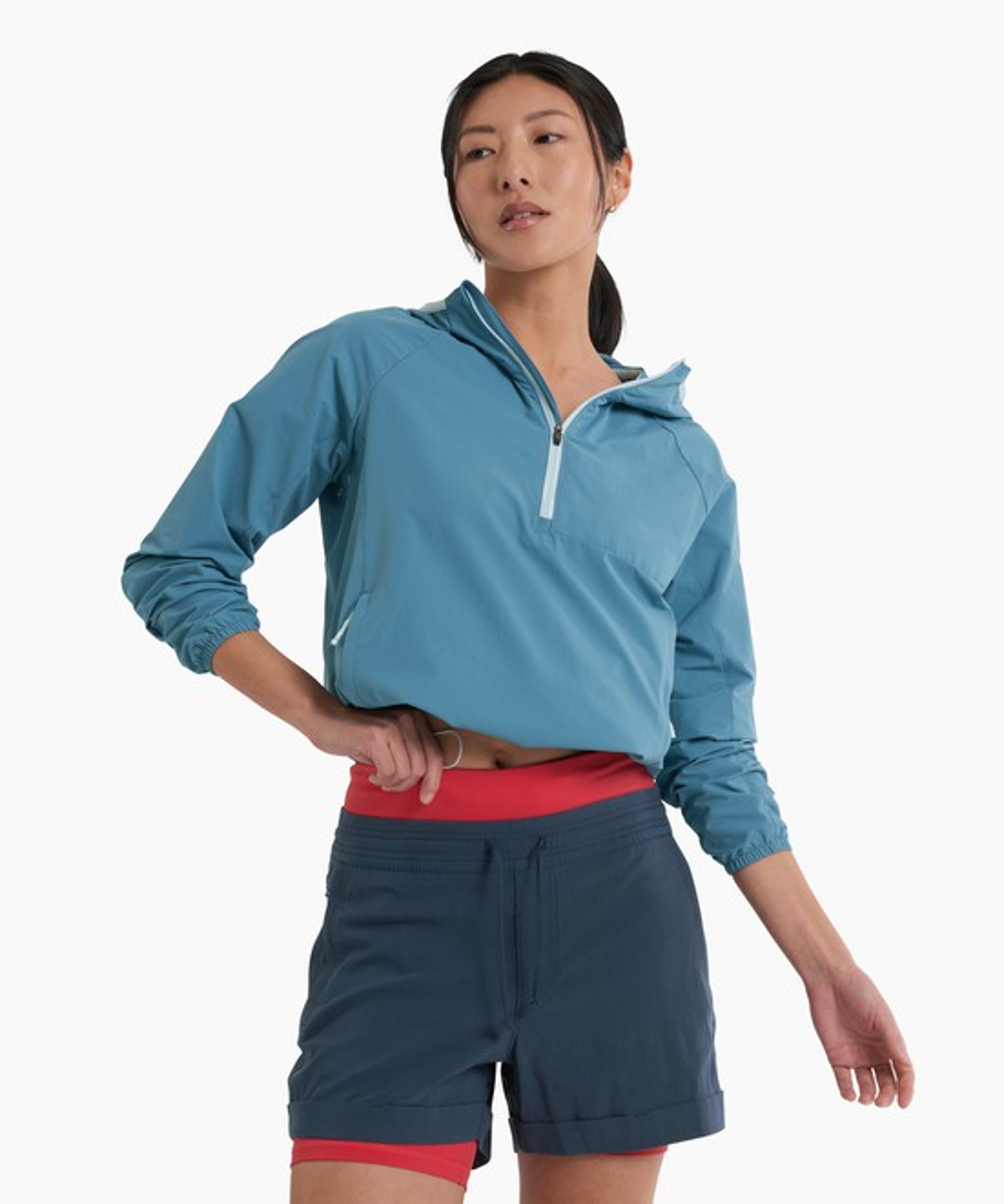
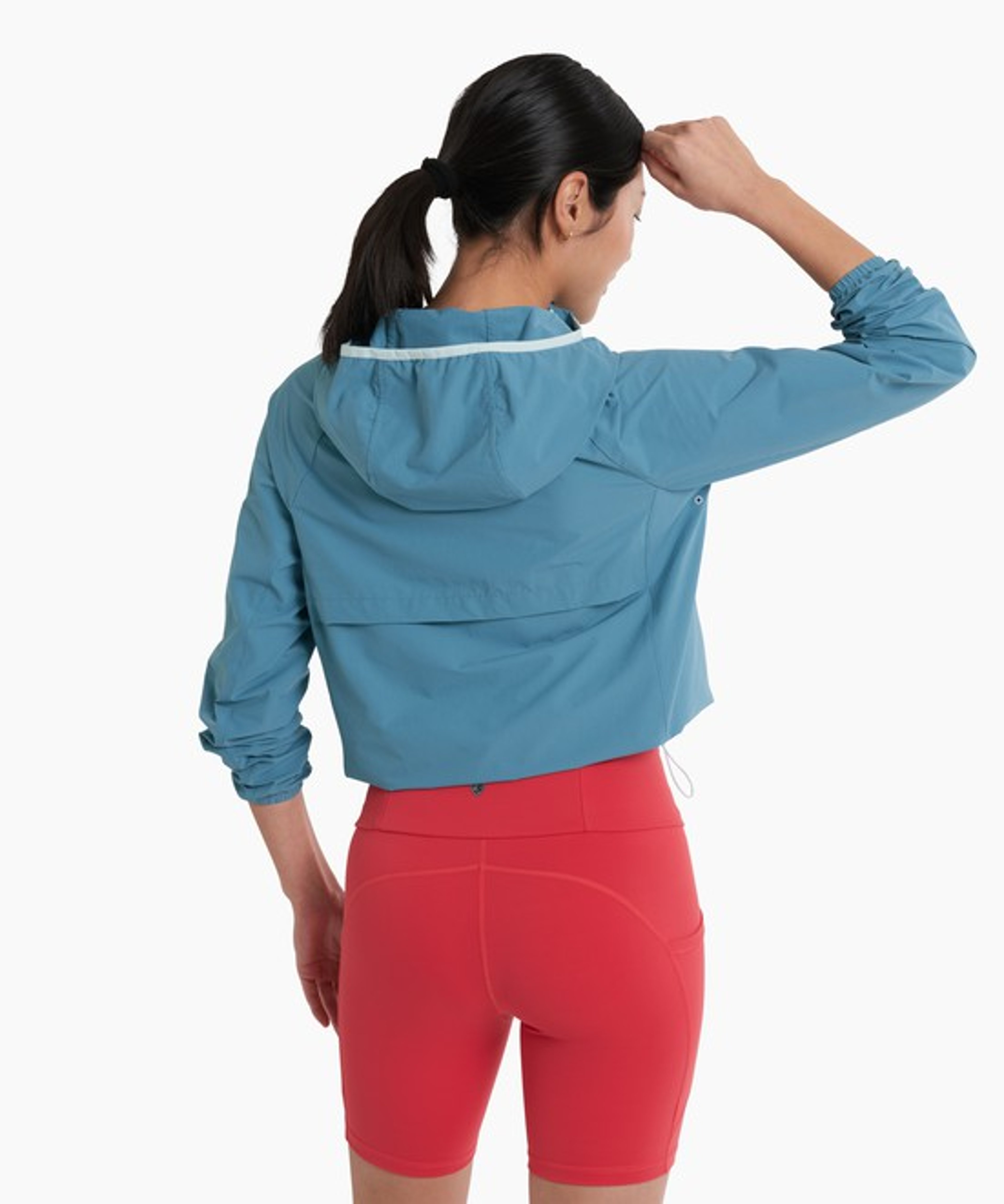
Cut the wind on trail, town, and travel in KÜHL women's windbreakers.
Choose from a variety of fabrics, styles, and features for the women's windbreaker that's right for you:
Ultralight & Packable: Built for fast-and-light days, our packable women's windbreakers fold into their own hand pocket so they ride along until the breeze picks up. A ripstop face fabric resists snags from brush and pack straps, and a DWR finish sheds the unexpected drizzle without adding weight.
Wind & Sun Protection: When the forecast is dry but the exposure is real, choose styles built around UPF 50+ ripstop with a DWR finish. Mesh-lined ventilation in high-heat zones moves moist air out. A stretch-woven body keeps the cut close without binding when your arms reach overhead.
Wind-Resistant with 4-Way Stretch: For aerobic days where a true rain shell is overkill, wind-resistant hybrid shells pair a windproof front with a breathable, stretch-woven back panel. The result moves with you on the climb, then blocks the chill on the descent.
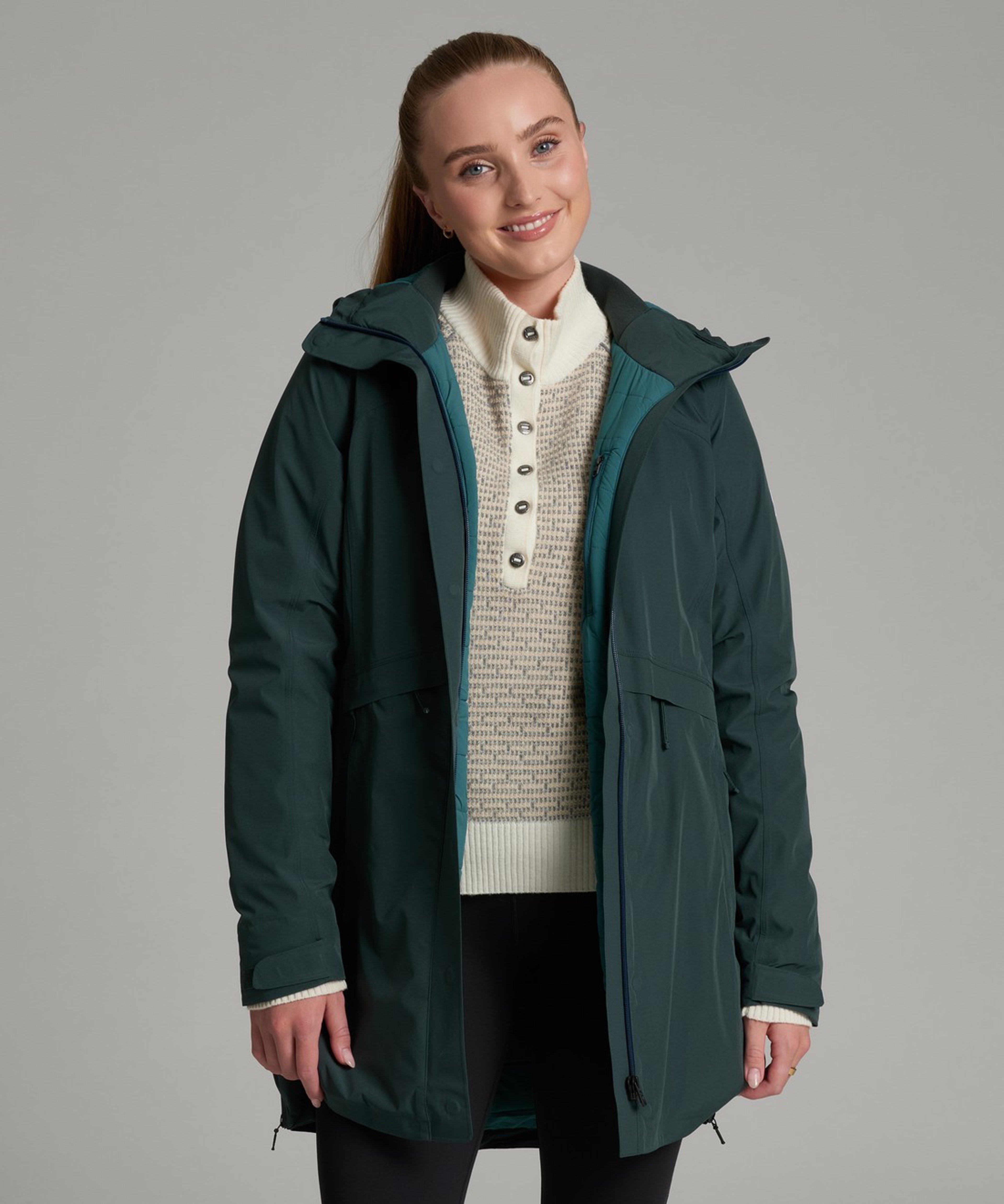
Insulated Windbreakers for Shoulder Season. When the wind carries a bite, an insulated windbreaker with synthetic fill holds warmth even when damp. These layer cleanly over a base layer or light midlayer, useful for cool mornings that warm into mild afternoons without committing to a true winter jacket.
Where Windbreakers Fit in the System. A windbreaker isn't a rain shell and isn't a midlayer. It's the in-between layer that handles the days that aren't true storms but aren't still, either. Worn over a women's fleece on cool, breezy mornings or under a heavier shell when the temperature drops, it anchors a flexible layering system. For more substantial wind-and-weather coverage with a thicker hand, see our women's softshell jackets.
When selecting the right women's windbreaker, look for signature touches like articulated sleeves for an unrestricted reach, an adjustable hood that cinches down in gusts, and a stuffable design that packs into its own pocket for stash-and-go convenience. UPF 50+ ripstop, a DWR finish, and a trim-but-layerable cut round out the recipe, light enough to forget you're wearing it, durable enough to count on.
Choose from a variety of fabrics, styles, and features for the women's windbreaker that's right for you:
Ultralight & Packable: Built for fast-and-light days, our packable women's windbreakers fold into their own hand pocket so they ride along until the breeze picks up. A ripstop face fabric resists snags from brush and pack straps, and a DWR finish sheds the unexpected drizzle without adding weight.
Wind & Sun Protection: When the forecast is dry but the exposure is real, choose styles built around UPF 50+ ripstop with a DWR finish. Mesh-lined ventilation in high-heat zones moves moist air out. A stretch-woven body keeps the cut close without binding when your arms reach overhead.
Wind-Resistant with 4-Way Stretch: For aerobic days where a true rain shell is overkill, wind-resistant hybrid shells pair a windproof front with a breathable, stretch-woven back panel. The result moves with you on the climb, then blocks the chill on the descent.
Insulated Windbreakers for Shoulder Season. When the wind carries a bite, an insulated windbreaker with synthetic fill holds warmth even when damp. These layer cleanly over a base layer or light midlayer, useful for cool mornings that warm into mild afternoons without committing to a true winter jacket.
Where Windbreakers Fit in the System. A windbreaker isn't a rain shell and isn't a midlayer. It's the in-between layer that handles the days that aren't true storms but aren't still, either. Worn over a women's fleece on cool, breezy mornings or under a heavier shell when the temperature drops, it anchors a flexible layering system. For more substantial wind-and-weather coverage with a thicker hand, see our women's softshell jackets.
When selecting the right women's windbreaker, look for signature touches like articulated sleeves for an unrestricted reach, an adjustable hood that cinches down in gusts, and a stuffable design that packs into its own pocket for stash-and-go convenience. UPF 50+ ripstop, a DWR finish, and a trim-but-layerable cut round out the recipe, light enough to forget you're wearing it, durable enough to count on.
Wind protection, packability, and weather range: what to look for in a women's windbreaker, and how to choose the right shell for the day.
What should you look for in women's windbreakers?
The best women's windbreakers balance wind protection, breathability, and packability without crossing into rain-jacket weight. Look for a tightly woven nylon or polyester face, often ripstop, paired with a DWR finish to shed light moisture. Breathability matters as much as wind resistance: a fully sealed shell traps sweat on the climb, so prioritize designs with mesh ventilation, gusseted underarms, or a stretch-woven back panel. Fit should leave room for a base layer and a thin midlayer without bunching at the elbows. Adjustable hoods and cuffs seal out gusts. A hand pocket that doubles as a stuff sack earns its place on every trip.
What's the difference between a hardshell, softshell, and insulated jacket?
A hardshell is fully waterproof, a softshell is wind- and light-water-resistant with more breathability, and an insulated jacket adds warmth via down or synthetic fill. Hardshells use a waterproof membrane and taped seams for sustained rain, best for storms and high-exposure days. Our women's rain jackets cover that end of the spectrum. Softshells trade full waterproofing for stretch and breathability, ideal for aerobic activity in dry-to-damp conditions. Insulated jackets are a different category entirely, built around warmth rather than weather. Windbreakers sit between hardshells and softshells: lighter than a softshell, less waterproof than a hardshell, and built for the in-between weather most days actually deliver.
How do you choose between down and synthetic insulation?
Down delivers the best warmth-to-weight ratio. Synthetic performs better when wet. Down compresses smaller and lasts longer if cared for, making it ideal for cold, dry conditions where packability matters. Synthetic insulation keeps insulating when damp and dries faster, which makes it the smarter pick for humid climates, aerobic days that produce sweat, or shoulder-season trips where rain is on the table. For sustained cold and dry, our women's down jackets are the obvious choice. For an insulated windbreaker, synthetic fill is almost always the right call. It holds its loft through the unpredictable conditions a windbreaker is designed to handle.
Are windbreakers waterproof or just water-resistant?
Most windbreakers are water-resistant, not waterproof. A DWR finish lets the face fabric shed a brief shower or wind-driven mist, but the fabric itself is breathable rather than fully sealed, so sustained rain will eventually soak through. True waterproof performance requires a membrane and taped seams, the construction you get on a dedicated rain shell. If the forecast leans wet, that's a job for a hardshell rather than a windbreaker. If the day is dry-to-drizzle with wind as the main concern, a windbreaker is the lighter, more breathable choice.
How should a windbreaker fit for layering?
A windbreaker should fit close enough to move with you but leave room for a base layer and a light midlayer underneath. Test the fit with your arms overhead. Articulated sleeves and a slightly dropped hem should keep the jacket from riding up and exposing your lower back. Cuffs should sit at the wrist without binding. A snug-but-not-tight chest gives wind protection without restricting a deep breath on the climb. If you plan to layer over a thicker fleece, size up only if the trim cut feels restrictive. Most windbreakers are already cut with a small amount of layering room built in.
What features matter most when hiking or backpacking?
Prioritize packability, ventilation, and pack-friendly pocket access. A windbreaker that stuffs into its own pocket lives in the lid of your pack until the wind picks up, non-negotiable for fast-and-light trips. Ventilation under the arms or through a stretch-woven back panel keeps the jacket usable on climbs rather than relegated to descents. Look for hand or chest pockets that sit above a hipbelt, an adjustable hood that fits over a brimmed cap, and a ripstop face that survives brush and shoulder-strap abrasion. UPF 50+ adds real value on exposed ridgelines where the wind and sun arrive together.