









Men's Hoodies
Layer Up in KÜHL Men's Hoodies, for the Trail, the Town, and Every Hour in Between.
Choose from a variety of fabrics, weights, and features for the men's hoodies that are right for you:
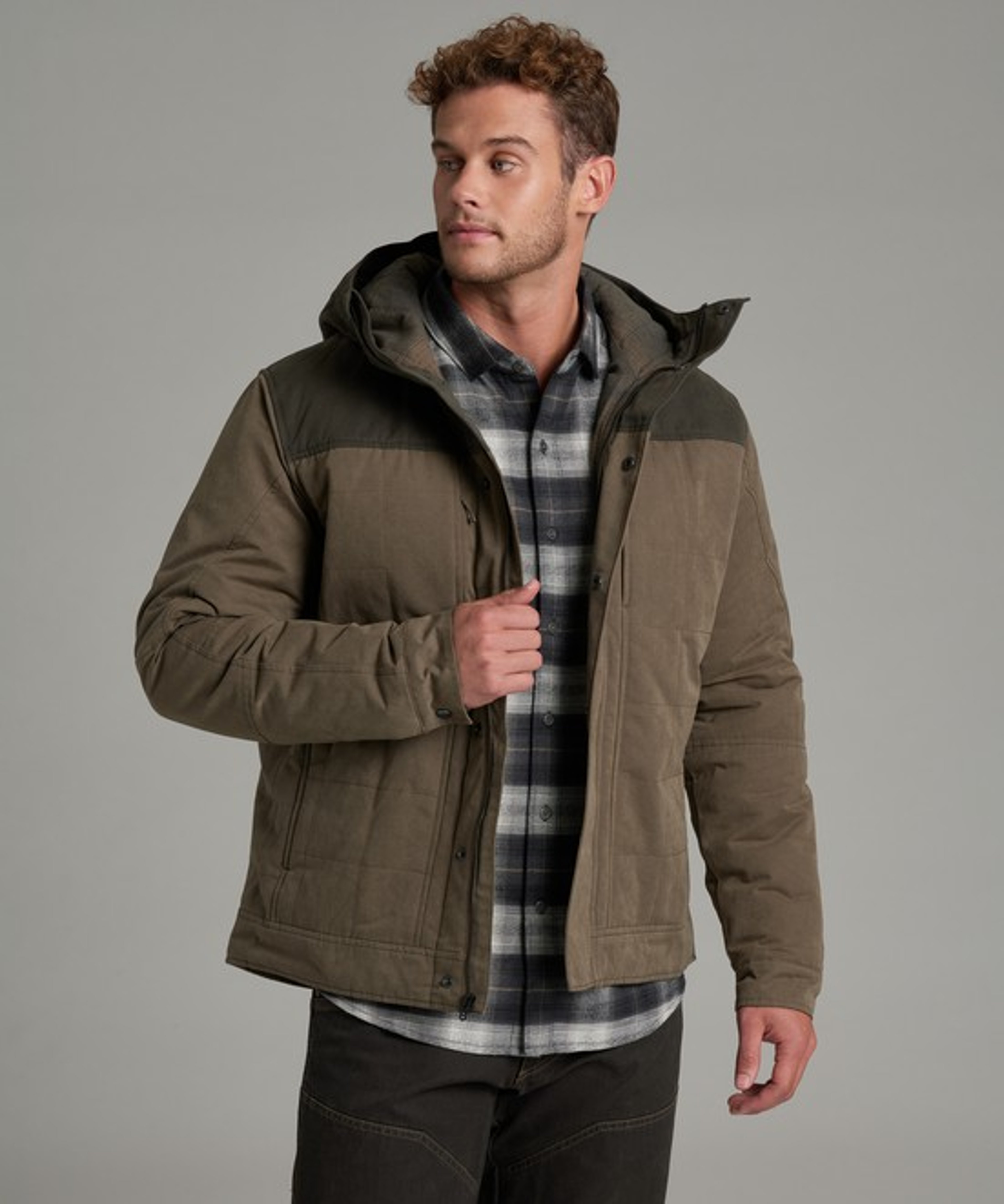
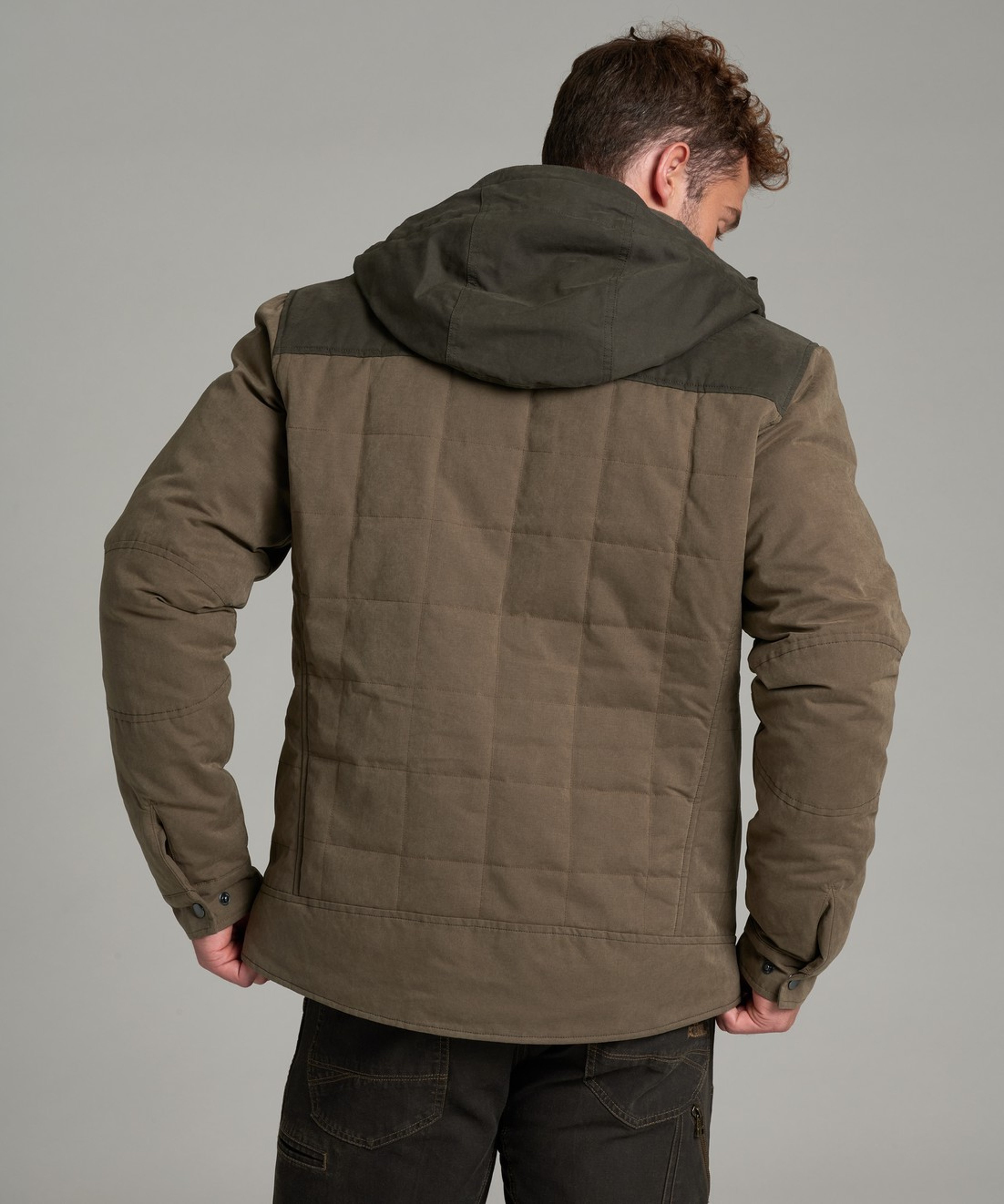
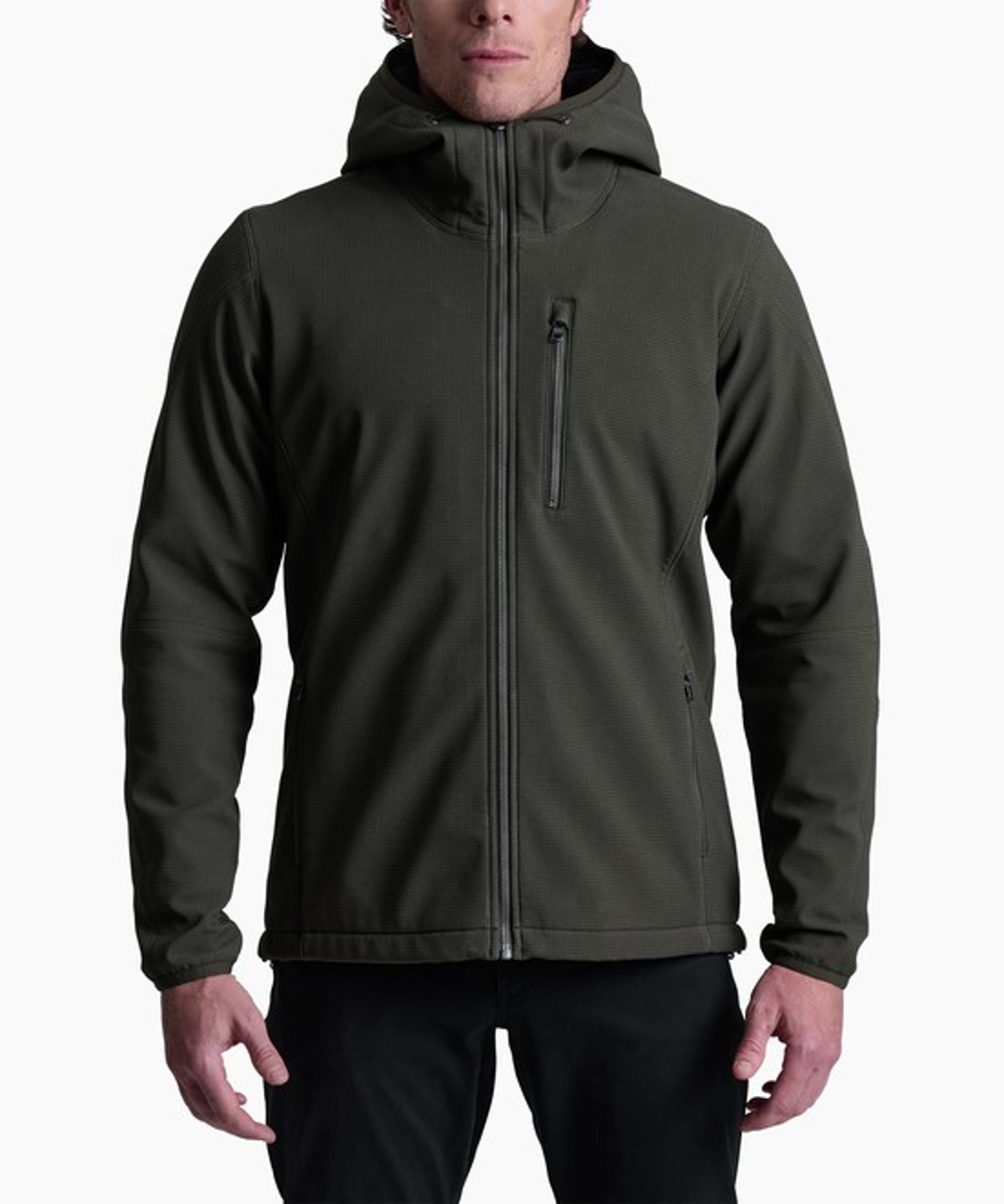
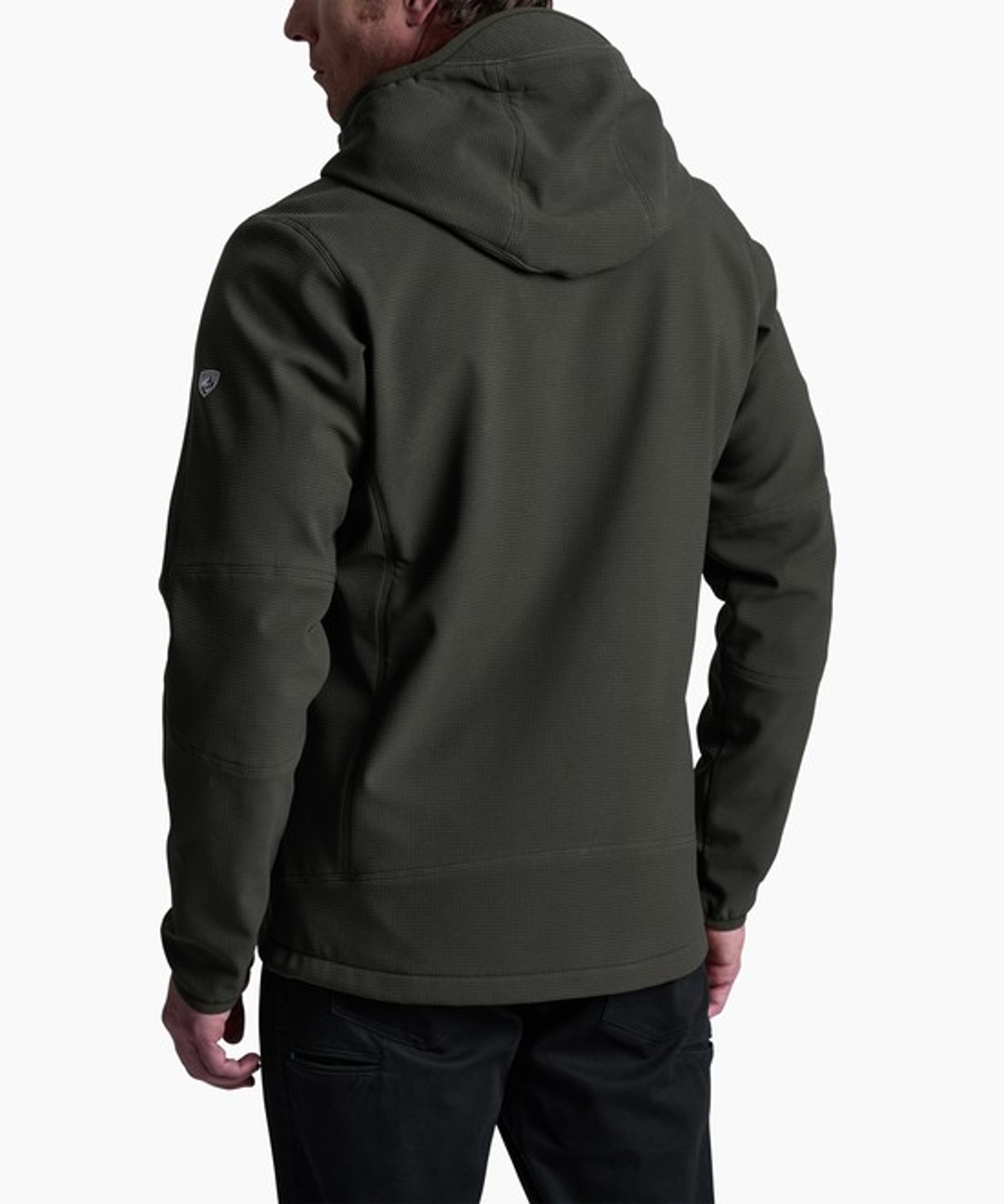
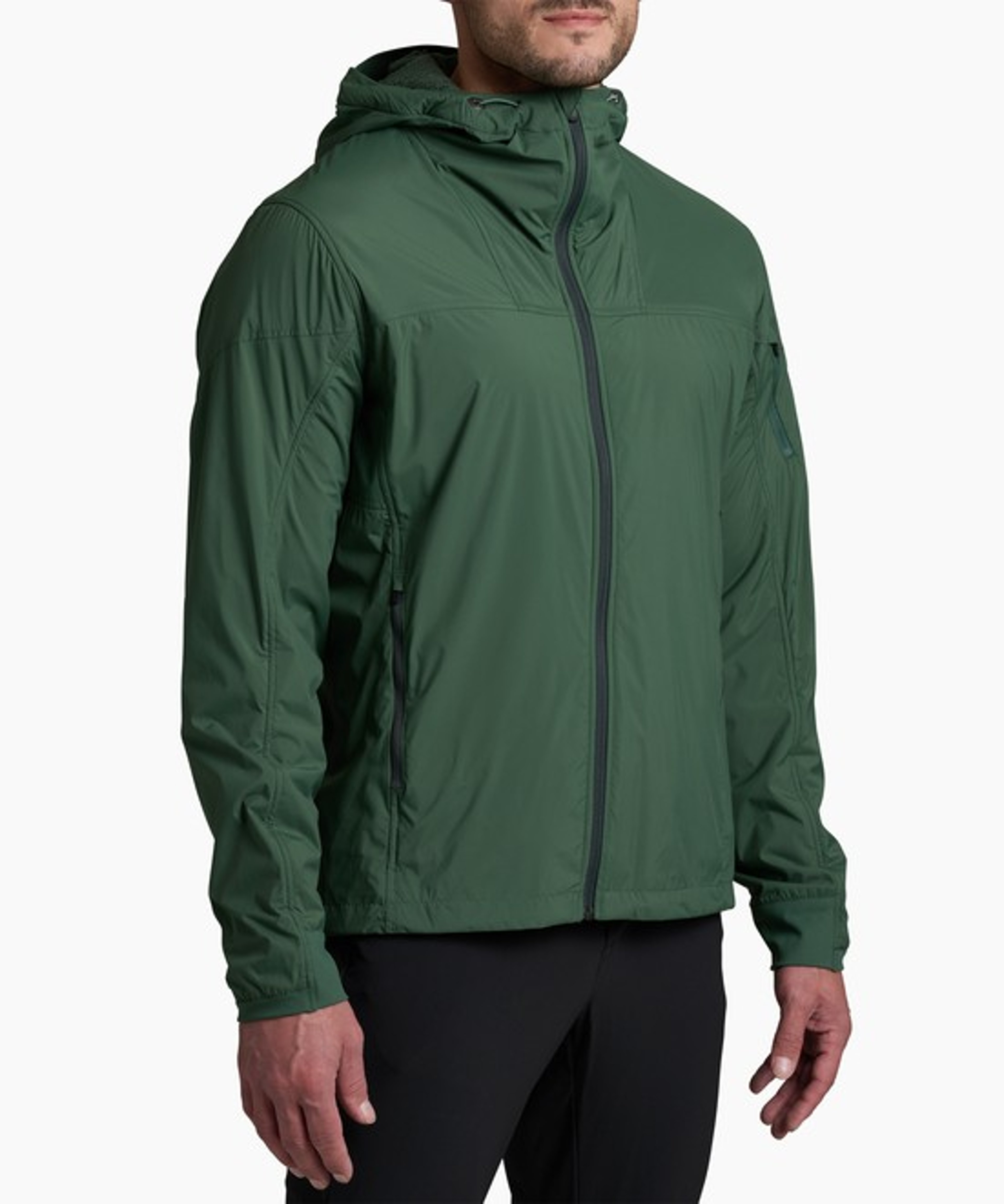
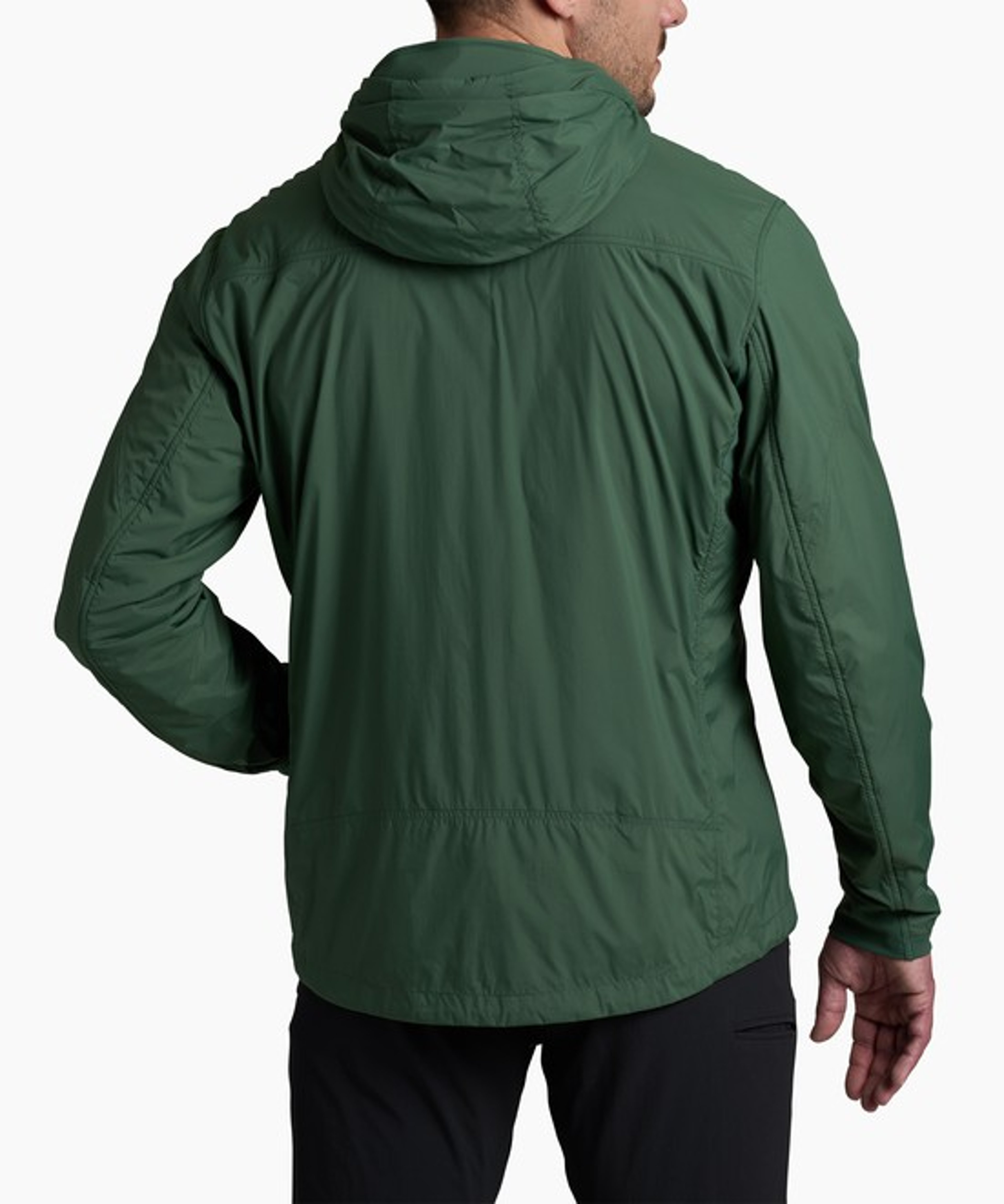
Softshell Hoodies. Built for the in-between days when wind cuts harder than rain. A bonded softshell face with a brushed interior traps body heat without bulk, while articulated sleeves keep the hem riding clean when you reach overhead. Pair one with a base layer for chilly mornings and shed it by mid-afternoon.
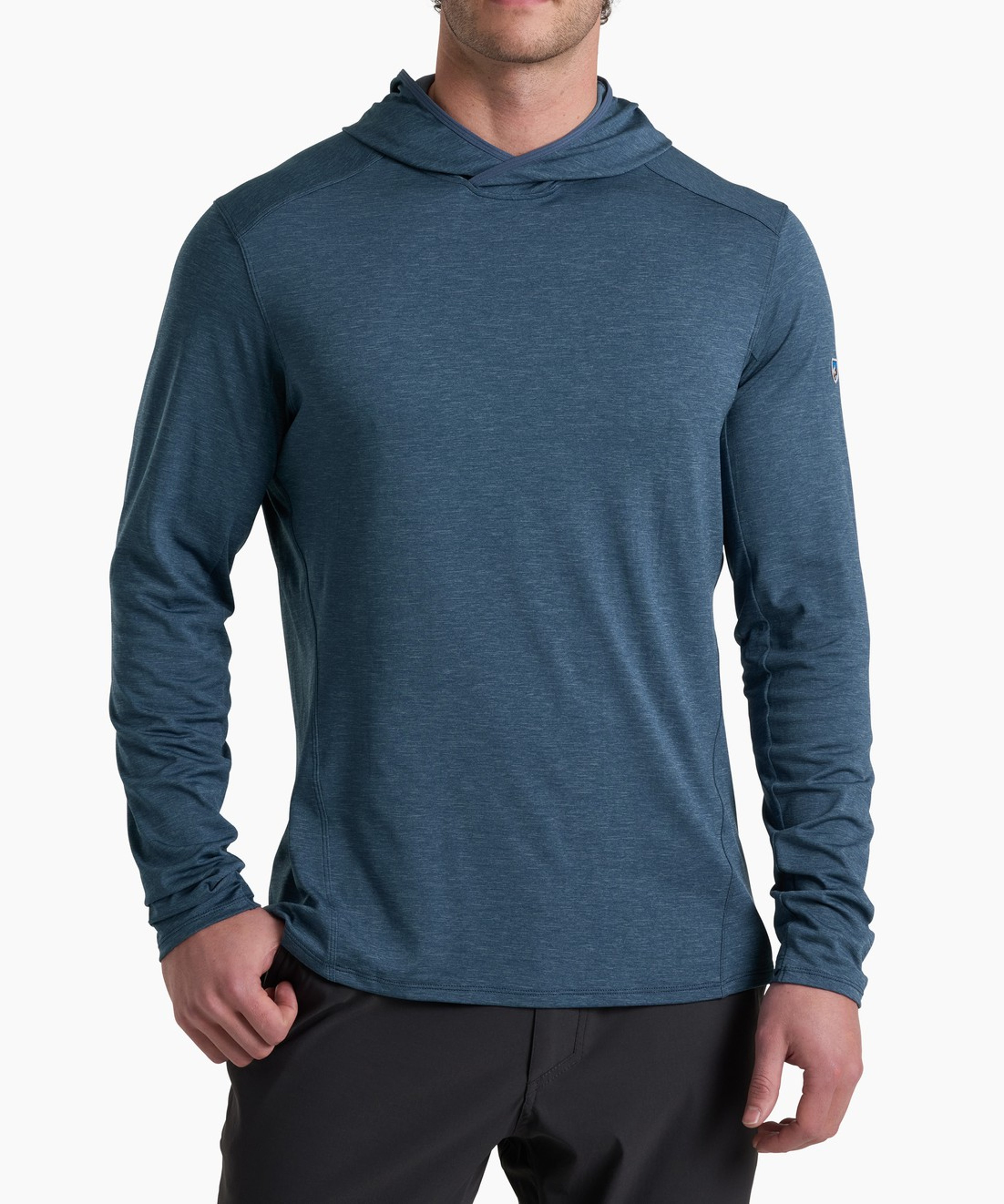
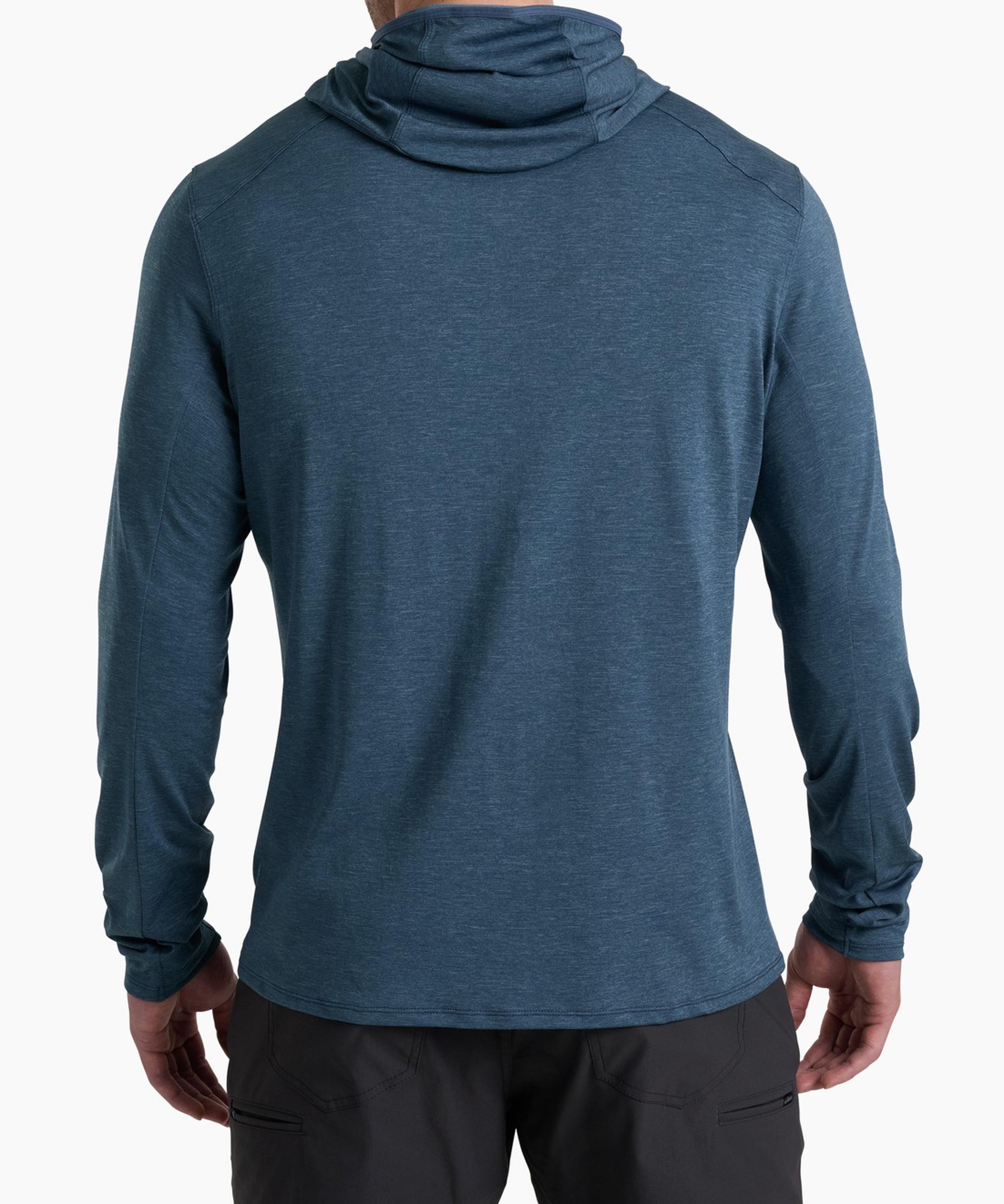
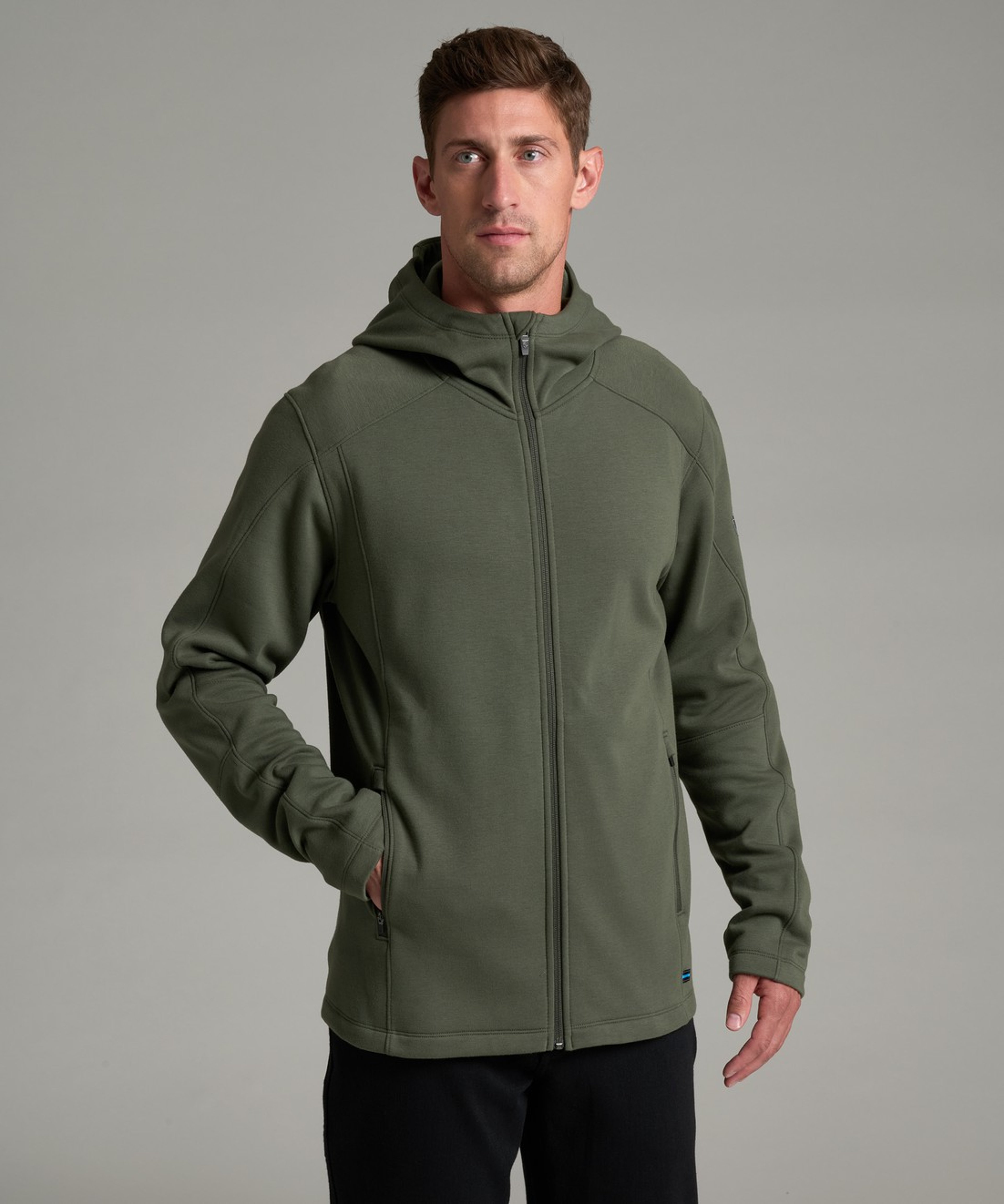
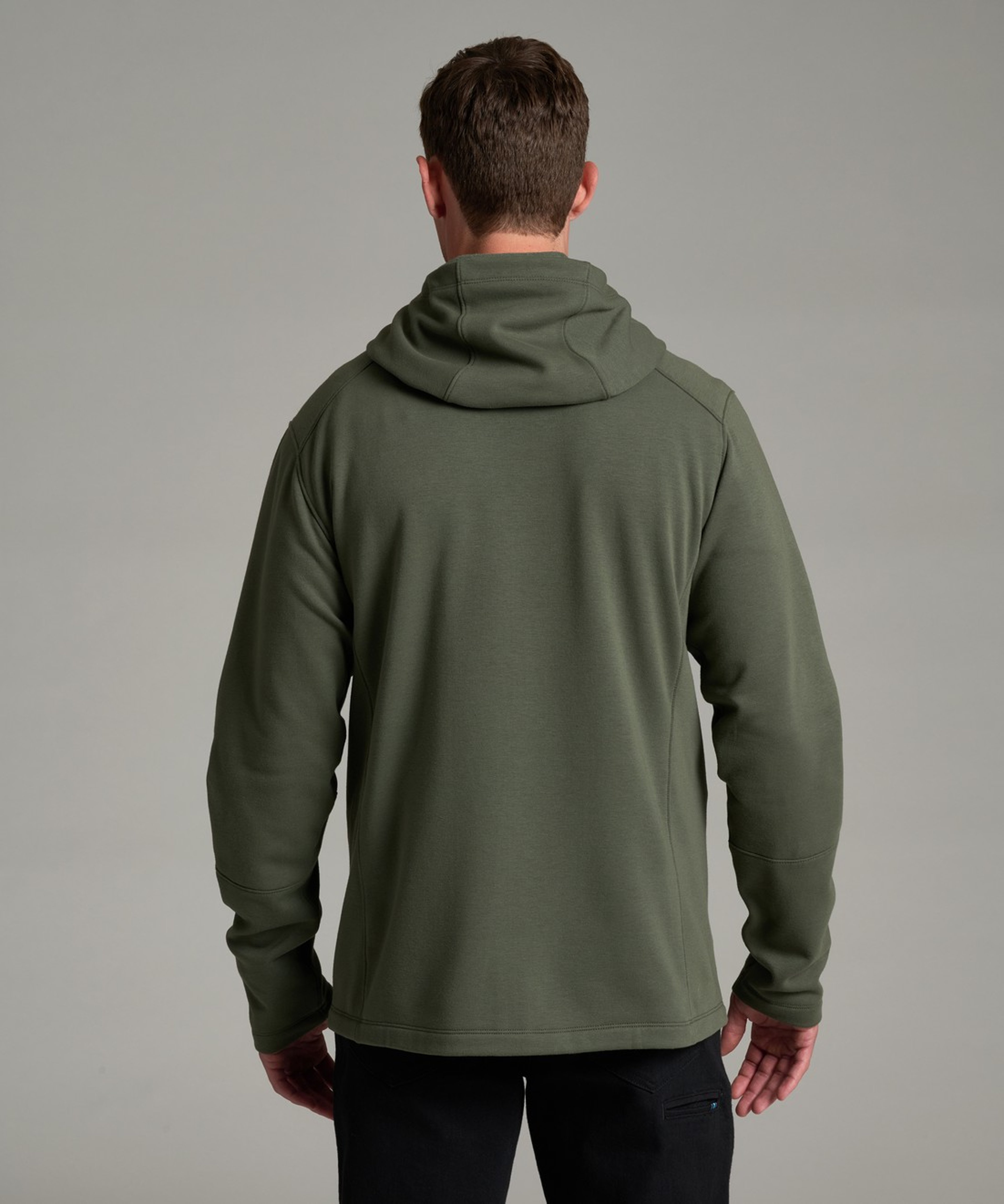
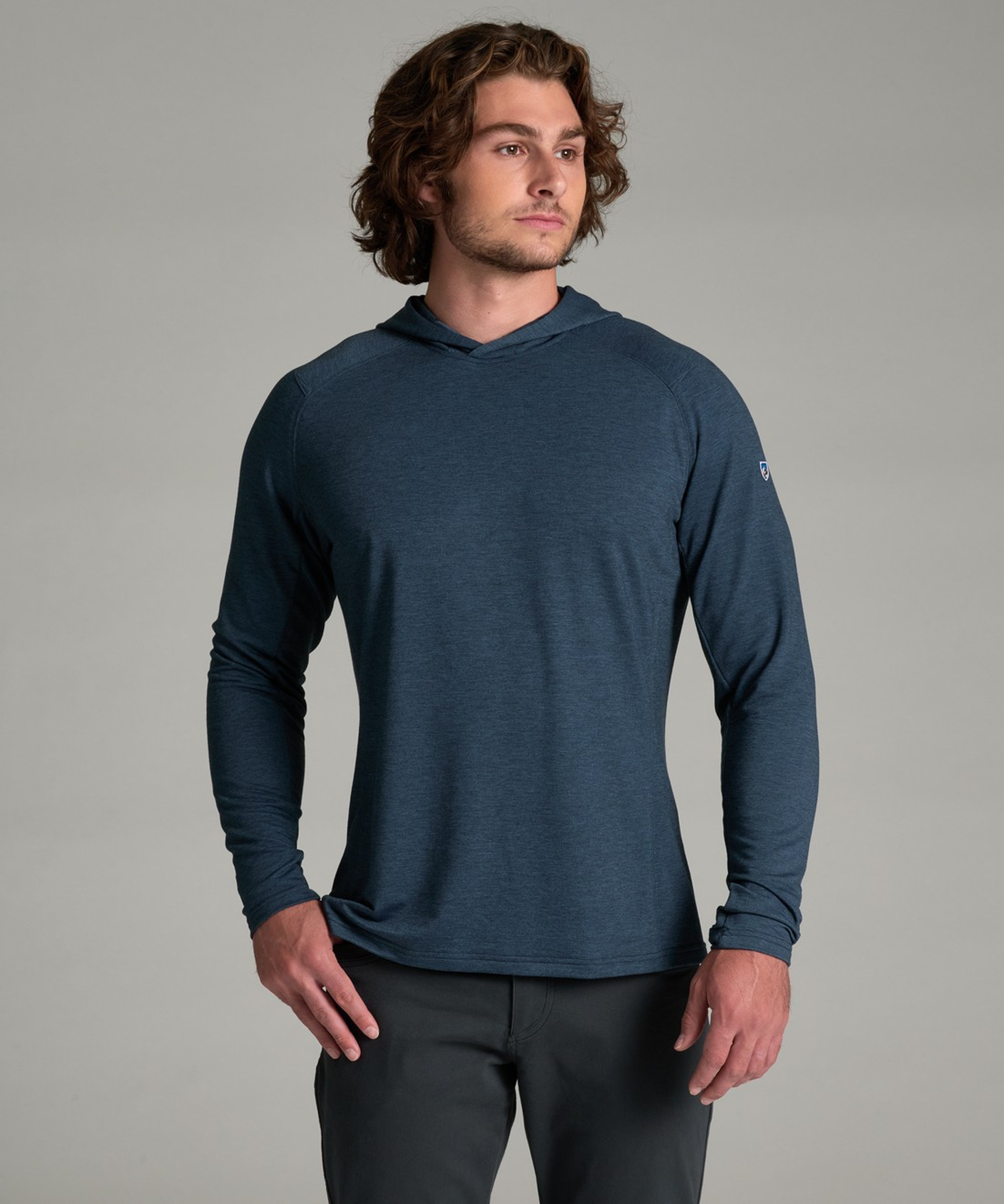
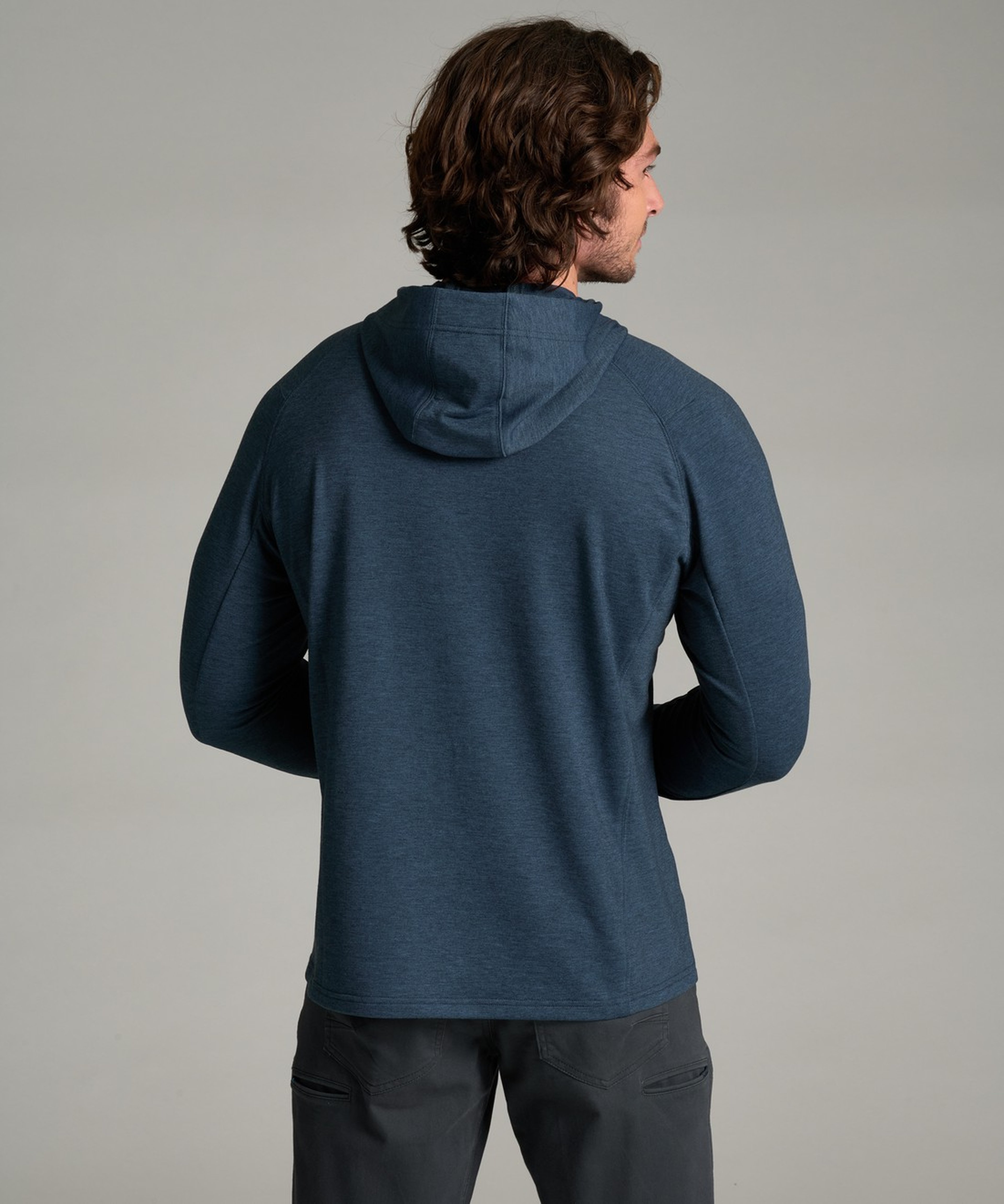
Active Knit Hoodies. Engineered for movement when you're working harder than the weather. A 4-way stretch knit with moisture-wicking and quick-dry performance handles cold-weather runs, ski-day base layers, and slow climbs alike. Thumb loops seal warmth at the wrist. A low-profile hood fits under a helmet or a heavier shell.
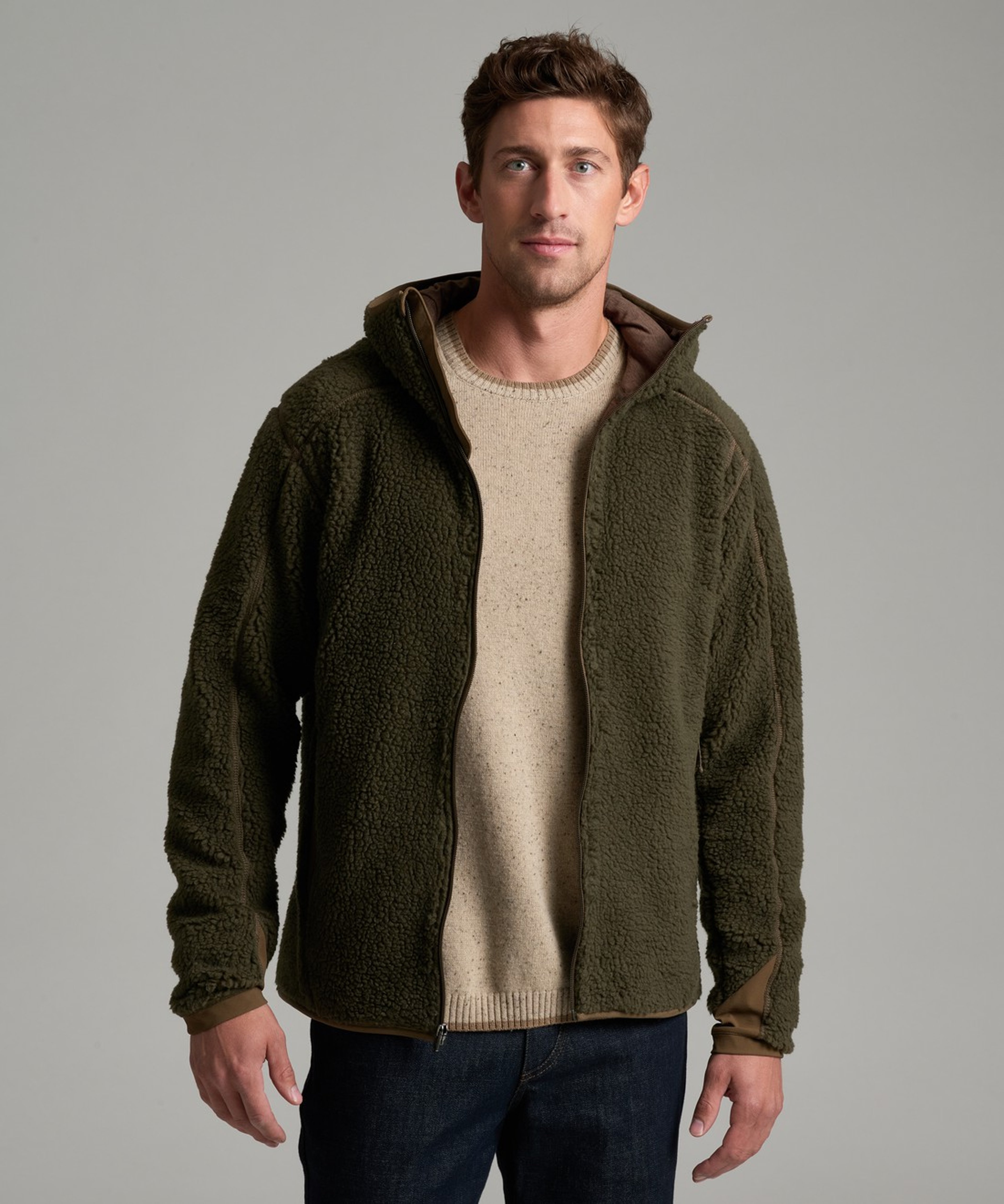
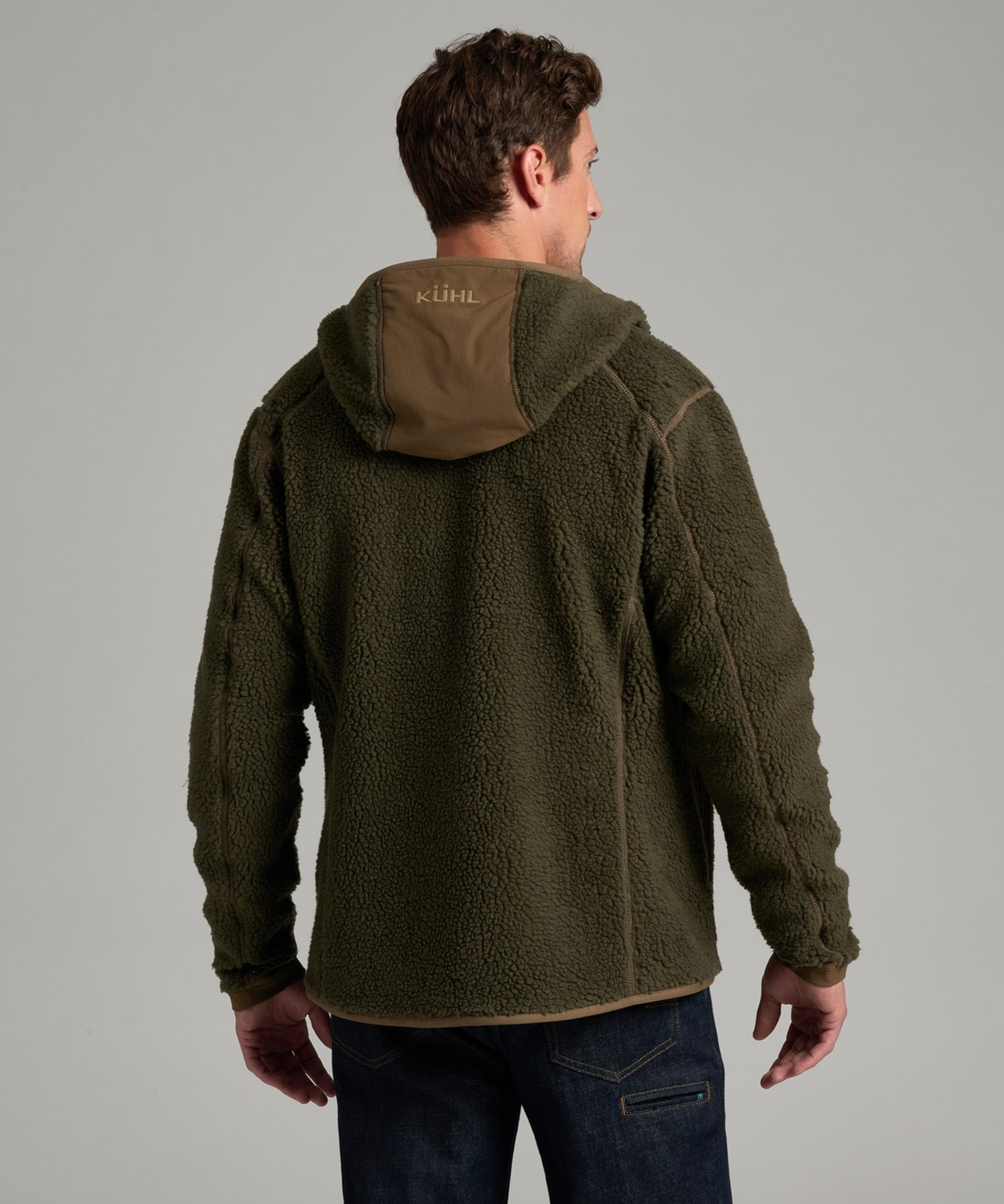
Insulated Pullovers. When temperatures drop past comfortable, a brushed-interior pullover with windproof construction holds heat better than cotton ever will. Look for trim cuffs, a high-zip collar, and underarm gussets that let the shoulder rotate without lifting the hem. These are the hoodies that anchor a three-piece kit: base layer underneath, a mid-weight men's fleece or hoody in the middle, shell on top.
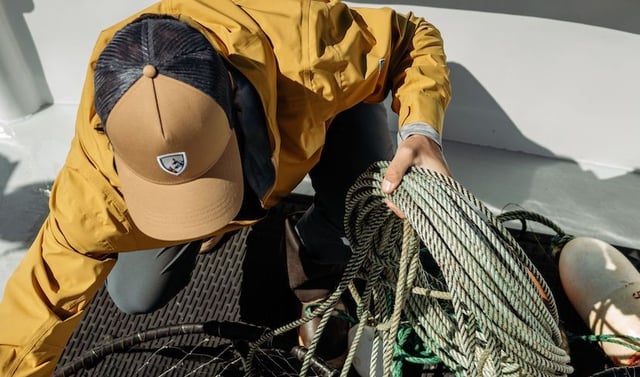
Lightweight Sun Hoodies. For trail miles in real sun, a nylon-spandex blend with UPF 50+ blocks UV without trapping heat. Mesh ventilation under the arms moves air, and a long hood drops over a cap for face and neck coverage. These earn their place in the kit anywhere shade runs thin.
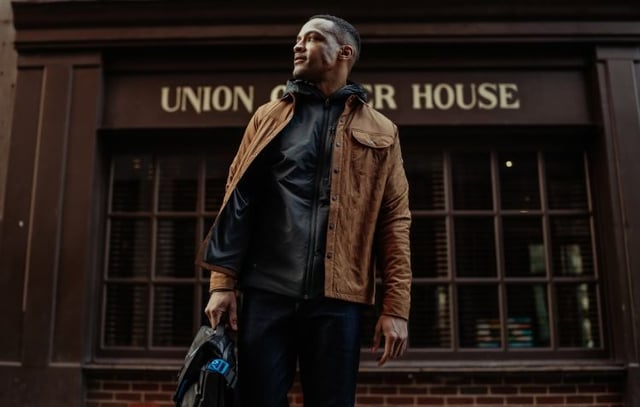
Look for signature touches like articulated sleeves for freedom of movement, thumb loops to seal out the cold, flatlock seams for low-bulk layering, and a hood cut to ride right whether you're alone or stacked under a shell. Browse the full men's outerwear lineup for the rest of the layering system, from light wind layers to insulated pieces for deep winter.
Choose from a variety of fabrics, weights, and features for the men's hoodies that are right for you:
Softshell Hoodies. Built for the in-between days when wind cuts harder than rain. A bonded softshell face with a brushed interior traps body heat without bulk, while articulated sleeves keep the hem riding clean when you reach overhead. Pair one with a base layer for chilly mornings and shed it by mid-afternoon.
Active Knit Hoodies. Engineered for movement when you're working harder than the weather. A 4-way stretch knit with moisture-wicking and quick-dry performance handles cold-weather runs, ski-day base layers, and slow climbs alike. Thumb loops seal warmth at the wrist. A low-profile hood fits under a helmet or a heavier shell.
Insulated Pullovers. When temperatures drop past comfortable, a brushed-interior pullover with windproof construction holds heat better than cotton ever will. Look for trim cuffs, a high-zip collar, and underarm gussets that let the shoulder rotate without lifting the hem. These are the hoodies that anchor a three-piece kit: base layer underneath, a mid-weight men's fleece or hoody in the middle, shell on top.
Lightweight Sun Hoodies. For trail miles in real sun, a nylon-spandex blend with UPF 50+ blocks UV without trapping heat. Mesh ventilation under the arms moves air, and a long hood drops over a cap for face and neck coverage. These earn their place in the kit anywhere shade runs thin.
Look for signature touches like articulated sleeves for freedom of movement, thumb loops to seal out the cold, flatlock seams for low-bulk layering, and a hood cut to ride right whether you're alone or stacked under a shell. Browse the full men's outerwear lineup for the rest of the layering system, from light wind layers to insulated pieces for deep winter.
From sun hoodies to brushed-interior pullovers, KÜHL men's hoodies cover the full layering range. Here's how to pick the right weight, fabric, and fit for your kit.
What should you look for in men's hoodies?
The best men's hoodies match the fabric to the job: breathable knit for active days, softshell for wind, brushed interior for warmth, and UPF 50+ for sun.
Beyond fabric, the details that matter are fit and finish: articulated sleeves so the hem doesn't ride up when you reach overhead, flatlock seams that don't chafe under a pack strap, thumb loops to seal warmth at the wrist, and a hood cut deep enough to actually cover your head without choking the neckline. Pick one weight for layering, one for standalone wear, and the closet covers most of the calendar.
Beyond fabric, the details that matter are fit and finish: articulated sleeves so the hem doesn't ride up when you reach overhead, flatlock seams that don't chafe under a pack strap, thumb loops to seal warmth at the wrist, and a hood cut deep enough to actually cover your head without choking the neckline. Pick one weight for layering, one for standalone wear, and the closet covers most of the calendar.
What's the difference between a hardshell, softshell, and insulated jacket?
A hardshell is fully waterproof, a softshell is wind- and light-moisture resistant with stretch, and an insulated piece is built for warmth.
Hardshells use a waterproof membrane with taped seams and a DWR finish, the right tool for sustained rain or wet snow, less breathable when the air is dry. Softshells trade absolute waterproofing for 4-way stretch and breathability, which is why they're so versatile across mixed conditions. Insulated layers (down or synthetic fill) are the warmth engines, usually worn between a base layer and a shell. Most complete kits run all three. See our men's softshell outerwear for the wind- and abrasion-focused middle ground between a hoody and a hardshell.
Hardshells use a waterproof membrane with taped seams and a DWR finish, the right tool for sustained rain or wet snow, less breathable when the air is dry. Softshells trade absolute waterproofing for 4-way stretch and breathability, which is why they're so versatile across mixed conditions. Insulated layers (down or synthetic fill) are the warmth engines, usually worn between a base layer and a shell. Most complete kits run all three. See our men's softshell outerwear for the wind- and abrasion-focused middle ground between a hoody and a hardshell.
How do you choose between down and synthetic insulation?
Choose down when warmth-to-weight and packability matter most. Choose synthetic when the layer is likely to get wet.
Down feathers loft more air per ounce than any synthetic fill, which is why down jackets compress smaller and weigh less for the same warmth. The trade-off: wet down collapses and loses most of its insulating value. Synthetic fills (polyester clusters) cost a small weight penalty but keep insulating when damp, dry faster, and forgive sweaty climbs and surprise drizzle. For cold-and-dry trips or any kit where ounces matter, down wins. For shoulder-season, high-output, or unpredictable forecasts, synthetic is the safer call.
Down feathers loft more air per ounce than any synthetic fill, which is why down jackets compress smaller and weigh less for the same warmth. The trade-off: wet down collapses and loses most of its insulating value. Synthetic fills (polyester clusters) cost a small weight penalty but keep insulating when damp, dry faster, and forgive sweaty climbs and surprise drizzle. For cold-and-dry trips or any kit where ounces matter, down wins. For shoulder-season, high-output, or unpredictable forecasts, synthetic is the safer call.
Are hoodies waterproof or just water-resistant?
Most hoodies are water-resistant, not waterproof: a DWR finish sheds light moisture, but sustained rain will eventually soak through.
A DWR (durable water repellent) treatment beads water off the face fabric, which is enough for snow flurries, a quick drizzle, or sweat. True waterproof performance requires a membrane behind the face fabric, fully taped seams, and water-resistant zippers. That's a shell, not a hoody. If the forecast calls for rain that lasts, layer the hoody under a piece from our men's rain outerwear and let the hoody do the warmth job while the shell handles the weather.
A DWR (durable water repellent) treatment beads water off the face fabric, which is enough for snow flurries, a quick drizzle, or sweat. True waterproof performance requires a membrane behind the face fabric, fully taped seams, and water-resistant zippers. That's a shell, not a hoody. If the forecast calls for rain that lasts, layer the hoody under a piece from our men's rain outerwear and let the hoody do the warmth job while the shell handles the weather.
How should a hoodie fit for layering?
A layering hoody should be trim enough to sit clean over a base layer but loose enough to slide under a shell without bunching.
Aim for a fit that lets you reach overhead without the hem riding up: articulated sleeves and a gusseted construction handle that. The hood should layer flat under a helmet or another hood without doubling up at the throat. Sleeves should hit the wrist with the arm relaxed. Thumb loops help anchor warmth on cold days. If you can pinch more than an inch or two at the waist over a base layer, size down. If your shoulders feel pinched, size up.
Aim for a fit that lets you reach overhead without the hem riding up: articulated sleeves and a gusseted construction handle that. The hood should layer flat under a helmet or another hood without doubling up at the throat. Sleeves should hit the wrist with the arm relaxed. Thumb loops help anchor warmth on cold days. If you can pinch more than an inch or two at the waist over a base layer, size down. If your shoulders feel pinched, size up.
What features matter most when hiking or backpacking?
For hiking or backpacking, prioritize breathability, packability, and pocket access that still works with a pack on.
A hoody worn under a backpack lives or dies by where the seams sit: flatlock seams and a smooth, brushed interior prevent hot spots on the shoulders. Chest pockets stay reachable when hip-belt straps cover the hand pockets, so look for that detail. Lightweight construction matters: a hoody that compresses small lives in the lid pocket for chilly summits and cold morning starts. Add moisture-wicking and quick-dry performance and the same hoody covers a long approach, a windy ridge, and the descent without swapping layers.
A hoody worn under a backpack lives or dies by where the seams sit: flatlock seams and a smooth, brushed interior prevent hot spots on the shoulders. Chest pockets stay reachable when hip-belt straps cover the hand pockets, so look for that detail. Lightweight construction matters: a hoody that compresses small lives in the lid pocket for chilly summits and cold morning starts. Add moisture-wicking and quick-dry performance and the same hoody covers a long approach, a windy ridge, and the descent without swapping layers.